
Desserts
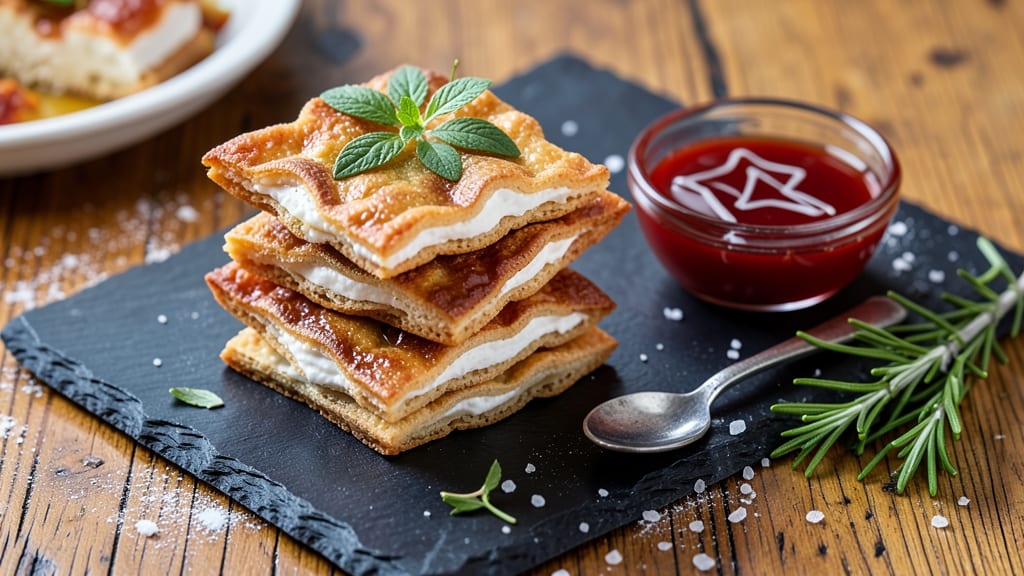
This vegan tuile cookie recipe delivers the delicate balance of crispy edges and chewy vanilla centers without a single egg or dairy ingredient. The secret lies in a precise rolling technique and low-and-slow baking that creates those signature wavy layers—achievable with just plant-based butter and aquafaba.
After years of perfecting the texture, I’ve developed a method that ensures every batch turns out light, buttery, and irresistibly aromatic.
The foundation starts with a simple dough of refined coconut oil and aquafaba (chickpea brine), which mimics the structure of traditional butter and eggs while keeping the cookies tender. Rolling the dough paper-thin before baking at 350°F for just 10-12 minutes transforms it into those iconic crispy, wavy tuiles.
The key is patience—overbaking destroys the delicate layers, so timing is everything. This recipe proves vegan baking doesn’t mean sacrificing texture or flavor.
What you’ll end up with is a tray of golden, wavy cookies that shatter at the edges yet remain soft and pillowy inside. The vanilla extract infuses the dough with a warm, comforting aroma, while a pinch of salt enhances the sweetness without overpowering it.
These cookies are perfect for gifting, holiday treats, or a sophisticated dessert that feels indulgent yet guilt-free.
Once mastered, this technique opens doors to endless variations—try adding orange zest for a festive twist or sprinkling crushed pistachios for extra crunch. The beauty of tuiles lies in their versatility, making them ideal for both casual gatherings and elegant presentations. Let’s get baking!
Ingredients for vegan tuile cookie
Twelve ingredients, twenty-four delicate tuiles—vegan baking at its finest.
| Ingredient | Amount | Notes |
|---|---|---|
| Refined Coconut Oil 🥥 | 1 cup | Solid at room temperature, not melted |
| Aquafaba 🌱 | ½ cup | Fresh from canned chickpeas |
| Pure Vanilla Extract 🍃 | 1 tbsp | Bourbon or Madagascar preferred |
| Granulated Sugar 🍚 | 1 ½ cups | Fine grain for even texture |
| Unsweetened Applesauce 🍎 | ¼ cup | For moisture and binding |
| Pure Maple Syrup 🍁 | ¼ cup | Grade B for deeper flavor |
| All-Purpose Flour 🌾 | 2 ½ cups | Sifted for light texture |
| Fine Sea Salt 🧂 | ½ tsp | Diamond Crystal preferred |
| Baking Powder 🍞 | ½ tsp | Aluminum-free for stability |
| Pure Vanilla Bean Paste 🌿 | ½ tbsp | For intensified vanilla flavor |
| Crushed Pistachios 🌰 | ¼ cup | Optional for garnish |
| Orange Zest 🍊 | 1 tsp | For festive variation |
The refined coconut oil is non-negotiable here—Melted and cooled to room temperature creates the perfect butter substitute. Trader Joe's and Whole Foods carry the highest-quality refined varieties, but any brand labeled 'refined' will work. Aquafaba, the chickpea brine, is your egg replacement—freshly opened cans yield the best results, as stored aquafaba loses its binding properties. For vanilla, Madagascar bourbon extract adds depth, while vanilla bean paste intensifies the flavor without overpowering. The flour must be sifted to prevent dense cookies, and King Arthur or Bob's Red Mill brands are ideal for consistent texture. Salt is critical—Diamond Crystal dissolves more evenly than table salt, enhancing the sweetness without bitterness.
No aquafaba? Flax eggs (1 tbsp ground flaxseed + 3 tbsp water = 1 egg) work as a substitute, though texture may vary slightly. Running short on coconut oil? Vegan butter like Miyoko's can replace it at a 1:1 ratio, though the flavor profile shifts. The vanilla bean paste can be swapped for double the amount of pure extract, but you'll lose the speckled appearance. For the sugar, coconut sugar adds caramel notes, though it may darken the cookies slightly. The crushed pistachios and orange zest are optional but elevate the presentation—Kirkland Signature pistachios from Costco are a budget-friendly choice. Always zest organic oranges to avoid wax residue.
Store the dough in an airtight container between parchment paper for up to 3 days in the fridge. For longer storage, freeze the dough in 1-inch balls for up to 3 months. Baked tuiles stay crisp for 5 days in an airtight container, though they soften slightly. To maintain crispness, store them in a single layer with parchment paper between each cookie. Reheat at 300°F for 2-3 minutes to restore crispness if needed. These cookies are ideal for gifting—package them in cellophane bags with a ribbon for a sophisticated touch.
Why You'll Love This Recipe
- No Mixer Needed: I swear by this—just a fork, a bowl, and 10 minutes of stirring. The aquafaba whips up like magic, and the coconut oil keeps everything silky without overworking.
- Vanilla-Kissed Magic: That pure vanilla extract? It’s the star—warm, rich, and lingering like a hug. The applesauce adds natural sweetness without cloying, while the sugar caramelizes into crispy edges that shatter like glass.
- Party or Pantry: Between us, these are my go-to for holiday gifts (wrap them in cellophane) or sneaky breakfast treats (toss in oatmeal). They freeze like a dream, so I bake a batch and stash them for weeks.
- Pocketbook Perk: Coconut oil and aquafaba stretch my grocery budget further than butter ever did. Plus, applesauce replaces eggs without the cost—same texture, half the price. My wallet and taste buds win.
Step-by-step instructions for vegan tuile cookies
Master the art of tuile baking with this precise method—where science meets delicate technique.
Whip Aquafaba to Stiff Peaks
In a stand mixer fitted with the whisk attachment, combine the 0.5 cup aquafaba and 0.5 tsp fine sea salt. Beat on medium-high speed for 6-8 minutes until glossy, stiff peaks form that hold their shape when the whisk is lifted. You'll notice the mixture thicken dramatically and become pale, almost like meringue.
This step is critical—aquafaba provides structure and lift in place of eggs. For best results, use fresh aquafaba from canned chickpeas (not reduced from a can). If your mixer struggles, switch to a hand mixer and work in 30-second bursts to prevent overheating. The peaks should stand upright for 10 seconds before gently collapsing.
Cream Coconut Oil and Sweeteners
In a separate large mixing bowl, combine the 1 cup refined coconut oil (solid at room temperature), 1.5 cups granulated sugar, 0.25 cup unsweetened applesauce, and 0.25 cup pure maple syrup. Using a hand mixer on medium speed, beat for 3-4 minutes until the mixture lightens in color and becomes smooth and creamy.
The coconut oil should fully incorporate, creating a thick paste. Here's the thing—don't overmix or the texture will become grainy. You're looking for a consistency similar to thick whipped cream. If the mixture seems too stiff, add 1 tablespoon hot water to help emulsify. The applesauce and maple syrup work together to add moisture while maintaining structure.
Fold in Dry Ingredients and Vanilla
In a medium bowl, whisk together the 2.5 cups all-purpose flour, 0.5 tsp baking powder, 0.5 tbsp pure vanilla bean paste, and 1 tsp orange zest. Gradually add this dry mixture to the wet ingredients while mixing on low speed until just combined. Be careful not to overmix—stop as soon as the flour disappears.
Next, gently fold in the whipped aquafaba using a spatula in 3 additions. The dough will be thick and slightly sticky. Here's where precision matters: the dough should hold its shape when pressed but still be pliable. If it's too dry, add 1 teaspoon aquafaba at a time until it reaches the perfect consistency. The vanilla bean paste adds depth that pure extract can't match, while the orange zest brightens the flavor profile.
Shape and Bake the Tuiles
Preheat your oven to 350°F and line two baking sheets with parchment paper. Using a #60 piping tip (or a similar-sized round tip), pipe 1-inch wide ropes of dough onto the prepared sheets, spacing them 2 inches apart. Drag the tip of a butter knife through the center of each rope to create a thin line down the middle.
Bake for 12-14 minutes until the edges are deep golden brown and the centers remain slightly soft. The cookies should curl slightly at the edges but still be pliable in the center. Here's the crucial part: remove the baking sheet from the oven and immediately use a thin metal spatula to peel the cookies off the parchment, curling them into tuile shapes as they cool. If they resist, let them sit for 30 seconds longer before attempting.
Finish with Pistachios and Rest
While still warm, press 0.25 cup crushed pistachios onto the top of each tuile. Allow the cookies to cool on a wire rack for 10 minutes before transferring to an airtight container. They'll crisp up as they cool, developing that perfect contrast between crispy edges and chewy centers.
These tuiles are best enjoyed within 3 days for maximum texture. Store in an airtight container at room temperature. The contrast between the crispy, caramelized edges and the soft, vanilla-infused centers makes each bite satisfying. For extra flair, dust with powdered sugar before serving—it adds a delicate contrast that complements the pistachio garnish.
Pro Tips For Making Vegan Tuile Cookie
- WHISK AQUAFABA HOT: I learned this the hard way—whisking cold aquafaba just won’t cut it for tuiles. Heat it to 160°F (70°C) first, then whisk until stiff peaks form. The heat helps stabilize the foam, so your cookies hold their shape instead of collapsing like sad pancakes.
- MELT COCONUT OIL FULLY: That half-melted coconut oil is the silent villain of crispy tuiles. Melt it completely until liquid, then let it cool just until it’s still pourable but not greasy. Drizzling warm oil over the baked cookies makes them shatter like glass—no one wants a gummy mess.
- SUGAR FIRST, THEN APPLESAUCE: Mixing applesauce into dry ingredients first? That’s how you end up with dense, cakey cookies. Whisk the sugar and aquafaba into a glossy meringue before folding in the applesauce. This keeps the texture light and the snap intact—trust the order.
- BAKE UNTIL EDGES CRACK: Those tuiles won’t curl properly if you pull them out too soon. Bake until the edges are deep golden and the centers look just set—about 12-14 minutes at 350°F (175°C). Resist the urge to check early; underbaked cookies won’t crisp up later.
Dietary considerations for vegan tuile cookie
Gluten-Free Adaptation
For a gluten-free version, replace the 2.5 cups all-purpose flour with a 1:1 gluten-free baking blend like King Arthur Measure for Measure or Bob's Red Mill 1-to-1. Add 1 teaspoon xanthan gum to help bind the dough—this is crucial for maintaining the delicate tuile structure.
The aquafaba and coconut oil combo still works perfectly, but gluten-free flours absorb moisture differently, so you may need to reduce the applesauce by 1 tablespoon to prevent crumbling. 🌾
Nut-Free Options
Skip the crushed pistachios and replace them with flaky sea salt crystals or a sprinkle of powdered sugar for a nut-free finish. For extra texture, try toasted coconut flakes or freeze-dried raspberry powder (about 1 teaspoon) mixed into the dough.
These alternatives keep the cookies elegant while avoiding common allergens. Always check labels on coconut flakes to ensure they're processed in nut-free facilities.
Refined Sugar Swaps
Swap the 1.5 cups granulated sugar for coconut sugar (1:1 ratio) for a lower-glycemic option, though the cookies will darken slightly. For a vegan-friendly alternative, use date sugar or maple sugar, but reduce the amount by 10% since they're denser.
The maple syrup in the recipe already adds natural sweetness, so adjustments should be subtle. If using coconut sugar, increase the baking time by 1-2 minutes to achieve the same caramelization.
Egg-Free Binding
The aquafaba is the star here, but if you're avoiding chickpeas entirely, try 1 tablespoon ground flaxseed mixed with 3 tablespoons water (let it sit for 5 minutes to gel). This flax "egg" works best when combined with 1 extra tablespoon aquafaba to maintain moisture.
For a different approach, 1 tablespoon chia seeds soaked in 3 tablespoons water also creates a gel-like binder. Test the dough's pliability—it should hold together when rolled but still be soft enough to shape without cracking.
Dairy-Free Confirmation
This recipe is already 100% dairy-free, but double-check your coconut oil brand—some "refined" varieties may contain trace dairy. Nayyo Organic or Trader Joe's refined coconut oil are safe bets. The refined coconut oil used here is neutral in flavor, unlike virgin coconut oil, which would add a coconut taste.
For extra assurance, look for certified vegan labels on all ingredients, especially the vanilla extract and maple syrup.
Nutrition facts
Frequently asked questions
Why does my vegan tuile cookie dough crack when rolling?
The dough may be too dry or too cold. Ensure your refined coconut oil is at room temperature (not melted) and the dough is pliable but not sticky. If it cracks, add 1 teaspoon aquafaba at a time until it holds together. Rolling too thin also causes cracks—aim for ⅛-inch thickness maximum. Work quickly to prevent drying.
Can I make these without a piping bag?
Use a ziplock bag with a corner snipped off or a cookie press fitted with a round tip. For extra precision, spread dough onto parchment with an offset spatula, then use a butter knife to create thin ropes. The key is uniform thickness—about ¼-inch wide—for even baking.
How do I prevent my tuiles from flattening?
Bake at 350°F for exactly 12-14 minutes—no longer! Remove them immediately when edges are golden but centers still look soft. The secret is shaping them right after baking: use a thin metal spatula to peel and curl them while warm. If they resist, let them sit 30 seconds longer in the oven before attempting.
What’s the best way to store leftover tuiles?
Store in an airtight container between layers of parchment paper to maintain crispness. They’ll stay fresh for 5 days at room temperature. For longer storage, freeze unbaked dough balls for 3 months or baked cookies for 1 month. To revive stale tuiles, warm at 300°F for 2-3 minutes—they’ll crisp up beautifully!
Can I add chocolate chips to this recipe?
Yes, but use vegan chocolate chips (like Enjoy Life brand) and fold them in during Step 3. Add ½ cup max to avoid overloading the delicate structure. For a professional touch, press melted vegan chocolate into the centers of cooled tuiles. Avoid dark chocolate—it melts differently and may cause uneven baking.