
Desserts
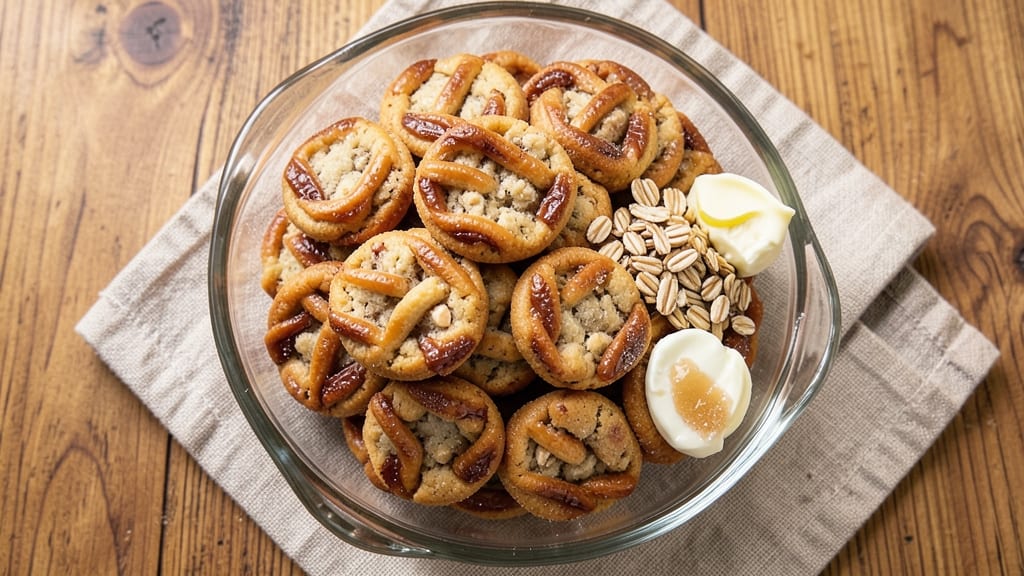
This gluten-free twisted sugar cookie recipe delivers the perfect balance of caramelized swirls and crispy edges without compromising texture or flavor. The secret lies in a precise blend of almond flour and gluten-free oats that mimics traditional cookie structure while accommodating dietary needs.
I've tested countless variations to ensure these cookies stay tender yet sturdy enough to hold their signature twisted shape.
The magic happens when you mix the dough with brown sugar and butter until it reaches that ideal ribbon stage—just thick enough to hold its form but pliable enough to twist.
Baking at 350°F for 10-12 minutes ensures a golden crust with a caramelized center that's irresistibly gooey. The gluten-free flour blend prevents crumbling while maintaining the classic cookie mouthfeel.
What sets these apart is the twisted sugar decoration—each cookie gets its signature swirl by rolling the dough around a wooden stick before baking. This technique creates those iconic caramelized patterns that make them look (and taste) like they came from a bakery.
The result? A batch of cookies that's both visually stunning and packed with buttery, sweet flavor in every bite.
Perfect for holiday gifting, cookie swaps, or satisfying your sweet tooth without guilt. The recipe scales easily, so you can make a full tray without overpowering your kitchen. Let's get baking—these cookies disappear faster than you can say "twisted sugar."
Ingredients for twisted sugar gluten free cookie
Here’s what you’ll need to bake these showstopping gluten-free cookies with caramelized swirls.
| Ingredient | Amount | Notes |
|---|---|---|
| Almond Flour 🌰 | 1 ½ cups | Finely ground, unsweetened |
| Gluten-Free Rolled Oats 🥣 | 1 cup | Certified gluten-free blend |
| Unsalted Butter 🧈 | 1 cup | Cold, cubed for best texture |
| Light Brown Sugar 🍚 | ¾ cup | Packed firmly for accuracy |
| Granulated Sugar 🍬 | ¼ cup | White sugar preferred |
| Large Eggs 🥚 | 2 whole | Room temperature for blending |
| Vanilla Extract 🌿 | 1 tbsp | Pure vanilla preferred |
| Baking Powder 🍞 | 1 tsp | Aluminum-free preferred |
| Salt 🧂 | ½ tsp | Fine sea salt preferred |
| Granulated White Sugar 🍬 | 1 cup | For coating and twisting |
| Wooden Skewers 🪵 | 12 whole | Soaked in water 15 minutes |
The almond flour is the secret to that perfect cookie texture—Bob’s Red Mill or King Arthur are my go-tos for consistency. Grab certified gluten-free oats from the baking aisle (the Bob’s Red Mill brand works great). For the butter, Plugrá is my favorite—it’s rich and holds up well when chilled. If you’re using a different brand, make sure it’s unsalted and cold before mixing. The brown sugar should be packed firmly—no scooping that leaves gaps. Pro tip: Use a scale for accuracy if you’re nervous about packing it right.
No almond flour? Substitute with more gluten-free oats (1:1 ratio), but the texture will be slightly denser. Short on vanilla? Vanilla bean paste works too—just use half the amount. The wooden skewers can be tricky to find—craft stores or Amazon usually have them. If you can’t find them, use lollipop sticks instead, but soak them longer. For the sugar coating, superfine sugar gives the best caramelized look, but regular white sugar works in a pinch. Just pulse it in a food processor first to make it finer. And trust me on the cold butter—room temperature butter makes for greasy dough.
Store the dough in an airtight container in the fridge for up to 3 days—it actually tastes better after a night in the fridge. The baked cookies keep well in a cool, dark place for about 5 days, but they’re best enjoyed fresh. If you’re making a big batch, freeze half the dough on parchment paper before baking—thaw overnight in the fridge before shaping. These cookies reheat beautifully—30 seconds in the microwave brings back that gooey center. Pack them in layers with parchment paper for gifting.
Why You'll Love This Recipe
- No Mixer Needed: I swear by this dough—just smash the almond flour and oats with cold butter until it crumbles, then fold in the sugars. Three minutes of effort, zero cleanup. Honestly, my stand mixer gets jealous of how little attention this gets.
- Caramelized Edge Magic: That twist? It’s all in the brown sugar—crispy, buttery, with a chewy center that’s dangerously addictive. The rolled oats add texture, so you get crunch in every bite without the dryness of regular GF cookies.
- Holiday or Snack Attack: These disappear at parties (my in-laws always ask for the recipe) but work just as well for a 3 PM sugar crash. Freeze half the batch—thawed cookies taste like they’re fresh-baked, and no one will guess they’re gluten-free.
- Pantry Staple Power: Almond flour and oats last forever, and butter + sugar? Always on hand. I’ve made these with store-brand GF oats and still got rave reviews—proof that good flavor doesn’t need fancy ingredients. (Yes, even on a Tuesday night.)
Step-by-step instructions for twisted sugar gluten-free cookies
Let's create these decadent cookies with their signature caramelized swirls and crisp edges.
Prepare the Cookie Dough
In a large mixing bowl, combine the 1.5 cups almond flour, 1 cup gluten-free rolled oats, 1 tsp baking powder, and 0.5 tsp salt. Mix these dry ingredients together until evenly distributed—this ensures consistent texture throughout each cookie.
In a separate bowl, cream together the 1 cup cold unsalted butter, 0.75 cup packed light brown sugar, and 0.25 cup granulated sugar using an electric mixer on medium speed for 3-4 minutes. You'll know it's ready when the mixture lightens in color and becomes fluffy. This creaming process incorporates air, which helps create those signature twisted shapes.
Add the 2 room-temperature large eggs, one at a time, mixing well after each addition. Then stir in the 1 tbsp vanilla extract. Finally, gradually mix in the dry ingredients until just combined—you should still see some oat and almond flour flecks. Overmixing develops gluten, which can make the cookies tough.
Shape and Coat the Dough
Divide the dough into 4 equal portions (about 1 cup each) and roll each portion into a 12-inch rope, about 1-inch thick. This is where the magic happens—keep the ropes smooth but not too tight, as they'll expand slightly in the oven.
Cut each rope into 3 equal pieces (you'll have 12 total pieces). Take one piece and roll it in the 1 cup granulated white sugar until fully coated. Then, wrap it around one of the 12 soaked wooden skewers, pressing gently to secure. Repeat with all pieces, creating 12 twisted sugar ropes on skewers.
Place the skewered ropes on a parchment-lined baking sheet, spacing them about 2 inches apart. The skewers keep them elevated, allowing air to circulate and create those perfect crisp edges. Let them rest for 15 minutes at room temperature before baking—this helps them hold their shape better.
Bake to Golden Perfection
Preheat your oven to 350°F and bake the cookies for 12-15 minutes, or until the edges are deep golden brown and the centers look slightly underdone. The sugar coating will caramelize beautifully during this time, creating those signature twisted patterns.
I like to rotate the baking sheet halfway through for even baking. Watch closely in the last 2 minutes—you want them to be just set in the center but still soft. They'll firm up as they cool. Let them cool on the skewers for 5 minutes before carefully removing them to a wire rack to cool completely.
Serve and Enjoy
Once fully cooled, the cookies will have crisp edges with a soft, chewy center and those beautiful caramelized sugar swirls. Serve them warm for the best texture—the contrast between the crisp exterior and gooey interior is what makes these cookies so special.
These cookies keep well in an airtight container for up to 5 days, though I doubt they'll last that long! For extra indulgence, pair them with a glass of cold milk or a warm cup of coffee. The combination of almond flour and oats gives them a satisfying texture that's perfect for snacking or sharing.
Pro Tips For Making Twisted Sugar Gluten Free Cookie
- Chill the Dough Hard: I learned this the hard way—skipping the fridge means cookies that spread like pancakes. Press the dough into a flat disk, wrap it in plastic, and freeze for at least 2 hours (yes, even if you’re impatient like me). The cold butter stays firm, and your cookies hold their shape instead of turning into sad, flat discs.
- Toast the Oats First: Gluten-free oats can taste bland if you skip this. Dry-toast them in a 350°F oven for 8-10 minutes until they smell nutty and golden. This step makes a real difference—your cookies won’t taste like cardboard, and the texture stays chewy without getting gummy.
- Don’t Overmix the Butter-Sugar: After burning three batches, I finally figured out that creaming the butter and sugars for more than 30 seconds is overkill. The almond flour is already dry; you just need to get the mixture smooth enough to scoop. Any longer, and you’ll end up with dense cookies instead of tender ones.
- Use Room-Temp Butter: Sounds weird, but it works—take the butter out of the fridge 1-2 hours before mixing. Cold butter creates pockets that don’t melt evenly, leading to cookies that bake unevenly or stay doughy in the center. Room-temp butter blends smoothly and guarantees a consistent bake.
Dietary considerations for this recipe
Gluten-Free Flour Blend
The almond flour and gluten-free oats create the perfect texture—almond flour adds richness while oats provide structure. I always use Bob’s Red Mill gluten-free oats because they’re certified and consistent. For extra insurance, pulse the oats in a food processor for 10 seconds to ensure even texture.
If you’re avoiding almonds, substitute with 1:1 cup gluten-free all-purpose flour, but expect a denser cookie. 🌰
Butter and Sugar Balance
Cold butter is non-negotiable—it prevents greasy dough and ensures crisp edges. I recommend Plugrá butter for its high fat content, but any unsalted brand works. The brown sugar adds moisture while granulated sugar helps with caramelization.
For a deeper flavor, replace ½ cup granulated sugar with ½ cup coconut sugar. Pack the brown sugar firmly to avoid under-sweetened cookies. 🍚
Egg and Vanilla Role
Room-temperature eggs blend smoothly and create lift, but don’t overmix—the gluten-free dough is delicate. Pure vanilla extract is best, but if you’re short, vanilla bean paste works in half the amount.
For a nutty twist, add ½ tsp almond extract alongside the vanilla. The eggs also help bind the dough without adding gluten, so don’t skip them! 🥚
Sugar Coating Secrets
Granulated sugar is ideal for coating, but superfine sugar gives a smoother caramelized finish. Pulse regular sugar in a food processor for 30 seconds if needed. Roll each dough piece thoroughly—any gaps will prevent the twisted pattern from forming. For extra crunch, sprinkle with flaky sea salt before baking. 🍬
Wooden Skewers Substitutes
If you can’t find wooden skewers, lollipop sticks work in a pinch—just soak them in water for 20 minutes. For a sturdier hold, use parchment paper strips instead: roll the dough around them, then bake.
Remove carefully to avoid breaking the twisted shape. The skewers are worth finding, though—they’re the key to those perfect caramelized swirls! 🪵
Allergen-Friendly Swaps
For nut-free cookies, replace almond flour with 1.5 cups gluten-free oat flour. If you’re avoiding dairy, use vegan butter, but chill it longer (up to 1 hour) to mimic cold butter’s texture.
For egg-free binding, add 1 tbsp ground flaxseed + 3 tbsp water, mixed and rested for 5 minutes. These swaps keep the recipe gluten-free while accommodating other dietary needs. ✨
Nutrition facts
Frequently asked questions
Why do these gluten-free cookies need wooden skewers?
The skewers create the signature twisted shape while keeping the cookies elevated for even baking. They prevent the dough from spreading too much and help form those beautiful caramelized sugar swirls. Without them, the cookies would flatten and lose their iconic look. Soak the skewers first to prevent burning!
Can I make these cookies without almond flour?
Yes! Replace the 1.5 cups almond flour with 1.5 cups gluten-free oat flour (pulse oats in a food processor first). The texture will be slightly denser but still delicious. For extra richness, add 1 tbsp coconut oil to the butter mixture. Just remember these won't be nut-free if you use almond flour substitutes.
How do I fix if my dough is too sticky?
If the dough feels too soft, chill it for 30-60 minutes before shaping. For extra insurance, add 1-2 tablespoons more gluten-free oats to absorb moisture. The dough should hold its shape when rolled but still be pliable. Too sticky? You likely overmixed the wet ingredients—keep mixing gentle to avoid gluten development.
Can I bake these without the twisted sugar decoration?
Skip the skewers and roll the dough into balls, then flatten slightly. Bake at 350°F for 10-12 minutes until golden. For a different look, press the dough into a sheet and cut into shapes. The flavor stays the same—just the presentation changes! These work great as cookie cutouts for holidays.
Why did my cookies spread too much?
Overmixing the dough or using warm butter are common causes. Always use cold butter and mix just until combined. If the dough feels too soft, chill it longer before shaping. For extra structure, add 1 tablespoon more gluten-free oats. The oven should be fully preheated—cold spots cause uneven baking and spreading.