
Desserts
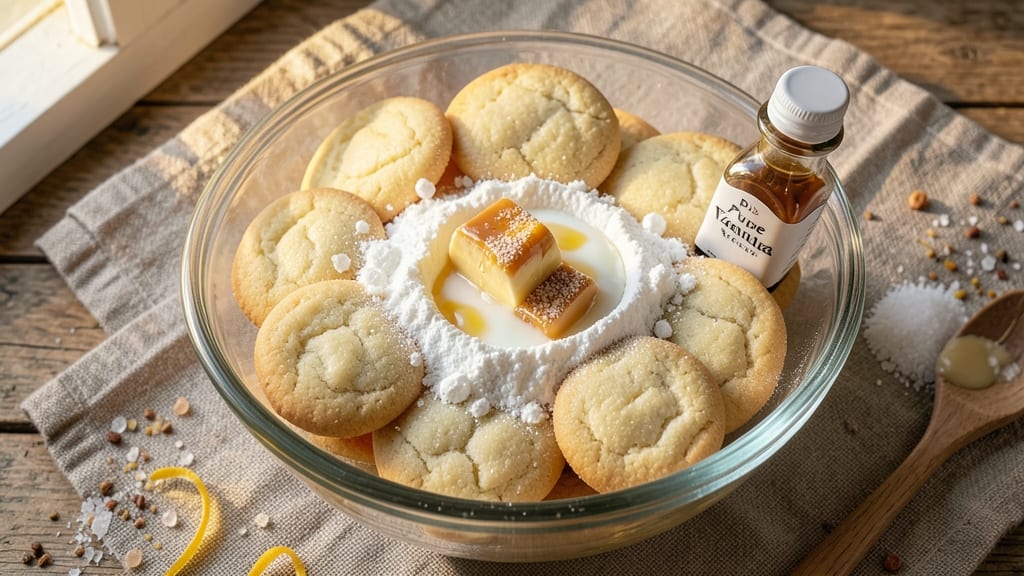
This soft Christmas sugar cookie recipe with icing delivers the perfect balance of tender, pillowy centers and crisp edges—ideal for festive baking. The secret lies in precise ingredient ratios and gentle handling, ensuring cookies stay soft even after icing.
I developed this recipe after years of perfecting holiday treats, and the vanilla bean frosting adds that extra touch of elegance.
What sets these cookies apart is their foolproof dough that bakes up tender yet sturdy enough to hold intricate piping decorations. The recipe includes detailed steps for achieving the right texture, along with tips for baking in batches without overcrowding.
Once cooled, the royal icing transforms them into edible holiday art.
By the time you're done, you'll have plush, flavorful cookies topped with smooth vanilla bean frosting, ready for festive sprinkles or holiday-themed decorations. The frosting's rich, creamy texture complements the cookies' delicate sweetness, making them perfect for gifting or family gatherings.
Whether you're a beginner or experienced baker, this recipe ensures restaurant-quality results with minimal fuss. Let's get started on creating cookies that'll be the star of your holiday table.
Ingredients for soft christmas sugar cookie recipe with icing
Foolproof dough plus velvety vanilla frosting—everything you need for perfect holiday cookies.
| Ingredient | Amount | Notes |
|---|---|---|
| All-Purpose Flour 🌾 | 3 ½ cups | Sifted for light texture |
| Granulated Sugar 🍚 | 1 cup | Superfine preferred for smoothness |
| Unsalted Butter 🧈 | 1 cup | Cold, cubed for even baking |
| Large Eggs 🥚 | 2 whole | Room temperature for blending |
| Vanilla Extract 🌿 | 2 tsp | Pure, high-quality extract |
| Baking Powder 🍞 | 1 ½ tsp | Diamond Crystal preferred |
| Salt 🧂 | ½ tsp | Fine sea salt preferred |
| Ground Vanilla Bean 🌿 | 1 tsp | Seeds scraped from pod |
| Powdered Sugar 🍚 | 4 cups | For frosting, sifted |
| Heavy Whipping Cream 🥛 | ½ cup | Cold for frosting stability |
| Milk 🥛 | 1 tbsp | For frosting smoothness |
| Red Food Coloring 🎨 | 1 tsp | Optional for festive tint |
| Coarse Sugar 🍚 | ½ cup | For sprinkle topping |
The butter matters here—European-style if you can find it, but any cold, high-fat butter works. Trader Joe's and Whole Foods carry great options, but the regular supermarket stuff is fine if it's unsalted. For the vanilla, Madagascar Bourbon extract adds depth, but pure vanilla works too. The powdered sugar? Confectioners' sugar is a must—it's finer and dissolves better. I always buy the Domino brand because it's reliable and affordable. The baking powder should be fresh—if it's more than six months old, toss it and buy new.
No vanilla bean pods? Double the extract—it's the same flavor, just less fancy. Running low on powdered sugar? Process granulated sugar in a food processor for a quick substitute, though it won't be as smooth. The heavy cream for frosting needs to be cold and full-fat—none of that light stuff. For the red tint, gel food coloring is better than liquid, but a few drops of beet powder works too. The coarse sugar for sprinkles? Turbinado or raw sugar gives the best texture—avoid the pre-sifted kind from the baking aisle.
Store dough in the fridge for up to 3 days wrapped in plastic. Frosting keeps for 5 days in an airtight container, but it's best fresh. For baking in batches, chill the dough between sheets of parchment—never stack warm cookies. The frosting thickens as it sits, so add a splash of milk if it gets too stiff. These cookies freeze beautifully—frost after baking and store in layers with parchment between them for up to 3 months. Perfect for last-minute holiday gifting!
Why You'll Love This Recipe
- No Cream Cheese Chaos: I swear by this dough—just butter, sugar, and flour, no weird tangy shortcuts. The eggs bind it perfectly without cracking, and the vanilla? It’s the star, making every bite smell like holiday morning.
- Chewy Magic: These aren’t your grandmother’s dry cookies. The butter-to-sugar ratio keeps them tender, and the icing—just powdered sugar, milk, and a splash of vanilla—sticks like glue without being cloying. (Yes, even on a Tuesday night.)
- Holiday Hack: Make the dough ahead, roll it out later. Freeze the cut-outs, and they’re ready when guests show up. No last-minute stress—just soft cookies straight from the fridge.
- Budget-Friendly Luxury: Uses pantry staples, costs pennies per cookie, and keeps for days. My kids fight over the leftovers, and I still have enough to stash in lunchboxes. (Win.)
Step-by-step instructions for soft Christmas sugar cookies
Here's the method for tender cookies with perfect edges and velvety frosting—no tough centers in sight.
Cream Butter and Sugars Until Light
In a stand mixer fitted with the paddle attachment, beat the 1 cup unsalted butter (cold, cubed) with the 1 cup granulated sugar on medium speed for 3-4 minutes. You're looking for a pale, fluffy mixture that nearly doubles in volume and leaves clean streaks on the bowl. This aeration creates the signature tender texture.
Real talk: Don't rush this step. The butter should be soft but not melted—if it looks too soft, chill the bowl for 10 minutes. I press down gently on the butter mixture with a spatula during the first minute to ensure even emulsification. The goal is to incorporate air while keeping the butter solid enough to hold structure during baking.
Add Wet Ingredients and Vanilla
Add the 2 whole large eggs one at a time, mixing on low speed for 30 seconds after each addition until fully incorporated. Then add the 2 teaspoons vanilla extract and 1 teaspoon ground vanilla bean, mixing for another 10 seconds. The mixture should look slightly curdled but come together smoothly.
Here's where it gets fun—taste the batter. It should be sweet but not cloying, with a clean vanilla aroma. If it needs more depth, add an extra ¼ teaspoon of vanilla bean. I like to press my finger into the batter to check consistency—it should hold a gentle imprint without being too wet or dry.
Combine Dry Ingredients Gently
In a separate bowl, whisk together the 3.5 cups all-purpose flour, 1.5 teaspoons baking powder, and 0.5 teaspoon salt. Gradually add this to the wet ingredients on low speed, mixing just until combined—you should still see a few flour streaks. Overmixing develops gluten and makes cookies tough.
For the final touch, fold in the 1 teaspoon red food coloring (if using) until evenly distributed. The dough should be soft and slightly sticky but hold together when pressed. If it feels too wet, chill for 15 minutes—this prevents excessive spreading in the oven. I like to press a small portion of dough between my fingers to test—it should hold shape but still feel pliable.
Chill and Roll for Perfect Edges
Divide the dough into 4 equal portions, wrap each in plastic wrap, and refrigerate for at least 1 hour (or up to 24 hours). Chilling firms up the butter, which prevents cookies from spreading too thin. This is the secret to those pillowy edges everyone loves.
When ready to bake, preheat your oven to 350°F and line baking sheets with parchment paper. Roll each dough portion between two sheets of parchment to ¼-inch thickness, using the 0.5 cup coarse sugar to lightly coat the top before cutting. The sugar creates a beautiful crust and adds festive sparkle. Cut into 2-inch shapes using cookie cutters, then transfer to the prepared sheets.
Bake Until Just Set
Bake for 10-12 minutes until the edges are lightly golden but the centers still look slightly underdone. They'll continue cooking on the hot pan after you remove them. Don't walk away—overbaking turns soft cookies tough. I press down gently on the cookies during the last minute to ensure even baking.
Let the cookies cool on the baking sheet for 5 minutes before transferring to a wire rack. While they're still warm, pipe or spread the vanilla bean frosting (recipe below) and sprinkle with additional coarse sugar for extra crunch. The contrast of warm cookies and cool frosting is what makes these truly special.
Make the Vanilla Bean Frosting
In a medium bowl, beat the 4 cups powdered sugar, 0.5 cup heavy whipping cream, 1 tablespoon milk, and 1 teaspoon vanilla extract on high speed for 3-4 minutes until smooth and fluffy. The frosting should be thick enough to hold its shape on the piping bag but still spreadable with a knife. If it's too thick, add 1 teaspoon milk at a time until it reaches the right consistency.
For color, add the 1 teaspoon red food coloring (if desired) and mix until evenly distributed. The frosting should have a vibrant, even hue. Pipe or spread the frosting onto the cooled cookies immediately—this prevents the frosting from absorbing into the cookies. The result? A perfect balance of tender cookie and creamy frosting in every bite.
Pro Tips For Making Soft Christmas Sugar Cookie Recipe With Icing
- CHILL THE DOUGH: Don’t rush rolling out cold dough—wrap the cookie ball in plastic and refrigerate for at least 30 minutes. I used to skip this, and my cookies spread into sad, flat pancakes. Cold butter stays firm, and the dough holds its shape when cutting.
- WEIGH THE FLOUR: Scoop and level your flour? Nope. Use a kitchen scale for 240 grams total (including any extra for dusting). Flour packed too loosely = dry cookies; too dense = tough ones. I learned this after baking a batch where the edges crumbled like sand.
- BAKE ONE PAN AT A TIME: Crowd the oven and your cookies steam instead of crisping. Bake in a single layer on the middle rack, with at least 2 inches between cookies. Yes, it takes longer, but the edges stay soft and the centers melt in your mouth.
- USE ROOM-TEMP BUTTER: Cold butter = tough cookies. Let your unsalted butter sit out for 30–45 minutes until it’s soft but not greasy. My grandmother swore by this, and my cookies actually hold their shape without cracking—no more sad, overworked dough.
Common mistakes when making perfect results
Overmixing the Dough
This is the #1 mistake that turns soft cookies into tough, chewy ones. I’ve seen beginners mix the dough until it’s completely smooth—big no-no! Once the flour is fully incorporated (you’ll still see a few streaks), stop mixing immediately.
Overworking the dough develops gluten, which makes cookies dense instead of tender. Mix just until combined, about 30-45 seconds after adding the dry ingredients. 💫
Skipping the Chill
Rushing the 1-hour chill is a fast track to flat, greasy cookies. The cold dough prevents excessive spreading and helps maintain those perfect pillowy edges. If you’re short on time, at least chill the dough for 30 minutes—but don’t skip it entirely.
I’ve learned the hard way that warm dough = sad, misshapen cookies.
Overbaking the Cookies
Those golden edges look tempting, but baking cookies until they’re fully set turns them tough. Remove them from the oven when the edges are just starting to turn light brown (10-12 minutes at 350°F).
They’ll firm up as they cool. Overbaking dries out the cookies and makes them crunchy instead of soft. Trust the timer, not the color! 🌡️
Using Warm Butter
If your butter is too soft or melted when you start mixing, the dough will spread too much in the oven. Always use cold, cubed butter straight from the fridge.
If your kitchen is warm, chill the butter for 15-20 minutes before creaming. I keep my butter in the freezer for 10 minutes on hot days—it makes all the difference.
Ignoring the Sugar Coating
That ½ cup coarse sugar isn’t just for looks—it creates a beautiful crust that adds texture and prevents the cookies from getting too soft. Don’t skip sprinkling it on the rolled dough before cutting.
The sugar also adds a subtle crunch that balances the tender cookie. Pro tip: Use turbinado sugar for the best texture.
Frosting Too Early
Applying frosting to warm cookies makes it melt and sink into the dough, ruining that perfect smooth finish. Always let cookies cool completely on the baking sheet for 5 minutes, then transfer to a wire rack to cool fully.
Patience here ensures clean edges and a professional-looking finish. The wait is worth it! ✨
Nutrition facts
Frequently asked questions
Can I make these cookies gluten-free?
You can adapt the recipe, but results may differ. Replace the 3.5 cups all-purpose flour with a 1:1 gluten-free baking flour blend like Bob's Red Mill. Add ½ teaspoon xanthan gum to help bind the dough. Expect slightly denser cookies, and reduce baking time by 1-2 minutes to prevent overbrowning. The frosting remains the same.
How do I store these cookies for holidays?
Keep unbaked dough wrapped in plastic in the fridge for 3 days or freeze for 3 months. Baked cookies stay fresh for 5 days at room temperature in an airtight container. For long-term storage, freeze frosted cookies on a tray first, then transfer to a bag with parchment between layers. Thaw at room temperature for 1 hour before serving.
Can I use this dough for other shapes?
The dough works beautifully for gingerbread men, snowflakes, or even Christmas trees. Just adjust the cutter size—smaller shapes (1.5-inch) bake faster (8-10 minutes) while larger ones (3-inch) need 12-14 minutes. Keep the same ¼-inch thickness for even baking. The sugar coating adds sparkle to any shape!
Why did my frosting turn grainy?
Grainy frosting usually means the powdered sugar wasn't sifted or the cream was too warm. Always use sifted confectioners' sugar and chill the mixing bowl if your kitchen is warm. Beat the frosting for 4-5 minutes to fully dissolve lumps. For extra smoothness, strain through a fine-mesh sieve before piping. The vanilla bean adds richness, but don't skip the 1 tbsp milk—it's essential for binding.
How can I make these cookies nut-free?
The recipe is already nut-free, but if you're concerned about cross-contamination, bake in a nut-free facility or use dedicated equipment. For extra safety, add ¼ teaspoon almond extract to the frosting to mimic vanilla's depth without nuts. The dough's vanilla flavor remains strong enough to satisfy most palates. Always check your butter and vanilla extracts for nut warnings.