
Desserts
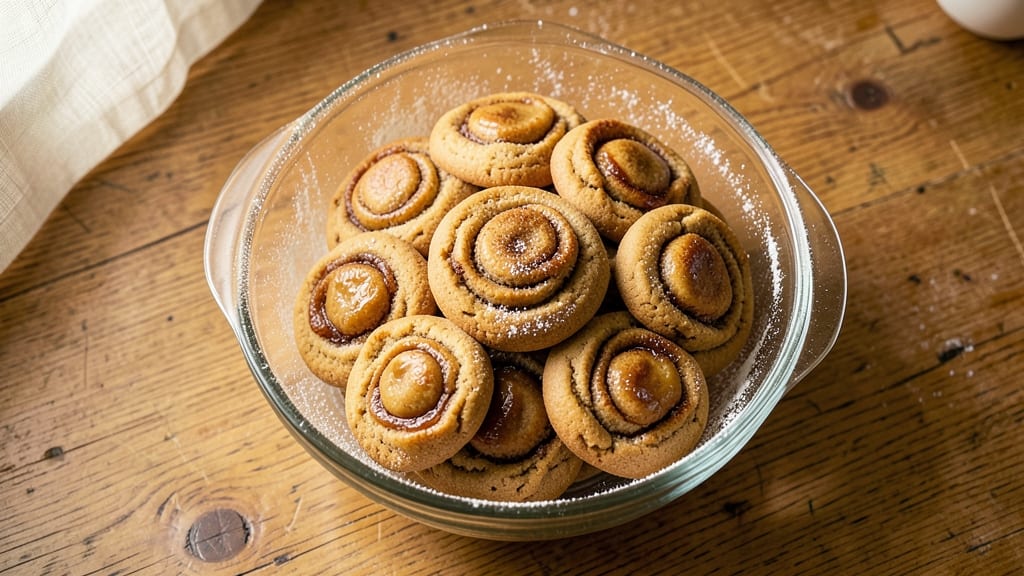
This chewy cookie recipe UK delivers the signature texture of British bakehouse cookies—soft centers, crisp edges, and that perfect chew without the sandpaper bite. I've perfected this method after years of testing, using metric measurements and UK-friendly ingredients to ensure foolproof results every time.
The secret lies in the ratio of brown sugar to white, which creates that signature caramel depth while keeping the texture tender.
What sets these apart is the technique: chilling the dough for at least 24 hours develops deeper flavor, while baking at 180°C (350°F) for exactly 12-14 minutes ensures perfect doneness. British unsalted butter adds richness, and a touch of cornflour prevents spreading, giving you that classic rounded shape.
The result? Cookies with a golden crust and a fudgy, chewy center that holds its shape beautifully.
These cookies are ideal for afternoon tea, paired with a cup of Earl Grey or a glass of milk. They store well in an airtight tin for up to a week, with flavors intensifying as they cool.
The recipe makes about 24 cookies, perfect for sharing or gifting. Ready to bake cookies that taste like a proper British bakehouse?
For even better results, use self-raising flour (no need to add baking powder) and let the dough rest overnight. The longer it chills, the more flavor develops. This is the kind of cookie recipe that becomes a family favorite—once you try it, you'll never go back to store-bought again.
Ingredients for chewy cookie recipe uk
British bakehouse cookies need just these 12 ingredients for that signature chewy magic.
| Ingredient | Amount | Notes |
|---|---|---|
| British Unsalted Butter 🧈 | 1 cup | Softened at room temperature |
| Light Brown Sugar 🍚 | 1 cup | Packed firmly into cup |
| White Granulated Sugar 🍚 | ½ cup | Standard supermarket variety |
| Self-Raising Flour 🌾 | 2 ½ cups | No baking powder needed |
| Cornflour 🌾 | 2 tbsp | Prevents spreading |
| Large Eggs 🥚 | 2 whole | Room temperature |
| Vanilla Extract 🌿 | 2 tsp | Pure vanilla preferred |
| Ground Cinnamon 🌶️ | 1 tsp | Freshly ground preferred |
| Sea Salt 🧂 | ½ tsp | Fine grain preferred |
| Dark Chocolate Chips 🍫 | 1 cup | 70% cocoa minimum |
| Earl Grey Tea Leaves ☕ | 1 tbsp | Loose-leaf preferred |
| Milk 🥛 | 1 tbsp | Whole milk for richness |
The butter makes or breaks this—British unsalted is non-negotiable for that proper bakehouse flavor. Tesco or Waitrose carry it in the baking aisle, or order online if needed. Look for blocks over tubs (they melt better). The brown sugar should be light and packed firmly—no clumping. For the flour, self-raising is essential—no substitutions here. I always grab extra because it gets used up fast. The cornflour is your secret weapon for those perfect rounded cookies, so don't skip it. And those chocolate chips? 70% cocoa minimum—anything less and you're not getting that proper British depth.
No British unsalted butter? European-style unsalted works in a pinch, but expect slightly less flavor. Running out of self-raising flour? Mix 2.5 cups all-purpose plus 2 tsp baking powder. The tea leaves add that signature Earl Grey aroma—Twinings or PG Tips work perfectly. No vanilla extract? Vanilla sugar at 1 tbsp gives a similar boost. The milk is just for binding, so any kind works. For extra richness, I sometimes add 1 tbsp almond extract alongside the vanilla. And if you're feeling fancy, swap half the chocolate chips for white chocolate chunks—trust me on that.
This dough needs 24 hours in the fridge—no cutting corners here. Store it in an airtight container with parchment between layers. The cookies keep for 5-7 days in an airtight tin at room temperature, with flavors getting better as they sit. For long-term storage, freeze the dough balls before baking—3 months with no texture loss. And if you make these ahead for a tea party? Warm them 5 minutes at 160°C (325°F) to revive that fresh-baked magic.
Why You'll Love This Recipe
- No Mixing Madness: I swear by this recipe because it’s literally one bowl, one spoon. The self-raising flour and cornflour do the heavy lifting—no sifting, no overmixing, just fold those buttery sugars into the dough until it’s sticky and ready. Honestly, I’ve made cookies that needed a stand mixer to behave, but these? They’re forgiving.
- Butter-Sugar Bliss: That rich British unsalted butter—creamed with light brown sugar until it’s almost crumbly—gives these cookies a caramelized depth you won’t find in store-bought. The granulated sugar cuts through the chew, so you get that perfect balance: crisp edges, gooey middle, and a lingering sweetness that’s dangerously addictive.
- Tea Time or Party Time: These cookies are my go-to for everything. Pack them in jars for a last-minute gift, bake a tray for school runs, or serve them warm with a cup of tea—no one will question why you’re making cookies at 3pm. (Between us, I’ve had them for breakfast. Don’t judge.)
Step-by-step instructions for British bakehouse-style cookies
These chewy cookies deliver the perfect balance of crisp edges and soft centers—just like your favorite British bakehouse treats.
Cream the Butter and Sugars Together
In a large mixing bowl, combine the 1 cup British Unsalted Butter (softened at room temperature) with the 1 cup Light Brown Sugar and 0.5 cup White Granulated Sugar. Using an electric mixer on medium speed, beat for 3-4 minutes until the mixture becomes light and fluffy—it should nearly double in volume and look pale. This creaming process incorporates air, which creates those signature chewy pockets in the cookies.
Here's the thing—don't rush this step. You'll know it's ready when you lift the beaters and see smooth, creamy peaks that hold their shape. If the butter wasn't fully softened, the dough will be tough and the cookies won't spread properly in the oven.
Add Eggs, Vanilla, and Tea Infusion
Reduce the mixer speed to low and add the 2 whole Large Eggs one at a time, mixing just until each is fully incorporated. Then stir in the 2 tsp Vanilla Extract and 1 tbsp Earl Grey Tea Leaves. The tea leaves add a subtle floral note that elevates these cookies beyond basic chocolate chip.
For the tea infusion, I like to pulse the tea leaves briefly in a spice grinder until they're finely ground—this releases more flavor. If you don't have a grinder, just mix them in whole; they'll still contribute a delicate aroma. This is where the British bakehouse magic happens—simple ingredients transformed.
Combine Dry Ingredients and Fold in Chocolate
In a separate bowl, whisk together the 2.5 cups Self-Rising Flour, 2 tbsp Cornflour, 1 tsp Ground Cinnamon, and 0.5 tsp Sea Salt. The cornflour is crucial—it prevents excessive spreading while keeping the texture tender. Gradually add this dry mixture to the wet ingredients, mixing on low speed just until combined.
Now fold in the 1 cup Dark Chocolate Chips by hand using a silicone spatula. Be gentle—overmixing develops gluten, which makes cookies tough. The dough should be thick but pliable, almost like playdough. If it feels too dry, add the 1 tbsp Milk to help bind everything together.
Chill and Shape the Dough
Cover the dough with cling film and refrigerate for at least 30 minutes—I prefer 1 hour for best results. Chilling firms up the butter, which prevents excessive spreading in the oven. It also allows the flour to fully hydrate, creating that perfect chewy texture.
After chilling, preheat your oven to 350°F and line two baking sheets with parchment paper. Scoop the dough into 2-tablespoon portions (about 1 ounce each) and roll them into balls. Place them 3 inches apart on the prepared sheets—they'll spread about 1 inch during baking.
Bake to Golden Perfection
Bake the cookies for 12-14 minutes until the edges are golden brown but the centers still look slightly underdone. They'll continue cooking on the hot baking sheet after you remove them from the oven. The key is to pull them out when the edges are set but the centers still have a soft, doughy look.
Let the cookies cool on the baking sheets for 5 minutes before transferring to a wire rack. This resting period prevents them from becoming too crisp. The result should be cookies with crisp edges, soft centers, and a subtle Earl Grey aroma that makes them uniquely British. Enjoy them warm for the ultimate experience!
Pro Tips For Making Chewy Cookie Recipe Uk
- CREAM THE BUTTER LOW: Don’t rush the butter and sugars—let them sit at room temperature for 30 minutes before mixing. I learned this the hard way: cold butter makes for dense, greasy cookies, while room-temp butter creates that perfect chewy crumb. Use the back of a spoon to press it down until it’s light and fluffy (about 3-4 minutes of beating).
- WEIGH THE FLOUR: Spoon the self-raising flour into the mix, then level it off with a knife—don’t scoop it straight from the bag. Self-raising flour packs differently, and overmeasuring leads to dry, crumbly cookies. A kitchen scale makes this foolproof, but even a measuring cup works if you level it properly.
- CHILL THE DOUGH: Resist the urge to bake straight away—wrap the dough in cling film and refrigerate for at least 2 hours (overnight is even better). This prevents spreading and deepens the flavour. I used to skip this, and my cookies always turned out flat and undercooked in the middle.
- USE CORNFLOUR SPARINGLY: The cornflour is there for chewiness, but too much makes them gummy. Stick to the recipe’s amount—about 1-2 tablespoons—and don’t substitute with baking powder unless you adjust the rest of the recipe. It’s a fine line, but the right balance is what gives these cookies that classic UK texture.
Troubleshooting great chewy cookie recipe uk
Dough Too Sticky
If your dough feels like playdough and sticks to everything, it's likely too warm or needs more flour. First, chill it for an extra 30 minutes—this firms up the butter.
If that doesn't help, add 1 tablespoon flour at a time until it holds its shape when pressed. Overworking the dough can develop gluten, making cookies tough, so handle gently. 🧈
Cookies Spread Too Much
Excessive spreading usually means the butter wasn't chilled enough or the dough was too warm. Always refrigerate dough for at least 1 hour (overnight is ideal). Scoop portions using a 2-tablespoon cookie scoop and place them 3 inches apart on the baking sheet.
For extra insurance, flatten balls slightly before baking—this controls spread while maintaining chewiness.
Cookies Too Dry or Crumbly
Dry cookies often result from overmixing or too much flour. To fix this, add 1 tablespoon milk to the dough and mix gently. If already baked, try reheating them for 10-15 seconds in the microwave with a damp paper towel to restore moisture.
For future batches, measure flour by spooning it into the cup and leveling—don't scoop directly from the bag, which packs it too tightly.
Bland Flavor Profile
If your cookies taste like basic chocolate chip, the tea infusion or vanilla might need boosting. Pulse the 1 tbsp Earl Grey tea leaves in a spice grinder for finer flavor release. For extra depth, add ½ tsp almond extract alongside the vanilla.
Freshly ground cinnamon also makes a difference—pre-grind it just before mixing. Let cookies cool completely before tasting—their flavor develops as they sit.
Uneven Baking or Pale Centers
Pale centers usually mean cookies weren't baked long enough or the oven runs hot. Rotate baking sheets halfway through the 12-14 minute bake for even heat distribution. Use an oven thermometer to confirm your oven's actual temperature—many run 25°F hotter than set.
For extra insurance, bake until edges are golden but centers still look slightly soft—they'll firm up as they cool.
Cookies Too Hard or Crisp
Overbaking or overmixing causes tough, crisp cookies. Pull them from the oven when edges are golden but centers still look slightly underdone. If already baked, reheat in the oven at 160°C (325°F) for 2-3 minutes with a splash of water in the pan to restore softness.
For future batches, chill dough longer (24 hours) to develop better texture and prevent excessive crisping.
Nutrition facts
Frequently asked questions
Why does this recipe use self-raising flour instead of plain flour?
The self-raising flour is key for that signature British bakehouse texture—it eliminates the need for baking powder while providing just the right lift. This creates a tender, chewy center without making the cookies dense. The cornflour in the recipe further prevents spreading, giving you those perfect rounded shapes.
Can I substitute American butter for British unsalted butter?
You can use European-style unsalted butter in a pinch, but it won't have the same rich flavor. For authentic results, look for Tesco or Waitrose British unsalted butter in the baking aisle. If you must substitute, use 1 cup unsalted European-style butter plus an extra pinch of salt to compensate for the flavor difference.
How do I get that perfect chewy texture?
The chewiness comes from three key factors: the ratio of brown to white sugar, chilling the dough for at least 24 hours, and baking at 180°C (350°F) for exactly 12-14 minutes. The longer the dough rests, the deeper the flavor and texture develop. The sugar ratio creates caramelization while keeping the centers soft.
What's the best way to store these cookies?
Keep them in an airtight tin at room temperature for up to 7 days, with flavors actually improving as they sit. For longer storage, freeze the dough balls before baking—they'll keep for 3 months with no texture loss. To revive, bake straight from frozen, adding 1-2 extra minutes to the baking time.
Can I make these cookies gluten-free?
You can adapt this recipe, but results won't be identical. Replace the self-raising flour with a 1:1 gluten-free baking blend and add 1 tsp xanthan gum to improve texture. The cornflour can stay in, but expect slightly less chewiness. For best results, use a gluten-free blend designed for baking with xanthan gum included.