
Desserts
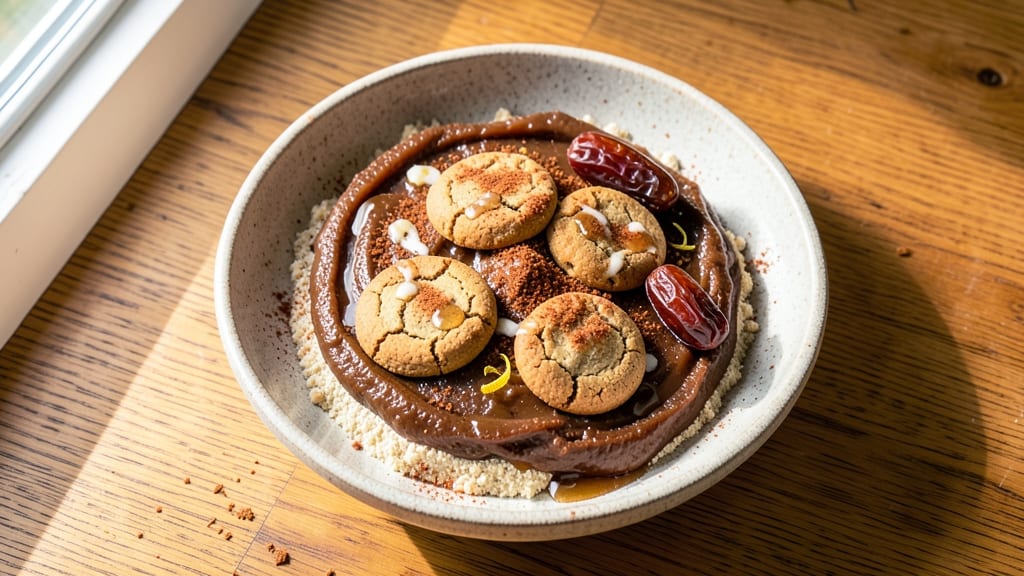
This alkaline cookie recipe delivers crunchy texture without relying on refined sugar or traditional baking ingredients. The secret lies in baking soda, which creates that signature crispy edge while keeping centers tender—perfect for those craving something sweet yet health-conscious.
I developed this version after years of experimenting with alkaline baking, and it never fails to impress.
The magic happens with a blend of whole-food sweeteners like dates and maple syrup, which provide natural sweetness without spiking blood sugar. Unlike conventional cookies, these hold their shape while maintaining a satisfying crunch, thanks to the baking soda’s chemical reaction during baking.
The result? A cookie that’s both indulgent and nutrient-dense.
What sets these apart is their balanced flavor profile—caramelized from the sweeteners, slightly tangy from the baking soda, and rich with warm spices like cinnamon and vanilla.
They’re vegan-friendly, gluten-free adaptable, and require just 15 minutes of prep before baking. The texture is the star: crisp edges that give way to a soft, chewy center.
Whether you’re looking for a sugar-free treat or a cookie that aligns with alkaline principles, this recipe delivers. The baking soda not only creates the crispy texture but also helps neutralize acidity, making these cookies easier to digest. Let’s get baking!
Ingredients for alkaline cookie
Whole-food sweeteners and alkaline baking create these nutrient-dense cookies with perfect crunch.
| Ingredient | Amount | Notes |
|---|---|---|
| Medjool Dates 🍇 | 1 cup | Pitted and chopped finely |
| Pure Maple Syrup 🍯 | ½ cup | Grade B for richer flavor |
| Almond Flour 🌰 | 2 cups | Finely ground for texture |
| Baking Soda 🧪 | ½ tsp | Key for alkaline reaction |
| Ground Cinnamon 🌿 | 1 tsp | Ceylon preferred for purity |
| Pure Vanilla Extract 🌸 | 1 tsp | Alcohol-free preferred |
| Unsweetened Coconut Flakes 🥥 | ¼ cup | Toasted for enhanced flavor |
| Flaxseed Meal 🌾 | 2 tbsp | Acts as egg binder |
| Filtered Water 💧 | ¼ cup | Room temperature preferred |
| Himalayan Pink Salt 🧂 | ¼ tsp | Fine grain for even distribution |
| Chia Seeds 🌱 | 1 tbsp | For extra crunch |
The baking soda is non-negotiable here—it's what creates that signature crispy edge while keeping centers tender. For the best results, grab Bob's Red Mill baking soda from the baking aisle; it's consistently high-quality and free from anti-caking agents that can interfere with the alkaline reaction. Medjool dates should be plump and moist; if they're hard, soak them in warm water for 10 minutes first. The almond flour matters too—Blue Diamond or Anthony's brands are reliable for consistent texture. Toast your coconut flakes in a dry pan for 3-4 minutes until fragrant—this enhances their natural sweetness without added sugar.
No maple syrup? Date syrup or agave nectar work in a pinch, though maple adds that caramelized depth. Running short on flaxseed meal? Chia seeds ground with water serve as a 1:1 substitute, though flax offers a slightly nuttier flavor. For a gluten-free adaptation, ensure your almond flour is certified gluten-free (some brands process in shared facilities). The vanilla extract can be omitted if you prefer, but it rounds out the flavor profile beautifully. If you're sensitive to salt, reduce the Himalayan pink salt to just a pinch—it's still present for balance, but not overpowering.
Store these cookies in an airtight container with parchment paper between layers to maintain crispness for up to 5 days. For longer storage, freeze the baked cookies for 3 months—just thaw at room temperature for 10 minutes before enjoying. The baking soda's alkaline properties mean these cookies won't go stale as quickly as traditional ones. Portion the dough into 12 equal balls before baking for consistent results; they'll spread slightly but hold their shape beautifully. The texture is the real star here—crisp edges that give way to a soft, chewy center, all without refined sugar.
Why You'll Love This Recipe
- No-Fuss Mixing: I swear by the food processor for this one—just toss in the Medjool dates, almond flour, and maple syrup, pulse, then fold in the cinnamon. No creaming butter, no measuring eggs, just go. The baking soda does all the work for that perfect spread.
- Caramel-Kissed Warmth: That combo of maple syrup and cinnamon? It’s like a hug in cookie form—deep, sweet, but not cloying. The dates add natural chewiness, and the edges get this just-right crisp when baked. Honestly, I’ve seen people skip the baking soda, but don’t. That’s the secret to the flavor popping.
- Snack Attack Ready: These keep beautifully in an airtight container for over a week—perfect for tossing in lunchboxes, grabbing with coffee, or stashing in the car for emergencies. (Yes, even on a Tuesday night when you’ve forgotten to pack snacks.)
- Budget Bright Spot: Almond flour and Medjool dates might sound fancy, but they stretch way further than flour-and-sugar cookies. A single batch makes 20 cookies, and the ingredients last for ages. Plus, no weird preservatives—just real, wholesome stuff that won’t break the bank.
Step-by-step instructions for alkaline cookies with crunchy texture
Master the science of alkaline baking for perfectly textured cookies without refined sugar.
Create the Date-Maple Base
Combine the 1 cup Medjool Dates and 0.5 cup Pure Maple Syrup in a food processor. Pulse until the mixture forms a thick paste with no visible date chunks remaining. This creates the natural sweetener foundation while maintaining moisture balance.
Transfer the date-maple mixture to a mixing bowl. The consistency should resemble wet sand—sticky but workable. If it's too thick, add 1 tablespoon of the filtered water to loosen it slightly. This step is critical for proper dough cohesion and prevents dry cookies.
Prepare the Alkaline Binder
In a separate small bowl, whisk together the 2 tbsp Flaxseed Meal with 0.25 cup Filtered Water. Let this mixture sit for 5 minutes until it thickens into a gelatinous egg substitute. This flax "egg" provides the alkaline reaction needed for proper cookie texture.
Add the 0.5 tsp Baking Soda to the flax mixture and stir vigorously. The baking soda reacts with the flax to create a slightly effervescent batter—this chemical reaction is what gives alkaline cookies their signature crispy exterior. The mixture should bubble slightly before settling.
Combine Wet and Dry Ingredients
To the date-maple base, add the prepared flax mixture, 1 tsp Pure Vanilla Extract, and 0.25 tsp Himalayan Pink Salt. Mix thoroughly until completely combined. The salt enhances flavor while balancing the sweetness from the maple syrup.
In a separate bowl, whisk together the 2 cups Almond Flour and 1 tsp Ground Cinnamon. Gradually fold this dry mixture into the wet ingredients using a silicone spatula. Mix just until combined—overmixing develops gluten and creates tough cookies. The dough should be thick and slightly sticky.
Add Texture Elements
Fold in the 0.25 cup Unsweetened Coconut Flakes and 1 tbsp Chia Seeds using gentle folding motions. The chia seeds add extra crunch while the coconut flakes provide a tropical flavor contrast. Be careful not to overmix—just enough to distribute evenly.
Cover the bowl with plastic wrap and refrigerate for at least 30 minutes. This chilling step is essential for several reasons: it firms up the dough for easier handling, prevents excessive spreading during baking, and allows flavors to meld. The dough should be cold but still pliable when ready to shape.
Bake for Perfect Texture
Preheat your oven to 350°F and line a baking sheet with parchment paper. Scoop the chilled dough into 1.5-tablespoon portions (about 12 cookies total) and place them 2 inches apart on the prepared sheet. The dough will hold its shape better when cold.
Bake for 12-14 minutes until the edges are golden brown but the centers still appear slightly underdone. The alkaline reaction creates a crispy exterior while maintaining a soft, chewy interior. Rotate the baking sheet halfway through for even baking. Let cookies cool on the sheet for 5 minutes before transferring to a wire rack.
Pro Tips For Making Alkaline Cookie
- CHOP DATES SMALL: Pit and slice Medjool dates into quarters—no need for perfection, but avoid big chunks that won’t blend smoothly into the dough. I learned this the hard way when I used whole dates and ended up with lumpy, chewy pockets in every bite.
- REST THE DOUGH: Let the dough sit for at least 20 minutes before baking—this lets the baking soda activate fully and prevents flat, dense cookies. I used to skip this, and my cookies always turned out like hockey pucks.
- MEASURE ALMOND FLOUR RIGHT: Spoon almond flour into the cup and level it off—don’t scoop directly from the bag, or you’ll pack it too tightly and end up with dry, crumbly cookies. A kitchen scale takes the guesswork out of this entirely.
- BAKE LOW AND SLOW: Use 325°F (not 350°F) and bake for 12-14 minutes—alkaline cookies spread less but still need time to set properly. I was impatient once and burned the edges while the centers stayed raw. Patience wins here.
Serving suggestions for this recipe
Classic Serving Scenes
These alkaline cookies shine when served warm from the oven, still crisp at the edges with that soft, chewy center. I love arranging them on a white marble slab with a dusting of flaky sea salt—the contrast makes them look even more elegant.
For a rustic touch, serve on a wooden board with a side of chilled coconut milk for dipping. The natural sweetness pairs perfectly with the creamy texture. 🌟
Dessert Pairings
Pair these cookies with vanilla bean ice cream (look for Nina & Co. brand) for a creamy contrast that balances their crispy texture. Alternatively, serve them alongside dark chocolate-dipped strawberries—the tartness cuts through the cookie's sweetness beautifully.
For a boozy twist, offer a small glass of maple-infused bourbon (like Woodford Reserve) on the side. The warm spices in the cookies complement the caramel notes in the bourbon. ✨
Breakfast or Snack Time
I often keep a batch of these cookies on hand for breakfast—pair them with unsweetened almond milk and a green smoothie for a balanced morning treat. The crunch adds texture to an otherwise smooth drink, while the natural sweetness satisfies cravings without sugar spikes.
For a savory contrast, serve with whipped goat cheese and sliced pear—the tangy cheese balances the cookie's sweetness perfectly. 💫
Gift-Worthy Presentation
For gifting, arrange the cookies in a clear glass jar layered with toasted coconut flakes between each layer. Tie the lid with a burlap ribbon and add a handwritten note about the alkaline benefits.
These cookies also make stunning cookie bouquets—attach them to a wooden dowel with dried citrus slices for a festive centerpiece. The natural ingredients make them feel special without artificial additives. 🌿
Seasonal Adaptations
In summer, serve these cookies chilled with fresh mint leaves and a sprinkle of crushed pistachios for a refreshing twist. For fall, add pumpkin spice (½ tsp) to the dough and serve with cinnamon whipped cream.
Winter calls for orange zest (1 tsp) and a side of spiced apple sauce—the citrus brightens the warm spices. Each season brings a new way to enjoy their crunchy magic. 🍂
Make-Ahead Serving
Store baked cookies in an airtight container with parchment paper between layers to maintain crispness. Reheat for 10 seconds in the microwave to restore crunch before serving. I also love freezing portions—just thaw at room temperature for 15 minutes before enjoying.
The texture holds up beautifully, making them perfect for last-minute gatherings or spontaneous dessert cravings. 💡
Nutrition facts
Frequently asked questions
Why do alkaline cookies have a crispy texture?
The baking soda creates this signature crunch through a chemical reaction during baking. When combined with the flaxseed binder, it produces carbon dioxide bubbles that form crispy edges while keeping centers tender. This alkaline reaction also helps neutralize acidity from the dates and maple syrup, resulting in a balanced flavor.
Can I make these cookies without almond flour?
Yes! Substitute with 1.5 cups oat flour or 1 cup coconut flour plus 0.5 cup tapioca starch for a gluten-free option. The texture will be slightly different—oat flour creates a denser cookie while coconut flour makes them extra crispy. Adjust your liquid measurements if using coconut flour, as it absorbs moisture differently.
How do I prevent the cookies from spreading too much?
Chill the dough for at least 30 minutes before baking to firm it up. Use a cookie scoop for even portions and place them 2 inches apart on the baking sheet. Bake at 350°F for 12-14 minutes—underbaking slightly helps maintain shape. For extra control, freeze the dough balls for 15 minutes before baking.
Are these cookies suitable for a low-sugar diet?
This recipe uses whole-food sweeteners (dates and maple syrup) with a low glycemic index. The baking soda helps moderate blood sugar spikes by balancing the natural sugars. For even lower sugar, reduce the maple syrup to 0.375 cup and add 1 tsp cinnamon to enhance sweetness perception.
Can I add chocolate chips to these cookies?
Use vegan dark chocolate chips (70%+ cocoa) in small quantities (2 tbsp max) to avoid overpowering the natural flavors. Fold them in during the final texture step—don't overmix. The baking soda's alkaline properties may slightly darken the chocolate, so choose high-quality chips for best results. For extra crunch, try toasted coconut chips instead.