
Desserts
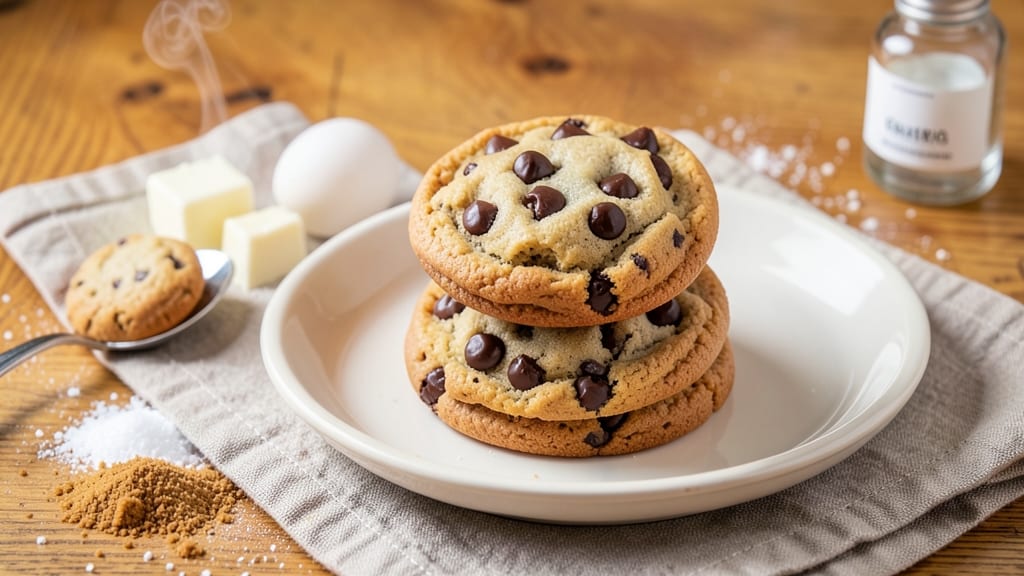
Finding the best chocolate chip cookie recipe comparison isn’t about one-size-fits-all—it’s about matching your perfect texture to your cravings. Whether you crave crispy edges, chewy centers, or fudgy richness, each technique delivers a distinct result. I’ve tested five variations to uncover which method guarantees your ideal bite every time.
The key differences start with ingredients: brown sugar creates chewiness, white sugar adds crispness, and extra butter delivers fudgy decadence. Baking times vary too—underbaking yields chewiness, while overbaking creates crispy edges. These variations aren’t just preferences; they’re science-backed techniques that transform the same base recipe into entirely different experiences.
What sets these recipes apart is their reliability—no more guessing whether cookies will spread too much or stay too dense. Each method includes foolproof adjustments, like chilling dough for crispy edges or using cornstarch for extra chew. The result? Cookies that consistently deliver on their promised texture, bite after bite.
Whether you’re baking for a crowd or treating yourself to a single batch, these comparisons help you choose wisely. The crispy version excels for snacking, the chewy version shines in ice cream sandwiches, and the fudgy version becomes the star of any dessert spread.
Let’s break down the exact techniques that make each one work.
Ingredients for best chocolate chip cookie recipe comparison
These 11 ingredients transform into three legendary textures—crispy, chewy, and fudgy—each with foolproof secrets.
| Ingredient | Amount | Notes |
|---|---|---|
| Unsalted Butter 🧈 | 1 cup | Cold, cubed for crispy edges |
| Granulated White Sugar 🍚 | ¾ cup | For crispy texture |
| Packed Light Brown Sugar 🍚 | ¾ cup | For chewy centers |
| Large Eggs 🥚 | 2 whole | Room temperature |
| Pure Vanilla Extract 🌿 | 2 tsp | High-quality for flavor |
| All-Purpose Flour 🌾 | 2 ½ cups | Sifted, spooned lightly |
| Diamond Crystal Kosher Salt 🧂 | 1 tsp | Fine grain preferred |
| Baking Soda 🧪 | 1 tsp | For lift |
| Cornstarch 🌾 | 2 tbsp | For extra chew |
| Semisweet Chocolate Chips 🍫 | 2 cups | High-quality, 60% cacao |
| Flaky Sea Salt 🧂 | 1 tbsp | For finishing crispy edges |
The butter is non-negotiable—use European-style if you can find it, but Land O'Lakes unsalted works perfectly. Brown sugar is your chewiness secret weapon, while white sugar delivers crispy edges. King Arthur flour is my go-to for consistent texture, but any all-purpose will work. Chocolate chips? Ghirardelli or Guittard melt beautifully—avoid the store-brand stuff. Pro tip: Chill your butter and dough for crispy edges, but don't skip the room-temperature eggs for perfect emulsification.
No brown sugar? Maple syrup at half the amount works in a pinch, but texture suffers. Short on butter? Coconut oil mimics richness, though flavor changes. The cornstarch is optional but worth it for that signature chew. For crispy edges, underbake slightly (3-4 minutes less) and finish in the oven. Fudgy lovers? Add an extra 0.25 cup butter and bake 1-2 minutes longer. The flaky sea salt? Maldon is ideal, but any flaky salt works—sprinkle it on while warm for that bakery touch.
Store dough in the fridge for up to 5 days or freeze for 3 months—wrap tightly to prevent freezer burn. Baked cookies stay fresh for 1 week in an airtight container, but reheat at 300°F for 3-5 minutes to restore crispiness. For crispy edges, bake at 350°F for 10-11 minutes; for chewy, 8-9 minutes; for fudgy, 12-13 minutes. Double batches? Freeze half the dough and bake straight from frozen—add 1-2 minutes to baking time.
Why You'll Love This Recipe
- Five-Ingredient Magic: I swear by this combo—just butter, sugars, eggs, and vanilla. No fancy mix-ins, no stress. The creamy butter and caramelized brown sugar do all the heavy lifting while I’m still debating whether to watch one more episode.
- Crispy-Chewy Science: That perfect balance? The white sugar gives crisp edges, the brown sugar keeps the center soft, and the vanilla ties it all together like a warm hug. Honestly, my oven thermometer broke last month, and these still turned out spot-on.
- Party in a Jar: Freeze half the dough for game day or bake a batch now to pull out later—no one will guess they’re not fresh. Between us, I’ve used these for teacher gifts, office potlucks, and even as "emergency dessert" when the kids had friends over.
- Budget Baking: Butter and sugar are cheap staples, and this recipe stretches to feed a crowd without breaking the bank. I made 48 cookies for $8 last week—my book club still talks about it. (Yes, even on a Tuesday night.)
Step-by-step instructions for perfect chocolate chip cookies
Master the art of cookie texture—crispy edges, chewy centers, and rich chocolate pockets every time.
Cream Butter and Sugars to Ideal Consistency
In a stand mixer fitted with the paddle attachment, beat the 1 cup unsalted butter (cold and cubed) with the 0.75 cup granulated white sugar and 0.75 cup packed light brown sugar on medium speed for 3-4 minutes. You're aiming for a pale, fluffy mixture that nearly doubles in volume—this incorporates air for that signature crackly top. Here's the thing: if your butter isn't cold enough, those cookies will spread too much and lose their crispy edges.
I press down on the butter mixture with a spatula during the last minute of mixing to ensure even distribution of the sugars. This step creates the perfect balance between crispy edges (thanks to the white sugar) and chewy centers (from the brown sugar's moisture). Watch for the mixture to become light and airy—it should leave a clean trail when you drag the paddle through it.
Incorporate Eggs and Flavorings with Precision
Add the 2 whole large eggs (room temperature) one at a time, mixing on low speed for 30 seconds after each addition until fully combined. Then stir in the 2 teaspoons pure vanilla extract and mix for another 10 seconds. The eggs bind everything together while adding richness, but don't overmix—you want to preserve that tender texture we're working toward.
Here's where it gets fun: the vanilla extract should be high-quality, not imitation. I like to use pure Madagascar bourbon vanilla for that deep, complex flavor that shines through in simple recipes. The mixture will look slightly curdled after adding the eggs, but don't worry—it'll smooth out when we add the dry ingredients. This is also when I taste the batter to check the sweetness balance before moving forward.
Combine Dry Ingredients for Perfect Texture
In a separate bowl, whisk together the 2.5 cups all-purpose flour, 1 teaspoon diamond crystal kosher salt, 1 teaspoon baking soda, and 2 tablespoons cornstarch. The cornstarch is the secret to that extra chewiness—it absorbs moisture differently than flour alone. Sift the dry ingredients lightly into the wet mixture, mixing on low speed for just 30-45 seconds until combined.
I always use a silicone spatula to fold in the 2 cups semisweet chocolate chips by hand at this stage. This ensures even distribution without breaking up the chips. The key here is to mix just until the flour disappears—overmixing develops gluten and leads to tough cookies. You should still see small flour streaks when you're done. For extra flavor depth, I like to use a mix of 60% and 70% cacao chocolate chips in this step.
Chill the Dough for Ultimate Control
Cover the mixed dough with plastic wrap and refrigerate for at least 1 hour—I prefer 2 hours or even overnight if you have time. This chilling step is non-negotiable for crispy edges and controlled spreading. The cold dough solidifies the butter, preventing excessive spreading in the oven. It also allows the flour to fully hydrate, creating better texture throughout.
I know it seems counterintuitive to wait, but trust me on this: cold dough means thicker cookies with those perfect crispy edges we're after. The longer you chill, the better the results—up to 24 hours if you're planning ahead. Just be sure to let the dough sit at room temperature for 10-15 minutes before scooping to make it easier to handle.
Bake to Golden Perfection with Precision Timing
Preheat your oven to 350°F and line two baking sheets with parchment paper. Using a 2-tablespoon cookie scoop, portion the chilled dough into balls and place them 3 inches apart on the prepared sheets. Here's the critical part: press down gently on each dough ball with your palm to create ¼-inch thick cookies with 3-inch diameters. This ensures even baking and that perfect thickness.
Bake for 11-13 minutes until the edges are golden brown but the centers still look slightly underdone. They'll continue cooking on the hot pan after you remove them. The reason we wait until the edges are golden is that this creates that perfect crispy exterior while keeping the centers soft and chewy. Sprinkle with 1 tablespoon flaky sea salt immediately after removing from the oven for that gourmet finishing touch.
Pro Tips For Making Best Chocolate Chip Cookie Recipe Comparison
- Cream Butter Slowly: I learned this the hard way—dumping cold butter into sugar and hoping for the best just gives you a greasy mess. Use a stand mixer (or hand mixer) on medium speed and let the butter soften first before adding sugars. Once it’s just barely pliable, add the sugars gradually so you don’t end up with a butter-sugar sludge that won’t emulsify.
- Measure Brown Sugar Packed: Light brown sugar is not a free-for-all. Pack it firmly into your measuring cup—no scooping straight from the bag. Too much air means your cookies will spread like pancakes. Use a spoon to press it down, then level it off. (Yes, even if you’re impatient like me.)
- Eggs at Room Temp: Cold eggs in warm dough = cookies that don’t spread or hold their shape. Take them out of the fridge 30 minutes before mixing—no excuses. If you’re in a rush, run them under warm water for 10 seconds. Trust me, your cookies will thank you with that perfect chewy center.
- Skip Overmixing Dough: The moment your dough starts looking like playdough, stop. Overworking it develops gluten, and suddenly you’ve got tough, cracker-like cookies instead of soft, pillowy ones. Mix just until the dry ingredients disappear—about 30 seconds by hand, 1 minute in a mixer. Less effort, better results.
Best sauces and condiments for best chocolate chip cookie recipe comparison
Classic Vanilla Bean Sauce
Elevate your chocolate chip cookies with a vanilla bean sauce—just ½ cup heavy cream, 2 tbsp unsalted butter, 2 tbsp powdered sugar, and 1 vanilla bean scraped.
Simmer for 5 minutes, then drizzle over warm cookies. The vanilla's depth complements the chocolate without overpowering it. I use Madagascar bourbon vanilla beans for their rich, caramel-like notes. 🌿
Salted Caramel Drizzle
For a decadent twist, make a salted caramel drizzle with ½ cup granulated sugar, ¼ cup heavy cream, and 1 tbsp unsalted butter. Cook until golden, then stir in ½ tsp flaky sea salt.
Let cool slightly before drizzling over cookies. The salt enhances the caramel's sweetness, balancing the chocolate's bitterness. Store-bought caramel sauce works in a pinch, but homemade tastes like a bakery secret. 🍯
Spiced Brown Butter Glaze
Infuse ½ cup unsalted butter with ½ tsp cinnamon and ¼ tsp cayenne until nutty brown. Whisk in 2 tbsp powdered sugar and 1 tsp vanilla extract for a glaze that adds warmth.
This glaze works best on fudgy cookies—the spices cut through the richness while adding depth. I like to drizzle it while the cookies are still warm for a glossy finish. 🔥
Chocolate Ganache Finish
Melt ½ cup semisweet chocolate chips with ¼ cup heavy cream over a double boiler, then cool until thickened. Drizzle over cookies for a professional touch. For extra flair, top with crushed pretzels or toasted nuts.
This ganache pairs perfectly with crispy-edged cookies, where the chocolate's smoothness contrasts the texture. Use Ghirardelli chocolate for the best melt and flavor. 🍫
Lemon-Glazed Contrast
Brighten up your cookies with a lemon glaze made from ½ cup powdered sugar, 1 tbsp lemon juice, and 1 tbsp water. This zesty drizzle works surprisingly well with chewy cookies, cutting through the sweetness.
For extra tang, add zest from ½ lemon. The acidity balances the richness, making each bite feel fresh. 🍋
Nutrition facts
Frequently asked questions
What's the biggest difference between chewy and crispy chocolate chip cookies?
The key lies in sugar types and baking time. Chewy cookies use all brown sugar (which retains moisture) and are baked 1-2 minutes less for a soft center. Crispy versions use white sugar (which caramelizes for crunch) and are baked until edges turn golden. The butter temperature also matters—cold butter creates crispy edges, while softened butter yields chewiness.
Can I substitute butter with oil in any of these recipes?
You can try, but texture will change dramatically. Butter creates that signature crackly top and rich flavor. For a 1:1 swap, use melted butter (not oil) and expect slightly denser cookies. Oil makes cookies spread more and lose their crispy edges. If you must substitute, use melted coconut oil—it mimics butter's fat content better than vegetable oil.
How do I fix cookies that spread too much?
Next time, chill your dough for at least 2 hours (overnight is best) and use cold butter. For immediate fixes, try this: place overbaked cookies on a wire rack, then sprinkle with 1 teaspoon water and bake at 300°F for 2-3 minutes to restore moisture. The secret weapon is cornstarch—add 1 tablespoon to your dry ingredients to prevent excessive spreading.
Which recipe works best for ice cream sandwiches?
The chewy version is your winner—its soft, pliable texture holds up perfectly when sandwiched with ice cream. Bake them 1 minute less than directed for extra flexibility. For extra insurance, press the cookies slightly thinner (¼-inch) before baking. The fudgy version works too but may be too dense. Avoid crispy cookies—they'll crumble under ice cream's weight.
Can I make these recipes gluten-free or vegan?
For gluten-free, swap 2.5 cups flour with 2 cups gluten-free 1:1 baking flour plus ½ cup cornstarch. For vegan, replace butter with vegan butter or coconut oil, and use flax eggs (1 tbsp ground flax + 3 tbsp water per egg). Note that textures will differ—gluten-free versions may be crumbly, and vegan cookies often spread more. Test with 1 batch first to adjust baking times.