
Desserts
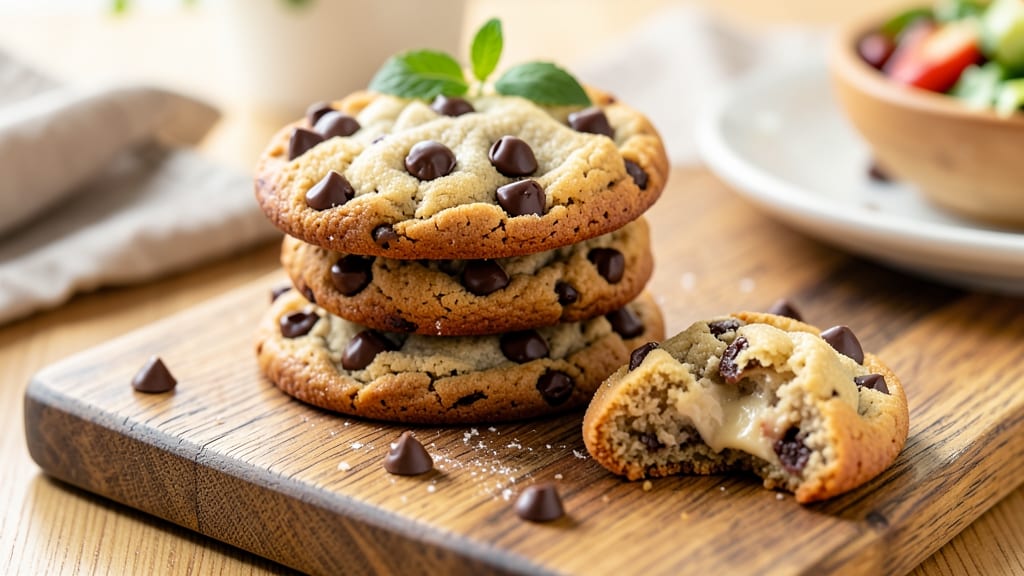
This chewy chocolate chip cookie recipe proves you don’t need brown sugar for deep caramelized flavor—just the right technique with white sugar. The secret lies in butter temperature and resting time, transforming simple ingredients into cookies with crisp edges and a melt-in-your-mouth center that holds its chew for days.
I’ve perfected this method after years of baking, and it’s the one recipe my family begs me to make every holiday season.
The foundation starts with cold butter cut into cubes and white sugar that caramelizes beautifully when baked at 375°F—no brown sugar’s molasses needed. Creaming the butter and sugar until light and fluffy incorporates air, while resting the dough for 30 minutes ensures even baking and that signature chewy texture.
The chocolate chips stay melty in the center, creating pockets of gooey goodness in every bite.
What sets these apart is the foolproof method that delivers restaurant-quality results at home. The dough spreads just enough for crisp edges while maintaining a soft, pillowy interior, and the flavor is rich, buttery, and perfectly balanced—no burnt edges or dry centers here.
This recipe is designed to impress, whether you’re baking for a crowd or treating yourself to a perfect cookie.
Ready in just 12 minutes of baking time (plus cooling), these cookies stay fresh for up to 5 days in an airtight container. Pair with a glass of cold milk for the ultimate comfort food experience. Let’s get baking!
Ingredients for chewy chocolate chip cookie recipe no brown sugar
White sugar and cold butter create restaurant-quality cookies with crisp edges and chewy centers.
| Ingredient | Amount | Notes |
|---|---|---|
| Unsalted Butter 🧈 | 1 cup | Cold, cubed for creaming |
| Granulated White Sugar 🍚 | 1 ½ cups | Superfine preferred for faster dissolving |
| Large Eggs 🥚 | 2 whole | Room temperature for even mixing |
| Vanilla Extract 🌿 | 2 tsp | Pure, high-quality extract |
| All-Purpose Flour 🌾 | 2 ½ cups | Sifted, spooned and leveled |
| Baking Soda 🧂 | ½ tsp | Pure, not baking powder |
| Diamond Crystal Kosher Salt 🧂 | ½ tsp | Fine grain preferred |
| Milk 🥛 | ½ cup | Whole milk for richness |
| Chocolate Chips 🍫 | 2 cups | Semi-sweet, 35% cacao |
| Flaky Sea Salt 🧂 | 1 tsp | For sprinkling on top |
The butter must be cold—cut it into small cubes and let it sit at room temperature for just 20 minutes before creaming. Land O'Lakes unsalted or Plugrá work best for their high fat content. White sugar caramelizes beautifully at 375°F, creating that deep, buttery flavor without molasses. For the best results, use superfine sugar—it dissolves faster and creates a smoother texture. If you only have regular granulated, pulse it in a food processor for 30 seconds to break up the crystals. The chocolate chips should be semi-sweet (35% cacao) for that perfect balance of sweetness and richness. Ghirardelli or Guittard are my go-to brands—they melt evenly and stay gooey in the center.
No vanilla extract? Vanilla bean paste works beautifully, or even vanilla sugar at half the amount. Running short on milk? Heavy cream or Greek yogurt add richness, but reduce by 1 tablespoon to account for moisture. For the flour, King Arthur or Bob's Red Mill are consistent choices—never substitute cake flour, as it lacks the protein needed for structure. If you're at high altitude, add an extra 1/4 teaspoon of baking soda to compensate for the lower air pressure. The sea salt on top isn't just for flavor—it enhances the buttery sweetness and prevents the edges from spreading too much during baking.
This dough needs 30 minutes of rest before baking—don't skip it. Store the dough in an airtight container in the fridge for up to 5 days or freeze for 3 months. For best results, bake only what you need—these cookies lose their chewiness if stored too long. If you make a big batch, portion the dough into balls and freeze them on a tray before transferring to a container. Bake straight from frozen, adding 1-2 minutes to the time. The cookies stay fresh for 5 days at room temperature in an airtight container, but they're best enjoyed within 2 days for that perfect chewy texture.
Why You'll Love This Recipe
- No Fuss Mixing: I swear by the creamy butter-egg combo—just soften the butter, mix it with sugar until it’s almost fluffy, then fold in eggs and vanilla. No stand mixer, no stress. The dough comes together in minutes, and honestly? That’s half the battle won.
- Chewy Magic: The secret’s in the white sugar—it caramelizes just enough to keep those cookies soft inside with crisp edges. Add the chocolate chips last so they stay melty pools in the center. (Yes, even on a Tuesday night.)
- Bulk-Friendly Batches: This recipe doubles easily, and those cookies keep for ages in an airtight container. I freeze half the dough for lazy days—just scoop, bake, and boom, fresh cookies without the effort.
- Budget Win: Butter, sugar, flour—these are pantry staples. No specialty ingredients, no markup. My kids fight over them, but I always save a few for myself. (Between us, that’s the real test of a great cookie.)
Step-by-step instructions for chewy chocolate chip cookies with white sugar
Master the science behind these cookies—white sugar creates caramelized edges while keeping centers chewy.
Cream the Butter and Sugar to Peak Volume
In a stand mixer fitted with the paddle attachment, beat the 1 cup unsalted butter (cold, cubed) and 1.5 cups granulated white sugar on medium speed for 3-4 minutes. The mixture should nearly triple in volume, becoming pale and fluffy with ribbons forming when the paddle lifts. This aeration creates the signature chewy texture and crisp edges.
Here's the thing—white sugar dissolves faster than brown sugar, so we need to cream it longer to achieve the same level of aeration. Stop when the mixture leaves clean streaks on the bowl sides that hold their shape for 10 seconds before blending back in. Over-creaming develops gluten, so resist the urge to mix beyond this point.
Incorporate Eggs and Vanilla for Structure
Add the 2 whole large eggs (room temperature) one at a time, mixing on low speed for 30 seconds after each addition until fully incorporated. Then add the 2 teaspoons vanilla extract and mix for another 15 seconds. The batter should be smooth with no visible streaks of egg white.
Real talk: If your eggs are cold, they'll create pockets in the dough that prevent even baking. The room temperature requirement ensures consistent texture throughout all cookies. Add the vanilla last—its delicate flavor can be overpowered if mixed too early with the butter's richness.
Combine Dry Ingredients and Fold in Milk
In a separate bowl, whisk together the 2.5 cups all-purpose flour, 0.5 teaspoon baking soda, and 0.5 teaspoon diamond crystal kosher salt. Sift if your flour isn't pre-sifted—this prevents lumps that create uneven baking. Gradually add this dry mixture to the wet ingredients on low speed, mixing just until combined (about 30 seconds).
Remove the bowl from the mixer and gently fold in the 0.5 cup milk using a silicone spatula. The dough should be soft but manageable—if it's too sticky, chill for 10 minutes before proceeding. This step ensures proper moisture balance for chewy texture without spreading too much during baking.
Fold in Chocolate and Chill for Texture
Using the same spatula, gently fold in the 2 cups chocolate chips, ensuring even distribution throughout the dough. Be careful not to overmix—just until the chips are incorporated. The dough should hold together when pressed but still be soft enough to scoop easily.
Cover the bowl with plastic wrap and refrigerate for at least 1 hour (up to 24 hours). This chilling step is non-negotiable—it allows the flour to fully hydrate and the butter to solidify, which prevents excessive spreading and creates that perfect chewy center with crisp edges. The longer you chill, the thicker your cookies will be.
Bake to Golden Perfection and Finish with Sea Salt
Preheat your oven to 350°F and line two baking sheets with parchment paper. Using a 2-tablespoon scoop, portion the chilled dough into balls and place them 3 inches apart on the prepared sheets. Gently flatten each ball with your palm to about ½-inch thickness—this creates the signature flat-topped shape.
Bake for 11-13 minutes until the edges are deep golden brown but the centers still look slightly underdone. The white sugar creates beautiful caramelization at the edges while keeping the centers soft. Immediately after removing from the oven, sprinkle each cookie with a pinch of flaky sea salt while still warm. Let cool on the baking sheet for 5 minutes before transferring to a wire rack.
Pro Tips For Making Chewy Chocolate Chip Cookie Recipe No Brown Sugar
- CHILL THE DOUGH: Skip the urge to bake immediately—let the dough rest in the fridge for at least 1 hour (or overnight). I used to rush this, and my cookies spread like pancakes. Cold butter behaves better, and the texture becomes chewy instead of cakey.
- WEIGH THE BUTTER: Use a kitchen scale for the butter—pack it tightly into the measuring cup. Butter expands when melted, and eyeballing it leads to cookies that spread too thin. Trust me, the difference in structure is noticeable.
- UNDERMIX THE FLOUR: Stop mixing as soon as the dough comes together—just fold in the flour until no dry spots remain. Overmixing develops gluten, turning your chewy cookies into tough, cracker-like disappointments.
- USE COLD EGGS: Chill your eggs in the fridge for 10 minutes before adding them to the butter-sugar mix. Warm eggs melt the butter too fast, and the dough loses its structure before it even hits the pan. Cold eggs keep everything stable.
Dietary considerations for chewy chocolate chip cookie recipe no brown sugar
Gluten-Free Adaptations
For a gluten-free version, replace the 2.5 cups all-purpose flour with a 1:1 gluten-free blend like King Arthur Measure for Measure. Add 1 extra teaspoon of xanthan gum to mimic gluten’s structure, ensuring chewy texture. Chill the dough an extra 15 minutes—gluten-free flours absorb moisture differently. 🌾
Dairy-Free Options
Swap the 1 cup unsalted butter for 1 cup dairy-free butter (like Miyoko's) or vegan coconut oil. Use unsweetened almond milk instead of dairy milk, but reduce by 2 tablespoons to prevent over-spreading. The dough will be slightly softer, so flatten balls 10% thinner before baking.
Nut-Free Chocolate
Use Enjoy Life chocolate chips (certified nut-free) to avoid cross-contamination. These chips melt evenly and maintain gooey centers. Store all ingredients in separate containers to prevent accidental mixing with nuts. Double-check labels—some brands process in facilities with nuts.
Lower Sugar Swaps
Reduce the 1.5 cups white sugar to 1 cup and replace with ½ cup monk fruit sweetener (like Lakanto) for 80% sugar reduction. The texture stays chewy, but cookies will spread slightly less. Add 1 extra tablespoon of flour to compensate for reduced moisture from sugar.
Egg-Free Binding
Replace the 2 eggs with 2 tablespoons ground flaxseed mixed with 6 tablespoons water (let sit for 5 minutes to thicken). For richer flavor, add 1 teaspoon apple cider vinegar to the milk. The dough will be slightly stickier—chill for 45 minutes before scooping.
Nutrition facts
Frequently asked questions
Why does white sugar work better than brown sugar for chewy cookies?
White sugar caramelizes beautifully at 375°F, creating crisp edges while keeping centers soft and chewy. Without brown sugar's molasses, we get pure buttery sweetness with deeper caramelization—no bitter notes. The longer creaming time with white sugar also develops more air pockets for that signature texture.
Can I use regular granulated sugar instead of superfine?
Yes, but pulse it in a food processor for 30 seconds to break up crystals. Superfine sugar dissolves faster, creating smoother cookies, but regular sugar works fine if you cream it 1-2 minutes longer. Just avoid lumps by sifting your flour thoroughly.
How do I prevent my cookies from spreading too much?
Chill the dough for at least 1 hour (longer = thicker cookies). Use a 2-tablespoon scoop and flatten balls to ½-inch thickness before baking. Bake at 350°F—hotter temps cause more spreading. The sea salt sprinkle also helps set edges faster.
Why do my cookies turn out cakey instead of chewy?
Overmixing develops gluten, making cookies cakey. Mix dry ingredients just until combined, and avoid over-creaming butter/sugar. Underbaking slightly (edges golden, centers soft) ensures chewiness. Also, don't skip the 30-minute dough rest—it's key for texture!
Can I bake these with dark chocolate instead of semi-sweet?
Yes, but reduce by ¼ cup to balance bitterness. Dark chocolate (60-70% cacao) melts differently—it creates more pockets of gooey goodness but may darken edges faster. Bake 1-2 minutes less and watch closely. For best results, use chips with 35-45% cacao for that classic flavor.