
Desserts
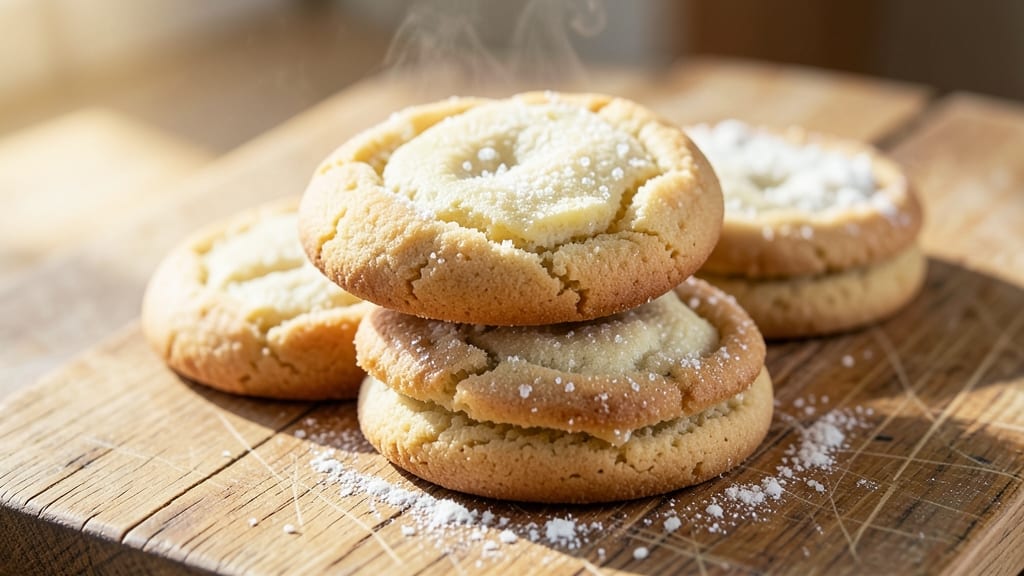
This basic sugar cookie recipe delivers the perfect balance of pillowy softness and that satisfying sandpaper crunch we all crave. 💛 The secret lies in the right ratio of butter to sugar and a precise baking technique that ensures even golden edges without burning the centers.
I've tested this recipe countless times, adjusting for UK pantry staples like plain flour and metric measurements, so you can achieve bakery-quality results without the fuss.
The foundation starts with creaming together soft butter and caster sugar until light and fluffy—this creates the signature texture that makes these cookies irresistible. We then incorporate vanilla extract and a pinch of salt before gradually adding the dry ingredients, ensuring everything comes together smoothly.
The dough should be soft but not sticky, with just enough flour to hold its shape when rolling.
What makes these cookies truly special is the baking process. Using parchment paper and spacing the cookies just slightly apart ensures even baking and that coveted crisp edge. The oven temperature is critical—too high and they'll burn before the centers set, too low and they'll spread too much.
Aim for a 350°F (175°C) oven and bake until the edges are golden but the centers still look slightly underdone.
Once cooled, you'll have cookies that are soft in the middle with a satisfying crunch around the edges—perfect for dunking in tea or pairing with a glass of milk.
Decorating is optional, but a dusting of icing sugar or a sprinkle of colorful sprinkles adds that extra touch of magic. Let's get baking!
Ingredients for basic sugar cookie recipe uk
Nine simple ingredients for UK-style sugar cookies with perfect pillowy centers and crisp edges.
| Ingredient | Amount | Notes |
|---|---|---|
| Soft Butter 🧈 | ½ cup | UK-style unsalted, room temperature |
| Caster Sugar 🍚 | ¾ cup | Superfine texture for smooth dough |
| Vanilla Extract 💧 | 1 tsp | Pure vanilla preferred |
| Plain Flour 🌾 | 2 cups | UK standard white flour |
| Baking Powder 🍞 | 1 tsp | Double-acting for lift |
| Salt 🧂 | ¼ tsp | Fine sea salt preferred |
| Icing Sugar 🍚 | ¼ cup | For dusting finished cookies |
| Multicolored Sprinkles 🌈 | ¼ cup | Optional for decoration |
| Large Egg 🥚 | 1 whole | Room temperature for mixing |
| Parchment Paper 📄 | 1 sheet | For even baking |
The butter and caster sugar are the stars here—UK unsalted butter gives the best texture. Grab the Tesco or Sainsbury's own-brand for reliability, or splurge on Plugrá if you're feeling fancy. Caster sugar is a must (not granulated)—it dissolves smoothly for that signature cookie texture. Room temperature butter is key: if it's too cold, the dough will be tough. Pop it in a warm spot for 30 minutes before starting. The vanilla extract should be pure—McCormick or Boots brands are solid choices. For flour, stick with plain white flour (not self-raising) and sift it before measuring to avoid lumps.
No caster sugar? Granulated sugar works in a pinch—just pulse it in a blender for 30 seconds to make it finer. Short on butter? Vegetable shortening gives a similar texture (though less flavor). The egg binds everything together, but if you're vegan, flax egg (1 tbsp ground flax + 3 tbsp water) works too. For sprinkles, Hobbycraft or Lakeland have great options, but any store-bought will do. The baking powder is non-negotiable—it's what gives those cookies their lift. If you're out, baking soda plus cream of tartar is a decent swap (use half the amount of baking soda).
Store the dough in an airtight container for up to 3 days in the fridge—wrap it tightly in cling film first. If you're not baking all the cookies at once, freeze the shaped ones on a tray before transferring to a bag for 1 month. Once baked, keep them in an airtight tin with a slice of bread to maintain softness. These cookies reheat beautifully—pop them in the oven at 300°F (150°C) for 2-3 minutes to revive that fresh-from-the-oven warmth. Trust me, they taste even better the next day!
Why You'll Love This Recipe
- Five-Ingredient Magic: I swear by this recipe—just softened butter, caster sugar, vanilla, flour, and baking powder. That’s it. No fussing with eggs or weird substitutions; it’s the kind of simplicity that makes baking feel like a victory, not a chore.
- Butter-Sugar Bliss: The moment you mix that creamy butter with caster sugar? Pure joy. The dough is tender but holds its shape, and the flavour—sweet, buttery, with just a whisper of vanilla—is the kind of comfort you’ll crave after the first bite.
- Holiday Ready: Between us, these cookies are my go-to for Christmas trees, birthday parties, or even a rainy Tuesday. Roll them thin for crispy edges, thick for soft centres, or cut them into shapes with cookie cutters. They’re the blank canvas of baking.
- Pantry Staple: Honestly, you’re already halfway there if you’ve got flour and sugar. The butter and vanilla are cheap enough that I never run out, and baking powder keeps them light without overpowering. Leftovers? They last days in an airtight tin—if they survive that long.
Step-by-step instructions for pillowy soft sugar cookies
Here's how to make cookies that balance tender crumb with that satisfying crunch.
👨🍳 Step 1: Cream the Butter and Sugar Together
In a large mixing bowl, combine the 0.5 cup soft butter and 0.75 cup caster sugar. Using an electric mixer on medium speed, beat for 3-4 minutes until light and fluffy. You're looking for a pale, airy texture that nearly doubles in volume—the butter should look almost translucent at the edges.
This creaming process incorporates air into the dough, which creates those signature crackly tops and helps the cookies maintain their pillowy texture. Don't rush this step—under-creamed butter leads to dense cookies instead of the tender ones we want. If your butter isn't quite soft enough, let it sit at room temperature for another 10-15 minutes.
👨🍳 Step 2: Add Egg and Vanilla for Moisture
Add the 1 whole large egg and 1 tsp vanilla extract to the butter-sugar mixture. Mix on low speed for 1 minute until fully combined and smooth. The mixture should look like a thick, pale batter with no streaks of egg.
Here's the thing—adding the egg last ensures it gets fully incorporated without overmixing. The vanilla adds depth of flavor that complements the sweetness perfectly. If you're using a cold egg straight from the fridge, let it sit at room temperature for 10 minutes first for best results.
👨🍳 Step 3: Combine Dry Ingredients Gently
In a separate bowl, whisk together the 2 cups plain flour, 1 tsp baking powder, and 0.25 tsp salt. Gradually add this dry mixture to your wet ingredients, mixing on low speed just until combined. You should still see small flour streaks—overmixing develops gluten and makes cookies tough.
I like to use a silicone spatula to fold in the dry ingredients by hand at this stage. This gives me better control and prevents overmixing. The dough should come together into a soft, slightly sticky ball that holds its shape when pressed. If it's too dry, add 1-2 teaspoons of milk (not in the ingredients list, but trust me on this one).
🍳 Step 4: Chill the Dough for Perfect Texture
Shape the dough into a disk, wrap it tightly in plastic wrap, and refrigerate for at least 1 hour (up to 24 hours works even better). Chilling is non-negotiable—it allows the flour to fully hydrate and the butter to solidify slightly, which prevents excessive spreading in the oven.
This resting period also gives the dough time to relax, making it easier to handle when you're ready to roll it out. Cold dough also means the cookies hold their shape better, giving you those nice, thick cookies with crisp edges and soft centers. Don't skip this step—I learned the hard way that warm dough spreads into thin, cakey cookies.
🔪 Step 5: Roll and Cut for Uniform Cookies
Preheat your oven to 350°F (175°C) and line two baking sheets with the 1 sheet parchment paper. On a lightly floured surface, roll out the chilled dough to about ¼-inch thickness. Use a cookie cutter or glass to cut out shapes—you'll get about 12-16 cookies depending on your cutter size.
Place the cut-out cookies on the prepared baking sheets, spacing them about 1 inch apart for even baking. For extra decoration, press the 0.25 cup multicolored sprinkles gently onto the tops. Bake for 10-12 minutes until the edges are just starting to turn golden brown but the centers still look slightly underdone.
⏰ Step 6: Cool and Finish with Icing Sugar
Remove the cookies from the oven and let them cool on the baking sheet for 5 minutes before transferring them to a wire rack. While they're still warm, dust the tops generously with the 0.25 cup icing sugar using a fine-mesh sieve. This gives that classic sugar cookie finish and adds just the right amount of sweetness.
Let the cookies cool completely before serving. They'll firm up as they cool, developing that perfect balance of soft interior and crisp edges. Store any leftovers in an airtight container for up to 5 days, though I doubt they'll last that long—they're just too good!
Pro Tips For Making Basic Sugar Cookie Recipe Uk
- CREAM BUTTER AND SUGAR: Mix the butter and caster sugar until it’s pale yellow—not just combined, but actually lightened. I learned this the hard way when my cookies turned out dense; the extra air from proper creaming makes all the difference.
- CHILL THE DOUGH: Wrap the dough in cling film and refrigerate for at least 2 hours—yes, even if you’re impatient. Cold dough spreads less, holds its shape, and bakes evenly, so you avoid flat, sad cookies that look like pancakes.
- SIFT THE FLOUR: Don’t just scoop the plain flour—sift it with the baking powder first. This aerates the dry ingredients, prevents lumps, and ensures your cookies rise properly. Skipping this step means you’re fighting against uneven texture from the start.
- USE CASTER SUGAR, NOT GRANULATED: Caster sugar dissolves faster and gives a smoother texture than granulated. If you’re stuck with granulated, pulse it briefly in a food processor—just enough to break up the crystals, or your cookies will taste gritty.
Dietary considerations for this dish
Gluten-Free Adaptation
For a gluten-free version, replace the 2 cups plain flour with a 1:1 gluten-free baking flour blend like Doves Farm White or Shakti 4:1. These blends mimic the texture of regular flour while maintaining the cookie's structure.
Add ½ tsp xanthan gum to the dry ingredients to improve binding—it's crucial for that signature cookie texture. Chill the dough for an extra 30 minutes to help it hold its shape when cutting. 💫
Vegan-Friendly Swaps
Swap the 1 whole large egg for 1 flax egg (mix 1 tbsp ground flaxseed with 3 tbsp water and let sit for 5 minutes to thicken). Use vegetable shortening instead of butter for a neutral flavor, or try coconut oil for a hint of tropical sweetness.
For the 0.5 cup soft butter, opt for vegan margarine like Flora Plant or Stork. The dough will be slightly softer, so chill it for 2 hours before rolling.
Lower Sugar Options
Reduce the 0.75 cup caster sugar to 0.5 cup and replace the rest with 0.25 cup coconut sugar or honey for a less refined option. The cookies will still be sweet but with deeper caramel notes.
For extra fiber, add 2 tbsp ground almonds or oat fiber to the dry ingredients. Cut baking time by 1-2 minutes since these versions brown faster. 🍯
Nut-Free Allergy-Friendly
Skip the sprinkles (unless they're certified nut-free) and use colored sanding sugar instead for decoration. Ensure your vanilla extract is nut-free (some brands process in shared facilities). For extra crunch, toast 1 tbsp cornflakes and sprinkle them on top before baking.
Store cookies in a dedicated nut-free container to prevent cross-contamination. Always check labels on baking powder and icing sugar for hidden nut traces.
Dairy-Free Version
Replace the 0.5 cup soft butter with 0.5 cup dairy-free margarine like Becel Plant or Alpro Plant Butter. For richer flavor, use coconut oil (solid at room temperature). The dough may spread slightly more, so chill it for 2 hours and reduce baking time by 1 minute.
The texture will be slightly denser but still delightfully tender. 🥥
Nutrition facts
Frequently asked questions
Why do UK sugar cookies need caster sugar instead of regular sugar?
Caster sugar dissolves more smoothly than granulated sugar, creating a finer texture in the dough. This prevents graininess and gives those classic tender cookies with crisp edges. If you're out of caster sugar, pulse granulated sugar in a blender for 30 seconds to make it finer. The difference is noticeable—your cookies will taste more refined!
Can I make these cookies without a mixer?
Use a wooden spoon or sturdy fork to cream the butter and sugar by hand—just work it for 5-7 minutes until light and fluffy. For the dry ingredients, fold them in gently with a spatula. The key is patience: press the dough together with your hands until it holds its shape. The texture will be slightly less airy but still delicious.
How do I prevent my cookies from spreading too much?
Chilling the dough for at least 1 hour is non-negotiable—it firms up the butter and prevents excessive spreading. Use cold cookie cutters when shaping, and place cookies 1 inch apart on the baking sheet. For extra insurance, flatten the dough slightly before cutting. If they still spread, reduce oven temp to 340°F (170°C) next time.
What's the best way to store these cookies?
Keep them in an airtight container with a slice of bread to maintain softness. They'll stay fresh for 5 days at room temperature. For longer storage, freeze shaped cookies on a tray before transferring to a bag for 1 month. Reheat in the oven at 300°F (150°C) for 2-3 minutes to revive that fresh-from-the-oven magic.
Can I use a different type of flour?
Stick with plain white flour for the best texture, but you can substitute self-raising flour by removing 1 tsp baking powder from the recipe. For whole wheat, replace ½ cup plain flour with whole wheat and add 1 extra tbsp milk to compensate for the extra moisture. Self-raising flour works in a pinch, but the cookies may be slightly denser.