
Desserts
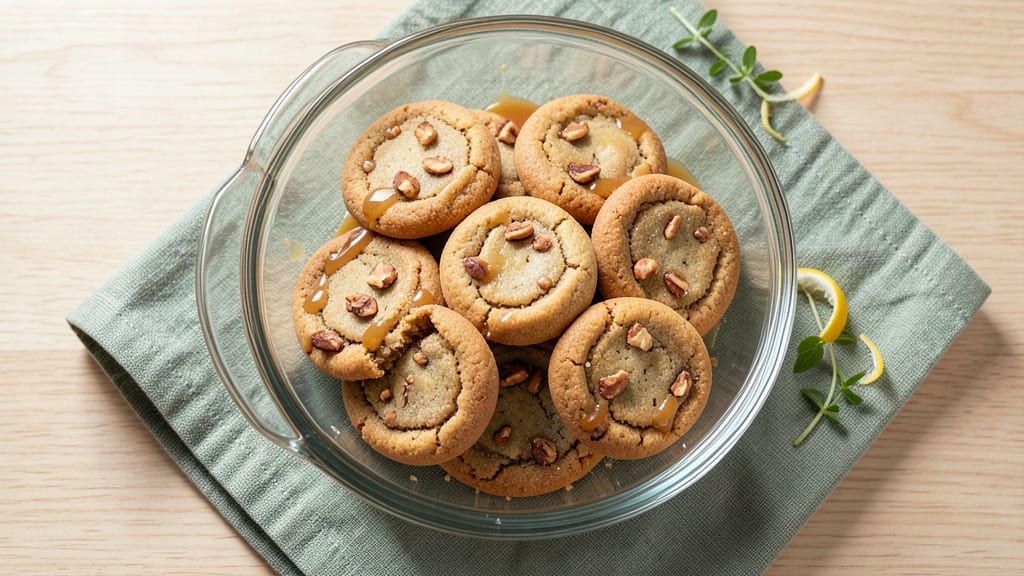
This bariatric peanut butter cookie recipe delivers all the comfort of classic cookies with a fraction of the calories and a boost of protein—perfect for satisfying cravings without derailing your dietary goals.
The secret lies in almond flour and sugar substitutes that maintain texture while cutting empty carbs, plus egg whites for structure without added fat. I developed this after struggling to find bariatric-friendly treats that still tasted indulgent, and these soft-baked cookies became my go-to for guilt-free moments.
The recipe focuses on portion control without sacrificing flavor, using just 5 ingredients and baking in 12 minutes at 350°F for a tender yet sturdy cookie.
The natural sweetness of peanut butter shines through while keeping sugar in check, and the almond flour adds a satisfying nuttiness that mimics traditional cookies. What makes these special is how they balance dietary needs with the emotional comfort of a warm, gooey bite—no one will guess they're bariatric-friendly.
By the time you pull them from the oven, you'll have cookies with a soft, cake-like center and slightly crisp edges, all while packing 4g of protein per cookie. The recipe scales easily for meal prep, and optional modifications let you adjust sweetness or texture to your preferences.
These aren’t just cookies—they’re a game-changer for anyone managing portion sizes or cravings.
Whether you're baking for yourself or sharing with others on similar dietary journeys, this recipe proves you don’t have to compromise on flavor. Let’s get baking—your taste buds (and macros) will thank you.
Ingredients for bariatric peanut butter cookie
Five ingredients, zero guilt—just rich peanut butter flavor and protein-packed joy in every bite.
| Ingredient | Amount | Notes |
|---|---|---|
| Natural Creamy Peanut Butter 🥜 | ½ cup | No added sugar, 100% peanuts |
| Almond Flour 🌰 | 1 cup | Fine, blanched preferred |
| Erythritol or Monk Fruit Sweetener 🍯 | ¼ cup | Granular blend for best texture |
| Large Egg Whites 🥚 | 2 whole | Room temperature for even baking |
| Vanilla Extract 🌿 | ½ tsp | Pure, alcohol-free preferred |
| Unsalted Butter 🧈 | 2 tbsp | Cold, cubed for easier mixing |
| Diamond Crystal Kosher Salt 🧂 | ¼ tsp | Fine grain for even distribution |
| Xanthan Gum 🧪 | ⅛ tsp | For binding without gluten |
| Cinnamon 🌶️ | ⅛ tsp | Ground, for subtle warmth |
The peanut butter is your flavor anchor here. Natural, unsweetened brands like Crazy Richard's or Smucker's Natural work best—they’ve got that deep peanut flavor without hidden sugars. Almond flour is non-negotiable for texture; Bob’s Red Mill or Anthony’s Goods brands are my go-tos, but any fine, blanched variety will do. The sweetener is where you can get creative: Lakanto or Swerve blends mimic sugar’s texture perfectly. Pro tip: measure your almond flour by scooping and leveling—it’s lighter than regular flour and can pack differently. For the egg whites, room temperature is key—cold whites won’t whip as well and can lead to dense cookies.
No erythritol? Monk fruit alone works at half the amount, but texture might suffer slightly. Substituting maple syrup (2 tbsp) will add moisture but bump calories—adjust sweetener to taste. The butter is purely for fat content and flavor; olive oil works in a pinch (2 tbsp) but changes the mouthfeel. For extra protein, add 1 scoop vanilla protein powder (unflavored) to the dry ingredients. The xanthan gum might seem odd, but it’s what gives these cookies that classic cookie structure without gluten. If you’re avoiding it, add 1 tbsp ground flaxseed instead, but expect slightly denser cookies. And yes, you can bake these with chocolate chips (2 tbsp mini dark chocolate) if you’re feeling indulgent—just reduce the sweetener by 1 tbsp.
Store baked cookies in an airtight container with parchment between layers—they’ll stay fresh for 5 days at room temperature. For longer storage, freeze portions on a tray first, then transfer to a bag—lasts 3 months this way. Reheat in a 200°F oven for 5 minutes to restore that warm, gooey texture. These cookies are perfect for meal prep: bake a double batch, portion into single-serving bags, and keep in the freezer for quick craving fixes. The protein content means they’ll keep you full longer too—ideal for bariatric snacking without the sugar crash.
Why You'll Love This Recipe
- No-Fuss Mixing: I swear by this dough—just fold the almond flour, peanut butter, and sweetener until it’s almost sticky, then whip in those egg whites. No creaming butter, no chilling dough, no stress. Honestly, my kitchen counter stays cleaner than my usual cookie recipes.
- Rich Without Guilt: That natural peanut butter? It’s the star—thick, nutty, and just sweet enough with erythritol or monk fruit. The egg whites give it that tender crunch, but the flavor still hits like a classic cookie. (Yes, even on a Tuesday night.)
- Portion Control Made Easy: Bariatric-friendly doesn’t mean boring—these cookies are small but satisfying, perfect for meal prep or packing in lunches. I make a batch on Sundays and they’re gone by Wednesday. No one misses the giant sugar cookies.
- Budget-Friendly Staples: Almond flour and peanut butter last forever, and egg whites are cheaper than buying whole eggs. Monk fruit or erythritol stretches further than sugar, too. It’s the kind of recipe that saves money and keeps cravings in check—win-win.
Step-by-step instructions for bariatric peanut butter cookies
Here's how to create protein-rich, soft-baked cookies that satisfy without derailing your nutrition goals.
Whisk Wet Ingredients Until Fully Combined
In a medium mixing bowl, combine the 0.5 cup natural creamy peanut butter with the 2 whole large egg whites and 0.5 tsp vanilla extract. Use a hand mixer or whisk on medium speed for 1-2 minutes until the mixture is completely smooth and homogeneous. You'll notice the peanut butter begins to lighten in color as it incorporates with the egg whites.
This step is crucial for developing the cookie's texture. The peanut butter should be fully emulsified with no visible streaks of fat. If you're using room temperature egg whites, they'll blend more easily. Add the 2 tablespoons cold unsalted butter next, mixing until it melts completely into the wet ingredients. The butter adds richness while keeping the cookies tender.
Incorporate Dry Ingredients for Perfect Texture
In a separate bowl, sift together the 1 cup almond flour, 0.25 cup erythritol or monk fruit sweetener, 0.25 tsp diamond crystal kosher salt, 0.125 tsp xanthan gum, and 0.125 tsp cinnamon. The almond flour should be fine and free of lumps for the best texture. I find using a fine-mesh sieve helps prevent any graininess in the final cookies.
Gradually add the dry mixture to the wet ingredients, mixing on low speed with a hand mixer or using a spatula to fold gently. Mix just until combined—overmixing develops gluten and can make the cookies tough. The dough should be thick but pliable, similar to playdough. If it feels too dry, add 1 teaspoon of water to help bind everything together.
Chill the Dough for Better Shape and Texture
Cover the mixing bowl with plastic wrap and refrigerate the dough for at least 30 minutes. This chilling step is essential for two reasons: it firms up the dough so it holds its shape better when baking, and it prevents excessive spreading in the oven. The dough should be cold but still pliable when you remove it from the refrigerator.
I like to press the dough into a flat disc in the bowl before chilling. This makes it easier to portion later. If you're short on time, you can chill for 1 hour for even better results. The longer it chills, the less the cookies will spread during baking, giving you thicker, chewier cookies.
Scoop and Bake for Soft-Centered Cookies
Preheat your oven to 350°F and line two baking sheets with parchment paper. Using a cookie scoop or tablespoon, portion the chilled dough into 12 equal balls (about 1 tablespoon each) and place them 2 inches apart on the prepared baking sheets. The dough will be cold and firm, making it easy to handle.
Bake for 10-12 minutes until the edges are lightly golden but the centers still look slightly underdone. They should be soft to the touch but not raw in the middle. The cookies will continue to set as they cool, so don't overbake. Rotate the baking sheets halfway through for even baking. For best results, bake only one sheet at a time to maintain consistent oven temperature.
Cool and Enjoy Your Protein-Packed Treats
Allow the cookies to cool on the baking sheets for 5 minutes before transferring them to a wire rack to cool completely. This brief resting period helps them set properly without becoming too crisp. The cookies should be soft with a slightly chewy texture and a subtle peanut butter aroma that fills your kitchen.
These cookies are best enjoyed within 3-4 days when stored in an airtight container at room temperature. They make a perfect protein-packed snack or dessert option that won't derail your nutrition goals. Each bite delivers the rich flavor of peanut butter with the satisfying texture of a classic cookie, all while being mindful of your dietary needs.
Pro Tips For Making Bariatric Peanut Butter Cookie
- Mix Peanut Butter Last: I learned this the hard way—adding peanut butter too early turns your dough into a sticky mess that fights you every step. Fold it in right before shaping, when the almond flour and sweeteners are already combined. The dough will hold together better, and you’ll skip the frustration of overworking it.
- Whip Egg Whites Cold: Egg whites whip faster and fluffier when cold—straight from the fridge. Skip the microwave or warm water trick; just pop them in the bowl chilled. If your kitchen’s warm, wet your beaters first to help them grip, but don’t let the whites sit out longer than 30 minutes before whipping.
- Chill Dough for 30 Minutes: This isn’t the prettiest method, but it’s the tastiest. Almond flour dough spreads like crazy, and skipping the chill means flat, sad cookies. Wrap the dough in plastic and refrigerate—yes, even if you’re impatient like me. The wait guarantees thicker cookies with that perfect peanut butter pull.
- Use Powdered Erythritol: Monk fruit is great, but powdered erythritol blends smoother and cuts down on graininess in the dough. If you’re using granulated, pulse it in a food processor for 10 seconds—just enough to break up clumps. Your cookies will have a cleaner texture, and you’ll notice the difference in every bite.
Common mistakes when making your bariatric peanut butter cookie
Overmixing the Dough
I’ve seen this happen more times than I can count—especially when people are eager to get baking.
Overmixing the dough after adding the dry ingredients develops gluten in the almond flour, which can make your cookies tough instead of soft and chewy. Mix just until combined—about 10-15 seconds with a hand mixer or until no dry spots remain.
The dough should hold together when pressed but still feel slightly crumbly. If you’ve already overmixed, don’t panic—just chill the dough longer (1 hour instead of 30 minutes) to help relax the gluten. 💡
Skipping the Chill
This is a big one! Skipping the 30-minute chill leads to cookies that spread too much in the oven, resulting in thin, crispy discs instead of the soft, chewy treats you want. The chill helps the dough firm up so it holds its shape.
If you’re in a hurry, at least 20 minutes in the freezer works in a pinch. Pro tip: Press the dough into a flat disc in the bowl before chilling—this makes portioning easier later. 🥶
Incorrect Portioning
Using too much dough per cookie (or not measuring evenly) throws off the texture and baking time. For consistent results, use a 1-tablespoon cookie scoop or portion by weight (15 grams per cookie).
If your dough feels too sticky to scoop, chill it 10 extra minutes or dust your hands with a tiny bit of almond flour. Uneven portions can lead to some cookies being underbaked while others burn. 🍪
Overbaking for "Done" Look
These cookies are designed to be soft and slightly underdone in the center when they come out of the oven—they’ll firm up as they cool. Overbaking by even 1-2 minutes turns them dry and crumbly.
Look for lightly golden edges and a soft center that’s just starting to set. If you’re unsure, pull them out early—they’ll continue cooking on the baking sheet. 🕒
Using the Wrong Sweetener
Not all sweeteners behave the same way! Granulated erythritol or monk fruit blends mimic sugar’s texture best, but powdered versions (like powdered erythritol) can make cookies dense.
If you substitute honey or maple syrup, reduce the amount by half and add 1 extra tablespoon of almond flour to compensate for moisture. The goal is a tender, not gummy, texture. 🍯
Ignoring Oven Temperature
Oven temperature fluctuations are the enemy of consistent baking. Preheat your oven for 15-20 minutes before baking and avoid opening the door during the process. If your oven runs hot, reduce the temperature to 340°F.
A digital oven thermometer (like the Thermoworks Oven Thermometer) is worth the investment—it ensures accuracy. Uneven baking leads to some cookies being raw while others burn. 🌡️
Nutrition facts
Frequently asked questions
Can I make these cookies without almond flour?
Almond flour is key for the right texture, but you can substitute 1 cup coconut flour if needed. Just add 1 extra egg white to the recipe since coconut flour absorbs more liquid. The flavor will be slightly different, but the protein content remains similar. For a closer texture, blend 1 cup oat flour (blend rolled oats into a fine powder) with 1 tbsp psyllium husk powder as a binder.
How do I adjust the sweetness for kids or picky eaters?
For a sweeter taste, add 1 tbsp powdered erythritol blend to the dry ingredients or swap 1 tbsp of the peanut butter for powdered peanut butter. You can also add 1 tbsp mini chocolate chips (70%+ cocoa) for extra richness without extra sugar. These modifications will increase calories slightly, so adjust portions accordingly.
Why do my cookies taste bland compared to regular peanut butter cookies?
The natural sweetness comes from peanut butter and vanilla, but you can boost flavor with ½ tsp cinnamon or ¼ tsp sea salt on top after baking. For extra depth, add 1 tsp cocoa powder to the dry ingredients. The almond flour also has a mild nutty taste—using toasted almond flour (dry-toast in a pan for 5 minutes) enhances this flavor.
Can I make these cookies nut-free?
Yes! Replace the peanut butter with ½ cup sunflower seed butter (unsweetened) and swap almond flour for 1 cup oat flour (blended) plus 1 tbsp ground flaxseed for binding. The texture will be slightly denser, but the protein content remains high. Always check labels for hidden sugars in seed butters.
How do I prevent the cookies from sticking to the parchment paper?
Lightly grease the parchment paper with coconut oil spray before placing the dough balls on it. Alternatively, use silicon baking mats which naturally prevent sticking. If cookies still stick, they may be too wet—chill the dough 10 extra minutes or reduce egg whites by 1 tbsp next time.