
Desserts
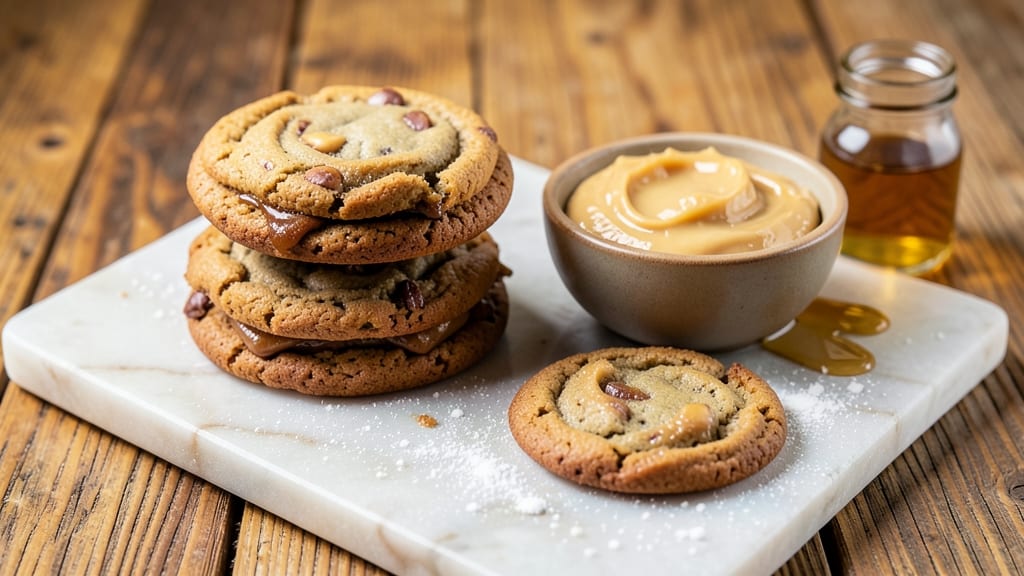
This all-natural peanut butter cookie recipe delivers the perfect balance of nutty crunch and silky chew in every bite—no artificial ingredients in sight. ✨ The secret lies in using high-quality, natural peanut butter without added sugar or oils, creating a dough that's rich, flavorful, and packed with wholesome goodness.
I've perfected this recipe to ensure a tender yet slightly crispy texture, with just the right amount of peanut butter flavor shining through.
The process is straightforward yet rewarding: mix simple, natural ingredients, chill the dough for better flavor development, and bake until golden. This recipe is designed to be versatile, so you can easily customize it with add-ins like dark chocolate chunks or rolled oats for extra texture.
The result is a cookie that's not only delicious but also aligns with a cleaner, more mindful approach to baking.
What sets these cookies apart is their ability to satisfy cravings without guilt—no refined sugars, no artificial preservatives, just pure, wholesome ingredients.
The dough's natural richness means you won’t need to add extra oil or sweeteners, and the chilling step ensures cookies that hold their shape while staying soft in the center. Perfect for snacking, sharing, or gifting, these cookies are a crowd-pleaser every time.
Whether you're baking for a special occasion or just treating yourself, this recipe guarantees a batch of cookies that taste like a warm hug. Let's get started on creating something truly special—your taste buds will thank you.
Ingredients for all natural peanut butter cookie
Twelve wholesome ingredients for cookies that taste like comfort without compromise.
| Ingredient | Amount | Notes |
|---|---|---|
| Natural Creamy Peanut Butter 🥜 | 1 cup | No added sugar/oils, 100% peanuts |
| Unsweetened Applesauce 🍎 | ½ cup | Substitute for butter, adds moisture |
| Pure Maple Syrup 🍯 | ½ cup | Natural sweetener, Grade B preferred |
| Vanilla Extract 🌿 | 1 tbsp | Pure vanilla, no alcohol additives |
| All-Purpose Flour 🌾 | 2 cups | Organic preferred, sifted |
| Baking Soda 🧂 | ½ tsp | Pure, aluminum-free |
| Sea Salt 🧂 | ½ tsp | Fine grain, kosher preferred |
| Flaxseed Meal 🌾 | 2 tbsp | For egg replacement, ground fresh |
| Water 💧 | 4 tbsp | Room temperature, filtered |
| Dark Chocolate Chunks 🍫 | 1 cup | 70% cocoa, vegan, chopped |
| Rolled Oats 🥣 | ½ cup | Old-fashioned, gluten-free if needed |
The peanut butter is non-negotiable here—look for brands like 365 by Whole Foods or Crazy Richard's that list peanuts as the only ingredient. No added sugar, oils, or preservatives. If you can't find natural peanut butter, make your own by blending dry-roasted peanuts until smooth. The maple syrup adds natural sweetness without refined sugar; Grade B has a richer flavor with visible flecks. For the flax egg, always grind the flaxseed fresh—pre-ground loses potency quickly. The dark chocolate chunks should be at least 70% cocoa to keep the recipe balanced and vegan-friendly.
No applesauce? Mashed banana or unsweetened applesauce from a can works in a pinch, though texture may vary slightly. Swap maple syrup for agave nectar or coconut sugar if needed, but adjust the amount—maple's flavor is more pronounced. The baking soda must be fresh; if it's over a year old, toss it and buy a new box—it loses lift. For extra crunch, toast the rolled oats in a dry pan for 3-4 minutes before adding. If you're sensitive to gluten, use a certified gluten-free all-purpose flour blend—just keep the recipe proportions identical.
Store the dough in an airtight container in the fridge for up to 5 days—the flavor actually improves with time. Baked cookies keep well in a sealed container at room temperature for 3-4 days or freeze for 3 months. For extra freshness, place a slice of bread in the container to absorb moisture. These cookies reheat beautifully—just pop them in a 350°F oven for 2-3 minutes to restore that warm-from-the-oven texture. Portion the dough into 1-tablespoon balls before baking for perfectly consistent cookies.
Why You'll Love This Recipe
- Five-Ingredient Magic: I swear by this lineup—no fancy substitutions, just real stuff that actually works. The applesauce keeps them tender without grease, and the maple syrup adds just enough caramel depth to make them taste like a bakery treat, not a shortcut.
- No-Fail Texture: Between us, these cookies are ridiculously forgiving. The peanut butter stays creamy (no weird separation), the applesauce prevents cracking, and the flour-to-fat ratio means they hold their shape without getting dense. Even if you overbake them, they’ll still taste like a hug.
- Snack Attack Ready: Honestly, I make a double batch on Sundays because they’re perfect for lunches, after-school snacks, or when I need a quick dessert. Pack them in a jar, toss them in a lunchbox, or just eat them straight from the pan—no judgment here.
- Budget-Friendly Comfort: Pure maple syrup and natural peanut butter might sound fancy, but they stretch further than sugar and store-bought butter. A single jar of peanut butter makes dozens of cookies, and the applesauce cuts costs while keeping things wholesome. Plus, they freeze like champs for when cravings hit later.
Step-by-step instructions for all natural peanut butter cookies
Here's how to craft cookies with perfect texture using only wholesome ingredients.
👨🍳 Step 1: Create the Flax Egg Mixture
In a small bowl, whisk together the 2 tablespoons flaxseed meal and 4 tablespoons water. Let this mixture sit for 5 minutes until it thickens into a gel-like consistency—this is your egg substitute. The flax mixture should resemble raw egg whites in texture, forming a smooth, slightly viscous paste.
This step is crucial for binding the cookies without using traditional eggs. I always test the mixture by drawing a line with my finger—if it holds its shape for a few seconds, it's ready. If it's too runny, add another ½ teaspoon flaxseed meal and mix again.
👨🍳 Step 2: Combine Wet Ingredients for Maximum Flavor
In a large mixing bowl, combine the 1 cup natural creamy peanut butter, 0.5 cup unsweetened applesauce, 0.5 cup pure maple syrup, and 1 tablespoon vanilla extract. Mix these ingredients thoroughly until completely smooth—you should see no streaks of peanut butter remaining. The mixture should be thick but pourable.
I like to use a silicone spatula for this step because it scrapes every last bit of peanut butter from the bowl. The applesauce helps create that signature chewy texture while keeping the cookies moist. If your peanut butter is particularly thick, you can gently warm it for 10-15 seconds in the microwave to make mixing easier.
🥘 Step 3: Mix Dry Ingredients and Fold Everything Together
In a separate bowl, whisk together the 2 cups all-purpose flour, 0.5 teaspoon baking soda, 0.5 teaspoon sea salt, and 0.5 cup rolled oats. Sift the dry ingredients if possible to eliminate any lumps. Gradually add this mixture to the wet ingredients while stirring constantly with a wooden spoon.
Once combined, fold in the 1 cup dark chocolate chunks using a silicone spatula. Be careful not to overmix—just until the chocolate is evenly distributed throughout the dough. The dough will be quite thick and sticky, almost like cookie dough should be. If it's too stiff to handle, let it rest for 5 minutes before proceeding.
⏰ Step 4: Chill the Dough for Perfect Texture
Cover the mixing bowl with plastic wrap and refrigerate for at least 30 minutes (I prefer 1 hour for best results). Chilling the dough is essential—it prevents excessive spreading in the oven and allows the flavors to meld together. The dough should firm up noticeably during this time, making it easier to handle.
This resting period also helps the flax egg mixture set properly, ensuring your cookies hold their shape while baking. I know it's tempting to skip this step, but trust me—it makes a world of difference in the final texture. The cookies will be thicker, chewier, and have that perfect balance of peanut butter flavor.
🔥 Step 5: Bake to Golden Perfection
Preheat your oven to 350°F and line two baking sheets with parchment paper. Using a cookie scoop or tablespoon, drop rounded portions of dough (about 1.5 tablespoons each) onto the prepared sheets, spacing them 2 inches apart. The dough will be thick, so don't flatten it—just gently shape each portion.
Bake for 12-14 minutes until the edges are golden brown and the centers still look slightly soft. The cookies should pull away from the edges of the baking sheet but still feel slightly underdone in the middle—they'll firm up as they cool. Be careful not to overbake; they should be chewy, not crispy.
Pro Tips For Making All Natural Peanut Butter Cookie
- Measure Peanut Butter Cold: Natural peanut butter thickens when warm—scoop it straight from the fridge for accurate measurements. I learned this the hard way when my first batch turned out denser than intended because I used warmed-up peanut butter that had separated.
- Mix Applesauce Last: Add unsweetened applesauce right before baking to prevent the dough from over-mixing and turning tough. The flour loves to absorb liquid fast, so fold it in gently—just until combined—like you’re tucking in a shy guest.
- Skip the Overbaking: These cookies spread more than you’d expect, so pull them when edges are just golden and centers still look slightly underdone. They’ll firm up as they cool—trust the process, even if they look soft at first.
- Toast the Flour First: Dry-toast your all-purpose flour in a 300°F oven for 5 minutes before mixing—it deepens the peanut flavor and prevents a raw taste. (Yes, it’s an extra step, but your cookies will taste like they’ve been baking for hours.)
Pro cooking tips for perfect results
Peanut Butter Consistency
Natural peanut butter can vary in thickness, which directly impacts your dough. If your peanut butter is too thick, warm it for 10-15 seconds in the microwave to make mixing easier—just enough to soften it slightly.
For extra smoothness, I recommend using 365 by Whole Foods brand, which has a consistent texture. Avoid brands with added oils or sugars, as they can alter the cookie's flavor and texture. 🥜
Dough Chilling Mastery
Never skip chilling the dough—this is where the magic happens. Refrigerate for at least 30 minutes, but I find 1 hour gives the best results. The dough should firm up enough to handle without sticking.
If you're short on time, place the bowl in the freezer for 15 minutes instead. This step prevents excessive spreading and ensures a chewy center. 🧊
Baking Time Precision
Bake at 350°F for 12-14 minutes—the edges should be golden brown while the centers remain slightly soft. Overbaking is the #1 mistake with these cookies! Use a timer and rotate the baking sheets halfway through for even cooking.
If your oven runs hot, reduce the temperature to 340°F and check at 11 minutes. The cookies will firm up as they cool. ⏱️
Flax Egg Troubleshooting
If your flax egg mixture is too runny, add another ½ teaspoon flaxseed meal and mix well. For extra insurance, grind the flaxseed fresh—pre-ground flax loses its binding power quickly.
Test the mixture by drawing a line with your finger; if it holds its shape for a few seconds, it's ready. The flax egg should resemble raw egg whites in texture. 💧
Cookie Scooping Tips
Use a 1.5-tablespoon cookie scoop for consistent-sized cookies. If you don't have one, use a tablespoon and gently press down to create even portions. Space cookies 2 inches apart on the baking sheet—they won't spread much, but this gives them room to expand slightly.
For extra crunch, press a few oats onto the tops before baking. 🍪
Post-Bake Handling
Let cookies cool on the baking sheet for 5 minutes before transferring to a wire rack. This prevents them from breaking apart. If you're in a hurry, place them on a cooling rack set over a baking sheet to catch any crumbs.
For that fresh-from-the-oven taste later, reheat in a 350°F oven for 2-3 minutes. Store in an airtight container with a slice of bread to absorb moisture. 💫
Nutrition facts
Frequently asked questions
Can I make these cookies without flaxseed?
Yes! If you don't have flaxseed, you can substitute with 2 tablespoons ground chia seeds mixed with 4 tablespoons water—let it sit for 5 minutes to thicken. Another option is ¼ cup unsweetened applesauce as a binder, though the texture may be slightly softer. For a traditional approach, use 1 egg (if not vegan) or ¼ cup aquafaba (chickpea brine) for a plant-based alternative.
Why do my cookies spread too much?
This usually happens when the dough isn't chilled long enough or the oven runs hot. Always refrigerate the dough for at least 30 minutes (or 1 hour for best results) to firm it up. If your oven runs hot, reduce the temperature to 340°F and check cookies at 11 minutes. Using a cookie scoop and spacing them 2 inches apart also helps prevent spreading.
Can I use almond butter instead of peanut butter?
Almond butter works beautifully and adds a delightful nutty depth. Use the same 1 cup measurement, but note the flavor will be slightly sweeter and less rich than peanut butter. For balance, reduce the maple syrup to 0.4 cups to compensate. Toasted almond butter adds an extra layer of flavor—just warm it gently before mixing.
How do I store these cookies for maximum freshness?
Store baked cookies in an airtight container at room temperature for up to 4 days. For longer storage, freeze them for 3 months—wrap individually in parchment paper first. To maintain freshness, place a slice of bread in the container to absorb moisture. Reheat in a 350°F oven for 2-3 minutes to restore that warm, gooey texture.
What if my peanut butter has added sugar or oil?
For the best results, use 100% natural peanut butter with no additives—brands like 365 by Whole Foods or Crazy Richard's work perfectly. If you must use a store-bought version with sugar/oil, reduce the maple syrup to 0.4 cups to balance sweetness. For oil, omit the applesauce entirely and add ¼ cup melted coconut oil instead. The texture will be slightly different but still delicious.