
Desserts
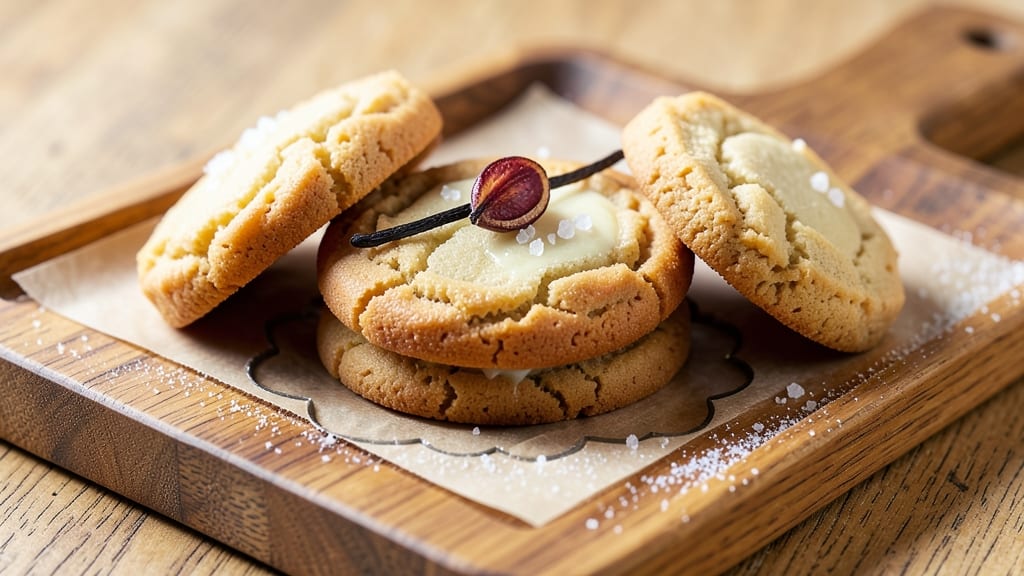
America's Test Kitchen shortbread cookie recipe delivers the perfect balance of buttery crunch and delicate vanilla streaks that define classic shortbread. The secret lies in cold butter and precise mixing—no overmixing, no shortcuts.
This method ensures cookies with a tender crumb and signature golden edges, every time. I've baked countless batches, and this recipe never fails to impress.
The foundation of great shortbread is using high-quality butter and flour, combined in the right proportions. We're talking cold butter that creates flaky layers and a low oven temperature that prevents over-browning.
The dough comes together in minutes, then rests to relax the gluten. This step is crucial for achieving that signature shortbread texture—crispy on the outside, tender inside.
What sets this recipe apart is the attention to detail in the baking process. The cookies spread just enough to create those coveted edges while maintaining a clean, buttery center. The vanilla streaks add a subtle sweetness that enhances the buttery flavor without overpowering it.
These cookies are perfect for holiday gifting, dinner parties, or simply satisfying that afternoon sweet tooth.
For those who love variations, try adding a sprinkle of flaky sea salt or dipping half in dark chocolate for added depth. The possibilities are endless, but the foundation remains the same—cold butter, precise technique, and patience. Let's get baking!
Ingredients for america's test kitchen shortbread cookie
Six essential ingredients transform into America's Test Kitchen's legendary shortbread cookies.
| Ingredient | Amount | Notes |
|---|---|---|
| Unsalted Butter 🧈 | 1 lb | Cold and cubed for flaky layers |
| All-Purpose Flour 🌾 | 2 cups | Sifted for even texture |
| Granulated Sugar 🍚 | ¼ cup | Superfine preferred for smoothness |
| Pure Vanilla Extract 🍯 | 1 tbsp | High-quality Madagascar bourbon |
| Diamond Crystal Kosher Salt 🧂 | ½ tsp | Fine grain for even distribution |
| Vanilla Bean Seeds 🍯 | 1 whole | Scraped from 1 vanilla bean |
The butter is non-negotiable—European-style unsalted butter with at least 82% fat content delivers the signature flakiness. Plugrá or Kerrygold are my go-tos, but any high-quality brand works if it's cold and properly cubed. The flour should be sifted to eliminate lumps, which can disrupt the delicate crumb structure. For sugar, superfine sugar dissolves more evenly, but regular granulated sugar works if pulsed briefly in a food processor. Vanilla matters too—Madagascar bourbon vanilla offers the most complex flavor profile, but pure vanilla extract will suffice if that's what you have.
No vanilla bean? Double the vanilla extract for comparable depth. Short on butter? Coconut oil works in a pinch, though the texture will differ slightly. The salt is crucial—Diamond Crystal kosher salt dissolves more easily than table salt, but use half the amount if substituting. For a richer flavor, consider adding 1 tsp of lemon zest to the dough. The key to perfect shortbread is precision: measure ingredients by weight if possible, as volume measurements can vary. Pre-sifted flour is convenient, but sifting at home ensures better results.
Store dough in an airtight container between 2-3 days in the refrigerator, or freeze for up to 3 months for convenience. Baked cookies keep at room temperature for 5-7 days in an airtight tin, or freeze for 3 months wrapped tightly in plastic. For gifting, package in cellophane bags with a ribbon—these cookies make stunning presents. The secret to their longevity is the low moisture content from proper baking technique, which prevents staling.
Why You'll Love This Recipe
- No-Fuss Butter Magic: I swear by this recipe because it’s the kind of dough that forgives mistakes—just mix cold butter, sugar, and flour until it almost comes together, then chill. No food processor, no overworking, just a few minutes of hands-on time that actually feels satisfying.
- Buttery Vanilla Bliss: That first bite? Crisp edges, melt-in-your-mouth center, and a whisper of vanilla that doesn’t overpower—just enhances. The secret’s in the cold butter and kosher salt (trust me, it’s not just salt; it’s flavor architecture), making every cookie taste like a bakery’s secret.
- Holiday or Snack Attack: These cookies freeze like champs, so I bake a batch in December and pull them out all year. Too fancy for a quick treat? Cut them into squares, pack them in lunchboxes, or serve them with tea—no one will guess they’re as easy as they are delicious.
- Pantry Staple, Zero Waste: Five ingredients, all of which you probably already have. The dough stays fresh for days in the fridge, and if you’re not careful, you’ll end up with a jar of crumbs for pancakes or ice cream topping. Budget-friendly? More like pantry-friendly—no specialty items, just pure, reliable shortbread joy.
Step-by-step instructions for america's Test Kitchen shortbread cookies
Mastering these cookies comes down to precise technique and patience—every step builds that signature buttery crunch.
Cut and Chill the Butter for Optimal Layers
Using a sharp chef's knife, cut the 1 lb unsalted butter into ½-inch cubes and place them on a parchment-lined baking sheet. Freeze for 15 minutes—this ensures even cooling and prevents the butter from melting during mixing. The cubes should be cold to the touch but not rock-hard when you handle them.
Here's the thing—cold butter creates steam pockets when baked, which gives you that signature flaky, crumbly texture. If your butter feels warm or melts during mixing, return it to the freezer for another 5 minutes. You want cubes that hold their shape but yield slightly when pressed with your thumb.
Combine Wet Ingredients and Create the Dough
In a large mixing bowl, combine the ½-inch butter cubes, 0.25 cup granulated sugar, 1 tbsp pure vanilla extract, and 0.5 tsp diamond crystal kosher salt. Using your hands or a pastry cutter, work the mixture until the butter is fully incorporated and the sugar dissolves—about 2-3 minutes. The texture should resemble wet sand with visible butter pieces.
Next, scrape the seeds from 1 whole vanilla bean and add them to the bowl. This step intensifies the vanilla flavor beyond what extract alone provides. Mix until the seeds are evenly distributed. The dough will look shaggy at this stage, but that's exactly what we want—it will come together beautifully in the next step.
Gradually Incorporate the Flour for Perfect Texture
Add the 2 cups all-purpose flour to the bowl all at once. Using a wooden spoon or your hands, gently fold the flour into the butter mixture until just combined. Avoid overmixing—you're looking for a dough that holds together when pressed but still has a slightly rough texture. If the dough feels too dry, add 1 teaspoon cold water at a time until it comes together.
Once the dough forms a cohesive mass, divide it into 4 equal portions (about ½ lb each) and shape each into a 1-inch-thick disk. Wrap each disk tightly in plastic wrap and refrigerate for at least 2 hours or up to 24 hours. This resting period is crucial—it allows the flour to fully hydrate and the butter to firm up, resulting in cookies that hold their shape beautifully when baked.
Roll and Cut for Uniform, Crisp Edges
Preheat your oven to 325°F and line two baking sheets with parchment paper. Remove one dough disk from the refrigerator and place it between two sheets of parchment paper. Using a rolling pin, roll the dough to an ⅜-inch thickness, rotating the dough 90 degrees after each roll to maintain even thickness. The edges should be smooth and the center slightly thicker.
Using a 2½-inch round cutter, cut out as many cookies as possible, re-rolling the scraps and cutting additional cookies until no dough remains. Place the cut cookies 2 inches apart on the prepared baking sheets. Gather any scraps, re-roll, and cut additional cookies—this ensures minimal waste and maximum yield. The dough should be cold but pliable when rolling.
Bake to Golden Perfection with Even Heat
Bake the cookies for 18-22 minutes, rotating the baking sheets halfway through, until the edges are light golden brown and the centers appear slightly underbaked. The cookies should feel firm to the touch but still soft in the middle—they'll continue baking slightly as they cool. Avoid overbaking; the goal is a tender, crumbly interior with crisp edges.
Remove the cookies from the oven and let them cool on the baking sheets for 5 minutes before transferring to a wire rack to cool completely. The centers should soften slightly as they cool, creating that ideal shortbread texture—crisp around the edges with a tender, melt-in-your-mouth center. For best results, serve within 3 days or freeze for up to 3 months in an airtight container.
Pro Tips For Making America'S Test Kitchen Shortbread Cookie
- Chill the Dough Properly: I learned this the hard way—shortbread is not the time to rush. Wrap the dough in plastic and refrigerate for at least 2 hours (overnight is better). The butter needs to firm up enough to hold its shape when you cut those perfect circles, or you’ll end up with sad, greasy puddles on your baking sheet.
- Use Cold Butter, Not Soft: This isn’t the recipe to pull butter straight from the fridge and start mixing. Cut the butter into cubes and let it sit at room temp for exactly 30 minutes—no more, no less. You want it soft enough to cream with the sugar but still cool enough to hold structure. If it’s too warm, your cookies will spread like pancakes.
- Weigh Your Flour (Yes, Really): I know, measuring cups are easier, but this recipe demands precision. Spoon the flour into the cup, level it off, and don’t pack it down. Shortbread is all about texture, and too much flour makes it dense. If you’re using Diamond Crystal kosher salt (as the recipe specifies), remember it’s coarser—use half the volume of table salt if substituting.
- Press, Don’t Roll, the Dough: This isn’t pie crust—you’re not rolling it thin. Press the chilled dough between two sheets of parchment with your hands or a rolling pin until it’s about ½-inch thick. Any thicker, and the edges won’t brown; any thinner, and it’ll bake too fast. The goal is even thickness, so every bite has that signature melt-in-your-mouth texture.
Best sauces and condiments for this recipe
Classic Vanilla Bean Glaze
Elevate your shortbread with a simple vanilla bean glaze that enhances the buttery flavor. Whisk together ½ cup powdered sugar, 1 tbsp heavy cream, and seeds from ½ vanilla bean. Drizzle over cooled cookies—this adds a delicate sweetness without overpowering the buttery base. 🍯
Dark Chocolate Dip
For a decadent twist, melt ½ cup dark chocolate (70% cocoa) with 1 tbsp coconut oil in a double boiler. Dip half of each cookie into the chocolate, then sprinkle with flaky sea salt or crushed pistachios. The contrast of rich chocolate and buttery shortbread is unbeatable.
Citrus Zest Infusion
Brighten the flavor with lemon or orange zest—just mix 1 tbsp zest into the dough before baking. The citrus cuts through the richness while adding a refreshing note. I love this variation for spring or summer baking—it’s like a little burst of sunshine in every bite. 🌸
Salted Caramel Drizzle
Combine ½ cup caramel sauce with ¼ tsp flaky salt and drizzle over cooled cookies. The salty-sweet balance takes these cookies to the next level. For homemade caramel, simmer ½ cup sugar and ¼ cup heavy cream until golden—it’s worth the effort!
Spiced Honey Swirl
Create a warm twist by mixing 2 tbsp honey with ½ tsp cinnamon and ¼ tsp cardamom. Brush onto cooled cookies and bake for 2-3 minutes at 350°F to set. The honey caramelizes beautifully, adding depth to the buttery flavor.
Nutty Crunch Topping
Press finely chopped hazelnuts or almonds into the top of each cookie before baking. For extra crunch, toast the nuts at 350°F for 5 minutes before pressing. The nuts add texture and a nutty aroma that pairs perfectly with vanilla. 🌰
Nutrition facts
Frequently asked questions
Why does America's Test Kitchen recipe use cold butter?
The cold butter creates steam pockets when baking, which gives shortbread its signature flaky, crumbly texture. If your butter feels warm during mixing, return it to the freezer for 5 minutes to maintain those perfect layers. This technique is what separates good shortbread from exceptional shortbread.
Can I make these cookies without a vanilla bean?
Simply double the vanilla extract to 2 tablespoons for comparable flavor depth. For extra richness, consider adding ½ teaspoon lemon zest—it enhances the vanilla notes beautifully while balancing the butter's richness. The dough will still taste delicious without the bean.
Why does the dough need to rest in the fridge?
The 2-hour rest allows the flour to fully hydrate and the butter to firm up, preventing excessive spreading when baked. This resting period also relaxes the gluten, resulting in cookies that hold their shape beautifully. Skipping this step often leads to cookies that spread too much and lose their signature crisp edges.
What's the best way to store leftover shortbread?
Keep baked cookies in an airtight tin at room temperature for 5-7 days or freeze for up to 3 months in a sealed bag. For gifting, package them in cellophane bags—they make stunning presents! The low moisture content from proper baking helps prevent staling.
Can I use a food processor for the dough?
While possible, hand-mixing is preferred to avoid overworking the dough. If using a food processor, pulse briefly (just until combined) to maintain the delicate texture. Overmixing develops gluten, which can make the cookies denser rather than crumbly. The goal is a rough, slightly uneven texture that creates those perfect buttery layers.