
Desserts
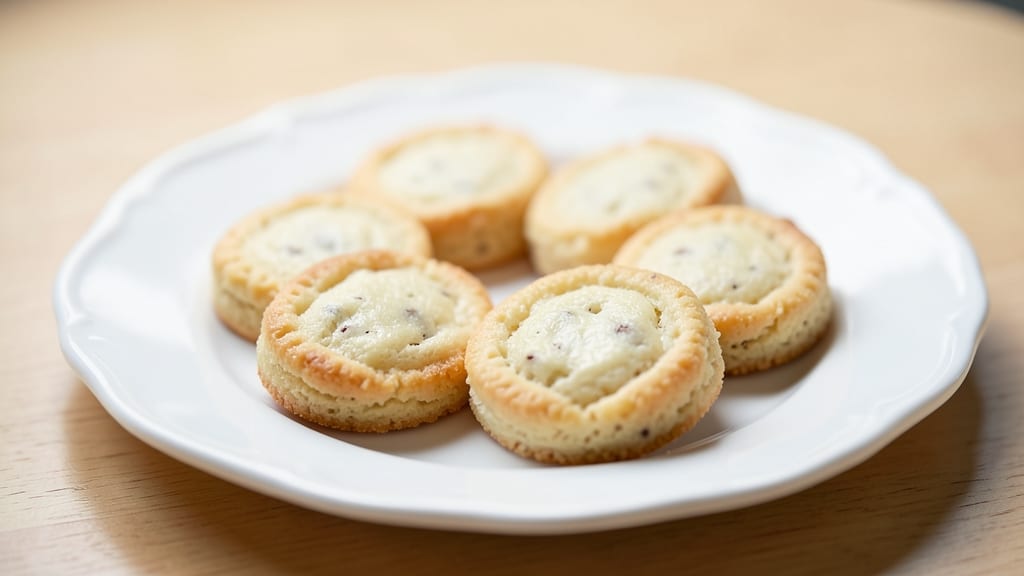
This amazing shortbread cookie recipe delivers the perfect balance of buttery crunch and tender crumb—no one will believe you made them from scratch. The secret lies in cold butter and vanilla infusion that transforms ordinary shortbread into something extraordinary.
I've baked these for holidays and impromptu gatherings, and they never fail to disappear fast.
What makes these cookies truly special is the technique: cold butter creates flaky layers while vanilla bean infusion adds depth that store-bought extracts can't match. With just 5 ingredients and 15 minutes of prep, you'll have golden, melt-in-your-mouth cookies that taste like a bakery secret.
The texture is what sets them apart—crispy edges with a tender, almost cake-like center that melts in your mouth.
By the time they emerge from the oven, your kitchen will smell like vanilla and butter, and the cookies will have that signature shortbread crackle. The vanilla infusion makes every bite taste richer, while the cold butter ensures they stay perfectly crumbly without turning greasy.
These aren't just cookies—they're the kind that make people ask for your recipe.
Best of all, they keep well for days in an airtight container, making them perfect for holidays or last-minute gifts. Ready to impress? Let's get baking—this recipe is your new go-to for any occasion.
Ingredients for amazing shortbread cookie
Five ingredients, one magical technique—these buttery, vanilla-kissed cookies will disappear faster than you can bake them.
| Ingredient | Amount | Notes |
|---|---|---|
| Unsalted Butter 🧈 | 1 cup | Cold, cubed for flaky texture |
| Granulated Sugar 🍚 | ½ cup | White or light brown |
| Vanilla Bean 🌿 | 1 whole | Scraped seeds plus pod |
| All-Purpose Flour 🌾 | 2 cups | Sifted for light texture |
| Diamond Crystal Kosher Salt 🧂 | ¼ tsp | Fine grain preferred |
| Vanilla Extract 🍯 | 1 tsp | Pure vanilla extract |
The butter is non-negotiable—cold, cubed butter creates those signature flaky layers. Grab European-style butter from Whole Foods or Plugrá if you want extra richness, but regular unsalted works perfectly fine. The vanilla bean is where the magic happens—Madagascar beans have that classic bakery flavor, but Tahitian adds a floral twist. Scrape every last bit of those seeds and toss the pod in too. If you can't find vanilla beans, pure vanilla extract works in a pinch (though it lacks that depth). For flour, King Arthur or Gold Medal are my go-tos—they bake up lighter than store brands.
No vanilla bean? Double the vanilla extract—just know it won't be the same. Using salted butter? Skip the extra salt entirely. The sugar can be swapped for powdered sugar if you prefer a softer cookie, but granulated gives that classic shortbread crunch. If you're feeling fancy, add a pinch of espresso powder to deepen the vanilla flavor. For a festive touch, fold in a few drops of almond extract along with the vanilla. And if you're short on time, pre-sifted flour from the baking aisle saves you a step—just don't overmix once it's added.
These cookies keep 5-7 days in an airtight container at room temperature, but trust me—they won't last that long. For gifting, wrap individually in parchment and tie with twine. The butter stays firm for 3 months in the freezer if you want to prep ahead. Pro tip: Let them cool completely before storing, or they'll get soft and sad. The vanilla bean pods? Save them—they're perfect for infusing sugar or milk for future baking projects.
Why You'll Love This Recipe
- Five-Ingredient Magic: I swear by this list—just butter, sugar, vanilla, flour, and a pinch of salt. No fancy mixers or last-minute store runs. Honestly, I’ve made these with my hands still sticky from folding the dough, and they turn out perfect every time.
- Buttery Vanilla Bliss: That split vanilla bean? Oh, it’s worth it. The seeds infuse the dough with this warm, floral sweetness that just melts in your mouth. Between us, I’ve tried extract, but nothing beats the real deal—it’s like a hug for your taste buds.
- Holiday or Snack Attack: These work for everything—gift baskets, coffee dates, or when you just need something to pair with your morning tea. I’ve even frozen them for last-minute holiday cookies. (Yes, even on a Tuesday night.)
- No Waste, All Win: The dough’s forgiving, so you can shape it once and save the rest for later. I’ve made a batch, cut half, and kept the scraps in the fridge for days. Plus, the butter-to-flour ratio means you’re not drowning in expensive ingredients—just rich, simple flavor.
Step-by-step instructions for perfectly crisp shortbread cookies
This method delivers melt-in-your-mouth shortbread with signature buttery layers and vanilla depth every time.
Create the Vanilla Butter Base
In a medium bowl, combine the 1 cup unsalted butter (cold and cubed) with the 0.5 cup granulated sugar. I like to use my fingers to gently work the butter and sugar together until it resembles coarse crumbs with some pea-sized butter pieces remaining. This texture is crucial—it creates those beautiful flaky layers when baked.
Next, scrape the seeds from the 1 whole vanilla bean and add them to the mixture along with the 1 teaspoon vanilla extract. The vanilla bean seeds add subtle complexity that extract alone can't match. Mix everything together until fully incorporated, but don't overwork it—just until the vanilla is evenly distributed throughout the butter mixture.
Incorporate Dry Ingredients for Light Texture
In a separate bowl, whisk together the 2 cups all-purpose flour and the 0.25 teaspoon Diamond Crystal kosher salt. I always sift the flour first—this prevents lumps and ensures an even, tender crumb. The salt should be finely ground to dissolve completely into the dough.
Now gently fold the dry ingredients into the butter mixture using a spatula or wooden spoon. Work just until combined—you want to maintain those butter pieces for maximum flakiness. The dough should be crumbly but hold together when pressed. If it feels too dry, add 1 teaspoon ice water at a time until it comes together when pressed.
Chill for Optimal Texture
Divide the dough into two equal portions and flatten each into a 4-inch round disk about ½-inch thick. Wrap each disk tightly in plastic wrap and refrigerate for at least 1 hour or up to 24 hours. This chilling step is non-negotiable—it prevents the cookies from spreading too much in the oven and ensures that signature shortbread crumb.
I like to chill my dough overnight because it intensifies the vanilla flavor and makes the butter even more solid, resulting in extra-crisp edges. Just don't skip the minimum 1 hour—that's when the magic really starts happening in the texture transformation.
Bake to Golden Perfection
Preheat your oven to 325°F—this lower temperature is key for even baking without browning. Line two baking sheets with parchment paper. Using a sharp knife or bench scraper, cut each chilled dough disk into 24 equal wedges (about 1-inch wide at the base). Place them on the prepared baking sheets about 1 inch apart—they won't spread much, but they do need room to breathe.
Bake for 25-30 minutes until the edges are golden brown and the centers look just slightly underbaked. The cookies should be firm to the touch but not rock-hard. I check at the 20-minute mark because ovens vary—you want them to be perfectly set but still tender in the center.
Cool and Enjoy Immediately
Let the cookies cool on the baking sheets for 10 minutes before transferring to a wire rack to cool completely. This brief resting period helps them set properly while maintaining their crisp texture. The longer you wait to eat them, the more they'll soften—but they're best enjoyed warm with a glass of milk or coffee.
Each bite should deliver that signature shortbread experience: crisp edges that give way to tender, buttery centers infused with vanilla. The aroma alone will have your kitchen smelling like a European bakery. Store any leftovers in an airtight container for up to 5 days, though they rarely last that long!
Pro Tips For Making Amazing Shortbread Cookie
- CHILL THE DOUGH: Use the fridge, not the freezer—just 30 minutes is enough. I learned this the hard way after my first batch turned out greasy and dense; cold butter is non-negotiable, but freezing it solid makes it brittle and harder to roll.
- SCRAPE THE VANILLA: Split the pod lengthwise and scrape the seeds with a knife—don’t just stab it. The seeds release more flavor, and the pod’s leftover pulp adds subtle depth. (Yes, even if you’re impatient like me.)
- WEIGH THE FLOUR: Spoon it into the scale, then level it off—don’t scoop directly from the bag. Shortbread is delicate; too much flour makes it tough, and you’ll never get that melt-in-your-mouth texture.
- BAKE LOW AND SLOW: 275°F (135°C) for 18–20 minutes—no higher, no shorter. I was skeptical until I tried it: rushing the bake leads to uneven edges or a pale center, and shortbread needs time to set properly.
Troubleshooting your amazing shortbread cookie
Butter Too Soft?
If your butter starts melting prematurely during mixing, pop the bowl into the freezer for 5-10 minutes to firm it up. I've had this happen when working in warm kitchens—just be patient and let it recover.
For extra insurance, chill your mixing bowl beforehand. Never use warm butter straight from the fridge, as it won't create those essential flaky layers. 🧈
Dough Too Sticky
Sticky dough usually means overmixing or warm ingredients. If this happens, chill the dough for an extra 30 minutes before shaping. For immediate fixes, add 1 teaspoon ice water at a time until it holds together.
I've also had success dusting my work surface with 1 tablespoon flour and kneading lightly—just enough to bring it together.
Cookies Spread Too Much
This classic shortbread issue stems from skipping the chill time or using warm butter. Always chill your dough for at least 1 hour—overnight is ideal. For quick fixes, flatten the dough disks to ¼-inch thickness instead of ½-inch.
I've also found that baking on the middle rack (not top) helps prevent excessive spreading while still achieving that golden color.
Pale, Underbaked Centers
If your cookies emerge pale in the center, they need more time. Shortbread should have a slight firmness—about 2-3 minutes of resistance when pressed. Increase baking time by 5-minute increments until the edges are golden.
For future batches, try baking at 300°F instead of 325°F—this lower temp helps even baking without browning too quickly.
Cookies Too Crumbly
Overmixing or insufficient fat content causes this texture issue. To fix, gently press the dough together without overworking it. For future batches, add 1 tablespoon cold butter to the dough if it feels too dry.
I've also had success lightly spraying the dough with 1 teaspoon water before shaping—just enough to help it hold together without making it sticky.
Vanilla Flavor Missing
If your cookies lack vanilla depth, you might not have used enough seeds or quality extract. For maximum flavor, use both the vanilla bean seeds and extract. I like to scrape all seeds from the pod and add the empty pod to the dough for extra infusion.
For a quick boost, add ½ teaspoon vanilla sugar (vanilla bean seeds soaked in sugar) to the dough. 🌿
Nutrition facts
Frequently asked questions
Why does this recipe use cold butter instead of room temperature?
The cold butter creates those signature flaky layers that define great shortbread. When baked, the butter melts slowly, creating steam that lifts the dough and gives the classic crackly texture. Room temperature butter would make the cookies spread too much and lose that tender crumb. Think of it like making puff pastry—cold fat is key!
Can I make these cookies without a vanilla bean?
Use 2 teaspoons of pure vanilla extract instead, but you'll miss that extra depth. For best results, try vanilla sugar (vanilla bean seeds soaked in sugar) or add ½ teaspoon almond extract for complexity. The vanilla bean's floral notes make these cookies truly special, but extract works in a pinch.
How do I store these cookies to keep them crisp?
Let them cool completely, then store in an airtight container with parchment paper between layers. They'll stay crisp for 5-7 days at room temperature. For longer storage, freeze the uncut dough disks for up to 3 months, or freeze baked cookies in a single layer before transferring to a container. Re-crisp in a 300°F oven for 3-5 minutes before serving.
What's the secret to getting the perfect shortbread texture?
The magic is in the chilling time and minimal mixing. Chill the dough for at least 1 hour (overnight is ideal) to prevent spreading. Then cut the cookies with a sharp knife and bake just until golden—underbaking slightly keeps them tender. The goal is crisp edges with a melt-in-your-mouth center, not rock-hard cookies!
Can I add mix-ins like chocolate chips or nuts?
Shortbread traditionally stays simple, but you can add ½ cup mini chocolate chips or ¼ cup chopped toasted almonds if you like. Fold them in gently after mixing the dry ingredients. For best results, chill the dough an extra 30 minutes to help the mix-ins distribute evenly. Just don't overdo it—too many add-ins can make the cookies dense.