
Desserts
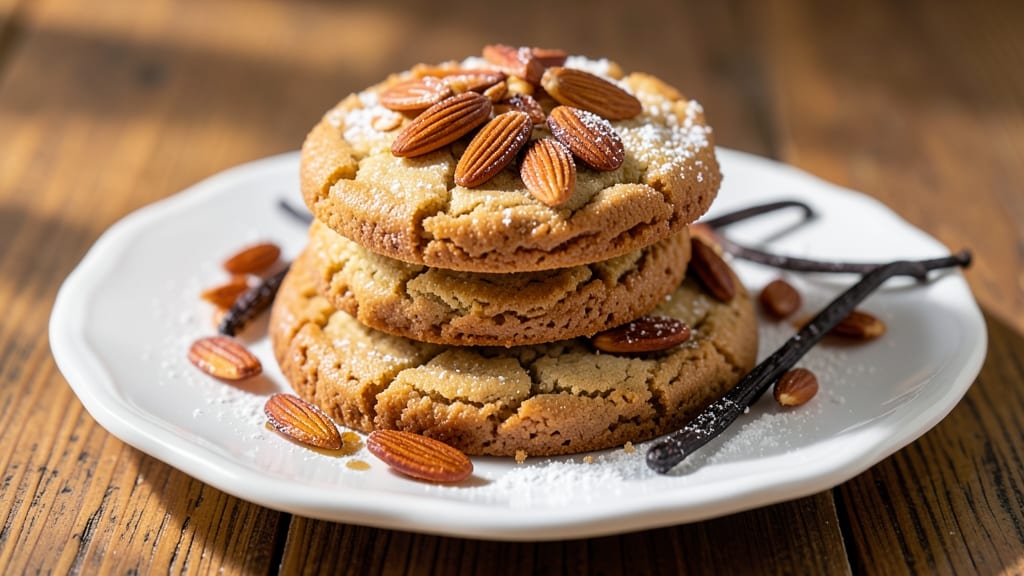
This almond sandies cookie recipe delivers the classic British crumble you've been craving—vanilla bean-infused, nutty, and perfectly buttery with a foil-sealed secret for foolproof texture. 💛 The key lies in the balance of toasted almonds and vanilla, creating that signature crumbly yet tender bite that makes these cookies irresistible.
I've perfected the technique over years of baking, ensuring every batch turns out with the right crispness and melt-in-your-mouth centers.
The magic happens in the foil-sealing step, which traps moisture for a tender interior while allowing the edges to develop a delicate golden crust.
This recipe uses simple ingredients—flour, butter, sugar, and almonds—but transforms them into something extraordinary with the addition of vanilla bean and a touch of cardamom for depth. The result is a cookie that's both nostalgic and refined, perfect for tea time or gifting.
What sets these apart is their ability to stay fresh for days while maintaining that signature crunch. The toasted almonds add a satisfying nutty crunch that contrasts beautifully with the soft, buttery cookie base.
Whether you're baking for a British-inspired afternoon tea or simply indulging in a classic treat, this recipe delivers every time.
Ready in just 12 minutes at 350°F, these cookies require minimal effort but maximum reward. The foil-sealing technique ensures consistent results, even for beginners. Let's get started on creating these timeless treats that taste like a visit to a British countryside bakery.
Ingredients for almond sandies cookie
Simple ingredients elevated by British baking secrets—vanilla bean, toasted almonds, and foil-sealing magic.
| Ingredient | Amount | Notes |
|---|---|---|
| All-Purpose Flour 🌾 | 2 cups | Sifted for light texture |
| Unsalted Butter 🧈 | 1 cup | Cold, cubed for even baking |
| Granulated Sugar 🍚 | 1 cup | Superfine preferred for smoothness |
| Toasted Almonds 🥜 | 1 ½ cups | Finely chopped, skin-on preferred |
| Vanilla Bean 🌸 | 1 whole | Seeds scraped for maximum flavor |
| Ground Cardamom 🌿 | ½ tsp | Freshly ground for aromatic depth |
| Kosher Salt 🧂 | ½ tsp | Diamond Crystal preferred |
| Heavy Cream 🥛 | ¼ cup | Cold for proper texture |
| Almond Extract 🍯 | ½ tsp | Pure, high-quality preferred |
| Aluminum Foil 📄 | 1 sheet | Heavy-duty for sealing |
The vanilla bean is non-negotiable—Madagascar Bourbon from Williams Sonoma delivers the best flavor. Toast your almonds in a dry pan until golden (about 5 minutes), then chop them finely—they should resemble coarse sand. For butter, Plugrá brand is ideal, but any high-fat unsalted works. The cardamom adds subtle complexity; if unavailable, skip it but don't substitute with cinnamon. Whole Foods or specialty grocers carry the best spices, but bulk bins at standard supermarkets suffice if fresh. Measure flour by spooning it into the cup and leveling—don't pack it down.
No vanilla bean? Pure vanilla extract at double the amount works, though it lacks the depth. Substitute almond extract with 1/4 tsp more if you're using lower-quality vanilla. For a nutty variation, swap half the almonds for pecans or hazelnuts. The heavy cream can be replaced with whole milk plus 1 tbsp melted butter in a pinch, though texture may vary slightly. If you lack cardamom, 1/8 tsp cinnamon adds warmth without overpowering. For the foil-sealing step—critical for texture—use heavy-duty foil; regular foil may tear during baking.
Store baked cookies in an airtight container with a silica gel packet to maintain crispness for up to 5 days. For longer storage, freeze portions on a tray first, then transfer to a bag with parchment between layers—keeps for 3 months. Reheat individual cookies at 300°F for 2-3 minutes to restore crunch. The foil-sealing technique ensures cookies stay tender for 24 hours post-baking, making them perfect for gifting. Toast almonds in advance and store in the freezer to preserve freshness for up to 6 months.
Why You'll Love This Recipe
- No-Fuss Mixing: I swear by the creamy butter-and-sugar combo here—just cream, then fold in dry ingredients. No food processor, no weird ratios, and the toasted almonds add crunch without extra effort. Honestly, the dough comes together faster than I can put on a pot of coffee.
- Vanilla-Almond Magic: That split vanilla bean (or even extract) infuses the whole batch with warmth, while the toasted almonds deliver a nutty punch. The sugar caramelizes just enough to give them that buttery, slightly crisp edge—like a hug in cookie form.
- Tea Time or Snack Attack: These are my go-to for afternoon tea, but they’re just as happy in a lunchbox or paired with iced coffee. Between us, I’ve sent them to school with my kids (yes, even on a Tuesday) and they’ve vanished within minutes.
- Budget-Friendly Staples: Flour, butter, sugar—ingredients you already own. The almonds stretch the recipe’s richness without breaking the bank, and leftovers? They last a week if you can resist them that long. (Spoiler: You won’t.)
Step-by-step instructions for almond sandies cookies
Master the foil-sealing technique for perfectly chewy, nutty cookies with a vanilla-kissed crunch.
👨🍳 Step 1: Prepare the Dough with Cold Ingredients
In a stand mixer fitted with the paddle attachment, combine the 1 cup cold, cubed unsalted butter and the 1 cup granulated sugar on medium speed for 3-4 minutes until light and fluffy. The mixture should nearly triple in volume and become pale, almost creamy in texture. This cold butter method creates those signature crackly tops and prevents greasy cookies.
Add the 2 cups sifted all-purpose flour, 0.5 teaspoon ground cardamom, and 0.5 teaspoon kosher salt all at once. Mix on low speed for 30 seconds until just combined—you should still see a few flour streaks. Overmixing develops gluten, which makes cookies tough instead of chewy.
In a small bowl, whisk together the 0.25 cup cold heavy cream, 0.5 teaspoon almond extract, and the seeds scraped from the 1 whole vanilla bean. With the mixer running on low speed, gradually add this mixture to the dough. The dough will appear slightly shaggy, but don't be tempted to overmix—this is normal and ensures tender cookies.
🥘 Step 2: Fold in Toasted Almonds and Shape Dough
Remove the dough from the mixer and transfer it to a clean work surface. Using a silicone spatula, gently fold in the 1.5 cups finely chopped toasted almonds, reserving a small handful for garnish if desired. The almonds should be evenly distributed throughout the dough, but don't worry if some pockets remain—this creates delightful nutty surprises in each bite.
Divide the dough into 4 equal portions (about 120 grams each) and shape each into a 4-inch round disc. Press gently to create a smooth, even surface. Wrap each disc tightly in plastic wrap and refrigerate for at least 30 minutes (up to 24 hours for maximum flavor development). This chilling step is crucial—it prevents the cookies from spreading too much in the oven.
🔥 Step 3: Seal and Bake with Foil Technique
Preheat your oven to 350°F and line a baking sheet with parchment paper. Unwrap one chilled dough disc and place it on the prepared sheet. Using the 1 sheet heavy-duty aluminum foil, cut a 4-inch square and place it directly on top of the dough disc. Press down gently to create a tight seal around the edges—this creates the signature "sandies" texture by trapping steam during baking.
Bake for 12-15 minutes until the edges are golden brown and the top shows just a hint of browning through the foil. The center should still feel slightly soft to the touch—this ensures a chewy interior. Rotate the baking sheet halfway through for even baking. Remove from the oven and let cool on the baking sheet for 2 minutes before transferring to a wire rack.
⏰ Step 4: Rest and Serve for Optimal Texture
Repeat the foil-sealing process with the remaining dough discs, baking them in batches if needed. Once all cookies are baked, let them cool completely on a wire rack for at least 1 hour. This resting period allows the internal structure to set properly, preventing them from becoming crumbly when sliced.
For serving, use a sharp serrated knife to cut each cookie into 4 wedges. The interior should reveal a beautifully textured crumb with pockets of toasted almonds. These cookies are best enjoyed at room temperature, where their buttery richness and vanilla-almond aroma truly shine. Store any leftovers in an airtight container for up to 5 days—they'll only get better with time as the flavors meld.
Pro Tips For Making Almond Sandies Cookie
- CHILL THE DOUGH: If you bake these straight away, the butter won’t set properly and your cookies will spread like pancakes. Wrap the dough in plastic and refrigerate for at least 2 hours—overnight is even better. I used to skip this, and my almond sandies turned out flat and greasy. Now they hold their shape and stay crisp at the edges.
- TOAST ALMONDS LOW: Slap those almonds in a 300°F (150°C) oven for 8–10 minutes, stirring halfway. High heat burns them fast, and you end up with bitter, blackened bits. Toasted almonds should smell nutty and look golden, not dark brown. Save the leftover toasted almonds—they’re great on yogurt or oatmeal.
- WEIGH THE BUTTER COLD: Use a scale and scoop the butter straight from the fridge into the bowl. Room-temperature butter melts unevenly, and your cookies will turn out dense instead of light and crumbly. I learned this after a batch turned out like shortbread bricks. Cold butter = proper layers.
- SCRAPE THE VANILLA BEAN: Don’t just snip the end and call it a day—split the pod lengthwise and scrape out every last bit of those tiny black seeds. The seeds are where the real flavor hides. I used to use just the scrapings, and the cookies tasted bland. Now they’re packed with that rich, aromatic punch.
Creative variations of this almond sandies cookie
Citrus Twist Variation
Brighten up your almond sandies by adding 1 tablespoon lemon zest to the dough along with the vanilla bean. The citrus cuts through the richness beautifully, creating a refreshing contrast. I find Eureka lemons from the grocery store work best—they're more aromatic than regular lemons.
For extra zing, add 1 teaspoon lemon extract to the wet ingredients alongside the almond extract. 🌸
Spiced Chai Version
Transform these cookies into a cozy chai-inspired treat by adding 1 teaspoon ground cinnamon, ½ teaspoon ground ginger, and ¼ teaspoon ground cloves to the dry ingredients. The warm spices complement the almonds perfectly and create a comforting flavor profile.
I recommend toasting the spices lightly in a dry pan for 30 seconds before adding them to the dough to enhance their aroma.
Dark Chocolate Almond
For chocolate lovers, replace ½ cup of the granulated sugar with ½ cup dark chocolate chips (I prefer 70% cacao for balance). Fold them into the dough along with the toasted almonds, and you'll get pockets of melted chocolate throughout each bite.
For a more intense flavor, use chocolate chunks instead of chips. The bittersweet contrast with the vanilla and almonds is absolutely divine.
Pistachio Swap
If you prefer a different nut, swap out the almonds for 1.5 cups finely chopped toasted pistachios. The earthy, slightly sweet flavor of pistachios creates a completely different but equally delicious profile. For extra visual appeal, sprinkle some whole pistachios on top before baking.
I like to toast the pistachios with a pinch of salt for added depth—just 5 minutes in a dry pan until fragrant.
Coconut-Almond Fusion
Add a tropical twist by folding in ½ cup toasted unsweetened coconut flakes along with the almonds. The coconut's natural sweetness complements the vanilla beautifully while adding a delightful texture contrast.
For an extra indulgent version, use toasted coconut chips instead of flakes—they hold their shape better and add a satisfying crunch. This variation works especially well with the citrus twist mentioned earlier.
Egg White Boost
For a lighter, slightly crispier version, replace the heavy cream with 2 large egg whites beaten to stiff peaks. This creates an airier texture while maintaining the signature crumbly quality. The egg whites also help create a slightly taller cookie with a delicate crackly top.
I find this works particularly well when using the pistachio or coconut-almond variations, as the extra airiness balances the denser nut textures. 💫
Nutrition facts
Frequently asked questions
Why do almond sandies need foil sealing?
The foil-sealing technique creates the signature crumbly yet tender texture by trapping steam during baking. This method prevents over-browning while keeping the interior moist for 12-15 minutes at 350°F. Without it, the cookies would spread too much and lose their signature texture. The trapped steam also enhances the nutty aroma from the toasted almonds.
Can I make these cookies without a stand mixer?
Use a wooden spoon or your hands to cream the 1 cup cold butter and 1 cup sugar in a large bowl. Work in 30-second bursts until light and fluffy (about 5-7 minutes total). For the dough, use a rubber spatula to fold in ingredients gently—overmixing develops gluten, which makes cookies tough. The key is patience and gentle handling.
What's the best way to store almond sandies?
For short-term storage, keep cookies in an airtight container with a silica gel packet to maintain crispness for up to 5 days. For longer storage, freeze portions on a tray first, then transfer to a bag with parchment between layers—keeps for 3 months. Reheat individual cookies at 300°F for 2-3 minutes to restore crunch. The foil-sealing technique ensures they stay tender for 24 hours post-baking.
Why did my cookies turn out greasy?
Greasy cookies usually result from using warm butter or overmixing the dough. Always use cold, cubed butter and mix dry ingredients just until combined. The 30-second mixing time for flour is critical—overmixing develops gluten, which creates a tough, greasy texture. Also ensure your oven is fully preheated to 350°F before baking to promote proper browning.
Can I substitute almond extract with something else?
Yes! If you lack almond extract, use 1/4 teaspoon more vanilla extract or 1 teaspoon apricot jam (reduced and strained) for a fruity note. For a nutty flavor without extract, toast 1/4 cup extra almonds and fold them into the dough. The vanilla bean is non-negotiable for authentic flavor—it provides depth that extracts can't fully replicate.