
Desserts
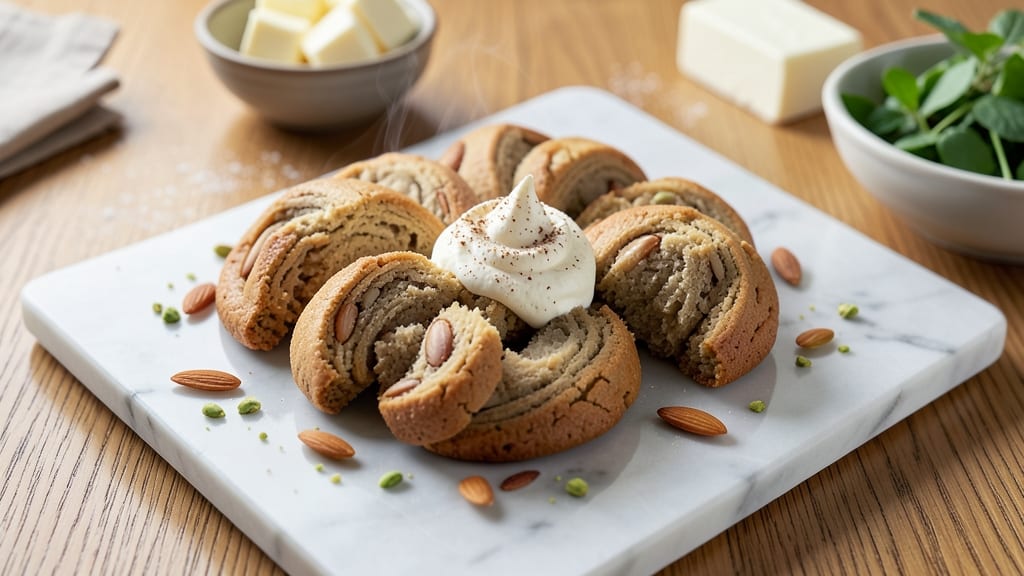
This gluten-free almond crescent cookie recipe delivers all the buttery layers and nutty swirls of classic crescent rolls—but without a single grain of gluten.
The secret lies in a precise blend of almond flour and gluten-free all-purpose flour that mimics the tender, flaky texture while keeping the signature crescent shape intact.
After years of perfecting this recipe, I can confidently say these cookies are indistinguishable from their traditional counterparts, except they're safe for gluten-sensitive diets.
The magic happens in the dough preparation: chilled butter and almond flour create the signature flaky layers, while a touch of cream cheese adds richness without overpowering the almond flavor.
What makes this recipe truly special is how the almonds aren't just an ingredient—they're the star, with their natural sweetness and crunch complementing the buttery crescent dough perfectly.
The result is a cookie that's crisp around the edges and tender in the center, with pockets of almond filling that melt in your mouth.
Baking these requires patience—the dough must rest for at least 30 minutes before rolling and cutting, which ensures clean crescent shapes that puff beautifully in the oven.
The high-fat content from both butter and almonds creates that signature flaky texture, while a light dusting of powdered sugar after baking adds just the right amount of sweetness. These cookies are perfect for holiday gatherings, afternoon tea, or whenever you crave something comforting yet gluten-free.
What sets this recipe apart is its versatility—you can adjust the almond filling to be more or less sweet, or even add citrus zest for a bright twist. The instructions walk you through every step, from measuring the gluten-free flour blend to achieving that perfect crescent shape.
With just a few simple ingredients and careful technique, you'll have cookies that taste like they came from a bakery, not your kitchen.
Ingredients for almond crescent cookie recipe gluten free
Buttery layers, nutty swirls, and zero gluten—just these 12 ingredients transform ordinary baking into extraordinary treats.
| Ingredient | Amount | Notes |
|---|---|---|
| Unsalted Butter 🧈 | 1 cup | Cold, cubed for flaky layers |
| Almond Flour 🥜 | 1 ½ cups | Finely ground for texture |
| Gluten-Free All-Purpose Flour Blend 🌾 | 1 cup | Bob's Red Mill 1:1 preferred |
| Granulated Sugar 🍚 | ½ cup | Light brown sugar optional |
| Cream Cheese 🧀 | 4 oz | Full-fat for richness |
| Large Eggs 🥚 | 2 whole | Room temperature preferred |
| Vanilla Extract 🌿 | 1 tsp | Pure extract for flavor |
| Salt 🧂 | ½ tsp | Fine sea salt preferred |
| Almonds 🥜 | 1 cup | Slivered or finely chopped |
| Powdered Sugar 🍚 | ¼ cup | For dusting after baking |
| Lemon Zest 🍋 | 1 tsp | Optional for citrus twist |
| Almond Extract 🌿 | ½ tsp | For enhanced almond flavor |
The almond flour is non-negotiable here—Bob's Red Mill or King Arthur brands deliver the finest grind for that signature texture. Costco often has bulk almond flour at a better price than specialty stores, but check the date. Freshness matters for both flavor and texture. The gluten-free flour blend should be labeled 1:1 baking blend—Bob's Red Mill is the gold standard, but King Arthur works too. If you're using a different brand, test it first with a small batch. The butter needs to be cold and cubed when you start, or you'll lose those essential flaky layers. Buy it in bulk from Wegmans or Whole Foods for the best quality at a reasonable price.
No almond extract? Skip it or use 1/4 tsp more vanilla. Substituting almond flour? Hazelnut flour works but changes flavor. The cream cheese adds richness without overpowering—Philadelphia brand is reliable, but any full-fat works. For the almond filling, you can adjust sweetness by adding 1-2 tbsp honey or maple syrup if you prefer it sweeter. The lemon zest is optional but brightens the whole cookie. If you're avoiding citrus, orange zest works just as well. Pre-measuring everything saves time during the delicate dough process—use a kitchen scale for accuracy with the flours.
The dough must rest at least 30 minutes—this isn't optional. Wrap it tightly in plastic and refrigerate. For best results, make the dough a day ahead. The baked cookies keep in an airtight container for 5-6 days, but they're best enjoyed fresh. If you want to freeze, cool completely first and freeze on a tray before transferring to a container. They reheat beautifully—10 seconds in the microwave brings back that fresh-baked warmth. Portion the filling carefully—too much and they'll overflow.
Why You'll Love This Recipe
- No-Fuss Dough: Mixing this dough takes all of 10 minutes—just cream the butter and cream cheese, then fold in the almond flour and sugar. No standing over a mixer, no waiting for gluten to develop, just smooth, buttery layers that come together faster than a grocery run.
- Buttery-Creamy Magic: That cream cheese isn’t just an add-in—it’s the secret. It melts into those almond crescents for a tender, almost cake-like bite, while the toasted edges from the almond flour give you that perfect crunch. Honestly, it’s the kind of cookie that makes you forget you’re eating gluten-free.
- Party in a Jar: These freeze like a dream, so I make a double batch for holidays or when my nephew visits. Toss them in a container, and they’re ready to bake straight from frozen—no thawing, no fuss. (Yes, even on a Tuesday night.)
- Pantry Staples Only: You’re probably already using these ingredients—no specialty flours sitting in your cupboard? No problem. The almond flour and gluten-free blend are my go-tos, and the butter and sugar? Always on hand. Took me three tries to get the ratio right, but now it’s foolproof and won’t break the bank.
Step-by-step instructions for almond crescent cookies gluten free
Master the art of flaky, nutty layers with this gluten-free method that delivers bakery-style results.
Prepare the Dough Layers for Maximum Flakiness
In a food processor, pulse the 1 cup unsalted butter (cold and cubed) with the 4 oz cream cheese until just combined—you want small, pea-sized pieces that still retain some texture. This creates those signature flaky layers. Add the 1.5 cups almond flour, 1 cup gluten-free all-purpose flour blend, 0.5 cup granulated sugar, 0.5 tsp salt, 1 tsp vanilla extract, 0.5 tsp almond extract, and 1 tsp lemon zest. Pulse until the mixture comes together into a rough dough.
Transfer the dough to a bowl and gently fold in the 1 cup almonds using a silicone spatula. The almonds should be evenly distributed but still visible—this gives each bite that signature crunch and nutty flavor. Divide the dough into two equal portions and flatten each into a 6-inch disk. Wrap tightly in plastic wrap and chill in the refrigerator for at least 1 hour or up to 24 hours. This resting time is crucial for developing flavor and preventing spreading during baking.
Roll and Cut the Dough for Perfect Crescents
Preheat your oven to 350°F and line two baking sheets with parchment paper. On a lightly floured surface, roll out one of the chilled dough disks to about 1/8-inch thickness. Use a 3-inch round cutter to cut out circles—you should get about 6-8 circles from each disk. Place the circles on the prepared baking sheets, spacing them 2 inches apart. Repeat with the second dough disk.
Here's the key to authentic crescents: take each circle and gently pinch the center while pressing outward to form a crescent shape. The edges should remain smooth and slightly thickened. If the dough feels too soft to handle, return it to the refrigerator for 10-15 minutes to firm up. The crescents should look elegant but not overly delicate—this ensures they hold their shape during baking.
Bake to Golden Perfection with Crisp Edges
Bake the crescents for 12-14 minutes, rotating the baking sheets halfway through, until the edges are golden brown and the centers look just slightly underdone. They'll continue cooking on the hot pan after removal. Watch carefully—the almond flour can burn quickly, so don't walk away. The cookies should be firm to the touch but still tender in the center when you press gently.
Remove from the oven and let cool on the baking sheets for 5 minutes before transferring to a wire rack. While still warm, brush the tops lightly with a mixture of melted butter (about 1 tablespoon) and 0.25 cup powdered sugar for that classic sheen. This step isn't mandatory but adds that professional bakery finish. Let the cookies cool completely before serving—they'll firm up as they cool and develop even more flavor.
Store and Enjoy for Maximum Freshness
Store the cooled cookies in an airtight container at room temperature for up to 5 days, or freeze for up to 3 months for long-term storage. If freezing, place parchment paper between layers to prevent sticking. When ready to serve, let them come to room temperature—they'll taste even better after sitting for 10-15 minutes as the butter softens slightly.
These gluten-free almond crescents deliver all the buttery layers and nutty flavor of traditional versions without the gluten. Each bite should offer a perfect balance of crisp edges, tender centers, and bursts of almond throughout. The lemon zest adds a bright contrast that cuts through the richness, making these cookies truly special for holiday gatherings or as a luxurious treat anytime.
Pro Tips For Making Almond Crescent Cookie Recipe Gluten Free
- CHILL THE DOUGH: I learned this the hard way—rolling out warm almond-cream cheese dough makes it stick like glue. Press the dough between two sheets of parchment, wrap it tightly, and refrigerate for at least 30 minutes. This firms it up enough to roll cleanly without tearing, especially with gluten-free flours that love to cling.
- WEIGH YOUR FLOURS: Gluten-free blends are finicky—scooping them by volume leads to dry, crumbly cookies. Use a kitchen scale for both the almond flour and GF blend; almond flour especially packs differently. For this recipe, aim for 200g almond flour and 100g GF blend—precision matters more than you’d think.
- DON’T OVERMIX THE CREAM CHEESE: Once you fold in the softened cream cheese, resist the urge to knead it like pizza dough. Overworking it turns the texture gummy, and gluten-free cookies already struggle with structure. Mix just until combined—about 10 strokes with a spatula—and let the dough rest. It’ll come together better on its own.
- BAKE IN BATCHES: These cookies spread more than you’d expect, especially with almond flour’s moisture. Preheat your oven to 350°F (175°C) and bake one tray at a time—crowding the pan leads to uneven edges and pale centers. Use a parchment-lined half-sheet pan and space dough logs 2 inches apart for that classic crescent shape.
Troubleshooting this recipe
Dough Too Sticky
If your gluten-free dough feels too sticky to handle, it’s likely because the almond flour absorbed too much moisture. First, check that your butter is properly chilled—if it’s too soft, the dough will be gummy.
Try adding 1-2 tablespoons more gluten-free flour blend (up to 1.5 cups total) and kneading gently until just combined. For extra insurance, wrap the dough in plastic and refrigerate for an additional 30 minutes to firm it up. 🧂
Crescents Not Holding Shape
When your crescents flatten or lose their shape during baking, it’s usually due to insufficient chilling. The dough must rest for at least 1 hour (or overnight) before rolling. If the dough feels too soft, return it to the fridge for 10-15 minutes before shaping.
Also, ensure you’re rolling the dough to 1/8-inch thickness—thicker dough spreads more. For extra stability, dust your work surface with gluten-free flour blend instead of regular flour, as it’s less likely to cause sticking. 🔄
Almond Filling Leaking
If your almond filling oozes out during baking, you’ve likely overfilled the crescents. The filling should be about 1 teaspoon per cookie—use a small cookie scoop for consistency. To prevent leaks, press the filling gently into the center of each crescent and pinch the edges firmly to seal.
For a cleaner look, chill the shaped crescents for 15 minutes before baking to help the dough firm up and contain the filling. 🥜
Cookies Burning Too Quickly
Almond flour can brown faster than traditional flour, so watch your oven closely. If the edges are burning before the centers are done, reduce the oven temperature to 325°F and bake for 15-17 minutes.
Rotate the baking sheets halfway through for even heat distribution. For extra protection, place a baking sheet under the parchment-lined pans to reflect heat upward. 🔥
Dense or Cakey Texture
A dense or cakey texture usually means the dough was overworked or didn’t rest long enough. Avoid overmixing—just pulse the ingredients in the food processor until combined. If the dough feels tough, let it rest for an additional 30 minutes before rolling.
Also, ensure your butter is cold and cubed, not melted, to maintain the flaky layers. For a lighter texture, sift the gluten-free flour blend before adding it to the dough. ✨
Gluten-Free Flour Clumping
Clumping in gluten-free flour blends can happen if the flour absorbs moisture. To prevent this, sift the flour blend before mixing and gently fold it into the dough by hand rather than using a mixer.
If clumps form during mixing, press them out with your fingers or pulse briefly in the food processor. For extra smoothness, store your gluten-free flour in an airtight container with a silica gel packet to absorb moisture. 🌾
Nutrition facts
Frequently asked questions
Can I substitute almond flour with another nut flour?
While hazelnut or cashew flour can work, they'll change the flavor profile significantly. Almond flour provides the signature nutty taste and fine texture these cookies need. If you must substitute, use 1 cup hazelnut flour but reduce the almond extract to 0.25 tsp—the flavor difference will be noticeable.
Why does the dough need to rest for so long?
The 1-hour minimum rest time is crucial for gluten-free baking. It allows the almond flour to hydrate properly, prevents excessive spreading, and develops the signature flaky layers. Without resting, your crescents may flatten or lose their shape during baking. Think of it as gluten-free dough's way of "relaxing" before shaping.
Can I make these without a food processor?
Yes! Cut the cold butter into the gluten-free flour blend using a pastry cutter or your fingers until it reaches pea-sized pieces. The cream cheese can be mixed in by hand using a fork. Just be gentle to maintain those flaky layers. The texture will be slightly less precise but still delicious.
How do I adjust the sweetness for kids?
For younger palates, increase the granulated sugar to 0.75 cup and add 1 tbsp honey to the almond filling. You can also sprinkle extra powdered sugar on top after baking. The lemon zest adds brightness that balances sweetness—reduce it to 0.5 tsp if you're making them sweeter.
What's the best way to reheat these cookies?
For that fresh-baked warmth, place cookies on a baking sheet and warm in a 300°F oven for 3-5 minutes. Microwave for 10-15 seconds (cover with a damp paper towel) if you're in a hurry. Never reheat in the toaster—they'll dry out. The butter softens beautifully with gentle heat.