
Desserts
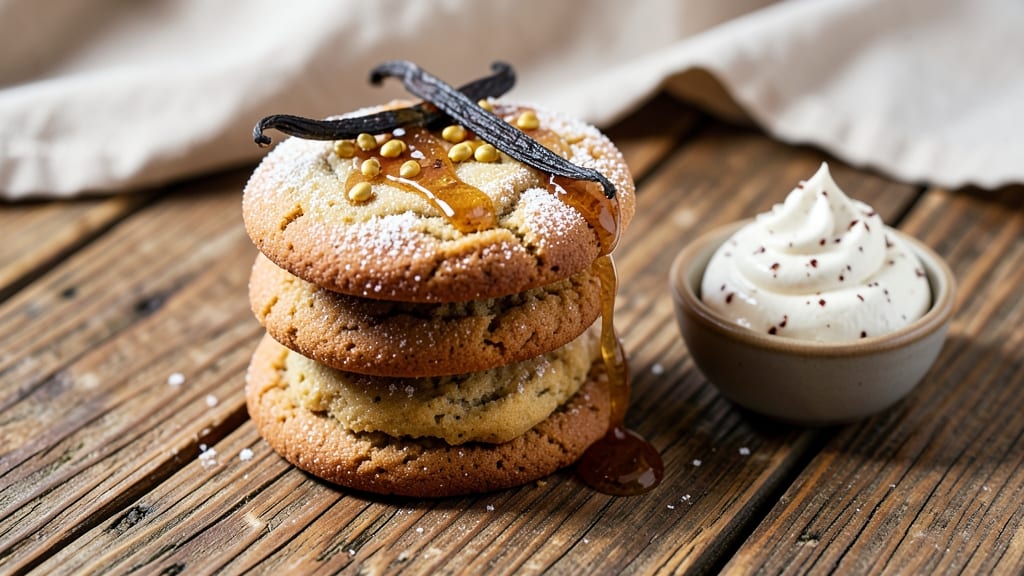
This allulose sugar cookie recipe delivers the perfect balance of crisp edges and soft centers without the sugar crash. 🌟 The secret lies in using allulose—a low-glycemic sweetener that caramelizes beautifully while keeping calories in check.
I’ve perfected this dough to hold its shape during baking yet remain tender inside, making it ideal for those who love classic sugar cookies but want a healthier twist.
The dough comes together with simple ingredients like almond flour and allulose, which replace traditional sugar while maintaining that signature cookie texture. Baking at a precise temperature ensures crisp edges without burning, and the cooling process locks in that melt-in-your-mouth softness.
Unlike regular sugar cookies, these hold their shape longer and won’t lose crispness overnight.
What makes these cookies truly special is their versatility—they’re perfect for holiday baking, gift-giving, or a cozy afternoon treat. Allulose’s low glycemic impact means you can enjoy them without the energy spike, and they’re tooth-friendly too.
Plus, they store beautifully in an airtight container for up to a week, keeping their texture just right.
Whether you’re decorating with royal icing or keeping them simple with a sprinkle of flaky salt, these cookies are a game-changer for anyone craving a lighter yet indulgent dessert. Ready to bake? Here’s how to make them foolproof every time.
Ingredients for allulose sugar cookie
Simple ingredients, magical texture—allulose keeps it sweet without the sugar crash.
| Ingredient | Amount | Notes |
|---|---|---|
| Allulose 🍬 | ¾ cup | Fine granulated, not powdered |
| Almond Flour 🌰 | 2 cups | Blanched, finely ground |
| Unsweetened Applesauce 🍎 | ½ cup | Unseasoned, unsweetened |
| Vegan Butter 🧈 | ½ cup | Cold, not melted |
| Vanilla Extract 🌿 | 1 tbsp | Pure, not imitation |
| Pure Vanilla Bean Paste 🌿 | 1 tbsp | For extra flavor boost |
| Flaxseed Meal 🌾 | 1 tbsp | For egg replacement |
| Cold Water 💧 | 3 tbsp | For flax egg |
| Baking Soda 🧂 | ½ tsp | Aluminum-free preferred |
| Salt 🧂 | ½ tsp | Fine sea salt |
| Flaky Sea Salt 🧂 | 1 tbsp | For topping |
| All-Purpose Flour 🌾 | ½ cup | For crisp edges (optional) |
Allulose is the star here—it caramelizes like sugar but won’t spike your blood glucose. Bob’s Red Mill or NOW Foods sell it online, but check the baking aisle at Whole Foods first. The almond flour gives structure while keeping things tender, so blanched, finely ground is key—no almond meal here. Vanilla bean paste isn’t mandatory, but it adds that restaurant-quality depth (and no seeds to strain). For the flax egg, mix the flaxseed meal with cold water first—let it sit for 5 minutes to thicken properly.
No allulose? Erythritol at 1:1 ratio works, but texture might be slightly crisper. Swap almond flour for oat flour or coconut flour if needed, but reduce by 1 tbsp per cup. The optional all-purpose flour is only for crisp edges—skip it if you prefer soft cookies. For the vegan butter, Miyoko’s or Earth Balance melt beautifully. If you can’t find vanilla bean paste, double the vanilla extract and add a pinch of ground vanilla bean. The flaky sea salt? Maldon or Jacobsen if you’re fancy—anything else will work too.
Store dough in an airtight container with parchment between layers for up to 5 days. Baked cookies keep their texture for 1 week in a sealed container, but they’ll soften slightly after 2 days. For longer storage, freeze unbaked dough balls—bake straight from frozen, adding 2 minutes to cook time. The allulose cookies reheat beautifully in the oven at 300°F for 5 minutes if they lose crispness.
Why You'll Love This Recipe
- No-Fuss Mixing: I swear by the applesauce trick—it replaces eggs and keeps the dough soft without a trace of gloop. Just toss everything in a bowl, fold until it holds, and you’re done. (Yes, even on a Tuesday night.)
- Sweet Without Guilt: That allulose? It’s the magic. Same caramelized, buttery depth as sugar, but my blood sugar doesn’t crash afterward. The almond flour gives it a subtle nuttiness that makes these taste like a bakery’s secret.
- Holiday or Snack Attack: These freeze like champs—perfect for gifting or stashing in the freezer when cravings hit. Or, bake a batch on Sunday, ice them Monday, and still have leftovers for your kid’s school bake sale.
- Budget-Friendly Luxury: Vegan butter and almond flour might sound fancy, but they stretch further than refined sugar ever did. Plus, the dough’s forgiving—no need for exact measurements. My wallet and taste buds win.
Step-by-step instructions for allulose sugar cookies
Here's how to create cookies with crisp edges and a soft center—using allulose for that perfect balance.
👨🍳 Step 1: Make the Flax Egg and Cream the Butter
In a small bowl, whisk together the 1 tablespoon flaxseed meal and 3 tablespoons cold water. Let it sit for 5 minutes—you'll see it thicken into a gel-like consistency. This is your egg substitute, and it's key for binding the dough.
In a separate large bowl, cream the 0.5 cup vegan butter and 0.75 cup allulose together using a mixer on medium speed. Cream for 3-4 minutes until light and fluffy—this step is crucial for that classic sugar cookie texture. You'll know it's ready when the mixture nearly doubles in volume and looks pale and airy.
👨🍳 Step 2: Mix in Wet Ingredients and Dry Components
Add the 0.5 cup unsweetened applesauce to the butter mixture and mix on low speed for 1 minute until fully combined. This keeps the dough moist without adding extra sweetness. Then stir in the 1 tablespoon vanilla extract and 1 tablespoon pure vanilla bean paste—this gives a richer, more complex flavor than extract alone.
In a separate bowl, whisk together the 2 cups almond flour, 0.5 cup all-purpose flour, 0.5 teaspoon baking soda, and 0.5 teaspoon salt. Gradually add these dry ingredients to the wet mixture, mixing on low speed just until combined. Avoid overmixing—you want to keep the dough soft and tender. The dough should hold together when pressed but still be slightly sticky.
🥘 Step 3: Chill the Dough for Perfect Texture
Divide the dough into 4 equal portions (about 4 ounces each) and flatten each into a disc. Wrap each disc tightly in plastic wrap and refrigerate for at least 1 hour—this step is non-negotiable. Chilling firms up the dough, making it easier to roll out evenly and preventing excessive spreading in the oven.
I know it's tempting to skip this, but trust me—chilled dough rolls out smoothly and bakes with crisp edges and a soft center. If you're short on time, you can chill the dough for 30 minutes in the freezer instead.
🔥 Step 4: Roll and Cut the Cookies
Preheat your oven to 350°F and line two baking sheets with parchment paper. On a lightly floured surface, roll out one disc of dough to about ¼-inch thickness. Use cookie cutters to cut out shapes—classic rounds or festive holiday shapes both work beautifully.
Transfer the cutouts to the prepared baking sheets, spacing them 2 inches apart for even baking. Sprinkle each cookie with a pinch of flaky sea salt right before baking—this adds a surprising depth of flavor that balances the sweetness.
⏰ Step 5: Bake to Golden Perfection
Bake the cookies for 10-12 minutes until the edges are golden brown but the centers still look slightly underdone. They'll continue cooking on the hot baking sheet after you remove them. For the crisp edges you're after, don't overbake—pull them out when they're just set.
Let the cookies cool on the baking sheet for 5 minutes before transferring to a wire rack. The edges will crisp up as they cool, while the centers stay soft and chewy. Enjoy them warm for the ultimate texture contrast—crispy outside, pillowy inside!
Pro Tips For Making Allulose Sugar Cookie
- Chill the Dough Longer: Allulose caramelizes faster than regular sugar, so skip the 30-minute rest and refrigerate the dough for at least 2 hours—or overnight if you’re impatient like I was. The extra time prevents flat cookies and keeps the edges crispy without burning.
- Weigh the Allulose: Scooping allulose by volume leads to uneven sweetness and texture. Use a kitchen scale for precise measurements—1 gram difference matters more than you’d think. (Yes, even if your recipe says “1 cup.”)
- Don’t Overmix the Applesauce: Stir the unsweetened applesauce into the wet ingredients just until combined—overworking it releases too much moisture, making the dough sticky and cookies spread excessively. Think “fold in gently,” not “beat like pancake batter.”
- Bake at 325°F, Not Higher: Allulose burns easily, so resist the urge to crank the oven to 350°F. Stick to 325°F and bake 1–2 minutes longer than your recipe suggests—low and slow guarantees chewy centers without charred edges. (I learned this after one very crispy disaster.)
Pro cooking tips for this dish
Allulose Caramelization
Allulose caramelizes at 320°F, just like sugar, but with 90% fewer calories and zero glycemic impact. For perfect browning, spread dough 2 inches apart on parchment-lined sheets—crowding causes uneven caramelization. I use Wholesome! Sweeteners allulose because it’s finely granulated and blends smoothly into dough. 🔥
Dough Chill Science
Chilling the dough for 1 hour (or 30 minutes in the freezer) prevents spreading and enhances flavor development. The cold butter melts slowly, creating crisp edges while keeping centers soft. For extra insurance, place dough discs between parchment sheets before refrigerating—this prevents sticking. 🥶
Butter Temperature Matters
Use cold vegan butter (straight from the fridge) when creaming with allulose. If butter softens too quickly, chill the bowl for 10 minutes before mixing. I swear by Miyoko’s Creamery butter—it holds its shape perfectly. Warm butter = flat cookies. ❄️
Oven Preheating Hack
Preheat your oven to 350°F for 15 minutes before baking. A properly heated oven ensures even cooking and crisp edges. For extra precision, place an oven thermometer inside—many home ovens run 25°F hotter or cooler than set. 🌡️
Salt Timing Trick
Sprinkle flaky sea salt (like Maldon) on cookies immediately after baking, not before. The heat activates the salt’s flavor, creating a perfect contrast to the sweet allulose. For a gourmet touch, add a pinch of smoked paprika with the salt. 🧂
Texture Control Tips
For ultra-crisp edges, add 0.5 cup all-purpose flour to the dry ingredients. Skip this if you prefer soft cookies. If your dough feels too sticky, chill it 10 minutes longer—it’ll firm up perfectly.
Underbaking slightly (pull at 10 minutes) ensures soft centers that stay that way for days. 💫
Nutrition facts
Frequently asked questions
Can I substitute allulose with other sweeteners?
You can try erythritol at a 1:1 ratio, but the texture may be slightly crisper. For a closer match, use monk fruit sweetener blended with a tiny bit of almond flour to mimic allulose's caramelization. Avoid honey or maple syrup—they'll add moisture and alter the cookie's structure.
Why do my allulose cookies spread more than regular sugar cookies?
Allulose breaks down differently during baking, so chilling the dough for at least 1 hour is crucial. Use cold vegan butter and avoid overmixing. If spreading continues, reduce baking time by 1 minute or add 1 extra tablespoon of almond flour to the dry mix. The extra flour helps stabilize the dough.
How do I decorate these cookies without ruining the texture?
Wait until cookies are completely cooled (at least 2 hours) before decorating to prevent melting. Use royal icing made with powdered allulose—it sets faster than traditional icing. For sprinkles, press them gently into the icing while it's still wet but set. Avoid heavy toppings like chocolate that could make them soggy.
Can I make these cookies gluten-free?
Yes! Replace the 0.5 cup all-purpose flour with 0.5 cup gluten-free 1:1 baking flour (like Bob's Red Mill). For best results, use a blend with xanthan gum. The almond flour already makes these naturally gluten-free, but the extra flour helps with texture. Test with a small batch first—gluten-free flours can behave differently.
Why do my allulose cookies taste bitter?
Overbaking or using low-quality allulose can cause bitterness. Bake for 10-12 minutes max at 350°F and use a trusted brand like Wholesome! Sweeteners. The vanilla bean paste helps mask any off-flavors—don't skip it! If bitterness persists, reduce baking time by 1 minute next batch.