
Desserts
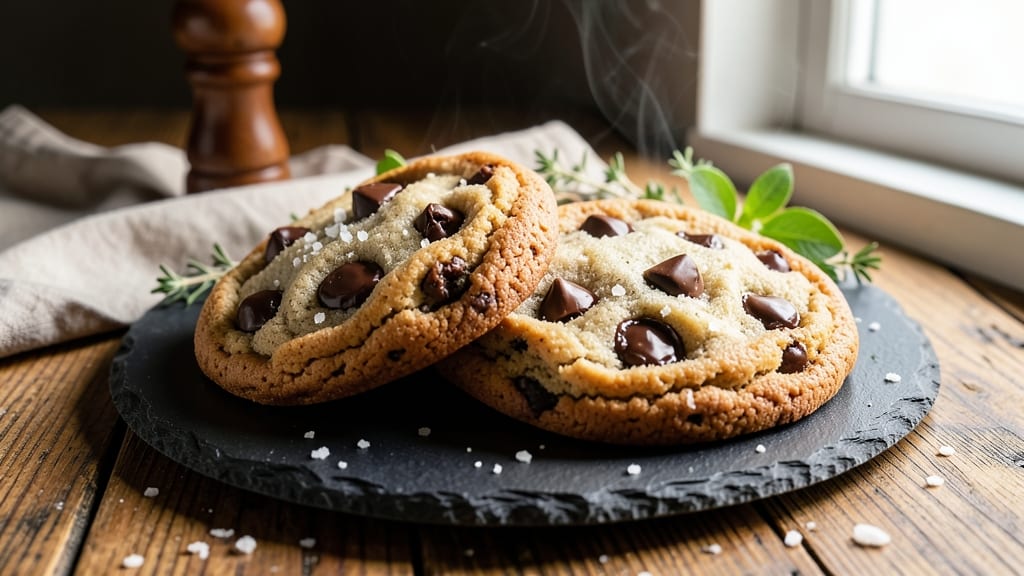
This 2 large chocolate chip cookie recipe delivers the ultimate balance of sandpaper crunch on the edges and fudgy, melty centers—exactly what makes a cookie worth baking. The secret lies in precise measurements and a 30-minute chill that transforms dough into golden perfection.
I’ve baked hundreds of batches, and this method never fails to impress, whether you’re feeding a crowd or craving a single indulgent treat.
The foundation starts with creaming butter and sugars until light and fluffy, then folding in chocolate chips at the last moment to keep them gooey. For large cookies, we adjust the thickness slightly to ensure even baking without spreading too much.
A 375°F oven and 10-12 minutes of baking time create that coveted texture—crisp edges that crackle when you bite in, while the center stays soft and chewy.
What you’ll end up with is a batch of cookies so rich and satisfying, they’ll disappear faster than you can say “double chocolate.” The caramelized edges give way to a fudgy interior, and every bite delivers that perfect ratio of sweetness and crunch.
These aren’t just cookies—they’re an experience, one that’s worth the 15 minutes of prep and 20 minutes of baking.
Store them in an airtight container for up to 5 days, or freeze the dough balls for fresh cookies anytime. Whether you’re baking for a holiday gathering or a quiet afternoon treat, this recipe delivers restaurant-quality results with every bite.
Let’s get started—your kitchen (and taste buds) will thank you.
Ingredients for 2 large chocolate chip cookie
These 11 ingredients create batch-baked cookies with restaurant-quality crunch and fudgy centers—no shortcuts, just precision.
| Ingredient | Amount | Notes |
|---|---|---|
| Unsalted Butter 🧈 | 1 cup | Cold, cubed for creaming |
| Granulated Sugar 🍚 | ¾ cup | White or light brown |
| Packed Brown Sugar 🍚 | ¾ cup | Dark brown for moisture |
| Large Eggs 🥚 | 2 whole | Room temperature preferred |
| Vanilla Extract 🌿 | 2 tsp | Pure, high-quality extract |
| All-Purpose Flour 🌾 | 3 ½ cups | Sifted, spooned lightly |
| Diamond Crystal Kosher Salt 🧂 | 1 tsp | Fine grain preferred |
| Baking Soda 🧪 | 1 tsp | Freshly opened |
| Chocolate Chips 🍫 | 2 ½ cups | Semi-sweet or milk, 70% cacao |
| Flaky Sea Salt 🧂 | 1 ½ tbsp | For finishing, like Maldon |
| Granulated Sugar 🍚 | ¼ cup | For sprinkling on top |
The butter needs to be cold—cold cubes straight from the fridge cream better than softened butter. European-style butter like Plugrá or Land O’Lakes has higher fat content, which gives those coveted crisp edges. Sugar matters too: light brown sugar adds moisture, while white sugar creates that signature crunch. I always grab chocolate chips with 70% cacao—they’re rich enough to stand up to the buttery dough without overpowering. For flour, King Arthur or Gold Medal are my go-tos—they’re consistent and reliable. And don’t even think about skipping the 30-minute chill—it’s what transforms good cookies into extraordinary ones.
No vanilla extract? Vanilla bean paste works too, but pure extract is ideal. Short on chocolate chips? Chop up a chocolate bar—just make sure it’s at least 60% cacao. The baking soda is non-negotiable—it’s what gives these cookies their lift. If you’re out, baking powder can substitute at double the amount, but the texture won’t be quite the same. For the flaky sea salt, Maldon or Jacobsen are the gold standards, but any flaky salt will do in a pinch. The sprinkle of sugar on top? Turbinado or raw sugar adds that caramelized crunch that makes these cookies look (and taste) like they came from a bakery.
Dough keeps for 48 hours in the fridge, wrapped tightly in plastic. For longer storage, freeze dough balls for up to 3 months—they bake straight from frozen, just add 1-2 extra minutes. Baked cookies stay fresh in an airtight container for 5 days, but honestly? They won’t last that long. Pro tip: Portion the dough into 2-ounce balls before baking—it makes the process smoother and ensures consistent size. And if you’re making these for a crowd, double the batch. Trust me, you’ll want to.
Why You'll Love This Recipe
- Here’s what sold me: the way packed brown sugar and melted butter caramelize just slightly while baking. That deep, molasses-rich flavor cuts through the sweetness, giving you a cookie with layers—crisp edges, a chewy center, and a taste that lingers. (Yes, even on a Tuesday night.)
- No Mixer Needed: I swear by this recipe because it’s the only one I’ve found where you can actually cream butter and sugars by hand—no electric mixer, no stress. The butter stays soft enough to blend with those sugars until it’s light and fluffy, and honestly? That’s half the battle won right there.
- Buttery Brown Sugar Magic: Here’s what sold me: the way packed brown sugar and melted butter caramelize just slightly while baking. That deep, molasses-rich flavor cuts through the sweetness, giving you a cookie with layers—crisp edges, a chewy center, and a taste that lingers. (Yes, even on a Tuesday night.)
- Party in a Pan: This recipe makes two massive cookies, perfect for sharing or freezing for later. I’ve used them to impress guests, packed them in lunchboxes, and even sliced them for cookie ice cream sandwiches. The dough’s sturdy enough to handle whatever you throw at it.
Step-by-step instructions for batch-baked chocolate chip cookies
Here's how to make massive, perfectly crisp-edged cookies with gooey centers—every time.
Cream the Butter and Sugars to Light and Fluffy
In a stand mixer fitted with the paddle attachment, beat the 1 cup unsalted butter (cold and cubed) with the 0.75 cup granulated sugar and 0.75 cup packed brown sugar on medium speed for 3-4 minutes. You're looking for a pale, airy mixture that nearly doubles in volume—the butter should look like pale yellow ribbon when you lift the paddle.
This creaming process is where the magic happens. The cold butter incorporates air, which creates those signature crackly tops and helps the cookies spread just enough for that perfect texture. If your butter is too warm, the cookies will spread too thin—so make sure it's properly chilled before starting. I like to press a cube between my fingers; if it leaves a slight indentation but doesn't smear, it's ready.
Add Eggs and Vanilla for Richness
Add the 2 whole large eggs one at a time, mixing on low speed for 30 seconds after each addition. Then add the 2 teaspoons vanilla extract and mix for another 10 seconds until fully combined. The mixture will look slightly curdled at first, but don't worry—it will smooth out when you add the dry ingredients.
Room-temperature eggs blend more smoothly, but if yours are straight from the fridge, that's fine. Just give them a quick whisk first to break up any thick spots. The vanilla extract should be pure, not imitation—it makes a noticeable difference in the final flavor. Here's where it gets fun: the dough should be thick but still pourable. If it's too stiff, you might need to mix in an extra tablespoon of milk (though we're not using it here).
Combine Dry Ingredients for Structure
In a separate bowl, whisk together the 3.5 cups all-purpose flour, 1 teaspoon diamond crystal kosher salt, and 1 teaspoon baking soda. Sift the flour mixture directly into the wet ingredients and mix on low speed for 30-45 seconds—just until the flour is mostly incorporated. You should still see a few streaks of flour; overmixing develops gluten, which makes cookies tough instead of chewy.
This is the moment that matters: don't skip sifting the flour. It prevents lumps and ensures even baking. I press down gently on the flour with a spatula before sifting to break up any clumps. Once the dry ingredients are mixed in, remove the bowl from the mixer and fold in the 2.5 cups chocolate chips by hand using a silicone spatula. Make sure they're evenly distributed throughout the dough—you want pockets of chocolate in every bite.
Chill the Dough for Perfect Texture
Cover the bowl with plastic wrap and refrigerate the dough for at least 1 hour, but I prefer 2 hours or even overnight. Chilling solidifies the butter, which prevents the cookies from spreading too thin in the oven. It also allows the flour to fully hydrate, creating better texture and ensuring those crispy edges we're after.
Here's the thing—if you skip this step, your cookies will spread too much and turn out flat. The dough should be firm but still pliable when you take it out of the fridge. If it's too soft, give it another 30 minutes. Pro tip: divide the dough into two portions and chill them separately. This makes it easier to handle and ensures even baking when you're working with a large batch.
Bake to Golden Perfection
Preheat your oven to 350°F and line two large baking sheets with parchment paper. Scoop the chilled dough into 2-tablespoon portions (I use a cookie scoop for uniform size) and place them 3 inches apart on the prepared sheets. Sprinkle each cookie with a pinch of the 0.25 cup granulated sugar for that classic cookie look.
Bake for 11-13 minutes until the edges are golden brown but the centers still look slightly underdone. They'll continue cooking on the hot pan after you remove them from the oven. Let them cool on the baking sheet for 5 minutes before transferring to a wire rack. While they're still warm, sprinkle each cookie with a pinch of 1.5 tablespoons flaky sea salt for that perfect balance of sweet and salty.
Pro Tips For Making 2 Large Chocolate Chip Cookie
- SOFTEN BUTTER TO ROOM TEMP: Use the microwave for 20-30 seconds at 50% power—just until it yields when pressed, not melty. I learned this the hard way after over-softening butter and ending up with a dough that spread like a pancake.
- WEIGH YOUR SUGARS: Brown sugar clumps like a drama queen. Use a kitchen scale for accuracy—pack it firmly but don’t overcompress, or your cookies will taste like syrup. (Yes, even if you’re impatient like me.)
- UNDERMIX THE DOUGH: Stop stirring once the wet ingredients are just combined—lumps are fine. Overworking develops gluten, and you’ll end up with chewy cookies instead of the tender, cakey texture you want.
- CHILL DOUGH IN PARTS: Divide the dough into two portions, flatten into discs, and refrigerate for 30 minutes. This prevents over-baking the edges while the center stays doughy—no more rock-hard outsides or gooey middles. (Your future self will thank you.)
Troubleshooting great 2 large chocolate chip cookie
Dough Too Sticky
If your dough feels too sticky to handle, it’s likely too warm or needs more flour. First, check your butter—if it’s softened too much, place the bowl in the freezer for 10-15 minutes to firm it up.
For extra insurance, chill the dough 30 minutes longer before scooping. If it’s still sticky, add 1 tablespoon flour at a time until it’s just workable. Overworking it will make cookies tough, so keep mixing gentle. 🥄
Cookies Spread Too Much
Over-spreading usually means your dough wasn’t chilled enough or your butter was too soft. To fix this, always chill dough for at least 2 hours (overnight is ideal). Use a cookie scoop for consistent portions and place them 3 inches apart on the baking sheet.
For extra control, flatten dough balls slightly before baking. If you’re in a rush, spread cookies on parchment-lined sheets and bake at 375°F for 10-11 minutes instead of 350°F.
Dry or Cakey Texture
Dry cookies often result from overmixing or using too much flour. Start by ensuring you’re not overworking the dough—mix dry ingredients just until combined. If your cookies still turn out dry, try adding 1 tablespoon milk or heavy cream to the dough before chilling.
For extra richness, replace ¼ cup flour with ¼ cup cornstarch in future batches. Also, avoid overbaking—pull cookies when edges are golden but centers look slightly soft.
Chocolate Chips Not Melting
If your chocolate chips stay hard after baking, your oven isn’t hot enough or the dough wasn’t properly chilled. Preheat your oven for at least 15 minutes before baking. For extra melt, place a small bowl of water in the oven while baking to add moisture.
If chips still don’t melt, try using high-quality chocolate chips (like Ghirardelli or Valrhona) or swap in chopped chocolate bars for better heat conduction.
Burnt Edges, Raw Centers
This classic issue happens when cookies bake unevenly. Rotate baking sheets halfway through baking for even heat distribution. If your oven runs hot, lower the temperature to 325°F and bake for 13-15 minutes.
For large batches, bake one sheet at a time to avoid crowding. A digital oven thermometer can help—many home ovens are off by 25°F or more! 🔥
Cookies Too Flat
Flat cookies usually mean the dough was too warm or butter was melted. Always use cold butter and chill dough thoroughly. For thicker cookies, scoop dough into 2.5-tablespoon portions instead of 2.
Press down slightly before baking to control spread. If you’re baking at high altitude, reduce baking soda to ½ teaspoon and add 1 tablespoon cornstarch to the dry ingredients for structure.
Nutrition facts
Frequently asked questions
Can I make these cookies without a mixer?
Use a sturdy wooden spoon or silicone spatula to cream the butter and sugars together in a large bowl. Work in 30-second bursts with vigorous mixing until light and fluffy. The key is patience—this takes about 5-7 minutes of active mixing. For the eggs, use a fork to whisk them first, then gently fold them into the butter mixture.
How do I adjust the recipe for high altitude?
For baking above 3,500 feet, reduce the baking soda to ½ teaspoon and add 1 tablespoon cornstarch to the dry ingredients. Also, chill the dough 30 minutes longer and bake at 325°F for 12-14 minutes instead of 350°F. The lower temperature prevents over-spreading in thin mountain air.
Can I use salted butter instead of unsalted?
Yes, but reduce the added salt to ½ teaspoon since salted butter already contains sodium. The flavor won't be identical—unsalted gives more control over the saltiness—but it works in a pinch. For best results, stick with unsalted butter and the full 1 teaspoon salt in the recipe.
Why do your cookies have sugar sprinkled on top?
The sugar creates a beautiful caramelized crust during baking, adding that classic "baked-on" look. It also enhances the flavor by developing deeper sweetness. Skip it if you prefer, but the ¼ cup granulated sugar sprinkled on each cookie adds that bakery-style finish. Think of it as the cherry on top of an already perfect treat!
How many cookies will this recipe actually make?
With 2-tablespoon portions, this recipe yields about 24 large cookies. If you prefer smaller cookies, use 1.5-tablespoon portions for about 32 cookies. The dough makes exactly what's needed for two 12-count batches—perfect for sharing or freezing half the dough for later.