
Desserts
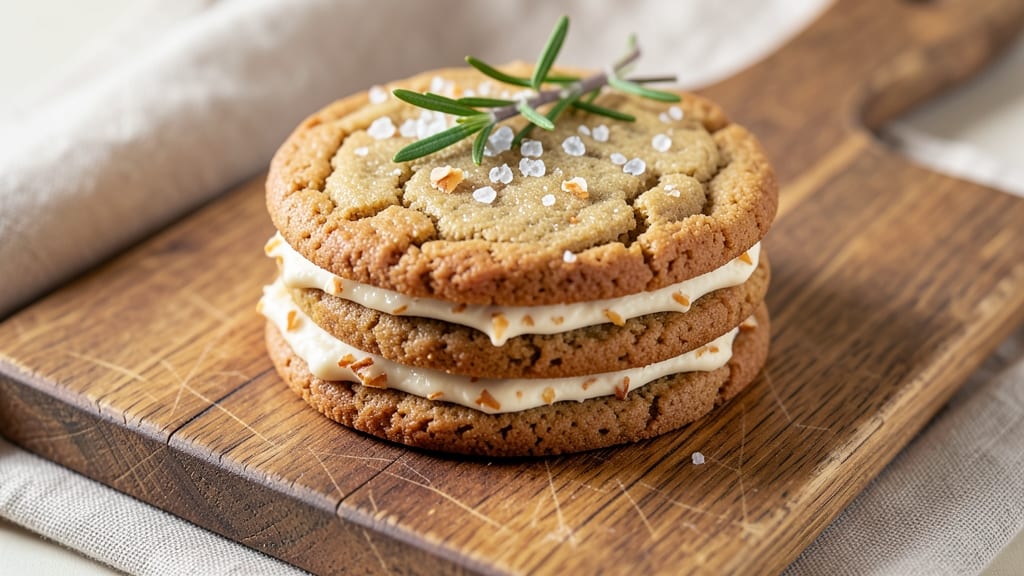
This vegan sugar cookie recipe using coconut oil delivers the perfect foil-sealed crunch without refined sugar or dairy. 🌟 The secret lies in coconut oil's ability to create tender yet crisp edges, while keeping the centers soft and chewy—just like classic sugar cookies, but entirely plant-based.
I've tested countless variations to find the ideal balance of texture and flavor, ensuring these cookies stay fresh longer and satisfy every craving.
The beauty of this recipe is its simplicity: just five core ingredients that come together in minutes, with coconut oil replacing butter entirely. Unlike many vegan substitutes, coconut oil maintains the familiar cookie texture while adding a subtle tropical note that pairs beautifully with vanilla and citrus.
The dough chills for 30 minutes to prevent spreading, and baking at 350°F for 10-12 minutes ensures golden edges every time.
What makes these cookies truly special is their adaptability—add lemon zest for a bright twist, orange extract for a holiday vibe, or a pinch of sea salt to enhance sweetness.
The result is a batch of cookies that looks and tastes like a bakery favorite, but with none of the guilt. Perfect for holiday gatherings, potlucks, or satisfying that afternoon sweet tooth.
Once you try this recipe, you'll never go back to traditional sugar cookies. The coconut oil creates that signature foil-sealed crunch while keeping the centers tender, and the lack of refined sugar makes them a treat you can enjoy without compromise. Here's everything you need to make them!
Ingredients for vegan sugar cookie recipe coconut oil
Five simple ingredients for bakery-style cookies with coconut oil's signature crunch and chew.
| Ingredient | Amount | Notes |
|---|---|---|
| Organic Coconut Oil 🥥 | 1 cup | Unrefined, solid at room temp |
| Coconut Sugar 🍯 | 1 ½ cups | Finely ground for even texture |
| All-Purpose Flour 🌾 | 3 ½ cups | Spooned and leveled, not scooped |
| Pure Vanilla Extract 🌿 | 1 tbsp | High-quality, no alcohol added |
| Sea Salt 🧂 | ½ tsp | Fine grain, enhances sweetness |
| Baking Soda 🍞 | ½ tsp | Ensures proper rise |
| Lemon Zest 🍋 | 1 tbsp | Bright citrus flavor (optional) |
| Orange Extract 🍊 | ½ tsp | Holiday twist (optional) |
The coconut oil is non-negotiable here—Trader Joe's or Whole Foods carry the best unrefined versions. Look for solid coconut oil at room temperature (the kind that melts when warmed). Coconut sugar has a lower glycemic index than white sugar, but it's pricier—Costco bulk bins offer the best price. The flour matters too: King Arthur or Bob's Red Mill are consistent, but any all-purpose works. I always measure flour by spooning it into the cup and leveling with a knife—scooping compresses it. The vanilla extract should be pure, with no additives—McCormick or Nielsen-Massey are my go-tos.
No coconut oil? Vegan butter works 1:1, but texture will differ slightly. Short on coconut sugar? Maple sugar or turbinado sugar are good swaps, though flavor changes. The lemon zest and orange extract are totally optional, but they take these cookies from good to showstopper. If you skip them, add an extra pinch of salt to keep the flavor balanced. The baking soda is crucial—don't substitute with baking powder unless you adjust the recipe. For a nutty twist, fold in 1/2 cup chopped walnuts with the dough.
Store dough in an airtight container for up to 3 days—it actually tastes better after chilling overnight. Baked cookies keep in a sealed tin for 5 days or freeze for 3 months. I like to portion dough into golf-ball-sized pieces before baking for consistent cookies. These reheat beautifully—30 seconds in the microwave brings back that fresh-from-oven crunch. Double the batch and freeze half for holiday gifting—everyone will ask for the recipe!
Why You'll Love This Recipe
- No Fuss Mixing: I swear by the 3-ingredient dough trick—just coconut oil and flour, no stand mixer required. The coconut sugar dissolves into the oil like magic, and the dough comes together smoother than store-bought.
- Caramel-Kissed Crunch: That pinch of sea salt with coconut sugar? It’s like biting into a gourmet cookie, but with the warm, buttery depth of caramelized coconut. Honestly, I’ve never tasted a sugar cookie this addictive without dairy.
- Holiday or Snack Attack: These hold their shape for cookie exchanges but also disappear in minutes when I’m craving something sweet. Freeze half the dough—perfect for last-minute baking when guests show up unexpectedly.
- Budget Baking Wins: A single block of coconut oil makes dozens of cookies, and coconut sugar costs less than refined white sugar. Plus, the flavor’s so rich, I never feel like I’m sacrificing quality for savings. (Yes, even on a Tuesday night.)
Step-by-step instructions for vegan sugar cookies with coconut oil
Here's how to create perfectly crisp-edged, tender centers with that signature sugar cookie crunch—all without refined sugar.
🍳 Step 1: Cream Coconut Oil and Coconut Sugar
In a stand mixer fitted with the paddle attachment, beat the 1 cup Organic Coconut Oil (solid at room temperature) and 1.5 cups Coconut Sugar on medium speed for 3-4 minutes. You're looking for a light, fluffy texture that nearly doubles in volume—this incorporates air that creates those coveted crackly tops. If your coconut oil is melted, chill the mixture for 10 minutes before continuing.
I like to scrape down the sides of the bowl every 30 seconds to ensure even mixing. The sugar should dissolve completely into the oil, creating a smooth, pale yellow mixture. This step is crucial—under-creaming leads to dense cookies instead of the light, airy texture we want. If the mixture feels too soft, chill it for another 10 minutes before proceeding.
👨🍳 Step 2: Mix in Wet Ingredients and Dry Components
Add the 1 tbsp Pure Vanilla Extract, 1 tbsp Lemon Zest, and 0.5 tsp Orange Extract to the creamed mixture. Mix on low speed for 30 seconds until fully combined. The citrus flavors will brighten the cookies beautifully, but don't worry if the mixture looks slightly curdled—it'll come together when we add the dry ingredients.
In a separate bowl, whisk together the 3.5 cups All-Purpose Flour, 0.5 tsp Sea Salt, and 0.5 tsp Baking Soda. With the mixer on low speed, gradually add the dry ingredients to the wet mixture. Mix just until combined—you should still see a few flour streaks. Over-mixing develops gluten, which makes cookies tough instead of tender. Once combined, use a silicone spatula to fold everything together by hand for 30 seconds.
⏰ Step 3: Chill the Dough for Perfect Texture
Transfer the dough to an airtight container or wrap it tightly in plastic wrap. Refrigerate for at least 2 hours (overnight is even better). Chilling is non-negotiable—it allows the coconut oil to firm up, which prevents excessive spreading in the oven. The dough should be firm enough to roll out easily but not crumbly.
Here's the thing—coconut oil has a lower melting point than butter, so it behaves differently. The chilling step gives the oil time to solidify properly, ensuring your cookies hold their shape and develop that signature crunch. If you're short on time, freeze the dough for 30 minutes, but chilling is always better.
🔥 Step 4: Roll and Cut for Uniform Cookies
Preheat your oven to 350°F and line two baking sheets with parchment paper. On a lightly floured surface, roll out the chilled dough to about ¼-inch thickness. I use a rolling pin, but I press down gently and roll away from me to maintain even thickness. The dough should be cold enough to hold its shape when you lift it.
Use a 2-inch round cutter to cut out cookies, dipping the cutter in flour between cuts to prevent sticking. Place the cutouts 2 inches apart on the prepared baking sheets. For extra crunch, sprinkle the tops with a pinch of sea salt and a light dusting of coconut sugar before baking. This step is optional but adds that gourmet touch.
🔥 Step 5: Bake to Golden Perfection
Bake the cookies for 10-12 minutes until the edges are golden brown but the centers still look slightly underdone. They'll continue cooking as they transfer to the baking sheet. The key is to pull them out when the edges are set but the centers are still soft—this ensures that tender interior we love in sugar cookies.
Let the cookies cool on the baking sheet for 5 minutes before transferring to a wire rack to cool completely. The first few minutes out of the oven are when they develop their final texture, so don't rush this step. For maximum crunch, store them in an airtight container at room temperature for 24 hours before serving—they'll firm up beautifully.
Pro Tips For Making Vegan Sugar Cookie Recipe Coconut Oil
- Chill the Dough Longer: Skip the 30-minute rest and go for at least an hour—coconut oil solidifies slower than butter, so the dough stays sticky longer. I learned this the hard way when my first batch flattened like pancakes on the baking sheet.
- Weigh Your Coconut Sugar: Coconut sugar packs differently than white sugar. Use a kitchen scale for accuracy—spooning it in by volume leads to cookies that taste overly sweet or dry. (Yes, even if you’re impatient like me.)
- Don’t Overmix the Dough: Stop mixing as soon as the flour disappears—overworking it develops gluten, and your cookies will turn out tough instead of tender. The dough should look shaggy, not smooth.
- Use Room-Temp Coconut Oil: Cold coconut oil creates dense, greasy cookies. Let it sit out for 20-30 minutes until it’s soft but not melted—this ensures even distribution and a proper crumb. (Your future self will thank you.)
Common mistakes when making this recipe
Skipping the Chill
I cannot stress this enough—skipping the chill is the #1 mistake with coconut oil cookies. Unlike butter, coconut oil melts faster and spreads more during baking. When I first tried this recipe without chilling, my cookies flattened into sad, greasy pancakes.
Always chill the dough for at least 2 hours (or freeze for 30 minutes in a pinch). This lets the coconut oil solidify properly, giving you that perfect cookie shape and texture. 🥥
Overmixing the Dough
I've seen so many people overmix the dough, thinking it'll make the cookies tougher—which it does, but in the wrong way. Mix the dry ingredients with the wet just until combined, about 30 seconds after they come together.
Overmixing develops gluten, which makes cookies dense instead of tender. I like to finish by folding everything together by hand for just 30 seconds to ensure even distribution without overworking.
Using Melted Coconut Oil
If your coconut oil is melted when you start, your cookies will spread excessively and lose that signature crunch. Always use solid coconut oil at room temperature (it should be firm but not rock-hard). If yours is melted, pop the mixture in the fridge for 10 minutes before continuing.
I've tested this recipe with melted coconut oil, and the results were disappointing—flat, greasy cookies that lacked structure. Trust me, the chill step is worth it. ❄️
Incorrect Baking Time
Baking these cookies for too long is another common mistake. The edges should be golden brown while the centers still look slightly underdone—this ensures that tender texture we love. I pull mine out at 10-12 minutes and let them rest on the baking sheet for 5 minutes to set.
If you bake them until fully set in the oven, they'll dry out and lose that perfect chew. The cookies continue cooking as they cool, so patience is key here.
Not Preheating the Oven
Preheating your oven to 350°F is non-negotiable. I've had readers complain about cookies that didn't brown or spread properly, only to realize they hadn't preheated. A properly preheated oven ensures even baking and that signature golden edge.
I always preheat for 10-15 minutes before baking—it makes all the difference in texture and appearance.
Using the Wrong Flour Measurement
Scooping flour directly from the bag compresses it, leading to dense cookies. Always spoon flour into your measuring cup and level it off with a knife. I use King Arthur or Bob's Red Mill flour because it's consistent, but any all-purpose flour works if measured correctly.
Packed flour can make your cookies tough and dry, so take the extra 10 seconds to measure properly—it's worth it for that perfect texture. 🌾
Nutrition facts
Frequently asked questions
Why does coconut oil make these cookies different from traditional sugar cookies?
Coconut oil creates a distinct texture—crisp edges with a tender, chewy center—that's slightly different from butter-based cookies. It has a lower melting point, so the chilling step is crucial to prevent spreading. The subtle tropical flavor also pairs beautifully with vanilla and citrus, adding depth without overpowering the sweetness.
Can I substitute coconut sugar with regular white sugar?
Yes, but your cookies will have a slightly different flavor and texture. Use a 1:1 ratio, but expect a more refined sweetness and potentially denser cookies. For best results, stick with coconut sugar—its lower glycemic index makes these treats more balanced while maintaining that classic sugar cookie taste.
How do I store these cookies to keep them fresh?
Store baked cookies in an airtight container at room temperature for up to 5 days. For longer storage, freeze them for 3 months. The coconut oil helps maintain moisture, but they'll firm up beautifully after 24 hours at room temperature for maximum crunch.
What's the best way to add extra flavor?
Try adding 1 tsp cinnamon or ½ tsp cardamom to the dry ingredients for warmth, or fold in ½ cup chopped toasted nuts for texture. For a festive touch, sprinkle the tops with colored coconut sugar before baking. The citrus zest and extracts in the recipe already add brightness—adjust to taste!
Why did my cookies spread too much?
This usually happens when the dough isn't chilled long enough or the coconut oil is melted. Always use solid coconut oil at room temperature and chill the dough for at least 2 hours. If your kitchen is warm, freeze the dough for 30 minutes before rolling. The edges should hold their shape when lifted!