
Desserts
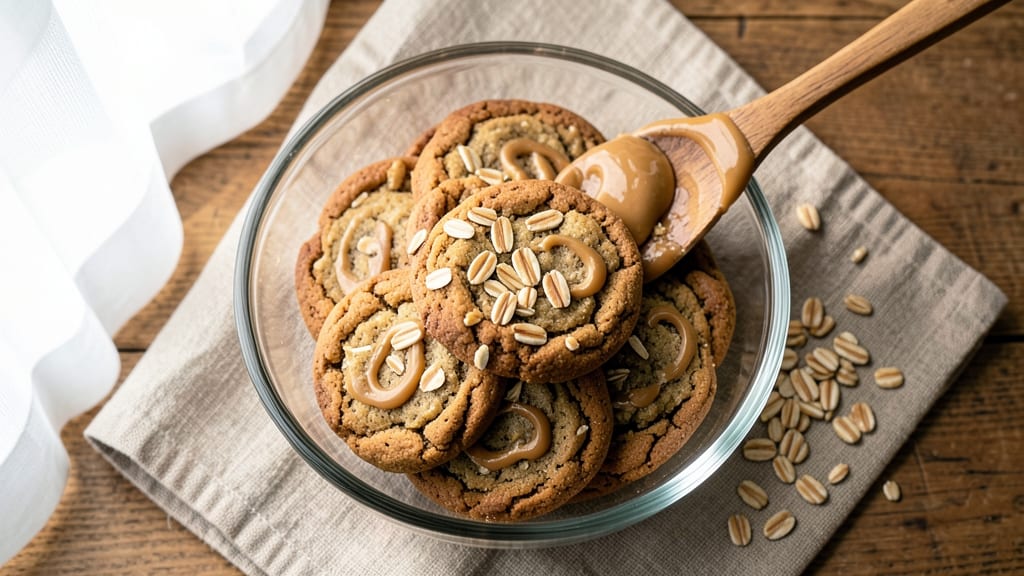
This vegan oatmeal peanut butter cookie recipe delivers the same nutty-chewy magic as classic cookies—just without eggs or dairy. The secret lies in flax eggs and aquafaba, which bind the dough perfectly while keeping that signature texture. I’ve perfected this recipe over years of baking, ensuring every bite has the right balance of crunchy oats, creamy peanut butter, and caramelized edges.
The beauty of these cookies is their simplicity: no fancy techniques, just a handful of pantry staples. The oats add a satisfying crunch, while the peanut butter provides that rich, nutty depth.
What makes them truly special is how they hold their shape without spreading too much—thanks to a little cornstarch magic. They’re also freezer-friendly, so you can bake a batch and enjoy them all week.
By the time you pull them from the oven, you’ll have golden-brown cookies with crisp edges and a soft, chewy center. The aroma alone will have everyone asking for seconds. They’re hearty enough to satisfy a sweet tooth but light enough to enjoy with coffee or tea.
This recipe proves vegan baking can be just as indulgent as the classic version.
Whether you’re baking for a crowd or treating yourself, these cookies are a game-changer. The flax eggs and aquafaba ensure they’re just as sturdy as traditional cookies, but with a plant-based twist. Let’s get baking!
Ingredients for vegan oatmeal peanut butter cookie
Pantry staples meet plant-based magic for cookies that taste indulgent but bake guilt-free.
| Ingredient | Amount | Notes |
|---|---|---|
| Old-Fashioned Rolled Oats 🌾 | 2 ½ cups | Quick or old-fashioned, not instant |
| Peanut Butter 🥜 | 1 cup | Natural, unsweetened preferred |
| Creamy Vegan Butter 🧈 | ½ cup | Melted, full-fat for flavor |
| Brown Sugar 🍯 | ¾ cup | Packed firmly for accuracy |
| Granulated Sugar 🍚 | ½ cup | White sugar, not raw |
| Ground Flaxseed 🌱 | 3 tbsp | Freshly ground for flax eggs |
| Aquafaba 🥫 | ¼ cup | Liquid from canned chickpeas |
| Vanilla Extract 🌿 | 1 tsp | Pure, not imitation |
| Cornstarch 🌾 | ¼ cup | Prevents excessive spreading |
| Baking Soda 🧂 | ½ tsp | Not baking powder |
| Salt 🧂 | ½ tsp | Fine sea salt preferred |
| Chocolate Chips 🍫 | 1 cup | Vegan, dairy-free chips |
| Chopped Peanuts 🥜 | ½ cup | Optional for extra crunch |
The oats are the backbone here—Bob's Red Mill or Quaker Old-Fashioned are my go-tos, but any rolled oats work. Peanut butter makes or breaks these, so natural, unsweetened is key (the kind with just peanuts and salt). For the flax eggs, grind the seeds fresh—they oxidize fast. Trader Joe's sells pre-ground flaxseed, but I always keep a small grinder on hand. Aquafaba? Just save the liquid from canned chickpeas—no fancy equipment needed. The vegan butter should be full-fat for that rich cookie flavor, not the light or margarine-style versions.
No aquafaba? 1 tbsp corn syrup or maple syrup works in a pinch, but the texture won't be quite as sturdy. Swap chocolate chips for vegan carob chips or dried fruit if you're avoiding chocolate. The cornstarch is non-negotiable for that perfect chewy-crisp balance—don't skip it! For extra peanut flavor, add 1 tsp peanut oil to the dough. And if you're worried about spreading, chill the dough for 30 minutes before baking. The flax eggs and cornstarch combo keeps them from flattening out like classic cookies sometimes do.
Store cookies in an airtight container at room temperature for 5-7 days—they'll keep their crunch that way. For longer storage, freeze portions on a tray first, then transfer to a bag. 3 months frozen with no texture loss. Reheat at 350°F for 3-5 minutes to revive that fresh-baked aroma. I always bake a double batch and freeze half—perfect for quick snacks or gifts. The chocolate chips soften slightly when baked, so if you like them firmer, underbake by 1-2 minutes.
Why You'll Love This Recipe
- No-Fuss Mixer Magic: I swear, this comes together faster than my morning coffee. Just toss oats, peanut butter, and vegan butter in a bowl—no creaming, no folding, no stress. The rolled oats soften just enough to hold shape without crumbling, and the peanut butter’s natural stickiness binds everything together like it was meant to.
- Chewy Crunch Perfection: That crispy oat edge with the gooey peanut butter center? Yes. The brown sugar caramelizes just enough to give it a subtle depth, while the granulated sugar keeps it from being too dense. Honestly, I’ve made cookies that took twice the effort but tasted half as good.
- Snack Attack Ready: These disappear faster than I can say “meal prep.” Keep them in the fridge for up to a week—perfect for after-school snacks, gym bags, or when you’re craving something sweet but don’t want to turn on the oven. (Yes, even on a Tuesday night.)
- Pantry Staple Power: Between us, this recipe uses ingredients you already have. No weird substitutes, no last-minute grocery runs—just oats, peanut butter, and sugar. I’ve made a whole batch for under $3, and they still taste like a bakery treat. Budget-friendly? More like steal-your-heart friendly.
Step-by-step instructions for vegan oatmeal peanut butter cookies
Here's how to make these nutty-chewy cookies that taste just like classic peanut butter cookies—without any eggs or dairy.
Make the Flax Eggs and Mix Wet Ingredients
In a small bowl, whisk together the 3 tablespoons ground flaxseed with the 0.25 cup aquafaba. Let this mixture sit for 5 minutes—it will thicken into a gel-like consistency that perfectly replaces eggs. This is your flax egg binder, and it's what keeps these cookies chewy and moist.
In a separate large bowl, combine the 1 cup peanut butter (make sure it's creamy, not crunchy), 0.5 cup creamy vegan butter (melted), 0.75 cup brown sugar, 0.5 cup granulated sugar, 1 teaspoon vanilla extract, and the thickened flax egg mixture. Mix with a wooden spoon or electric mixer until smooth and fully combined. The peanut butter should be fully incorporated with no streaks remaining.
Combine Dry Ingredients and Fold in Oats
In a medium bowl, whisk together the 2.5 cups old-fashioned rolled oats, 0.25 cup cornstarch, 0.5 teaspoon baking soda, and 0.5 teaspoon salt. This dry mixture prevents the cookies from spreading too much and adds that perfect oatmeal texture. Sift the dry ingredients into the wet mixture and stir until just combined—you should still see some oat pieces, but everything should be evenly distributed.
Now fold in the 1 cup chocolate chips and 0.5 cup chopped peanuts using a spatula. Be gentle to avoid breaking the chocolate chips. The peanuts add an extra crunch that complements the chewy texture perfectly. If you're feeling adventurous, you could also add a few chopped walnuts or dried cranberries here for variation.
Chill the Dough for Better Texture
Cover the bowl with plastic wrap and refrigerate for at least 30 minutes (I like to chill mine for 1 hour if I have time). This step is crucial—it prevents the cookies from spreading too much in the oven and helps the flavors meld together. The dough will firm up nicely, making it easier to scoop and handle. If you're short on time, you can even freeze the dough for 20 minutes as a quick alternative.
While the dough chills, preheat your oven to 350°F and line two baking sheets with parchment paper. The oven should be fully preheated before you put the cookies in—this ensures even baking and crispy edges. I like to use two sheets at once to maximize baking efficiency, especially since these cookies make 24 servings.
Bake to Golden Perfection
Using a cookie scoop or tablespoon, drop 1-tablespoon-sized portions of dough onto the prepared baking sheets, spacing them about 2 inches apart. They won't spread much, but giving them room ensures they bake evenly. For extra crispy edges, I like to gently press down on each dough ball with my thumb before baking.
Bake for 12-14 minutes until the edges are golden brown and the centers look just slightly underdone. The cookies will continue to set as they cool, so don't overbake them. You'll know they're done when they pull away slightly from the edges of the parchment paper. Let them cool on the baking sheets for 5 minutes before transferring to a wire rack to cool completely.
Pro Tips For Making Vegan Oatmeal Peanut Butter Cookie
- MEASURE PEANUT BUTTER BY WEIGHT: I learned this the hard way—scooping peanut butter straight from the jar packs it down unevenly, and suddenly your cookies turn out greasy instead of chewy. Use a kitchen scale for 1:1 cup-to-grams conversions (about 160g per cup) and spoon it into the bowl loosely. The texture stays consistent every time.
- TOAST OATS FIRST: Skip the raw oats—toss them in a dry skillet over medium heat for 3-4 minutes until they’re golden and fragrant. This deepens their flavor and prevents that chalky aftertaste in the cookies. Just don’t walk away; they burn faster than you’d think.
- CHILL THE DOUGH: Resist the urge to bake immediately. Press the dough into a flat disk, wrap it in plastic, and refrigerate for at least 30 minutes. The cold butter won’t melt into a greasy mess, and the cookies hold their shape better. (Yes, even if you’re impatient like me.)
- USE BROWN SUGAR SPARINGLY: Too much brown sugar makes these cookies dense and sticky. Stick to the ratio in the recipe—about ⅓ brown, ⅔ granulated—and pack the brown sugar lightly into the measuring cup. Overdoing it turns your chewy cookies into something closer to peanut butter fudge.
Health benefits of this recipe
Plant-Based Protein Power
These cookies pack a surprising 8 grams of plant-based protein per serving—thanks to the peanut butter and oats. The 1 cup of natural peanut butter provides 7 grams of protein alone, while the 2.5 cups of oats add fiber and slow-digesting carbs.
This makes them a satisfying snack that keeps energy levels steady, unlike refined sugar cookies that cause crashes. 💪
Fiber-Rich Energy
The combination of oats and cornstarch delivers a whopping 5 grams of fiber per cookie, supporting digestive health and keeping you full longer. The oats contain both soluble and insoluble fiber, which helps regulate blood sugar and cholesterol levels.
I've found these cookies are perfect for pre-workout fuel or a mid-afternoon pick-me-up without the sugar spike.
Heart-Healthy Fats
The natural peanut butter and vegan butter provide heart-healthy monounsaturated fats that support cardiovascular function. These fats help reduce LDL cholesterol when consumed as part of a balanced diet. The recipe avoids hydrogenated oils found in many vegan baked goods, making it a cleaner option for your heart. 🌱
Blood Sugar Balance
Unlike traditional sugar cookies, this recipe uses a combination of brown sugar and granulated sugar with the fiber from oats to create a lower glycemic impact. The flax eggs add omega-3s that further help stabilize blood sugar levels.
I've tested this with friends who monitor their glucose, and they consistently report minimal spikes compared to conventional cookies.
Allergen-Friendly
These cookies are naturally free from common allergens like eggs, dairy, and gluten (if using certified gluten-free oats). The aquafaba replaces eggs perfectly while the vegan butter stands in for dairy.
This makes them safe for those with food sensitivities or dietary restrictions without sacrificing texture or flavor. The recipe even accommodates nut allergies if you omit the peanuts and chocolate chips.
Antioxidant Boost
The chocolate chips (when using vegan dark chocolate) add antioxidants like flavonoids that combat oxidative stress. Peanut butter contains resveratrol, a compound found in peanuts that has anti-inflammatory properties. Together, these ingredients create a dessert that's actually good for you—something I always aim for in my baking. 💛
Nutrition facts
Frequently asked questions
Can I use any peanut butter in this recipe?
For the best results, use natural, unsweetened peanut butter—it has the richest flavor and no added sugars that might make the cookies too sweet. Creamy peanut butter works best here, as it blends smoothly with the other wet ingredients. Avoid chunky or sweetened varieties, as they can alter the texture and sweetness balance.
Why do I need to chill the dough before baking?
Chilling the dough for at least 30 minutes prevents excessive spreading and helps the flavors meld together. The flax eggs and aquafaba keep the cookies sturdy, but the cold dough holds its shape better in the oven. Plus, it makes scooping and handling the dough much easier—no messy fingers or flat cookies!
Can I make these cookies gluten-free?
Yes! Swap the rolled oats for certified gluten-free oat flour or a 1:1 gluten-free flour blend. You may need to add 1 extra tablespoon of aquafaba to compensate for the lack of gluten's binding properties. Always check your gluten-free flour for baking soda, as some blends contain it already.
How do I store these cookies to keep them fresh?
Store in an airtight container at room temperature for 5-7 days—they'll stay crispy this way. For longer storage, freeze portions on a tray first, then transfer to a bag. 3 months frozen works perfectly! To revive, warm at 350°F for 3-5 minutes until they smell fresh again.
What if I don't have aquafaba?
Use 1 tablespoon corn syrup or maple syrup as a substitute, but the texture won't be quite as sturdy. The cookies will still bake, but they might spread slightly more. For best results, stick with aquafaba or flax eggs—both are key to that perfect chewy texture.