
Desserts
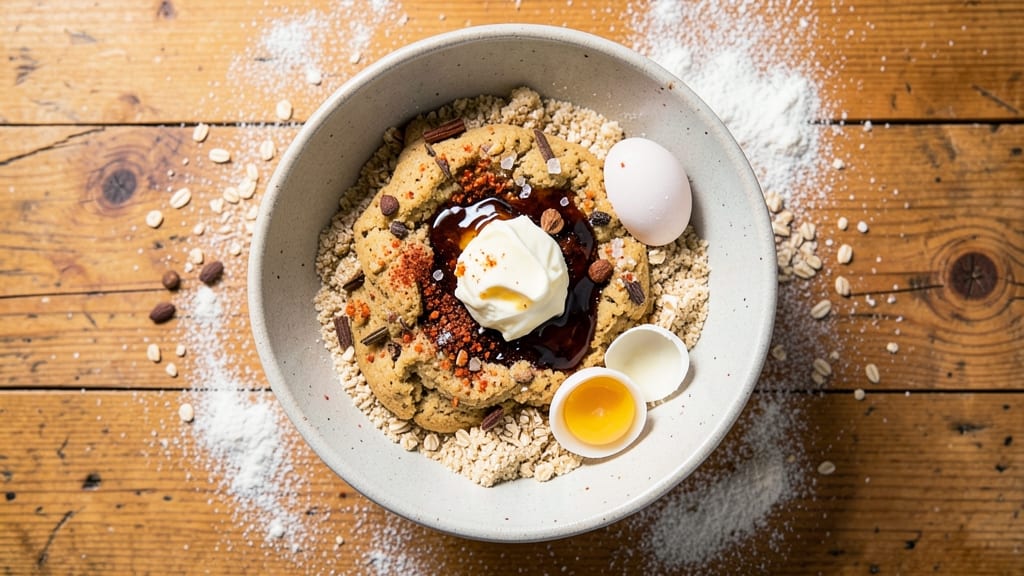
Tate's gluten-free ginger cookie recipe delivers all the warm spice crunch of classic ginger snaps without the gluten. The secret lies in a blend of almond flour and oat flour that creates that perfect chewy texture while keeping the cookies tender inside.
I've perfected this recipe over years of baking, ensuring every batch turns out with bold ginger flavor and just the right level of crispness.
What makes these cookies special is the balance of spices—ginger, cinnamon, and clove—paired with a touch of molasses for depth. The recipe uses simple ingredients you likely already have, but the technique ensures professional results.
Unlike many gluten-free cookies that turn out dry, these stay moist and flavorful right out of the oven.
Baking at 350°F for 10-12 minutes gives you golden edges with soft centers, and the cookies continue to set as they cool. The warm spices infuse the dough while baking, creating that signature aromatic experience that makes these cookies irresistible. Perfect for holiday gatherings or a cozy afternoon treat.
These cookies are naturally gluten-free but require careful handling to avoid cross-contamination. Use separate utensils and surfaces if sharing a kitchen with gluten-containing ingredients. The result is a batch of cookies that tastes like a bakery treat but fits dietary needs perfectly—crispy, spiced, and completely satisfying.
Ingredients for tate's gluten free ginger cookie
Simple gluten-free staples blend into cookies with bold ginger warmth and perfect chewy texture.
| Ingredient | Amount | Notes |
|---|---|---|
| Almond Flour 🌰 | 1 ½ cups | Finely ground for texture |
| Oat Flour 🌾 | 1 cup | Blended from rolled oats |
| Unsalted Butter 🧈 | ½ cup | Cold, cubed for dough |
| Granulated Sugar 🍚 | ½ cup | Light brown preferred |
| Molasses 🍯 | ¼ cup | Unsulphured for depth |
| Large Eggs 🥚 | 2 whole | Room temperature |
| Ground Ginger 🌶️ | 1 ½ tbsp | Freshly ground preferred |
| Ground Cinnamon 🌿 | 1 tsp | Freshly ground |
| Ground Cloves 🌶️ | ½ tsp | Freshly ground |
| Sea Salt 🧂 | ½ tsp | Fine grain preferred |
| Vanilla Extract 🌸 | 1 tsp | Pure extract |
| Baking Soda 🧪 | ½ tsp | Freshly opened |
| Xanthan Gum 🌾 | ¼ tsp | For binding |
The almond and oat flours are the backbone of this recipe. Bob's Red Mill or King Arthur brands make reliable oat flour, while Anthony's Goods almond flour delivers consistent texture. For the spices, Penzeys or bulk bins at natural food stores ensure freshness—ginger and cinnamon lose potency quickly once opened. The molasses should be unsulphured for that deep, rich flavor that sets these apart from regular ginger snaps. I always measure my flours by weight for accuracy, but if you're using cups, spoon the flour into the measuring cup and level it off—don't scoop directly from the bag.
No almond flour? Coconut flour works but requires extra eggs—add an additional egg to maintain moisture. Substituting regular oatmeal for oat flour? Blend it first—the texture won't be identical, but it's a decent pinch. For the spices, if you're missing cloves, allspice at half the amount gives a similar warmth. The molasses can be swapped for maple syrup, though the flavor profile will shift slightly. And if you're worried about cross-contamination, certified gluten-free oats are worth the extra cost—they're processed in dedicated facilities.
Store the dough in an airtight container in the fridge for up to 3 days—it actually improves in flavor as the spices infuse. Baked cookies keep at room temperature for 5-7 days in an airtight container, though they're best enjoyed fresh. For longer storage, freeze the dough balls before baking—up to 3 months. When you're ready to bake, let them sit at room temperature for 15 minutes first. The cookies continue to crisp up as they cool, so resist the urge to eat them fresh out of the oven—wait at least 10 minutes for that perfect balance of chewy center and crispy edges.
Why You'll Love This Recipe
- No-Fuss Dough: I swear by this recipe because it’s three ingredients (plus a few pantry staples) mixed into a thick, spiced paste—no creaming butter, no overworking the dough. Just fold, scoop, bake. Honestly, the almond flour keeps it from crumbling, and the oat flour gives that perfect chew.
- Molasses Magic: That deep, caramelized molasses kick? It’s the star. The cookies start with a crisp edge, then soften into a chewy center with just the right amount of spicy warmth—no overpowering ginger, just a slow, cozy burn. Between us, it’s the kind of flavor that makes you reach for a glass of milk before the cookies even cool.
- Holiday or Snack: I make these for Christmas cookie platters, but they’re also my go-to for lunchboxes or a quick dessert when friends drop by. The rich almond flavor balances the molasses, so they’re sophisticated enough for company but simple enough for a Tuesday. (Yes, even on a Tuesday night.)
- Lasts All Week: A batch keeps in an airtight container for at least five days—no weird dryness, no sad edges. The butter stays fresh longer than most cookies, and the almond flour means they don’t go stale fast. Plus, they freeze beautifully, so I bake a double batch in December and pull them out whenever I need a treat. My secret weapon.
Step-by-step instructions for tate's gluten free ginger cookies
Follow these precise steps to create tender, spiced cookies with a perfect crunch—every bite delivers that warm gingerbread flavor without the gluten.
Mix Dry Ingredients Thoroughly
In a medium bowl, whisk together the 1.5 cups almond flour, 1 cup oat flour, 1.5 tablespoons ground ginger, 1 teaspoon ground cinnamon, 0.5 teaspoon ground cloves, 0.5 teaspoon sea salt, 0.5 teaspoon baking soda, and 0.25 teaspoon xanthan gum. Sift the mixture lightly to remove any lumps, then set aside. The xanthan gum is crucial here—it mimics gluten's binding properties, so don't skip it.
I like to use a fine-mesh sieve for this step to ensure even distribution of the spices. The oat flour adds a subtle graininess that balances the smooth almond flour, while the xanthan gum prevents crumbling. If you notice any dry spots in the mixture, whisk again until fully combined.
Cream Butter and Sweeteners
In a separate large bowl, combine the 0.5 cup unsalted butter (cold and cubed) with the 0.5 cup granulated sugar and 0.25 cup molasses. Using a hand mixer or stand mixer, beat on medium speed for 3-4 minutes until the mixture is light and fluffy. The butter should be fully incorporated, and the molasses should be evenly distributed.
This creaming process is essential for achieving that classic ginger cookie texture. The molasses adds depth of flavor and moisture, while the butter creates the signature chewiness. If the mixture seems too thick, let it sit at room temperature for 5 minutes before proceeding—this helps the butter soften slightly for easier mixing.
Combine Wet and Dry Ingredients
Add the 2 whole large eggs and 1 teaspoon vanilla extract to the butter mixture, mixing on low speed until fully incorporated. Gradually add the dry ingredients to the wet mixture, mixing on low speed until just combined. Be careful not to overmix—stop as soon as the dough comes together. The dough will be thick and sticky, but that's exactly what we want.
At this stage, the dough should hold its shape when pressed gently. If it feels too dry, add 1 tablespoon of cold water to help bind it. The molasses and eggs provide moisture, but the almond flour can absorb more than expected. Once combined, cover the bowl with plastic wrap and refrigerate for at least 30 minutes—this resting period is key to preventing excessive spreading in the oven.
Shape and Bake to Perfection
Preheat your oven to 350°F and line two baking sheets with parchment paper. Scoop the chilled dough into 1.5-tablespoon portions (about 1 ounce each) and roll them into balls. Place the dough balls 2 inches apart on the prepared baking sheets. Flatten each ball slightly with your palm—just enough to create a 0.5-inch thick cookie.
Bake for 10-12 minutes, rotating the baking sheets halfway through, until the edges are deep golden brown and the centers look slightly underbaked. The cookies will firm up as they cool, so don't overbake them. They should pull away from the parchment paper easily when done. Let them cool on the baking sheet for 5 minutes before transferring to a wire rack to cool completely.
Enjoy Warm with Spiced Milk
Serve the cookies warm for the ultimate experience—the spices release their aroma when freshly baked. Pair them with a glass of spiced milk (warm milk with a pinch of cinnamon and a dash of vanilla) for a cozy treat. These cookies stay fresh for 5 days in an airtight container at room temperature or can be frozen for up to 3 months for a quick gingerbread fix anytime.
The result should be a tender yet slightly crisp cookie with a perfect balance of sweetness from the molasses and sugar, warmth from the ginger, and a subtle depth from the cloves and cinnamon. Each bite delivers that classic gingerbread flavor without the gluten, making them a crowd-pleaser for anyone with dietary restrictions.
Pro Tips For Making Tate'S Gluten Free Ginger Cookie
- CHILL THE DOUGH: After mixing almond flour, oat flour, and butter, pop the dough in the fridge for at least 30 minutes—yes, even if you’re eager. I used to skip this and ended up with dense, crumbly cookies. The cold fat prevents spreading while baking, giving you those perfect chewy centers.
- TOAST YOUR OAT FLOUR: Dry-toast the oat flour in a 350°F oven for 5-7 minutes before mixing—it deepens the flavor and prevents gummy cookies. I learned this the hard way after a batch turned out too soft. (Pro move: Use the same oven you’ll bake in later.)
- WEIGH YOUR ALMOND FLOUR: Don’t scoop almond flour by volume—it packs differently and throws off the ratio. Use a kitchen scale for accuracy, especially since this recipe relies on its structure. I’ve seen cookies fall apart when the almond flour was off by even 10 grams.
- UNDERBAKE SLIGHTLY: Pull these cookies out when the edges are just set and the centers still look soft—they’ll firm up as they cool. Overbaking turns them dry, and gluten-free cookies don’t bounce back like wheat-based ones. A toothpick with a few crumbs? Perfect.
Creative variations of this tate's gluten free ginger cookie
Spiced Molasses Twist
Boost the molasses depth by swapping ¼ cup of the granulated sugar with ¼ cup blackstrap molasses. This creates a richer, deeper flavor profile that mimics classic gingerbread. I've found that Trader Joe's blackstrap molasses works perfectly—it has a robust, almost caramel-like quality that elevates the cookies.
For extra warmth, add ¼ teaspoon freshly grated nutmeg to the dry ingredients. 🌶️
Chocolate-Dipped Variation
For a decadent twist, dip half of your baked cookies in dark chocolate (I recommend 70% Ghirardelli) while still warm. Let the chocolate set on parchment paper, then sprinkle with crushed candied ginger or flaky sea salt for contrast.
This adds a luxurious touch that pairs beautifully with the spiced cookie. Store in an airtight container to prevent the chocolate from melting.
Citrus Zest Brightness
Add 1 teaspoon freshly grated orange zest to the wet ingredients for a bright, citrusy note that cuts through the richness. The zest should be finely minced to avoid any bitter pith.
I like to use Valencia oranges for their sweet-sour balance. This variation works especially well with the chocolate-dipped cookies, creating a sophisticated flavor profile that's still approachable for everyday baking.
Nutty Crunch Addition
Fold ½ cup chopped pecans or walnuts into half the dough before baking for added texture. Toast the nuts in a dry pan for 3-4 minutes until fragrant, then chop them coarsely.
This adds a delightful crunch that complements the chewy cookie. For a more elegant presentation, reserve some chopped nuts to sprinkle on top of the cookies right after baking. 🌰
Cream Cheese Frosting
Make these cookies even more indulgent by adding a simple cream cheese frosting. Beat 4 oz cream cheese, 2 tablespoons softened butter, and 1 cup powdered sugar until smooth, then pipe or spread onto cooled cookies.
A sprinkle of crushed gingersnap cookies adds texture and ties the flavors together. This variation is perfect for holiday gifting or special occasions.
Vegan Adaptation
Replace the butter with ½ cup vegan butter (like Miyoko's) and use flax eggs (1 tablespoon ground flaxseed + 3 tablespoons water per egg). The dough will be slightly different in texture but still holds together well.
For binding, add 1 tablespoon extra xanthan gum to compensate for the lack of eggs. The flavor remains rich and spiced, making these cookies a great option for vegan diets without sacrificing taste. ✨
Nutrition facts
Frequently asked questions
Why do these gluten-free ginger cookies need xanthan gum?
Xanthan gum acts as a binder to replace gluten's structural properties. Without it, your cookies may crumble or spread too much during baking. Just ¼ teaspoon creates that perfect chewy texture while keeping the cookies together. It's especially important when using almond flour, which lacks natural gluten.
Can I make these cookies without molasses?
Yes, but the flavor will be different. Replace the ¼ cup molasses with ¼ cup maple syrup or ¼ cup honey for sweetness. The cookies will taste more like classic ginger snaps but still be delicious. For deeper flavor, try ½ cup molasses + ¼ cup sugar instead of the full sugar amount.
How do I prevent my gluten-free ginger cookies from spreading too much?
Chill the dough for at least 30 minutes before baking to firm it up. Use 1.5-tablespoon portions (about 1 ounce) and flatten them slightly but not too much. Bake on parchment paper and rotate pans halfway through at 350°F. The cookies will firm up as they cool, so don't overbake.
Can I use regular flour instead of almond/oat flour?
Not safely for gluten-free diets, but you could make a separate batch with 1:1 gluten-free baking flour (like Bob's Red Mill). The texture will differ—these recipes rely on almond flour's richness and oat flour's subtle graininess. If you must substitute, add ½ teaspoon extra xanthan gum to compensate for the missing binding.
How do I store these cookies to keep them fresh?
Store baked cookies in an airtight container at room temperature for 5-7 days. For longer storage, freeze dough balls (unbaked) for up to 3 months. Thaw frozen dough at room temperature for 15 minutes before baking. The spices keep their aroma best when stored properly—just avoid humidity!