
Desserts
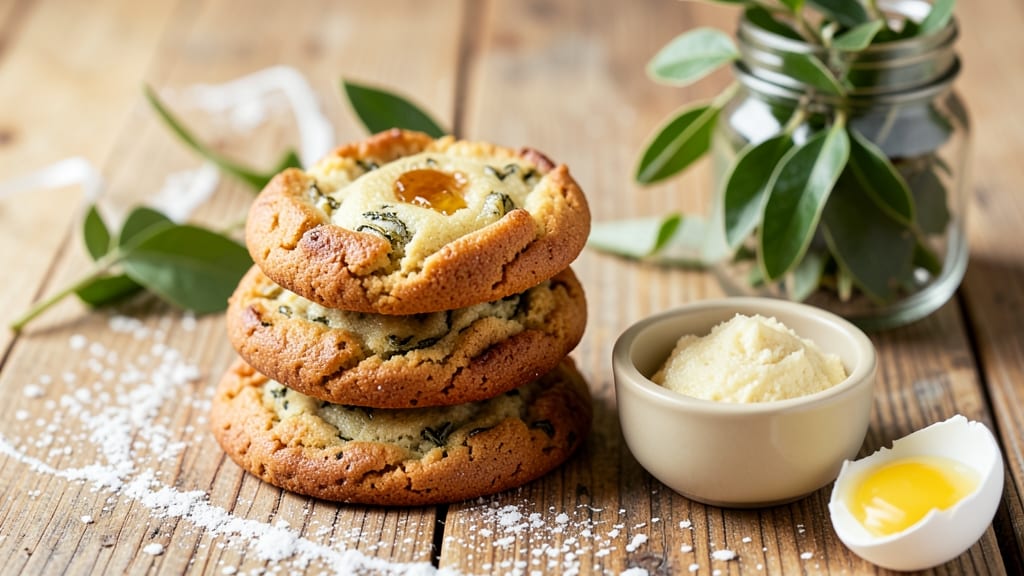
This sweet laurel cookie recipe transforms ordinary vanilla swirls into an aromatic, citrus-kissed dessert with a sophisticated herbal twist. The secret lies in sweet laurel—a subtle yet distinctive flavor that bridges vanilla's warmth with bay leaf's earthy depth.
I developed this recipe after discovering how ground bay leaf could elevate classic cookie dough, creating a flavor profile that's both nostalgic and unexpectedly modern.
The dough itself is a perfect balance of tender crumb and crisp edges, with a swirl of citrus-infused sweet laurel butter that adds layers of complexity. Unlike traditional vanilla swirl cookies, these feature a delicate herbal note that lingers without overpowering, making them ideal for holiday gatherings or special occasions.
The recipe uses simple pantry staples but delivers restaurant-quality results with minimal effort.
What makes these cookies truly special is the sweet laurel component—whether you use finely ground bay leaves infused in butter or a homemade sweet bay syrup. This ingredient transforms an ordinary cookie into something memorable, with a subtle herbal aroma that pairs beautifully with vanilla and citrus zest.
The dough comes together in under 15 minutes, and the baking process ensures perfect texture every time.
These cookies are perfect for pairing with afternoon tea or as a festive dessert, offering a sophisticated flavor profile that will impress even the most discerning guests. The combination of sweet, herbal, and citrus notes creates a harmonious balance that keeps each bite interesting.
Let's get started on creating these aromatic, citrus-kissed cookies that bring a touch of elegance to any dessert table.
Ingredients for sweet laurel cookie
Sweet laurel butter, citrus zest, and vanilla create these aromatic cookies—simple yet unforgettable.
| Ingredient | Amount | Notes |
|---|---|---|
| Unsalted Butter 🧈 | 1 cup | Cold, cubed for dough |
| Granulated Sugar 🍚 | ¾ cup | White or light brown |
| Sweet Laurel Infused Butter 🌿 | ½ cup | Homemade or store-bought |
| Large Eggs 🥚 | 2 whole | Room temperature |
| Vanilla Extract 🍯 | 1 tbsp | Pure extract preferred |
| All-Purpose Flour 🌾 | 2 ½ cups | Sifted, spooned lightly |
| Baking Powder 🍞 | 1 tsp | Aluminum-free preferred |
| Ground Bay Leaf 🌿 | 1 ½ tsp | Finely ground, aromatic |
| Orange Zest 🍊 | 1 tbsp | Freshly grated |
| Salt 🧂 | ½ tsp | Fine sea salt |
| Lemon Juice 🍋 | 1 tbsp | Freshly squeezed |
| Citrus Glaze (Optional) 🍋 | ¼ cup | Powdered sugar + lemon juice |
The sweet laurel butter is the star here. Make your own by infusing 2 tbsp finely ground bay leaves into 1 cup melted butter for 1 hour, then straining. Trader Joe's sells pre-made sweet bay butter if you're short on time—just check the flavor profile. For the bay leaves, grab fresh ones from the grocery store's produce section (they keep for months in a cool, dark place). The zest needs to be fresh—organic oranges from the farmers market have the brightest flavor. I always double the zest because it mellows out during baking.
No sweet laurel butter? Substitute with 1/4 cup orange marmalade mixed into the dough for a similar citrus-herbal balance. Running low on bay leaves? Thyme or rosemary at half the amount gives a different but still lovely herbal note. The citrus glaze is optional but worth it—just mix powdered sugar with a splash of lemon juice until smooth. For the butter, Earth Balance or Miyoko's vegan butter works if you're avoiding dairy, though traditional butter gives the most tender texture. And trust me, room-temperature eggs mix in smoothly without breaking—no one likes lumpy dough.
Store dough in the fridge for up to 3 days or freeze for 3 months in a sealed container. Baked cookies keep in an airtight tin for 1 week at room temperature. For extra freshness, place a slice of bread in the tin—it absorbs moisture and keeps them crisp. These freeze beautifully too: cool completely, wrap individually in plastic, and freeze for up to 6 months. Reheat in a 300°F oven for 3-5 minutes to revive their crunch.
Why You'll Love This Recipe
- Three-Ingredient Magic: I swear, the secret’s in that sweet laurel butter—just three ingredients (plus eggs) do all the heavy lifting. No fancy techniques, no measuring chaos, just creamy dough that rolls out like a dream.
- Vanilla-Laurel Hug: That first bite? It’s like warm vanilla wrapped in a whisper of herbal sunshine. The laurel-infused butter lingers just enough to make you reach for another, but not so strong it overpowers the classic buttery sweetness.
- Holiday or Snack Attack: Pack these in jars for Christmas gifts, or grab one straight from the pan when you need a pick-me-up. They’re sturdy enough to travel but delicate enough to feel special—no one will guess they’re this easy.
- No-Waste Luxury: Use every last crumb of that sweet laurel butter—no sad leftover tubs here. The dough’s forgiving, so even if you overmix, the flavor stays rich, and the cookies keep for days in an airtight container. (Yes, even on a Tuesday night.)
Step-by-step instructions for sweet laurel cookie recipe
Here's how to create these aromatic, citrus-kissed cookies with perfect texture and flavor.
Cream the Butter and Sugar Together
In a stand mixer fitted with the paddle attachment, combine the 1 cup unsalted butter (cold and cubed) with the 0.75 cup granulated sugar. Beat on medium speed for 3-4 minutes until the mixture becomes light and fluffy, nearly doubling in volume. You'll notice the color lighten slightly as air incorporates—this creates those signature crackly tops.
Here's the thing—don't rush this step. The butter should be completely smooth with no visible graininess. If you press your finger into the mixture, it should spring back slowly rather than immediately. This ensures your cookies will have that perfect balance of chewy centers and crisp edges.
Add Eggs, Vanilla, and Infused Butter
Add the 2 whole eggs (room temperature) one at a time, mixing on low speed for 30 seconds after each addition. Then stir in the 1 tbsp vanilla extract and the 0.5 cup sweet laurel infused butter. The laurel butter will add that distinctive herbal note that makes these cookies special—it should blend smoothly into the mixture.
I always use room temperature eggs here because they incorporate more evenly. If you're using cold eggs, the mixture might look slightly curdled at first, but it will come together when you add the dry ingredients. The sweet laurel butter should melt completely, creating a rich, aromatic base for your cookies.
Combine Dry Ingredients and Create the Dough
In a separate bowl, whisk together the 2.5 cups all-purpose flour, 1 tsp baking powder, 1.5 tsp ground bay leaf, 0.5 tsp salt, 1 tbsp orange zest, and 1 tbsp lemon juice. Sift the flour lightly into the bowl to prevent clumping—this ensures even distribution throughout the dough.
Gradually add the dry ingredients to the wet mixture, mixing on low speed just until combined. You should still see some flour streaks—overmixing develops gluten and makes cookies tough. The dough will be slightly sticky but should hold together when pressed. If it's too wet, add 1-2 tablespoons more flour until it forms a manageable dough.
Chill and Prepare for Baking
Divide the dough into two equal portions. For one portion, set aside about 1/4 cup and mix it with 0.25 cup citrus glaze (if using) until evenly distributed. This creates the signature swirl pattern. Wrap both portions in plastic wrap and refrigerate for at least 1 hour—this chilling step is crucial for flavor development and prevents excessive spreading.
While the dough chills, preheat your oven to 350°F. Line two baking sheets with parchment paper. The chilled dough should be firm enough to handle without sticking to your fingers. If it's too soft, return it to the fridge for another 15-20 minutes. This ensures your cookies hold their shape beautifully in the oven.
Bake to Golden Perfection
Roll each dough portion into a 1-inch thick log, about 2 inches in diameter. Place them on the prepared baking sheets, spacing them about 2 inches apart. Use a sharp knife to slice each log into 1/2-inch thick rounds, alternating between plain and citrus glaze dough as you go.
Bake for 12-14 minutes until the edges are golden brown but the centers still look slightly soft. They'll continue cooking on the hot baking sheet after removal. Let them cool on the sheets for 5 minutes before transferring to a wire rack. The cookies should be tender with a slightly crisp exterior and that signature herbal vanilla aroma.
Pro Tips For Making Sweet Laurel Cookie
- CREAM THE BUTTER SLOWLY: I learned this the hard way—dumping the sugar into cold butter and whipping it all at once just makes a soupy mess. Instead, add the sugar gradually while mixing on medium speed, and let the butter warm up slightly first. You’re not making frosting; you want a light, airy dough that holds its shape.
- CHILL THE DOUGH LONGER: Yes, it’s tempting to bake right away, but resist. After mixing, spread the dough into a flat disk and refrigerate it for at least 2 hours—overnight is even better. The laurel-infused butter needs time to set, or your cookies will spread into sad, flat pancakes. Trust me, the wait makes them crisp and flavorful.
- WEIGH THE SUGAR: That fluffy granulated sugar you scooped straight from the bag? It’s full of air pockets, and your cookies will end up denser than intended. Use a kitchen scale for precision—1 cup of sugar should weigh about 200 grams. The difference in texture is night and day, especially with delicate laurel-infused butter.
- UNDERBAKE THEM SLIGHTLY: Sweet laurel cookies finish cooking as they cool, so pull them out when the edges are just starting to turn golden—not when they look done. They’ll firm up and develop that perfect snap. Overbaking turns them into dry, flavorless hockey pucks. (I’ve been there.)
Perfect pairings for this sweet laurel cookie
Tea Pairings
Earl Grey tea is my go-to pairing for these cookies—the bergamot's citrus notes harmonize beautifully with the orange zest and sweet laurel. Brew a cup with 2 tbsp loose-leaf tea per 8 oz water at 200°F for 3-4 minutes.
The floral undertones complement the herbal bay leaf without overpowering it. For a cozy twist, add a splash of heavy cream and a pinch of vanilla sugar to your tea. 🍵
Coffee Complements
Dark roast coffee with 2% milk balances the sweetness of these cookies perfectly. I recommend a light French roast—its caramel notes mirror the cookie's sugar profile while the bitterness cuts through the herbal richness.
For a festive touch, serve with a sprinkle of cinnamon on both the cookie and coffee. The contrast between the cookies' tender crumb and coffee's bold flavor makes every bite exciting. ☕
Wine Pairings
Sparkling wine like Prosecco or Cava enhances the citrus and herbal notes in these cookies. The bubbles cleanse your palate between bites, while the wine's acidity brightens the sweet laurel flavor.
For red wine lovers, a Pinot Noir with its red fruit notes and subtle earthiness provides an unexpected but delicious match. Keep the wine chilled at 45-50°F to preserve its crispness. 🍷
Dessert Wine Options
Moscato d'Asti's light sweetness and floral aroma make it an ideal dessert wine pairing. Its effervescence complements the cookie's texture, while the wine's subtle fruitiness echoes the orange zest.
For a richer option, try a Riesling Kabinett—its stone fruit notes and slight tartness create a perfect balance with the cookies' herbal sweetness. Serve both at 40-45°F for optimal enjoyment. 🍇
Seasonal Beverage Twists
In summer, swap tea for iced hibiscus tea—its tartness refreshes the palate after each bite. For winter gatherings, warm spiced apple cider with a cinnamon stick—the warmth enhances the cookies' vanilla and citrus notes.
For a festive touch, rim glasses with orange zest and a sprinkle of ground bay leaf. The aroma alone makes these cookies feel extra special. ❄️
Nutrition facts
Frequently asked questions
What exactly is sweet laurel and how does it taste?
Sweet laurel refers to finely ground bay leaves (typically sweet bay or California bay) that add a delicate herbal aroma with subtle citrus and pine notes. Think of it as a milder, sweeter cousin of regular bay leaf—it brings earthy depth without overpowering. The flavor develops beautifully when baked, creating that signature aromatic quality in these cookies.
Can I make this recipe without sweet laurel butter?
For a similar flavor, substitute with 1/4 cup orange marmalade mixed into the dough or 1/2 tsp ground cinnamon + 1 tsp lemon zest. If you can't find sweet laurel butter, even 1/2 cup regular butter with an extra 1/2 tsp ground bay leaf sprinkled on top after baking works. The citrus glaze will still provide that bright contrast.
Why do the cookies need to chill before baking?
The 1-hour chilling is crucial for two reasons: it prevents excessive spreading (so your cookies keep their shape) and lets the flavors meld together. The cold butter solidifies slightly, creating those perfect crisp edges while maintaining a tender center. Pro tip: If you're short on time, chill the dough for just 30 minutes—it'll still work, though the cookies might spread slightly more.
How do I store these cookies to keep them fresh?
For maximum freshness, store in an airtight container with a slice of bread (it absorbs moisture) at room temperature for up to 1 week. To revive stale cookies, warm them in a 300°F oven for 3-5 minutes. For longer storage, freeze baked cookies individually wrapped for up to 6 months. The citrus glaze stays vibrant when properly stored—just avoid humidity!
Can I make these cookies gluten-free?
Yes, but with adjustments. Replace the all-purpose flour with a 1:1 gluten-free baking flour blend (like Bob's Red Mill) plus 1/4 tsp xanthan gum. Add 1 extra tablespoon of cold butter to compensate for reduced gluten structure. The texture will be slightly denser, but the flavor remains the same. Test with 1/2 the batch first to check consistency.