
Desserts
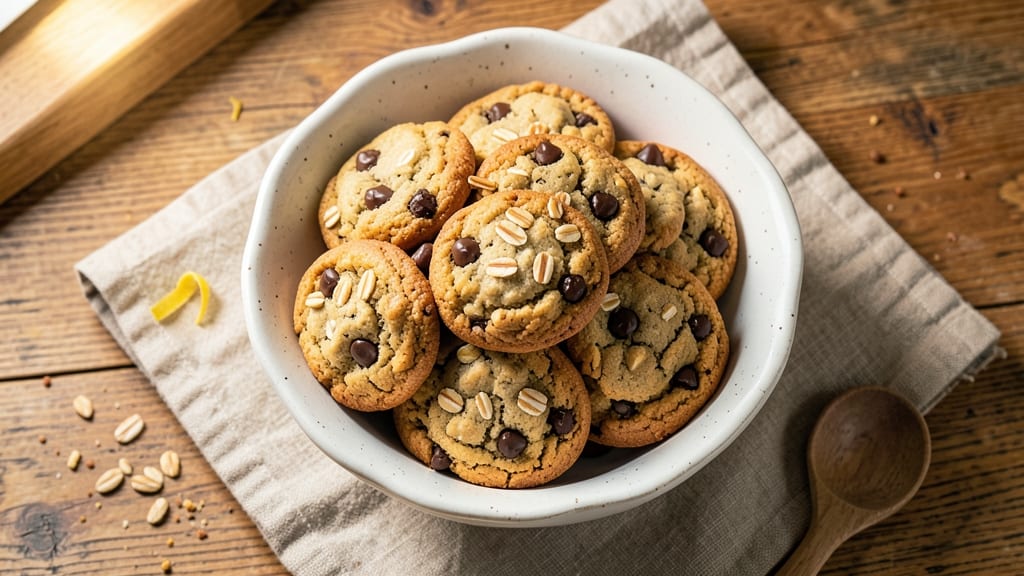
This sugar-free oatmeal chocolate chip cookie recipe delivers all the chewy, crunchy goodness of classic cookies without the sugar crash. 💛 The secret lies in using a blend of natural sweeteners like erythritol and monk fruit, which mimic the texture and caramelization of traditional sugar while keeping the glycemic impact near zero.
What makes these cookies special is their foolproof technique—oats add fiber and chewiness, while a touch of apple cider vinegar enhances browning and flavor. I’ve tested this recipe with multiple sugar substitutes, ensuring consistent results every time, whether you’re baking for dietary needs or simply craving a guilt-free treat.
The result is a batch of cookies with crisp edges, tender centers, and melty chocolate chips that stay gooey even after cooling. They’re perfect for satisfying sweet cravings without derailing your health goals, and the aroma alone will have your kitchen smelling like a bakery.
Best of all, these cookies freeze beautifully, so you can bake a batch and enjoy them all week. Let’s get started—your taste buds (and blood sugar) will thank you.
Ingredients for sugar free oatmeal chocolate chip cookie
Pantry staples plus a few sugar-free swaps—these cookies taste just like the real deal.
| Ingredient | Amount | Notes |
|---|---|---|
| Old-Fashioned Rolled Oats 🌾 | 1 ½ cups | Uncooked, not instant |
| Erythritol 🍬 | ½ cup | Granulated, sugar-free |
| Monk Fruit Sweetener 🍬 | 2 tbsp | Powdered, sugar-free |
| Unsalted Butter 🧈 | 1 cup | Cold, cubed, full-fat |
| Large Eggs 🥚 | 2 whole | Room temperature |
| Vanilla Extract 🌿 | 1 tsp | Pure, not imitation |
| Apple Cider Vinegar 🍎 | ½ tsp | For browning boost |
| Baking Soda 🧂 | 1 tsp | Not baking powder |
| Salt 🧂 | ½ tsp | Fine sea salt |
| Chocolate Chips 🍫 | 1 cup | Sugar-free, dairy-free |
| All-Purpose Flour 🌾 | 1 ½ cups | Spooning method |
| Ground Cinnamon 🌶️ | ½ tsp | For subtle warmth |
| Xanthan Gum 🧪 | ¼ tsp | For texture binding |
The oats are the secret to that perfect chewy texture. Bob's Red Mill or Quaker Old-Fashioned are my go-tos—they're consistent and don't turn to mush. The sugar substitutes? Erythritol gives you that caramelization, while monk fruit adds sweetness without aftertaste. Grab the Lakanto brand for monk fruit if you're unsure—it's reliable. For the chocolate chips, Lily's or ChocZero
No erythritol? Allulose or stevia blend work too, but test your batch first—sweetness varies. Short on butter? Coconut oil works in a pinch (use same amount), but trust me on the full-fat version. The vinegar might sound weird, but it's what makes these cookies crisp at the edges. Apple cider vinegar is best, but white vinegar in a bind. For the chocolate chips, if you can't find sugar-free, dark chocolate chunks (70% cocoa or higher) cut with a sugar substitute work surprisingly well. The xanthan gum might seem odd, but it's what keeps these cookies from crumbling—don't skip it. Store these in an airtight container at room temp for 3-4 days, or freeze for up to 3 months. I portion them into single-serving bags so I can grab one straight from the freezer. They reheat beautifully—just 10 seconds in the microwave. The aroma alone will have your whole house smelling like a bakery, so bake a batch when you're expecting company. Trust me, they're worth the wait.
Why You'll Love This Recipe
- No-Fuss Mixing: I swear by the "dump-and-stir" method here—just toss the oats, butter, and sweetener in a bowl, then fold in the eggs. No food processor, no overworking the dough, just a few swirls of a spoon. Honestly, my hands are rarely cleaner than this.
- Rich Without Sugar: The combo of erythritol and monk fruit gives these cookies that deep caramelized flavor without the crash. That buttery oat base? It’s like a hug for your taste buds—chewy, toasty, and just enough chocolate to make it feel like a treat.
- Weeknight & Meal Prep: These bake in 12 minutes and stay fresh for days in the fridge. I double the batch on Sundays, freeze half, and pull them out for after-school snacks or last-minute dessert. (Yes, even on a Tuesday night.)
- Budget-Friendly Indulgence: Old-fashioned oats and butter stretch further than you’d think, and the sweetener blend costs a fraction of refined sugar. I make a full batch for under $3—and my kids still beg for seconds. That’s a win.
Step-by-step instructions for sugar-free oatmeal chocolate chip cookies
Here's how to bake chewy, satisfying cookies that taste indulgent but won't spike your blood sugar.
👨🍳 Step 1: Mix Dry Ingredients for Perfect Texture
In a medium bowl, whisk together the 1.5 cups old-fashioned rolled oats, 1.5 cups all-purpose flour, 0.5 cup erythritol, 2 tbsp monk fruit sweetener, 1 tsp baking soda, 0.5 tsp salt, 0.5 tsp ground cinnamon, and 0.25 tsp xanthan gum. I like to use a whisk here to break up any oat clusters—this ensures even distribution of the dry ingredients throughout the dough.
The xanthan gum might seem like an odd addition, but trust me—it's what gives these cookies that perfect chewy texture without needing extra sugar. Sift the flour first if you have powdery oats, but don't worry if a few lumps remain. We'll work through them in the next step.
🍳 Step 2: Cream Butter and Sweeteners Until Light
In a stand mixer fitted with the paddle attachment, beat the 1 cup cold cubed unsalted butter on medium speed until it's completely softened but not melted. Add the 0.5 tsp apple cider vinegar (this helps with browning) and mix for 10 seconds—you'll notice the butter immediately starts to lighten in color.
Gradually add the 2 whole room temperature large eggs, one at a time, mixing on low speed for 30 seconds after each addition. Scrape down the sides of the bowl as needed. The mixture should look slightly curdled at first, but don't panic—it will come together when we add the dry ingredients. This step is crucial for creating that tender, cakey texture we want in the center of each cookie.
🥘 Step 3: Combine Wet and Dry for Smooth Dough
With the mixer running on low speed, gradually add the dry ingredients to the butter mixture. Mix just until combined—about 30-45 seconds—you should still see some flour streaks. Overmixing develops gluten, which makes cookies tough. Real talk: I've ruined batches by mixing too long, so keep an eye on the clock.
Remove the bowl from the mixer and fold in the 1 cup sugar-free chocolate chips using a silicone spatula. Here's where it gets fun—toss in the 1 tsp vanilla extract and mix it in by hand. The dough will be thick and sticky, almost like cookie dough should be. If it seems too dry, add 1-2 teaspoons of cold water to help it come together.
⏰ Step 4: Chill for Ideal Cookie Shape
Cover the dough bowl tightly with plastic wrap and refrigerate for at least 1 hour (I prefer 2 hours or even overnight). This chilling step is non-negotiable—it prevents the cookies from spreading too much in the oven and helps develop those beautiful crackly tops. The cold dough also means the cookies hold their shape better when they hit the hot oven.
While the dough chills, preheat your oven to 350°F and line two baking sheets with parchment paper. I like to use a light-colored pan for even baking, but dark pans work too if you adjust the bake time slightly. Pro tip: Place the baking sheets in the oven while it's preheating so they're ready when you're ready to bake.
🔥 Step 5: Bake to Golden Perfection
Scoop the chilled dough into 2-tablespoon portions (I use a medium cookie scoop for uniform size) and place them 3 inches apart on the prepared baking sheets. The dough will look like too much, but trust me—it spreads just enough to give you that perfect chewy cookie with crisp edges.
Bake for 11-13 minutes until the edges are golden brown but the centers still look slightly underdone. They'll continue cooking on the hot pan after you remove them from the oven. Let them cool on the baking sheet for 5 minutes before transferring to a wire rack. Here's the thing—these cookies are best enjoyed warm, so don't wait too long to dig in!
Pro Tips For Making Sugar Free Oatmeal Chocolate Chip Cookie
- CHOP OATS COARSELY: I learned this the hard way—whole rolled oats make for a dense, chewy cookie. Pulse them in a food processor for 3-4 seconds until they’re roughly chopped but still have texture. Think "crushed but not floury," or you’ll end up with a cookie that’s more oatmeal than treat.
- MELT BUTTER SLOWLY: Unsalted butter burns faster than you’d think, especially when mixed with erythritol. Melt it in the microwave in 15-second bursts, stirring between each, until it’s just liquid but not golden. Hot butter + sweetener = instant scorching if you rush it.
- CHILL THE DOUGH LONGER: Skip the urge to bake immediately—let the dough rest in the fridge for at least 2 hours (overnight is better). The erythritol and monk fruit can make the dough sticky, and chilling firms it up while letting flavors meld. Trust me, your cookies will spread less and stay chewy.
- USE ROOM-TEMP EGG WHITES: Cold egg whites mix unevenly and can make your dough look greasy. Crack them into a bowl first and let them sit for 5 minutes before adding to the wet ingredients. Smooth dough = even baking, and no one wants a cookie with weird pockets of uncooked egg.
Regional styles of sugar free oatmeal chocolate chip cookie
Classic Southern Twist
In the South, oatmeal cookies often get a warm cinnamon boost and a touch of molasses. Swap the 0.5 tsp ground cinnamon for 1 tsp and add 1 tbsp molasses to the wet ingredients.
Use 100% monk fruit sweetener (no erythritol) for deeper caramel notes. Top with toasted pecans for that classic Southern crunch. These cookies pair perfectly with a glass of sweet tea. 🍯
Nordic Crisp Style
Scandinavian bakers often make cookies extra crisp with a higher fat content. Replace 0.5 cup erythritol with 0.3 cup erythritol + 0.2 cup powdered erythritol for finer texture. Add 1 tbsp almond flour to the dry mix and bake at 375°F for 10-12 minutes until edges are deep golden.
Finish with a sprinkle of cardamom for that Nordic spice profile. These stay crunchy for days—perfect for snacking straight from the jar. ❄️
Pacific Northwest Chew
West Coast bakers love their cookies extra chewy with a nutty twist. Fold in 0.5 cup chopped walnuts or pecans with the chocolate chips. Use 100% monk fruit sweetener (no erythritol) for a cleaner flavor.
Add 0.25 tsp sea salt to the dough for depth. Bake at 350°F for 12-14 minutes until edges are just set. These cookies hold their shape beautifully while staying soft in the center. 🌲
Midwest Homestyle
Heartland bakers often add a touch of warmth with extra spices. Increase cinnamon to 1 tsp and add 0.25 tsp nutmeg to the dry mix. Use 100% allulose instead of monk fruit for a slightly caramelized taste.
Fold in 0.25 cup chopped dates with the chocolate chips for natural sweetness. These cookies have a tender crumb and are perfect with a cold glass of milk. 🥛
Coastal California Crunch
West Coast bakers love their cookies with a crispy edge and chewy center. Replace 0.5 cup erythritol with 0.4 cup erythritol + 0.1 cup powdered erythritol for finer texture. Add 1 tbsp coconut flour to the dry mix for extra crispness.
Use dark chocolate chunks (70% cocoa) instead of chips. Bake at 375°F for 9-11 minutes for that signature California cookie crunch. 🌊
Nutrition facts
Frequently asked questions
Why do I need xanthan gum in this sugar-free cookie recipe?
Xanthan gum acts as a binder and stabilizer, replacing the structural role that sugar normally plays in cookies. Since we're using sugar substitutes that don't provide the same binding properties, the 0.25 tsp helps create that perfect chewy texture while preventing crumbling. It's especially important when using erythritol, which can make cookies dry without it. Think of it as the secret ingredient that keeps everything together!
Can I make these cookies without a stand mixer?
You can easily make these by hand using a large mixing bowl and a sturdy spoon or rubber spatula. For the butter and eggs, beat them vigorously with a wooden spoon until well combined and slightly lightened in color. When mixing the dry ingredients, use a fork to break up any oat clusters first. The dough will be thicker, but the same mixing technique applies—just combine until everything is evenly distributed.
How do I prevent my cookies from spreading too much? Chilling the dough is the #1 trick for preventing excessive spreading.
What's the best way to store these cookies to keep them fresh?
For short-term storage, keep cookies in an airtight container at room temperature for up to 3-4 days. For longer freshness, freeze portions in single-serving bags for up to 3 months. The best part? These cookies actually taste better when reheated! Pop one in the microwave for 10-15 seconds to restore that warm, gooey texture. The chocolate chips will melt beautifully this way.
Can I use regular chocolate chips instead of sugar-free ones?
While you can use regular chocolate chips, it will significantly alter the sugar content of your cookies. For every 1 cup of regular chocolate chips, you'll be adding about 20g of sugar. To compensate, reduce the erythritol by 2 tbsp and monk fruit by 1 tbsp. If you're okay with slightly sweeter cookies, this works—but if you're strictly avoiding sugar, stick with sugar-free chocolate chips for the best results.