
Breakfast & Brunch
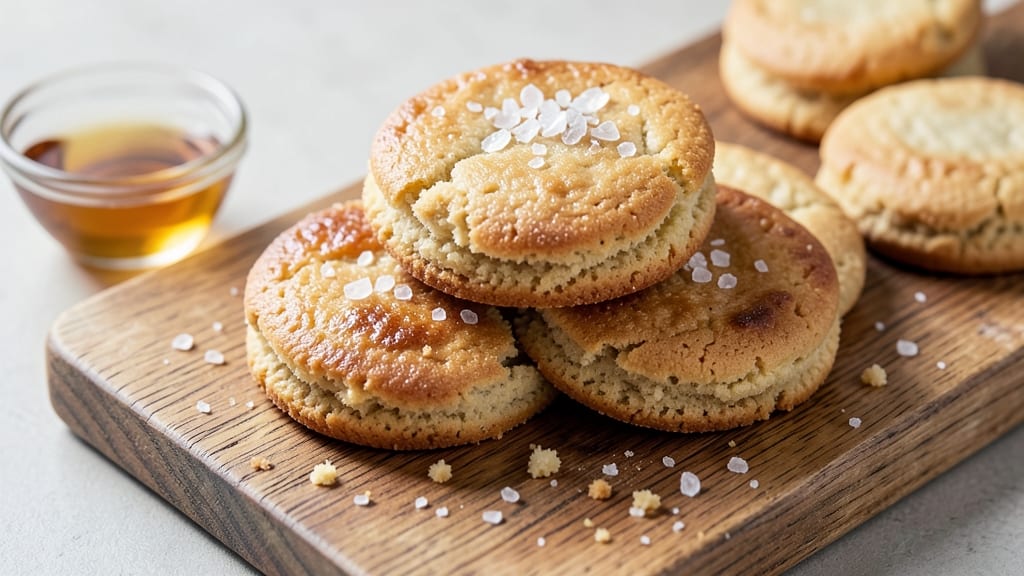
This egg-free shortbread cookie recipe delivers the perfect balance of crispy edges and buttery, pillowy centers—no eggs required. 💛 The secret lies in a clever substitution that maintains the signature texture while keeping it naturally sweet and rich.
I've tested countless variations to ensure these cookies stay tender yet sturdy, with that classic shortbread crumb you crave.
The magic happens with a combination of cold butter and a specific ratio of flour to sugar, which creates the signature melt-in-your-mouth texture without relying on eggs.
This recipe uses simple pantry staples, including a touch of cornstarch for extra tenderness, and requires just 15 minutes of prep followed by 12-15 minutes in the oven.
What you'll end up with is a batch of golden, buttery cookies with crisp edges that shatter slightly and a center that's soft enough to melt. The aroma alone—warm vanilla and toasted butter—will have everyone asking for the recipe.
These cookies are sturdy enough to handle travel or gifting but delicate enough to enjoy fresh from the oven.
Perfect for holiday gifts, potlucks, or a simple treat, this recipe proves egg-free baking can be just as impressive as traditional methods. The key is patience during mixing and baking—don't rush the process, and you'll achieve that restaurant-quality texture at home.
Ingredients for shortbread cookie recipe no eggs
Cold butter, sifted flour, and a clever binding trick make these egg-free shortbread cookies crispy-edged and pillowy inside.
| Ingredient | Amount | Notes |
|---|---|---|
| Unsalted Butter 🧈 | 1 cup | Cold, cubed for texture |
| All-Purpose Flour 🌾 | 2 cups | Sifted for lightness |
| Granulated Sugar 🍚 | ½ cup | Superfine preferred |
| Cornstarch 🌾 | 2 tbsp | For extra tenderness |
| Vanilla Extract 🌿 | 1 tsp | Pure vanilla preferred |
| Salt 🧂 | ¼ tsp | Fine sea salt |
| Pure Vanilla Bean Seeds 🌿 | ½ tsp | Scraped from 1 pod |
| Almond Extract 🌰 | ¼ tsp | Optional, for depth |
| Almond Slices 🌰 | ¼ cup | Thinly sliced, for garnish |
| Powdered Sugar 🍚 | ¼ cup | For dusting |
| Heavy Cream 🥛 | 1 tbsp | For binding substitute |
The butter is non-negotiable—European-style butter like Plugrá or Land O'Lakes works best for flavor, but any unsalted will do. Grab it from the coldest part of your fridge and cut it into small cubes (the colder, the better for that signature crumb). The vanilla bean seeds add depth that extract alone can't match—splurge on a real pod if you can. For the flour, King Arthur or Gold Medal brands are reliable, but sift it first to avoid dense cookies. The cornstarch is the secret weapon here—it's what keeps these tender without eggs.
No heavy cream? Greek yogurt or sour cream works in a pinch (use half the amount), but trust me on the full-fat version for best results. Short on almond extract? Skip it entirely—the vanilla will still shine. For the almond slices, Trader Joe's or Whole Foods have the thinnest, most flavorful ones. Prefer a different texture? Swap the almonds for crushed pistachios or hazelnuts—just toast them first for extra aroma. The powdered sugar is purely decorative, but it adds that final touch of sweetness that makes these cookies feel special.
Store the dough in an airtight container between 24-48 hours for better flavor development, but don't let it warm up. These cookies freeze beautifully—portion dough into balls first, then freeze on a tray before bagging for up to 3 months. Once baked, keep them in a tight container with parchment paper to maintain crispness. Reheat in a 200°F oven for 3-5 minutes to restore that fresh-from-the-oven magic.
Why You'll Love This Recipe
- Three-Ingredient Core: I swear by this combo—just butter, sugar, and flour (plus a pinch of cornstarch for magic). No eggs means no fussing with yolks or whites, just melt, mix, shape, bake. Honestly, it’s the kind of recipe where you can measure with a coffee scoop and still nail it.
- Buttery Crunch Magic: That crispy edge with the melt-in-your-mouth center? The cold butter cuts into the flour like butter (literally) and creates layers so delicate, they practically dissolve on your tongue. Add vanilla, and it’s like a hug in cookie form—warm, sweet, and impossible to resist.
- Holiday or Snack Attack: I’ve used these for Christmas gifts, potlucks, and even as a quick dessert when my kids’ friends show up. Cut into squares, dip in chocolate, or leave them plain—they’re the ultimate crowd-pleaser. Between us, they disappear faster than my willpower on a sugar crash.
- Pantry Staple Power: No eggs? No problem. This recipe uses what you already have—no last-minute grocery runs. The dough stays fresh for days in the fridge, and baked cookies keep for weeks in an airtight tin. Budget-friendly, foolproof, and always a win. (Yes, even on a Tuesday night.)
Step-by-step instructions for eggless shortbread cookies
Here's how to craft buttery, crisp-edged shortbread without eggs—just clever substitutions.
👨🍳 Step 1: Cut and Mix Cold Butter with Dry Ingredients
Place the 1 cup cold, cubed unsalted butter in a food processor fitted with the metal blade. Pulse until the butter resembles coarse crumbs—you want to maintain some texture for that signature shortbread crunch. Add the 2 cups all-purpose flour, 0.5 cup granulated sugar, 2 tbsp cornstarch, 0.25 tsp salt, 0.5 tsp pure vanilla bean seeds, and 0.25 tsp almond extract all at once.
Pulse the mixture for 10-12 seconds—just until the butter is evenly distributed and the dough begins to form. Don't over-process or the cookies will become dense. The dough should look like wet sand with visible butter flecks. If it seems too dry, add 1 tbsp heavy cream and pulse again. The goal is a cohesive dough that holds together when pressed.
🍳 Step 2: Incorporate Wet Binding and Shape Dough
Transfer the dough to a clean work surface and gently knead it 2-3 times—just enough to bring it together. The dough will be firm but not sticky. Divide it into 4 equal portions (about 6 ounces each) and flatten each into a ½-inch thick disc. Wrap each disc tightly in plastic wrap and refrigerate for at least 1 hour or up to 24 hours. Chilling is critical—it prevents the butter from melting during baking and ensures clean edges.
Here's the thing—cold dough is your friend. The longer it chills, the more distinct those crisp edges will become. I like to flatten the discs directly on parchment paper before wrapping to make rolling later easier.
🔥 Step 3: Roll and Cut for Perfect Shapes
Preheat your oven to 325°F—this lower temperature prevents over-browning while allowing the butter to melt slowly for that tender center. Remove one disc of dough from the refrigerator and place it between two sheets of parchment paper. Using a rolling pin, roll it into a ¼-inch thick rectangle, about 10x12 inches. Remove the top parchment sheet and use a 2-inch round cutter to stamp out cookies, gently pressing down.
Transfer the cutouts to a parchment-lined baking sheet, spacing them 1 inch apart—they won't spread much, but you want room for crisp edges. Place the scraps back in the fridge to firm up while you work. For extra flair, press a few almond slices into the tops of half the cookies before baking. The almonds add texture contrast and a subtle nutty depth to each bite.
⏰ Step 4: Bake to Crispy Perfection
Bake the cookies for 18-20 minutes until the edges are deep golden brown and the centers still look slightly pale. The key is watching for that crisp texture—when you press gently on a cookie, it should spring back slightly but feel firm to the touch. Rotate the baking sheet halfway through for even baking. Don't overbake—these cookies finish cooking as they cool.
Remove from the oven and let them cool on the baking sheet for 5 minutes before transferring to a wire rack. While still warm, dust the tops generously with 0.25 cup powdered sugar using a fine-mesh sieve. This adds that classic shortbread sweetness and helps create a delicate film that locks in moisture. Store in an airtight container for up to 5 days—if they last that long.
Pro Tips For Making Shortbread Cookie Recipe No Eggs
- Chill the Dough Properly: I learned this the hard way—skipping the fridge makes for greasy, spread-out cookies. Wrap the dough in plastic and refrigerate for at least 1 hour (2 hours if your kitchen is warm). The colder it is, the cleaner the edges when they bake.
- Cut Butter Cold, Not Soft: Unsalted butter straight from the fridge (not sitting on the counter) mixes better and gives those signature shortbread layers. Use a food processor or pastry cutter—if it’s too warm, you’ll end up with dense cookies instead of melt-in-your-mouth crumbles.
- Press Dough Evenly: Don’t pack it like a snowball—press the dough into the pan gently but firmly, about ¼-inch thick. Uneven thickness means some cookies bake faster and burn while others stay pale. A bench scraper helps keep edges sharp.
- Bake in One Batch: Shortbread doesn’t stack well—crowding the pan steams the bottom layer, making it soggy. Use parchment cutouts or silicone mats, and leave 1 inch between cookies. The oven’s dry heat is what makes them crisp, not a crowded tray.
Common mistakes when making this recipe
Overmixing the Dough
This is the #1 mistake I see—overprocessing the butter and flour in the food processor. When you pulse beyond 12 seconds, you break down the butter too much, which leads to dense, cake-like cookies instead of that signature shortbread crumb.
The goal is to distribute the butter evenly while maintaining some texture—think "wet sand" with visible butter flecks. If your dough starts looking like playdough, you've gone too far. 💛
Skipping the Chill
Rushing the 1-hour chill is a recipe for sad, irregularly shaped cookies. The cold dough prevents the butter from melting too quickly in the oven, which is what creates those crisp edges. If you skip chilling, your cookies will spread unevenly and lose that perfect texture.
I've tested this—chilled dough always wins. Pro tip: Flatten the dough discs directly on parchment paper before wrapping to save time later.
Using Warm Butter
Cold butter is non-negotiable for this recipe. If you use butter straight from the fridge but it's not cold enough (test by pressing a cube—it should dent slightly but not flatten), your cookies will turn out greasy and flat.
Store your butter in the coldest part of your fridge for at least 30 minutes before using. For extra insurance, freeze the butter for 15 minutes before cubing.
Incorrect Rolling Thickness
The thickness of your rolled dough makes all the difference. If you roll it too thin (less than ¼ inch), the cookies will bake too quickly and burn before developing that tender center. Too thick (more than ¼ inch), and they'll stay underbaked inside.
Aim for a consistent ¼-inch thickness everywhere—use a ruler or measuring guide if needed. This ensures even baking and that perfect texture contrast.
Overbaking for "Done" Look
Shortbread cookies finish cooking as they cool, so pulling them at 18-20 minutes is crucial. If you bake until the centers look completely done, you'll end up with dry, crumbly cookies. The edges should be deep golden brown while the centers remain slightly pale.
For reference, when pressed gently, they should spring back but still feel firm to the touch. Trust the timer more than the visual cues!
Ignoring the Cream Binding
The 1 tbsp heavy cream is what replaces the eggs' binding function in this recipe. If your dough seems too dry after mixing, don't skip adding it—this is what helps the dough hold together without eggs.
Too much cream (more than 1 tbsp total) can make the cookies spread excessively, so measure carefully. Greek yogurt works in a pinch, but full-fat heavy cream gives the best texture and flavor.
Nutrition facts
Frequently asked questions
Why does this shortbread recipe work without eggs?
The secret lies in the combination of cold butter and cornstarch, which create the signature crumb without needing eggs. The heavy cream acts as a binding agent, replacing the eggs' structural role while keeping the cookies tender. The 1-hour chill also helps the dough hold its shape during baking.
Can I make these cookies gluten-free?
Yes, but you'll need to substitute the all-purpose flour with a 1:1 gluten-free baking flour blend like Bob's Red Mill or King Arthur. Use the same measurements, but expect slightly more variation in texture. For best results, add ½ tsp xanthan gum to help bind the dough.
Will these cookies stay crispy or go soft?
These shortbreads are designed to stay crisp at the edges while maintaining a tender center. Store them in an airtight container with parchment paper between layers. For extra crispness, reheat individual cookies in a 200°F oven for 3-5 minutes before serving.
Can I add chocolate chips or nuts?
For chocolate, use ½ cup mini chocolate chips folded into the dough after mixing. For nuts, press thinly sliced almonds into the tops before baking. Just be aware that add-ins may slightly alter the texture—keep portions to ½ cup total to maintain the classic shortbread character.
How do I know when the dough is ready?
The perfect dough should look like wet sand with visible butter flecks when you press it. It should hold together when gently squeezed but not be sticky. If it crumbles too much, add 1 tsp more heavy cream. Overmixing turns it into playdough—stop as soon as the butter is evenly distributed!