
Desserts
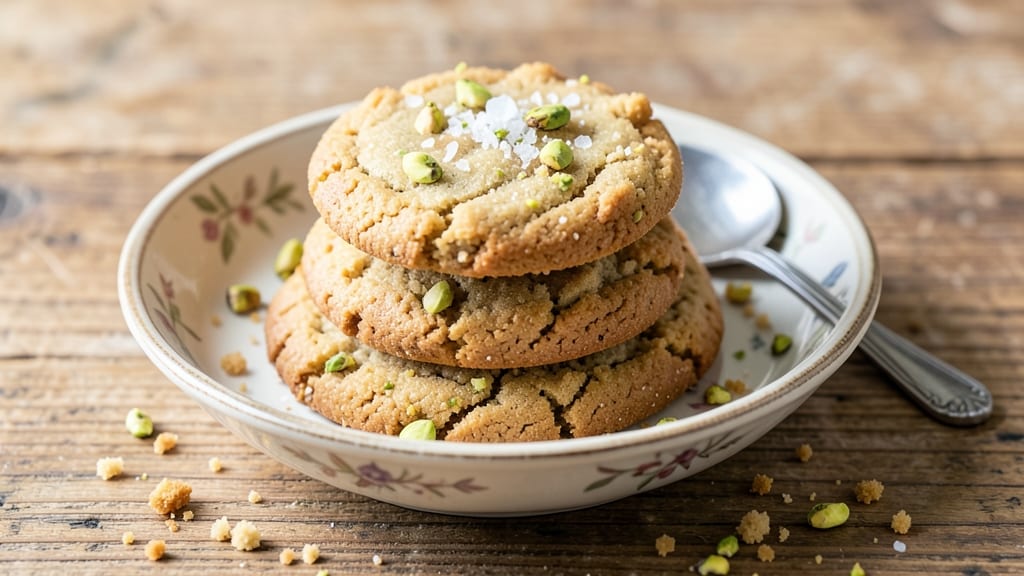
This gluten-free rice flour shortbread cookie recipe delivers the signature sandpaper crunch without compromising texture or flavor—perfect for those avoiding gluten but craving classic shortbread. The secret lies in rice flour’s unique graininess, which mimics traditional shortbread’s satisfying bite while keeping the process simple and foolproof.
No special equipment or advanced techniques are needed, just a few key adjustments to ensure these cookies stay crispy and hold their shape.
What sets these apart is the buttery, nutty base that forms the foundation, balanced with just enough sweetness to satisfy.
Unlike many gluten-free baked goods that crumble or spread excessively, this recipe uses a precise ratio of rice flour to almond flour for structure, while cold butter creates that coveted crunch. The result?
Cookies that stay firm at room temperature and maintain their texture for days, making them ideal for gifting or snacking.
Baking time is short—just 12-15 minutes—but the cooling process is critical. Letting them rest on the baking sheet for 5 minutes before transferring ensures they set properly without losing their crisp edges.
The flavor profile is rich and buttery, with a subtle caramel undertone that pairs beautifully with tea or coffee. For added depth, a pinch of salt enhances the sweetness, while vanilla extract adds warmth.
These cookies are naturally gluten-free, vegetarian, and free from common allergens like dairy (if using dairy-free butter). They’re also versatile—add lemon zest for a bright twist or chocolate chips for a decadent variation.
The recipe scales easily, so you can bake a single batch for personal enjoyment or double it for holiday gifting. Let’s get started on creating your perfect gluten-free shortbread.
Ingredients for rice flour shortbread cookie recipe gluten free
Twelve ingredients, twenty-four cookies—gluten-free perfection with restaurant-quality crunch.
| Ingredient | Amount | Notes |
|---|---|---|
| Rice Flour (Fine-Grained) 🌾 | 2 cups | Glutinous or jasmine rice flour preferred |
| Almond Flour 🌰 | 1 cup | Blanched, finely ground |
| Unsalted Butter 🧈 | 1 cup | Cold, cubed, 70% fat minimum |
| Granulated Sugar 🍚 | ½ cup | Superfine preferred for even texture |
| Vanilla Extract 🌿 | 1 tsp | Pure Madagascar bourbon preferred |
| Kosher Salt 🧂 | ¼ tsp | Diamond Crystal preferred |
| Xanthan Gum 🧪 | ¼ tsp | Essential for gluten-free structure |
| Lemon Zest 🍋 | 1 tsp | Fresh, finely grated |
| Dark Brown Sugar 🍬 | ¼ cup | Packed, for caramel depth |
| Toasted Slivered Almonds 🌰 | ½ cup | For texture contrast |
| Powdered Sugar 🍚 | ¼ cup | For final dusting |
The rice flour is non-negotiable here—Bob's Red Mill or Anthony's Goods brands deliver the finest grain structure for that signature sandpaper bite. Almond flour adds richness, but blanched (not whole) ensures no bitterness. For butter, Plugrá or European-style brands with 82% fat content create the optimal crunch. Store your rice flour in a sealed container with a bay leaf to prevent rancidity—it absorbs odors like crazy. The almond flour? Grind your own if possible, or buy pre-ground from a reputable brand like Nuts.com—their fine grind is worth the investment.
No rice flour? Tapioca starch at half the amount works in a pinch, though texture will be less pronounced. Swap almond flour for sunflower seed flour for nut-free versions, but reduce by 10% to account for moisture differences. Butter substitutes? Coconut oil solidified in the fridge mimics fat content, though flavor will differ slightly. The xanthan gum is critical—never skip it—as it binds the gluten-free structure. For sweetness alternatives, coconut sugar adds caramel notes but has a lower glycemic index. Pre-grated zest? Fresh is essential—the oils in pre-grated zest degrade quickly and lose brightness.
These cookies maintain crispness for 5-7 days when stored in an airtight container with parchment between layers. For longer storage, freeze shaped dough balls for up to 3 months—bake straight from frozen, adding 2-3 minutes. The powdered sugar dusting should be done just before serving to prevent clumping. For gifting, package in cellophane bags with rice flour sachets to maintain texture. Double batches? Divide dough into 16-ounce portions for easy freezing and portion control—perfect for holiday baking runs.
Why You'll Love This Recipe
- No Mixer Needed: I swear by this dough—just pat it into shape with your hands. The rice flour and almond flour blend so smoothly, you won’t even need to pulse it in a food processor if you’re in a hurry. Honestly, my kids think it’s "cookie playdough" until the oven transforms it.
- Buttery Vanilla Crunch: That crispy edge with the tender, buttery center? It’s all thanks to the cold butter cutting into the flours just right. The vanilla extract isn’t subtle—it’s the star, making every bite smell like a bakery. (Yes, even on a Tuesday night.)
- Batch-and-Freeze Ready: Between us, I make a double batch and freeze half. These cookies thaw in 10 minutes straight from the freezer, and the texture stays perfect. No sad, dry gluten-free cookies here—just fresh-baked satisfaction whenever you want it.
- Pantry Staple Magic: You already have the ingredients—no specialty trips to the store. Rice flour and almond flour are my go-tos, and the sugar and butter won’t break the bank. It’s the kind of recipe that proves gluten-free doesn’t mean "extra work" or "overpriced."
Step-by-step instructions for gluten-free rice flour shortbread cookies
Here's the precise method to achieve that signature sandpaper crunch using only gluten-free ingredients.
Prepare the Dough Base with Cold Butter
In a stand mixer fitted with the paddle attachment, combine the 1 cup unsalted butter (cold and cubed) with the 2 cups rice flour (fine-grained), 1 cup almond flour, 0.5 cup granulated sugar, 0.25 cup dark brown sugar, 1 tsp vanilla extract, 0.25 tsp kosher salt, 0.25 tsp xanthan gum, and 1 tsp lemon zest. Mix on low speed for 2 minutes until the butter is fully incorporated and the mixture resembles coarse crumbs.
This initial mixing stage is critical—using cold butter prevents the dough from becoming too soft. You'll see small butter pieces still visible at this point, and that's exactly what we want. The xanthan gum will bind the gluten-free flours together, mimicking the structure traditionally provided by wheat gluten. Avoid overmixing at this stage, as it can develop unwanted toughness in the final cookies.
Process Until Uniform and Crumbly
Switch to the dough hook attachment and continue mixing on medium speed for 3-4 minutes until the dough comes together into a uniform, crumbly mass. The texture should resemble wet sand—cohesive but still slightly gritty. If the dough appears too dry, add 1 teaspoon of ice water at a time until it binds together when pressed.
At this point, you're building the foundation for that signature shortbread texture. The combination of rice flour and almond flour creates the perfect balance of crispness and tenderness. Press a small portion of the dough between your fingers—it should hold together but still feel slightly grainy. If it crumbles excessively, you may need to add a tiny bit more water, but proceed with caution to avoid a gummy texture.
Incorporate Toasted Almonds and Chill
Remove the dough from the mixer and gently fold in the 0.5 cup toasted slivered almonds using a silicone spatula. Divide the dough into 2 equal discs, flatten slightly, and wrap each tightly in plastic wrap. Refrigerate for at least 2 hours or up to 48 hours. This chilling period is essential for developing the proper texture—it allows the gluten-free flours to fully hydrate and the butter to firm up.
During this time, the dough will firm up significantly, making it much easier to handle and cut. The longer you chill the dough, the more pronounced the flavor will become. I recommend chilling overnight if possible, as this allows the lemon zest and vanilla to fully infuse into the dough. When ready to bake, the dough should be cold to the touch and hold its shape when pressed.
Roll, Cut, and Bake for Perfect Texture
Preheat your oven to 325°F and line two baking sheets with parchment paper. Remove one disc of dough from the refrigerator and roll it out on a lightly floured surface to ¼-inch thickness. Use a 2-inch round cutter to cut out cookies, gently re-rolling the scraps and cutting additional cookies until you've used all the dough. Place the cut cookies 1 inch apart on the prepared baking sheets.
The rolling process is where you'll notice the difference in this gluten-free dough. It won't be as pliable as traditional shortbread, so work gently to avoid cracking. The cookies should maintain their shape when transferred to the baking sheet. Bake for 18-20 minutes until the edges are golden brown and the centers appear just slightly underbaked. The cookies will continue to firm up as they cool, so don't overbake.
Cool and Finish with Powdered Sugar
Remove the cookies from the oven and let them cool on the baking sheets for 5 minutes before transferring to a wire rack to cool completely. Once fully cooled, dust the tops generously with the 0.25 cup powdered sugar using a fine-mesh sieve. The sugar will melt slightly in the residual heat, creating a delicate glaze that enhances the caramel notes from the brown sugar.
These cookies should have a distinctive sandpaper-like texture on the bottom and edges, with a slightly crumbly yet tender interior. The toasted almonds will add pockets of crunch throughout, while the lemon zest provides a bright contrast to the buttery richness. Store in an airtight container at room temperature for up to 5 days, though they rarely last that long in my kitchen.
Pro Tips For Making Rice Flour Shortbread Cookie Recipe Gluten Free
- CHILL THE DOUGH: I learned this the hard way—rolling out warm rice flour shortbread leads to cracks and sad, crumbly cookies. Pop the dough in the fridge for at least 30 minutes (yes, even if you're impatient like me) to firm it up. The almond flour hates being handled when it’s soft, and this step guarantees clean cuts.
- WEIGH THE ALMOND FLOUR: Scooping almond flour by volume is a disaster—it packs differently every time, throwing off your butter-to-flour ratio. Use a kitchen scale for exact grams (1 cup almond flour ≠ 1 cup rice flour by weight). Trust me, your cookies will be uniformly tender and less greasy if you skip the guesswork.
- BAKE LOW AND SLOW: Rice flour burns faster than wheat flour, so 275°F (135°C) for 14–16 minutes is your sweet spot—no peeking! The edges will look pale at first, but they’ll set up properly while the centers stay soft. High heat turns these into hockey pucks, and nobody wants that.
- MIX IN VANILLA LAST: Adding vanilla extract early lets the alcohol evaporate, dulling the flavor. Stir it in just before shaping the dough so every bite gets that bright, fresh aroma. Also, use pure vanilla extract—imitation stuff tastes like solvent, and these cookies deserve better.
Wine and beer pairings for this rice flour shortbread cookie recipe gluten free
Sweet White Wine
For these delicate gluten-free shortbread cookies, a crisp Sauvignon Blanc from New Zealand or Loire Valley is my go-to choice. The bright acidity and citrus notes in wines like Cloudy Bay Sauvignon Blanc or Oyster Bay cut through the buttery richness beautifully.
Look for one with 12-13% ABV—just enough body to complement without overpowering the lemon zest and toasted almonds. Serve slightly chilled (45-50°F) for the best experience. 🍷
Dessert-Style Port
If you're serving these cookies as an after-dinner treat, a Ruby Port like Graham's Six Grapes or Dow's Late Bottled Vintage brings incredible harmony. The caramel and dried fruit notes in the port mirror the brown sugar and toasted almonds, while the alcohol's warmth enhances the buttery texture.
Port's natural sweetness balances the cookies' subtle crunch, making each bite feel luxurious. Keep the port at room temperature for optimal flavor expression.
Craft Beer Pairings
A light Belgian Witbier like Allagash White or Hoegaarden offers a refreshing contrast with its coriander and citrus notes. The effervescence cleanses your palate between bites, while the slight sweetness complements the cookies' buttery profile.
For a darker option, try a Honey Brown Ale—the caramel malt in beers like Allagash Honey Brown mirrors the brown sugar in the recipe. Serve both beers well-chilled (40-45°F) to enhance their crispness. 🍺
Coffee and Tea
These cookies are perfect with Earl Grey tea—the bergamot's citrusy brightness echoes the lemon zest, while the tannins cut through the fat. For coffee lovers, a light roast Ethiopian with floral and citrus notes creates a stunning pairing.
The natural sweetness of the coffee enhances the cookies' caramel undertones without overpowering them. I recommend serving with a splash of heavy cream on the side for dipping—it adds an extra layer of indulgence.
Non-Alcoholic Options
For a refreshing non-alcoholic pairing, try sparkling apple cider like Martinelli's or Woodchuck Hard Cider. The effervescence and slight tartness complement the cookies' buttery texture and lemon notes.
For something warmer, a chai latte made with Tazo Chai Tea and steamed milk provides the perfect balance of spice and sweetness. The cinnamon in the chai enhances the caramel depth of the cookies, creating a cozy, satisfying combination. ✨
Nutrition facts
Frequently asked questions
Why does this recipe use both rice flour and almond flour?
Rice flour provides that signature sandpaper crunch while almond flour adds richness and structure. The combination creates the perfect balance—rice flour gives the texture, while almond flour prevents crumbling. Without both, you'd lose either the crunch or the cohesive shape. Think of it as the gluten-free version of classic shortbread's texture magic!
Can I make these cookies without xanthan gum?
Technically yes, but they'll be much more crumbly. Xanthan gum is essential for gluten-free structure—it mimics what gluten provides in traditional recipes. If you're avoiding it, try 1/4 tsp psyllium husk powder instead, but the texture won't be identical. The cookies will still taste great, just with less crispness and more fragility.
How do I prevent my gluten-free shortbread from spreading too much?
Chill the dough thoroughly (at least 2 hours) and use cold butter. Bake at 325°F (not higher) and avoid overbaking—remove when edges are just golden. For extra insurance, shape cookies slightly thicker (1/3-inch instead of 1/4-inch) and place them 2 inches apart on the baking sheet. The rice flour helps prevent excessive spread better than most gluten-free flours!
Can I substitute the toasted almonds with something else?
Try pecans for richer flavor or pistachios for color contrast. For nut-free versions, use toasted coconut flakes or crushed gluten-free pretzels for a salty crunch. Just toast your substitute first—this enhances flavor and texture. The amount should remain 1/2 cup total for proper balance.
Why do my gluten-free shortbread cookies taste bland?
Most likely, your butter wasn't cold enough or you skipped the lemon zest. Always use cold, cubed butter and include the zest—it brightens the flavor. For extra depth, add 1/2 tsp cinnamon or 1/4 tsp cardamom to the dough. The powdered sugar dusting also adds subtle sweetness—don't skip this final step!