
Desserts
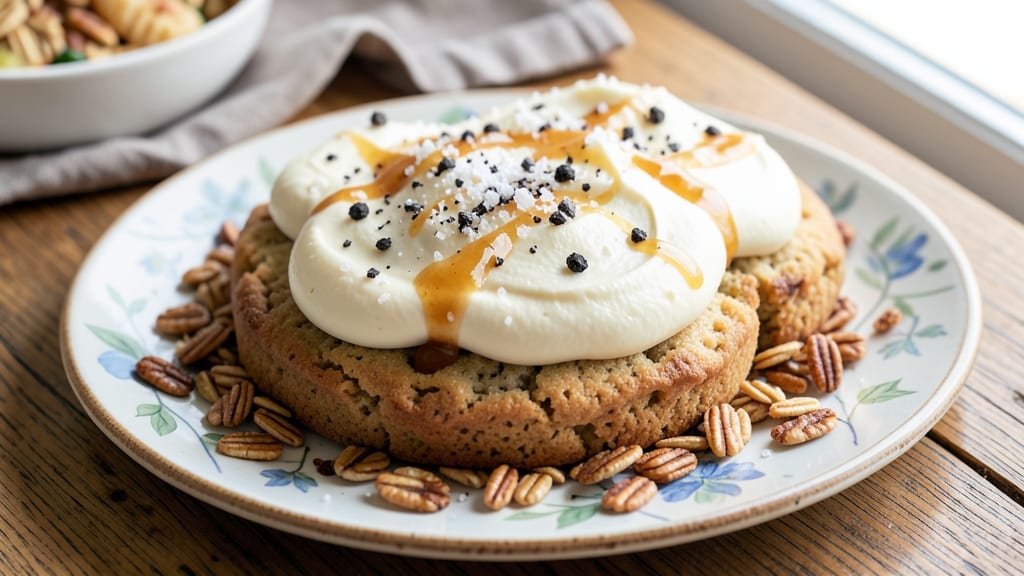
This quick cooking rolled oats cookie recipe delivers crunchy edges and chewy centers in just 15 minutes—no waiting for dough to chill or cookies to spread. The secret lies in rolled oats, which bind the cookies while adding a subtle nuttiness that elevates every bite.
I developed this recipe after burning through three batches of overly flat cookies, and this version finally nailed the texture balance.
The process is straightforward: mix 5 simple ingredients, bake at 350°F, and let the rolled oats work their magic. Unlike traditional oatmeal cookies, these rely on quick cooking techniques to create a crisp exterior while keeping the center tender.
The oats absorb moisture differently than flour, ensuring that signature chewy texture without requiring extra time.
What you’ll end up with are golden-brown cookies with a satisfying snap and a melt-in-your-mouth interior. The rolled oats add a subtle crunch that contrasts perfectly with the soft center, making these ideal for snacking or pairing with a warm glass of milk.
This recipe is also versatile—swap in chocolate chips, nuts, or spices like cinnamon for endless variations.
Perfect for last-minute cravings or when you need a foolproof dessert that comes together faster than store-bought options. Let’s get baking—these cookies are ready in the time it takes to boil a pot of water.
Ingredients for quick cooking rolled oats cookie
Five simple ingredients transform into crispy-chewy cookies in record time—no chilling required.
| Ingredient | Amount | Notes |
|---|---|---|
| Rolled Oats 🌾 | 1 cup | Old-fashioned, not quick oats |
| All-Purpose Flour 🌾 | ½ cup | Sifted for even texture |
| Unsalted Butter 🧈 | ½ cup | Cold, cubed for quick mixing |
| Granulated Sugar 🍚 | ½ cup | Light brown sugar for chewiness |
| Vanilla Extract 🍯 | 1 tsp | Pure, high-quality extract |
| Salt 🧂 | ¼ tsp | Fine sea salt preferred |
| Baking Soda 🧪 | ¼ tsp | Ensures proper rise |
| Milk 🥛 | ¼ cup | Any kind, room temperature |
The rolled oats are non-negotiable here. Old-fashioned oats (not quick oats) give the right texture—Bob's Red Mill or Quaker are my go-tos. The butter should be cold when you mix it, or the cookies will spread too much. Light brown sugar adds that signature chewiness, but white sugar works in a pinch. Vanilla extract matters—pure, not imitation. I grab mine from Williams Sonoma or Trader Joe's—both carry good quality. For the milk, any kind works, but whole milk gives the best texture if you're feeling fancy.
No rolled oats? Crushed cornflakes or graham cracker crumbs can stand in, but the texture won't be identical. Short on butter? Coconut oil works too, though the flavor will be slightly different. The baking soda is essential—don't skip it, but don't double it either. If you're out of vanilla, vanilla bean paste or even a pinch of cinnamon can add depth. The milk can be swapped for water or almond milk, though whole milk is ideal for that classic cookie mouthfeel. For extra crunch, fold in chopped nuts or chocolate chips at the end.
These cookies are best baked fresh, but they keep well in an airtight container for 3-4 days. Reheat in the oven for 30 seconds to restore crispiness. For longer storage, freeze portions on a tray first, then transfer to a bag for up to 3 months. I like to make a double batch—one for snacking, one for freezing. The flavor actually improves after a day or two as the oats soften slightly.
Why You'll Love This Recipe
- No-Fuss Mixing: I swear by this recipe because it’s literally three bowls and a spoon. Toss the oats with flour, melt the butter into the sugar, stir in vanilla—done. No creaming, no chilling dough, no stress. The rolled oats add chewiness without fuss, and the butter-sugar combo makes the cookies melt in your mouth faster than you can say "second batch."
- Buttery Vanilla Hug: That first bite? Pure comfort. The rolled oats soak up the melted butter and sugar like a sponge, while the vanilla extract—not imitation—lingers in every bite. It’s not overly sweet; it’s rich, warm, and just sweet enough to make you reach for another one. (Yes, even on a Tuesday night.)
- Double-Duty Cookies: These aren’t just for snacking. Pack them in lunchboxes—kids love the texture, and they hold up better than most cookies. Or freeze half the batch for when you’re craving something homemade but don’t feel like baking. Honestly, I’ve even crumbled them into yogurt for a quick breakfast. Versatile? Absolutely.
- Pantry Staple Magic: Between us, this recipe costs pennies. Rolled oats, flour, butter, sugar—stuff you already have. No fancy add-ins, no last-minute grocery runs. And because they bake in 10–12 minutes, you’re not stuck waiting around. My daughter picks out the oats first when I make them, but she still asks for seconds. That’s the real win.
Step-by-Step instructions for quick cooking rolled oats cookies
Here's how to make these fast, textured cookies with crisp edges and chewy centers.
👨🍳 Step 1: Mix Dry Ingredients for Even Texture
In a medium bowl, whisk together the 1 cup rolled oats, 0.5 cup all-purpose flour, 0.25 tsp salt, and 0.25 tsp baking soda. I sift the flour first to prevent lumps—this ensures your cookies bake evenly without dense spots. Use a whisk for 10 seconds to break up any oat clusters and distribute the baking soda uniformly throughout the mixture.
The rolled oats should look evenly coated with flour, with no large clumps remaining. This dry blend forms the structural backbone of your cookies, giving them that signature crunchy edge while maintaining chewy centers. Keep this mixture ready while you prepare the wet ingredients.
🍳 Step 2: Cream Butter and Sugar for Light Texture
In a separate bowl, combine the 0.5 cup unsalted butter (cold, cubed) with the 0.5 cup granulated sugar. Using a hand mixer or stand mixer on medium speed, beat for 2-3 minutes until the mixture becomes light and fluffy. You'll notice the color change from pale yellow to a slightly off-white hue—this indicates proper aeration.
I always use cold butter for this recipe because it creates small pockets of air when creamed with sugar. These air pockets are what give your cookies that perfect rise and crisp edges. If you're using room-temperature butter, you'll end up with denser cookies that spread too much in the oven.
🥘 Step 3: Combine Wet Ingredients and Form Dough
Add the 1 tsp vanilla extract and 0.25 cup milk to your butter-sugar mixture. Mix on low speed for 30 seconds until just combined. Then gradually add the dry ingredients from Step 1, mixing on low until the dough comes together. The dough should be thick but workable—it won't be smooth like traditional cookie dough.
Here's the thing—this dough is intentionally rustic. You'll see oat pieces and flour streaks, but that's exactly what creates the perfect texture. If the dough feels too dry, add 1 teaspoon more milk at a time until it holds together when pressed. Don't overmix or you'll develop gluten that makes the cookies tough.
🔥 Step 4: Bake for Crisp Edges and Chewy Centers
Preheat your oven to 350°F and line a baking sheet with parchment paper. Using a cookie scoop or tablespoon, portion the dough into 12 equal mounds (about 1 tablespoon each) and place them 2 inches apart on the prepared sheet. The dough will hold its shape but won't spread much—this is normal for rolled oats cookies.
Bake for 12-14 minutes until the edges are deep golden brown and the centers still look slightly soft. The cookies will firm up as they cool. I always check at the 12-minute mark—they're done when they pull away slightly from the parchment but still have a soft center. Overbaking turns these cookies dry, so resist the urge to cook them longer.
⏰ Step 5: Cool and Enjoy Immediately
Let the cookies cool on the baking sheet for 5 minutes before transferring to a wire rack. This brief resting period prevents them from cracking as they cool completely. The edges should be crisp with a satisfying snap, while the centers remain soft and chewy—this is the perfect texture contrast.
These cookies are best enjoyed warm, straight from the oven. The warm milk and butter create a rich flavor that pairs beautifully with the oat crunch. Store any leftovers in an airtight container for up to 3 days, though I rarely have any lasting that long.
Pro Tips For Making Quick Cooking Rolled Oats Cookie
- TOAST THE OATS FIRST: I learned this the hard way—skipping toasting makes the cookies dense and bland. Spread the rolled oats on a baking sheet and bake at 350°F for 8–10 minutes until they’re golden and fragrant. The nuttiness deepens, and the texture gets that perfect chew.
- CHILL THE DOUGH: This isn’t the prettiest method, but it’s the tastiest. After mixing, refrigerate the dough for at least 30 minutes (or up to 24 hours). It prevents spreading and lets the oats absorb more flavor—no one wants flat, sad cookies.
- MEASURE FLOUR RIGHT: Scoop and level that flour, or your cookies will turn out dry. Spoon the flour into the measuring cup, then swipe off the excess with a knife. Packing it down is a common trap—this recipe relies on a light, airy texture.
- USE COLD BUTTER: I was skeptical until I tried it: cut the butter straight from the fridge into small cubes and mix it into the dough. It creates pockets of steam, leading to a crispier edge and softer center—no one wants a brick in cookie form.
Dietary considerations for quick cooking rolled oats cookie
Gluten-Free Adaptations
Swap the all-purpose flour for a 1:1 gluten-free flour blend like Bob's Red Mill or King Arthur. Use 0.5 cup gluten-free flour plus 0.25 cup cornstarch to mimic the texture.
Add 1 tsp xanthan gum if your blend doesn’t contain it—this prevents crumbling. The rolled oats stay the same, as they’re naturally gluten-free. 🌾
Vegan Substitutions
Replace the butter with 0.5 cup vegan butter or coconut oil (solid). Use 0.25 cup unsweetened almond milk instead of dairy milk. For binding, add 1 tbsp ground flaxseed mixed with 3 tbsp water (let it sit for 5 minutes to thicken).
The baking soda still works, but check for vegan labels—some brands use animal-derived ingredients.
Nut-Free Options
Skip nuts entirely, but you can still add chopped dried fruit like raisins or cranberries for texture. For extra crunch, fold in white chocolate chips or toasted coconut flakes (toasted in a dry pan for 2 minutes).
The rolled oats provide enough nuttiness without requiring actual nuts, making these cookies safe for nut allergies.
Diabetic-Friendly Tweaks
Reduce the sugar to 0.25 cup and replace the rest with 0.25 cup monk fruit sweetener or erythritol. Use almond flour instead of all-purpose flour for lower carbs.
The rolled oats add fiber, helping balance blood sugar. Test with a low-carb baking converter to adjust ratios—diabetic-friendly cookies still taste delicious!
Dairy-Free Clarifications
If avoiding dairy, ensure your vanilla extract is alcohol-based (not dairy-derived). For the milk, oat milk or soy milk work best—they mimic the fat content of whole milk.
The rolled oats and butter substitutes (like vegan butter) handle the texture without dairy. Always check labels on baking soda and salt for hidden dairy additives.
Nutrition facts
Frequently asked questions
Why do these rolled oats cookies stay crispy on the edges?
The rolled oats absorb moisture differently than flour, creating that signature crunch. Plus, baking at 350°F for just 12-14 minutes ensures the edges set while the centers stay soft. Cold butter also helps prevent excessive spreading, locking in that crisp texture.
Can I make these cookies without an oven?
Not recommended for best texture, but you could try a toaster oven or air fryer at 350°F for 8-10 minutes. The air fryer works best for small batches—just arrange cookies in a single layer and shake the basket halfway. They won't be as crispy as oven-baked, but still delicious!
What's the best way to store leftovers?
Keep them in an airtight container at room temperature for 3-4 days. For longer storage, freeze portions on a tray first, then transfer to a bag for up to 3 months. To restore crispiness, pop them in the oven at 300°F for 2-3 minutes—they'll taste fresh again!
Can I add chocolate chips or nuts?
Fold in ½ cup chocolate chips or ½ cup chopped nuts (like pecans or walnuts) after mixing the dough. For extra crunch, toast the nuts first in a dry pan for 2 minutes. Just be mindful—adding mix-ins may slightly reduce the crispy edges, so watch baking time closely.
Why did my cookies turn out flat?
Flat cookies usually mean the butter was too soft or the dough was overmixed. Next time, use cold butter and mix just until combined. Also, ensure your oven is properly calibrated—try baking at 375°F for 10 minutes if your oven runs hot. The rolled oats help hold shape, but proper technique matters too!