
Desserts
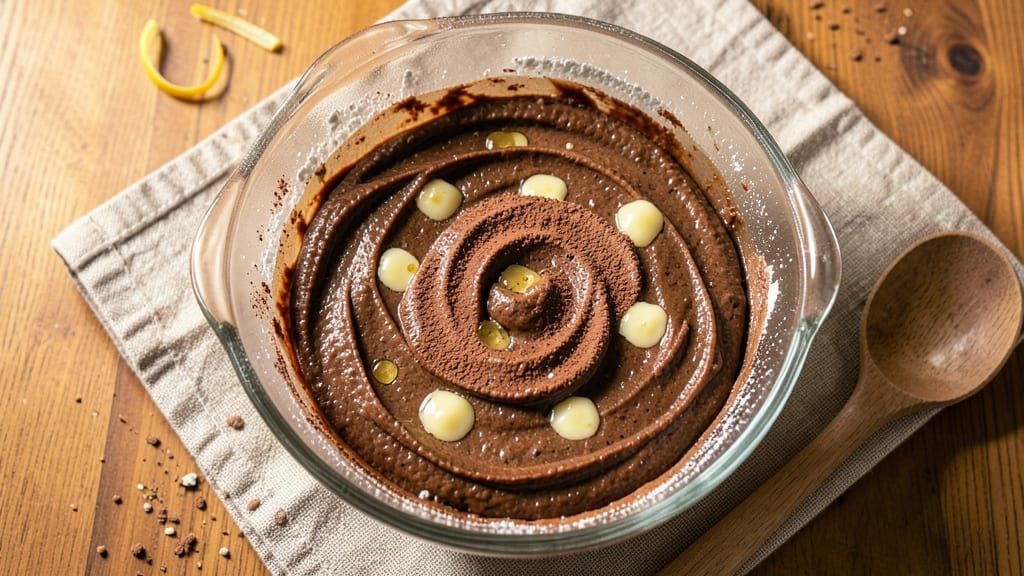
This chocolate cake cookie dough recipe delivers the best of both worlds—moist chocolate cake layers swirled with rich cookie dough for a dessert that’s impossible to resist. The secret lies in cold butter swirls that create pillowy, melt-in-your-mouth texture while keeping the cookie dough chunks perfectly gooey.
I developed this recipe after years of baking, and it’s now a crowd-pleaser at every gathering.
The magic happens in the layering: a tender chocolate cake base, cold butter swirls for that signature marbled effect, and pockets of cookie dough that bake just enough to stay soft and chewy.
This isn’t your typical cake—it’s a hybrid dessert that satisfies both cake lovers and cookie dough enthusiasts. The recipe is straightforward, with no fancy techniques required, just precise layering and baking.
What you’ll end up with is a decadent dessert with a crisp outer crust, a moist interior, and pockets of cookie dough that ooze with every bite. The chocolate cake provides a rich, slightly fudgy base, while the cold butter swirls add a delicate, airy texture.
It’s the kind of dessert that disappears quickly, leaving only crumbs in its wake.
Perfect for birthdays, holidays, or just because, this recipe scales easily to feed a crowd. Whether you prefer a classic chocolate cake or a cookie dough overload, this hybrid dessert hits the spot every time. Let’s get baking!
Ingredients for chocolate cake cookie dough
Cold butter swirls and rich cookie dough pockets make this hybrid dessert magical.
| Ingredient | Amount | Notes |
|---|---|---|
| All-Purpose Flour 🌾 | 3 cups | Sifted for light texture |
| Granulated Sugar 🍚 | 2 cups | White or light brown |
| Unsalted Butter 🧈 | 1 ½ cups | Cold, cubed for swirls |
| Large Eggs 🥚 | 2 whole | Room temperature |
| Baking Soda 🧂 | ½ tsp | For lift and fluffiness |
| Vanilla Extract 💧 | 1 tbsp | Pure, not imitation |
| Unsweetened Cocoa Powder 🍫 | ½ cup | Natural or Dutch-process |
| Salt 🧂 | ½ tsp | Fine sea salt preferred |
| Milk 🥛 | ¾ cup | Whole milk for richness |
| Semisweet Chocolate Chips 🍫 | 1 ½ cups | High-quality, not mini |
| Brown Sugar 🍚 | ½ cup | Packed, for cookie dough |
| Vanilla Bean Paste 💧 | 1 tbsp | Or 1 tsp vanilla extract |
| Flaky Sea Salt 🧂 | ¼ tsp | For cookie dough garnish |
| Powdered Sugar 🍚 | ¼ cup | For dusting top |
The butter is the star here—it needs to be cold and cubed for those signature swirls. Grab European-style butter if you can (like Plugrá or Land O’Lakes European), but any unsalted butter works. Keep it in the fridge until you’re ready to swirl it into the batter. The cocoa powder makes all the difference—Dutch-process gives a smoother texture, while natural cocoa adds more intensity. I always grab mine from the baking aisle at Whole Foods or King Arthur Flour for the best quality.
No vanilla bean paste? Pure vanilla extract at double the amount works in a pinch. For the cookie dough, brown sugar over white keeps it chewier, but if that’s not what you’ve got, white sugar’s fine. The chocolate chips can be swapped for chopped chocolate bars—just make sure they’re at least 60% cacao for that rich flavor. If you’re baking for a crowd, double the cookie dough portion—it disappears faster than the cake layers. And trust me, the powdered sugar on top isn’t just for looks—it adds a delicate crunch that balances the softness.
This dessert keeps beautifully—3 days at room temperature covered loosely, or 1 week refrigerated in an airtight container. For longer storage, wrap individual slices in plastic and freeze for up to 3 months. The butter swirls soften slightly when reheated, so I recommend serving it at room temperature. If you make extra, it’s perfect for gifting—just slice and pack in a cake carrier.
Why You'll Love This Recipe
- No Mixer Needed: I’ll be real—this dough comes together with just a fork and a bowl. Cream the butter and sugar first, then fold in the eggs and dry ingredients until it’s thick and glossy. No electric appliances, no fuss, just pure satisfaction from the first bite.
- Rich Without Overpowering: The combination of melted butter and brown sugar (if you use it) gives it that deep, fudgy base, but the eggs keep it light. It’s not too sweet, not too dense—just that perfect balance where every spoonful feels like a hug.
- Double-Duty Magic: Make a batch on Sunday, shape half into cookies, and bake the other half as a cake. Same dough, two desserts. Honestly, I’ve even used the scraps to make truffles—because why waste anything this good?
- Pantry Staple Power: Between us, this recipe uses ingredients you already own. Flour, sugar, butter, eggs—if you’ve ever baked anything, you’ve got this. And if you’re watching your budget, a single batch stretches to cookies, cake, or even a quick ice cream topping.
Step-by-step instructions for chocolate cake cookie dough
Here's how to make this dreamy, cold-butter-swirled cookie dough that bakes into cake-like magic.
Mix Dry Ingredients for Perfect Texture
In a large bowl, whisk together the 3 cups All-Purpose Flour, 0.5 cup Unsweetened Cocoa Powder, 0.5 tsp Baking Soda, and 0.5 tsp Salt. Sift the flour first if you have a sifter—this prevents lumps and gives that light, airy texture we're after. Give it a good stir until everything is evenly combined and no flour pockets remain.
I like to press the mixture through a fine-mesh sieve just to make sure it's ultra-fine. This step is crucial because it creates that tender, cake-like crumb in your cookies. Set the bowl aside—we'll come back to it in a minute.
Cream Butter and Sugars for Maximum Flavor
In a stand mixer fitted with the paddle attachment, beat the 1.5 cups Unsalted Butter (cold, cubed) with the 2 cups Granulated Sugar and 0.5 cup Brown Sugar on medium speed for about 3-4 minutes. You'll know it's ready when the mixture becomes light and fluffy, nearly doubling in volume, and leaves a ribbon trail when you lift the paddle.
This creaming process incorporates air, which is what gives these cookies that signature pillowy texture. Don't rush this step—if you rush, you'll end up with dense cookies instead of the light, cake-like treats we're making. Here's where the magic happens, so pay attention to those visual cues.
Add Wet Ingredients and Vanilla
Add the 2 whole Large Eggs (room temperature) one at a time, mixing well after each addition. Then stir in the 1 tbsp Vanilla Extract and 1 tbsp Vanilla Bean Paste. The mixture will look slightly curdled at first, but don't worry—it'll come together when we add the dry ingredients.
Next, add the 0.75 cup Milk and mix until just combined. This is where the dough starts to come together, but it'll still look a bit shaggy. That's normal. The key here is to mix just until everything is incorporated—overmixing develops gluten, which can make the cookies tough.
Combine and Fold in Chocolate
Gradually add the dry ingredients to the wet mixture, mixing on low speed until just combined. You'll see flour streaks disappear, but don't overmix—stop as soon as you can't see any more white flour. This ensures tender cookies, not chewy ones.
Remove the bowl from the mixer and fold in the 1.5 cups Semisweet Chocolate Chips by hand using a silicone spatula. Make sure they're evenly distributed throughout the dough. Here's a pro tip: I like to sprinkle a little extra flaky sea salt over the top of the dough at this stage—it'll add a delicious contrast when you bake them.
Create Cold Butter Swirls for Cake-Like Texture
Divide the dough in half. For one half, press it into a rectangle on a piece of plastic wrap. Place the 1.5 cups Unsalted Butter (still cold) in the center of the rectangle. Fold the dough over the butter, sealing it tightly. Roll this butter-filled dough into a log and wrap it completely in plastic wrap.
Roll out the remaining dough into a rectangle and place it on top of the butter log. Wrap this entire package tightly in plastic wrap and flatten it slightly. Chill in the refrigerator for at least 4 hours or overnight. This cold butter creates those beautiful swirls and keeps the cookies tender. Trust me, the wait is worth it.
Roll and Cut for Perfect Cookies
Once chilled, remove the dough from the fridge and let it sit at room temperature for about 10 minutes to soften slightly. Roll out the dough on a floured surface to about ¼-inch thickness. Cut into desired shapes using cookie cutters or a knife.
Place the cutouts on a parchment-lined baking sheet, spacing them about 2 inches apart. Sprinkle the tops with 0.25 cup Powdered Sugar and a pinch of 0.25 tsp Flaky Sea Salt. Bake at 350°F for 10-12 minutes until the edges are golden brown but the centers are still soft. Let them cool on the baking sheet for 5 minutes before transferring to a wire rack.
Pro Tips For Making Chocolate Cake Cookie Dough
- Chill the Dough First: I learned this the hard way—skipping the 30-minute fridge rest makes the dough spread like a pancake in the oven. Cold butter behaves better, and the edges stay crisp instead of turning into a sad, flat puddle. (Yes, even if you're impatient like me.)
- Cream Butter and Sugar Slowly: Dump everything in the mixer at high speed and you’ll end up with a greasy mess. Start on low, let the butter soften first, then gradually increase speed while scraping the bowl every 30 seconds. This ensures tiny air pockets for that perfect cookie-dough texture—not a brick.
- Use Room-Temp Eggs: Cold eggs? They’ll curdle when they hit the warm butter-sugar mix, leaving you with a lumpy dough. Pop those eggs in warm water for 5 minutes before cracking them—smooth batter every time. (Your future self will thank you.)
- Measure Flour Right: Scooping flour from the bag packs it too tight, and you’ll end up with a dense, dry dough. Spoon it into the measuring cup, then level it off with a knife—no extra flour, no sad crumb. This isn’t the prettiest method, but it’s the tastiest. Trust the process.
Wine and beer pairings for this dish
Rich Chocolate Pairings
For this decadent dessert, I recommend pairing with dark chocolate wines like Cabernet Sauvignon or Malbec—their bold, tannic profiles complement the chocolate cake’s richness. A 750ml bottle of Caymus Vineyards Cabernet Sauvignon (around $100) balances the sweetness perfectly with its blackcurrant and vanilla notes.
If you prefer something more affordable, Louis M. Martini Cabernet Sauvignon (about $20) delivers a similar depth without breaking the bank. 🍷
Creamy Dessert Wines
Sweeter options like Port or Moscato d’Asti work beautifully with the cookie dough pockets. A tawny Port (such as Graham’s 10-Year-Old) adds caramelized notes that mirror the baked cookie dough’s warmth.
For a lighter touch, Moscato d’Asti (like Saracco) brings bright citrus flavors that cut through the richness. Both are excellent for sipping alongside slices of this dessert.
Beer Pairings
Stout beers are a natural match—Guinness or Samuel Adams Black Lager provide a malty, slightly roasted backbone that contrasts the dessert’s sweetness. For a craft option, try Founders Kentucky Breakfast Stout (about $12 per bottle), which offers coffee and chocolate notes that enhance the recipe’s depth.
If you prefer something lighter, a Belgian Dubbel like Westmalle Dubbel adds spiced fruitiness that pairs surprisingly well with the cookie dough’s sweetness. 🍺
Coffee Pairing Tip
If you’re serving this dessert after dinner, a dark roast coffee with 2% milk or vanilla syrup elevates the experience. The bitterness of the coffee (like Peet’s Major Dickason’s Blend) balances the dessert’s sweetness, while the vanilla syrup ties into the recipe’s vanilla bean paste.
For an espresso martini twist, muddle 1 oz chocolate liqueur (like Godiva) with the coffee for a boozy, decadent finish.
Seasonal Adaptations
In summer, pair with a sparkling rosé (like Whispering Angel) to refresh the palate between bites. For winter, a spiced red blend (such as Apothic Red) with cinnamon and clove notes complements the dessert’s warmth.
The key is matching the wine or beer’s intensity—bold flavors for rich chocolate, lighter options for the cookie dough’s sweetness. 🌟
Nutrition facts
Frequently asked questions
Can I make this recipe without a stand mixer?
Use a hand mixer or even a sturdy wooden spoon for mixing. Cream the butter and sugars by hand for 5-7 minutes until light and fluffy—just keep at it until it doubles in volume. For the dough, mix everything by hand until just combined, then fold in the chocolate chips. The cold butter swirl technique still works perfectly without a mixer!
How do I prevent the cookie dough from burning while baking?
Use 350°F as your baking temperature and watch closely after 8 minutes. The edges should be golden while the centers remain soft. If your oven runs hot, reduce to 325°F and add 2-3 extra minutes. For even baking, rotate the sheet halfway through. The cookie dough should stay gooey inside—it’ll firm up slightly as it cools.
Can I substitute store-bought cookie dough for the homemade version?
Yes, but with adjustments! Use 1.5 cups of refrigerated or frozen cookie dough (like Pillsbury) in place of the homemade portion. Thaw it completely first, then fold it into the cake batter after mixing the dry ingredients. For best results, use a cookie dough with chocolate chips already included to match the recipe’s texture.
Why does my chocolate cake layer look dense instead of tender?
Overmixing is the most common cause. Stop mixing as soon as the flour disappears—this prevents gluten development. Also, make sure your butter is cold when creaming (it should hold its shape) and don't skip the 4-hour chill before rolling. For extra tenderness, sift your flour and use Dutch-process cocoa powder instead of natural.
How can I make this recipe gluten-free?
Replace the all-purpose flour with a 1:1 gluten-free baking flour blend (like Bob's Red Mill) and add 0.5 tsp xanthan gum. Use the same measurements, but expect slightly denser results. For the cookie dough portion, use a gluten-free cookie dough recipe or certified gluten-free chocolate chips. Test with a small batch first, as gluten-free baking can vary.