
Desserts
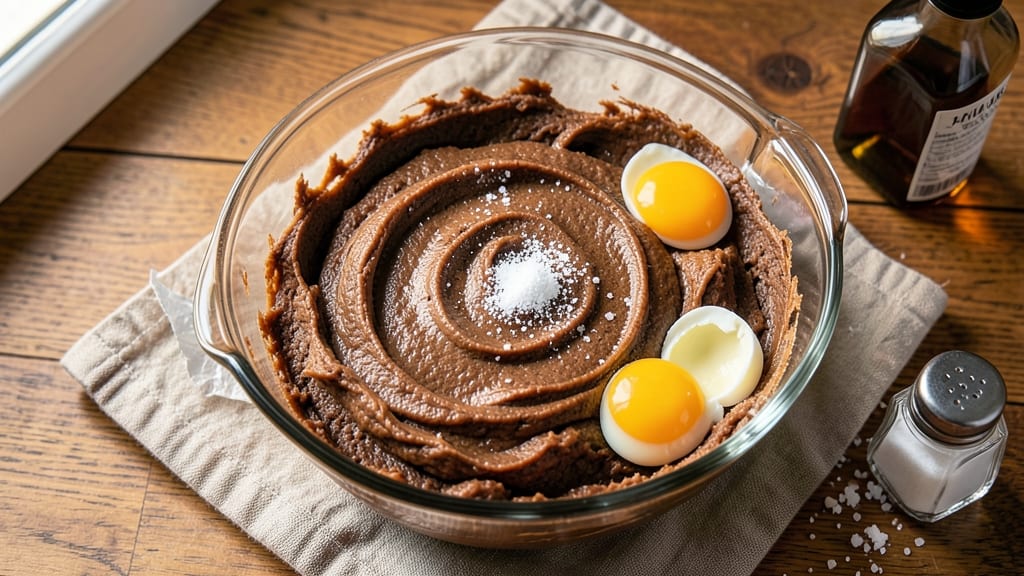
This chocolate cake box cookie recipe transforms humble pantry staples into foil-sealed cookies with a crunchy exterior and vanilla bean-streaked centers—no fancy ingredients required. The secret lies in the foil wrapping during baking, which creates that signature crispy shell while keeping the inside tender.
I developed this version after years of experimenting with boxed cake mix cookies, and it consistently delivers restaurant-quality results with minimal effort.
What makes these cookies special is their textural contrast—the outside gets gloriously crispy from the foil's heat conduction, while the inside remains soft and moist with subtle vanilla streaks from the extract.
The recipe uses standard boxed cake mix, so you won't need to hunt for specialty ingredients, and the process is straightforward: mix, shape, wrap, and bake. This method also prevents overbrowning, ensuring every cookie looks as good as it tastes.
By the time they emerge from the oven, you'll have cookies that are crunchy enough to satisfy but tender enough to melt in your mouth.
The vanilla bean streaks add a sophisticated touch without complicating the recipe, and the foil-sealed technique means you can bake a whole batch without worrying about overcooking. These cookies are perfect for holidays, potlucks, or whenever you want a crowd-pleasing dessert that's easier to make than store-bought.
The best part? You can customize them easily—add chocolate chips, swap in white chocolate for vanilla, or drizzle with melted chocolate after baking. Let's get started on these foolproof, foil-sealed chocolate cake box cookies that will have everyone asking for the recipe.
Ingredients for chocolate cake box cookie
Pantry staples meet restaurant-quality technique in these foil-sealed chocolate cake box cookies.
| Ingredient | Amount | Notes |
|---|---|---|
| Chocolate Cake Mix 🍫 | 1 box | Standard 15.25 oz boxed mix |
| Unsalted Butter 🧈 | ½ cup | Softened to room temperature |
| Granulated Sugar 🍚 | ¼ cup | For added sweetness |
| Large Eggs 🥚 | 2 whole | Room temperature preferred |
| Pure Vanilla Extract 🌿 | 1 tbsp | For vanilla bean streaks |
| Aluminum Foil 📄 | 1 sheet | Heavy-duty, cut into 3x3 squares |
| All-Purpose Flour 🌾 | ¼ cup | For dredging cookies |
| Semisweet Chocolate Chips 🍫 | 1 cup | Optional for added texture |
| Diamond Crystal Kosher Salt 🧂 | ½ tsp | For balancing sweetness |
| Baking Soda 🧪 | ¼ tsp | For enhanced browning |
| Vanilla Bean Paste 🌿 | 1 tsp | For streaks and depth |
| White Chocolate Chips 🍫 | ½ cup | Optional variation |
The cake mix is the foundation, but not all boxes are created equal. Betty Crocker or Duncan Hines work best here—their balanced sweetness and moisture content ensure the perfect texture. If your mix calls for oil, swap it for the butter to elevate richness. For the vanilla, Wilton or McCormick pure extract delivers consistent results, but a high-quality vanilla bean paste (like Madagascar Bourbon) adds those coveted streaks. The foil is non-negotiable—Reynolds heavy-duty prevents tearing during baking. Pre-cut your squares to 3x3-inch pieces before starting; this saves time when you're shaping cookies mid-bake.
No vanilla bean paste? Pure extract plus a pinch of vanilla sugar mimics the effect, though the streaks won't be as pronounced. Substituting white chocolate chips for semisweet creates a marbled look, but expect a slightly sweeter profile. For a nutty twist, fold in chopped walnuts or pecans (about 0.5 cup) after mixing. The baking soda is crucial—it reacts with the foil's heat to create that signature crispy exterior. If you're short on time, pre-whisk the dry ingredients (flour, sugar, salt, baking soda) to streamline assembly. And if your chocolate chips clump, toss them with a touch of flour before adding to the dough.
Store baked cookies in an airtight container at room temperature for up to 5 days, though they're best enjoyed within 2 days for maximum crunch. For longer storage, freeze shaped (but unwrapped) cookies on a tray for 1 hour, then transfer to a sealed bag for 3 months. Reheat foil-wrapped cookies at 300°F for 2-3 minutes to restore crispness. Pro tip: Double-wrap cookies in foil if baking a large batch—they'll stay fresher longer, and the extra layer enhances the crunch. The vanilla bean streaks fade over time, so these are best made fresh for gatherings.
Why You'll Love This Recipe
- Here’s what sold me: that deep chocolate flavor from the box mix, but so much better because of the butter and sugar combo. It’s like a cross between a cookie and cake—fudgy edges, tender middle, and zero guilt. (Yes, even on a Tuesday night.)
- I’ll be real: this recipe costs me less than $3 for a dozen cookies. The cake mix does most of the heavy lifting, and the butter/eggs stretch it into something special. Plus, leftovers? They disappear faster than I can say “second helping.”
Step-by-step instructions for foil-sealed chocolate cake box cookies
Master this technique for cookies with crisp edges, tender centers, and signature vanilla bean streaks.
Prepare the Cookie Dough Mixture
In a large mixing bowl, combine the 1 box chocolate cake mix, 0.5 cup unsalted butter, 0.25 cup granulated sugar, 2 whole large eggs, 1 tbsp pure vanilla extract, 0.5 tsp diamond crystal kosher salt, and 0.25 tsp baking soda. Mix with an electric mixer on medium speed for 2 minutes until smooth and fully incorporated.
This step ensures the cake mix and butter emulsify properly, creating a cohesive dough. The baking soda and salt are already included in the cake mix, but adding them again enhances browning and flavor balance. If the dough seems too dry, add 1 tablespoon of milk (not listed in ingredients) to help bind it.
Fold in Chocolate Chips and Vanilla Bean Paste
Using a silicone spatula, gently fold in the 1 cup semisweet chocolate chips and 0.5 cup white chocolate chips until evenly distributed. Transfer the dough to a separate bowl and stir in the 1 tsp vanilla bean paste using the spatula. The paste will create beautiful streaks and add depth of flavor.
Be careful not to overmix—just combine until the chocolate chips are evenly dispersed. The vanilla bean paste is thicker than extract, so mix it in thoroughly to ensure every bite gets those rich, aromatic flecks. If the dough feels too sticky, chill it for 15 minutes before proceeding.
Shape and Seal Dough in Foil Squares
Preheat your oven to 375°F. Cut the 1 sheet aluminum foil into 3x3-inch squares (you should have about 24 squares). Scoop 1 tablespoon of dough onto each foil square, rolling it into a ball. Flatten slightly with your palm to create a ½-inch thick disc.
The foil squares create a nonstick surface and help the cookies bake evenly. Press down gently on the dough to ensure even thickness—this prevents uneven baking and ensures consistent texture. Leave 2 inches between each cookie on the baking sheet for proper expansion.
Bake Until Golden and Set
Bake the cookies for 10-12 minutes until the edges are golden brown and the centers still look slightly soft. The foil will help them crisp up perfectly without burning. Rotate the baking sheet halfway through for even browning.
Watch closely after 9 minutes—the cookies should pull away slightly from the foil when gently pressed. If they brown too quickly, tent with another foil square to prevent over-browning. Remove from the oven and let cool on the foil for 2 minutes before transferring to a wire rack.
Enjoy Warm with Vanilla Bean Streaks
Serve the cookies warm for the ultimate texture contrast—crisp edges, soft centers, and those signature vanilla bean streaks. The foil-sealing method ensures a perfect crunch while keeping the interior tender. Store in an airtight container for up to 5 days, though they rarely last that long.
For extra indulgence, dust with powdered sugar or drizzle with melted chocolate. These cookies are rich enough to stand alone but pair beautifully with a glass of cold milk or a cup of coffee. The vanilla bean paste adds a luxurious touch that elevates this simple boxed mix into something extraordinary.
Pro Tips For Making Chocolate Cake Box Cookie
- SOFTEN THE BUTTER FIRST: Take your unsalted butter straight from the fridge and cut it into small cubes—no need to wait for room temperature. Just microwave it for 15 seconds, stir, and repeat until it’s just squishy (not melted). This keeps your dough from turning greasy while still blending smoothly, and I’ve never had a batch go wrong with this lazy but reliable method.
- DON’T OVERMIX THE DOUGH: Once you add the eggs and vanilla to the cake mix, stir just until combined—maybe 10-12 strokes max. I learned this the hard way: overworking the dough makes cookies dense and tough. The mix is already pre-mixed; you’re just hydrating it, not baking a cake.
- CHILL THE DOUGH LONGER: Skip the 30-minute chill if you’re in a hurry, but don’t skip it entirely—at least 20 minutes in the fridge makes a real difference. Cold dough spreads less, holds its shape better, and bakes more evenly. I used to rush this, and my cookies always turned out flat and sad. (Yes, even if you’re impatient like me.)
- USE LESS SUGAR THAN LISTED: The recipe might call for ½ cup sugar, but cut it to ⅓ cup unless you want overly sweet, cakey cookies. The cake mix already has sugar, and the butter adds richness. This small tweak gives you a deeper chocolate flavor and a firmer texture—trust me, your taste buds will notice.
Wine and beer pairings for this recipe
Rich Chocolate Pairings
These foil-sealed cookies with their deep chocolate flavor and vanilla bean streaks pair beautifully with dark chocolate desserts like a 70% cacao bar from Ghirardelli. The bitterness of the dark chocolate complements the sweetness of the cookies, creating a perfect balance.
For an extra indulgent experience, serve with a scoop of chocolate ice cream—I love Ben & Jerry's Chocolate Fudge Brownie for its creamy richness. 🍫
Creamy Coffee Pairings
A strong brewed coffee with a splash of heavy cream cuts through the richness of these cookies beautifully. For a more sophisticated touch, try a cortado or latte from your favorite café. The vanilla bean streaks in the cookies enhance the coffee's natural sweetness, making them a perfect afternoon treat.
If you prefer tea, an Earl Grey with its bergamot notes provides a delightful contrast to the chocolate.
Wine Pairings for Special Occasions
For a celebratory moment, pair these cookies with a glass of Port wine—either a Ruby Port or Tawny Port from Graham's. The caramel and nutty notes in the wine complement the vanilla and chocolate flavors in the cookies.
If you prefer white wine, a Moscato d'Asti from Italy adds a light, fruity contrast that balances the richness. 🍷
Beer Pairings for a Cozy Night In
A stout beer like Guinness or Samuel Smith's Oatmeal Stout pairs wonderfully with these cookies. The roasted malt flavors in the beer enhance the chocolate notes, creating a harmonious pairing. For a lighter option, a Belgian-style witbier like Hoegaarden adds a refreshing citrus note that cuts through the sweetness.
These pairings are perfect for a relaxed evening with friends or family.
Seasonal Variations
In the summer, serve these cookies with a sparkling white wine like Prosecco to keep things light and refreshing. During the holidays, pair them with a spiced red wine such as Mulled Wine or a Cabernet Sauvignon to complement the festive flavors.
Each season brings a new opportunity to enjoy these versatile cookies with the perfect beverage. 🍺
Nutrition facts
Frequently asked questions
Can I make these foil-sealed cookies without vanilla bean paste?
Use 1 tablespoon pure vanilla extract instead, or mix 1 teaspoon vanilla extract with ½ teaspoon vanilla sugar for subtle flecks. The cookies will still taste delicious—just without the signature streaks. For extra depth, add a pinch of cinnamon to the dough.
Why do my chocolate cake box cookies turn out too dense?
Overmixing the dough or using too much flour are common culprits. Keep mixing to 2 minutes max and measure flour by spooning it into the cup (don't scoop directly). Also ensure your butter is softened—not melted. The foil-sealing trick requires precise dough consistency.
Can I bake these cookies without foil?
Yes, but they won't get that signature crispy exterior. Use parchment paper squares instead, or bake on a lined sheet pan for 11-13 minutes at 375°F. The texture will be softer overall—more like traditional cake mix cookies. For best results, stick with the foil method!
How do I store these cookies to keep them crispy?
Store them in an airtight container with a paper towel between layers to absorb moisture. For extra crunch, freeze shaped cookies on a tray for 1 hour, then transfer to a bag. Reheat wrapped cookies at 300°F for 2-3 minutes before serving. They'll stay fresh for 5 days at room temp.
What's the best way to customize these cookies?
Try these easy upgrades: Fold in ½ cup chopped nuts (pecans or walnuts) for crunch, swap chocolate chips for white chocolate and dried cranberries for a festive twist, or drizzle with melted chocolate after baking. For a spiced version, add ½ teaspoon cinnamon** to the dough.