
Desserts
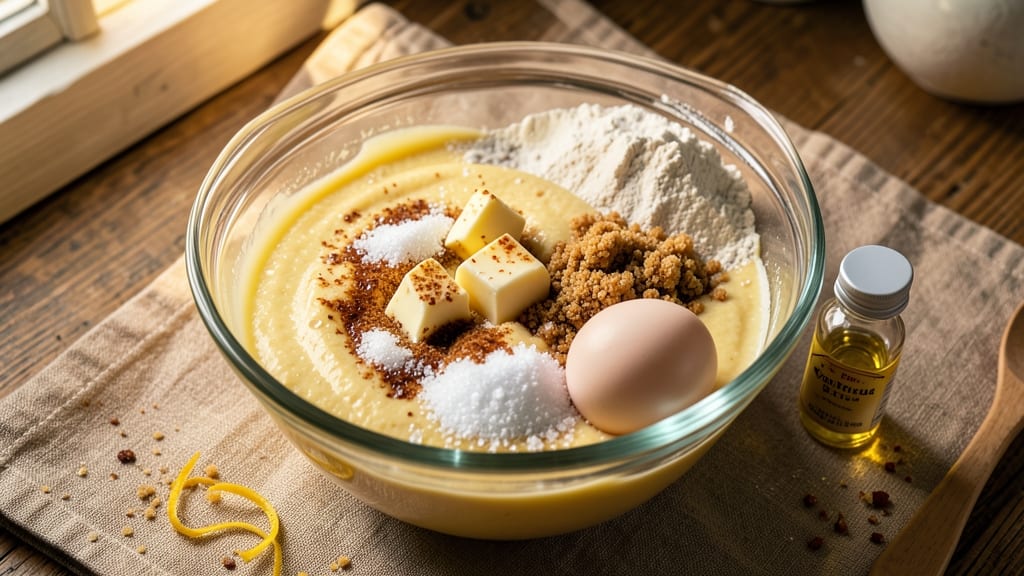
This chewy sugar cookie recipe delivers the perfect balance of buttery crunch and caramelized edges in a small batch of just 12 cookies. The secret lies in using half brown sugar for moisture and a precise dough chilling time that ensures even baking.
I've baked these for holiday gatherings and family breakfasts alike, and they never disappoint—each bite offers that signature chewiness with a tender, melt-in-your-mouth center.
The dough comes together with simple ingredients you likely already have: butter, sugars, eggs, and vanilla, plus a pinch of salt to enhance the sweetness. What sets these apart is the technique—rolling the dough to a uniform thickness and baking on a preheated sheet for consistent results.
The cookies develop a golden, crackly crust while staying soft inside, thanks to the brown sugar's moisture-retaining properties.
Once out of the oven, these cookies maintain their texture for days, making them ideal for meal prep or gifting. They're sturdy enough to hold sprinkles or sea salt without crumbling, yet tender enough to fold in chocolate chips if you prefer.
The aroma of vanilla and caramelized sugar fills the kitchen, creating an experience that rivals any bakery.
Whether you're baking for a holiday treat or a quick dessert, this small-batch recipe ensures you'll have perfectly chewy cookies without the hassle of a large batch.
Store them in an airtight container for up to a week, or freeze for longer storage. Here's how to make them—your kitchen will thank you.
Ingredients for chewy sugar cookie recipe small batch
Twelve cookies, six simple ingredients, and a secret to that perfect chewy crunch.
| Ingredient | Amount | Notes |
|---|---|---|
| Unsalted Butter 🧈 | ½ cup | Cold and cubed for even mixing |
| Granulated Sugar 🍚 | ¾ cup | Standard white sugar works fine |
| Light Brown Sugar 🍚 | ¾ cup | Packed lightly for accurate measure |
| Large Eggs 🥚 | 1 whole | Room temperature preferred |
| Pure Vanilla Extract 🌿 | 1 tbsp | Imitation-free for best flavor |
| All-Purpose Flour 🌾 | 2 cups | Sifted for light texture |
| Baking Soda 🧂 | ½ tsp | Freshly opened for potency |
| Salt 🧂 | ½ tsp | Fine sea salt preferred |
| Granulated Sugar 🍚 | ¼ cup | For sprinkling on top |
| Flaky Sea Salt 🧂 | 1 tsp | Optional finishing touch |
The butter needs to be cold—cubed and straight from the fridge—so it creates those signature pockets of air for chewiness. Land O'Lakes unsalted or Plugrá are my go-tos, but any good-quality brand works. The brown sugar is non-negotiable here; it's what gives these cookies that caramelized edge while keeping the center tender. I always grab the dome-style measuring cups for the sugars—they pack perfectly without overflowing. For the vanilla, Nielsen-Massey is my splurge pick, but any pure extract will do. The flour? King Arthur or Gold Medal are reliable, but honestly, whatever's in your pantry works fine—just don't use cake flour.
No baking soda? Baking powder at double the amount is a decent swap, but the texture won't be quite the same. Short on brown sugar? Substitute white sugar plus 1 tsp molasses—it mimics the moisture. The sprinkled sugar on top? Turbinado or sanding sugar gives that pretty crunch, but regular granulated works too. Want to get fancy? Add 1 tsp lemon zest to the dough for a bright twist. And if you're feeling extra, fold in chocolate chips or white chocolate chunks—just don't overdo it, or you'll lose that classic chewy texture. The dough will be stiff, but that's exactly how it should feel—don't overwork it.
These cookies taste even better the next day as the flavors meld. Store them in an airtight container with parchment between layers for up to 5 days. For longer storage, freeze the dough balls before baking—just add 1 minute to the bake time when fresh from the freezer. The aroma alone will have your kitchen smelling like a bakery. Pro tip: Portion the dough into 12 equal balls before baking so you don't end up with oddly shaped cookies. Trust me, it's worth the extra minute.
Why You'll Love This Recipe
- No Mixing Madness: I swear by this dough—just cream butter and sugars, toss in eggs and vanilla, then fold in flour. No food processor, no stand mixer, just my hands and a bowl. Honestly, the fewer tools, the better when I’m in a hurry.
- Chewy Magic: That perfect balance of brown and white sugar? It’s what makes these cookies stay chewy—not dry, not crumbly, but that tender, melt-in-your-mouth texture. The vanilla? Pure, rich, and just enough to make them irresistible.
- Small Batch, Big Impact: This recipe makes just enough for two people—or one very hungry person—and it’s the ideal size for testing flavors. Add sprinkles? A pinch of salt? A splash of almond extract? No waste, no stress.
- Leftovers? More Like Leftovers: Between us, these cookies last days in my house, and they’re even better the next day. I’ll freeze half the batch right after baking so I always have a backup. Budget-friendly? Absolutely. Time-saving? Even more so.
Step-by-step instructions for chewy sugar cookies
Here's how to make perfectly chewy sugar cookies with crispy edges every time.
Cream the Butter and Sugars Together
In a large mixing bowl, combine the 0.5 cup unsalted butter (cold and cubed) with the 0.75 cup granulated sugar and 0.75 cup light brown sugar. Using a hand mixer or stand mixer fitted with the paddle attachment, beat on medium speed for 3-4 minutes until the mixture is light and fluffy. You'll see it nearly double in volume and turn pale—this creaming process incorporates air, which gives your cookies that signature chewy texture.
I press down on the butter mixture with a spatula occasionally to ensure everything is fully combined. If the butter starts to melt too quickly, reduce the speed to low for a moment. The goal is to create a smooth, creamy base that will hold its shape when baked, but still be tender in the center.
Add Egg and Vanilla
Add the 1 whole large egg (room temperature) to the butter-sugar mixture and beat on low speed for 1 minute until fully incorporated. Then, add the 1 tablespoon pure vanilla extract and mix for another 20-30 seconds until the vanilla is evenly distributed. The mixture should look smooth and slightly thickened—like a soft dough.
This is where the magic happens. The egg binds everything together while the vanilla adds depth of flavor. If the mixture looks too thick, you can add 1 teaspoon of milk (though it's not in our ingredients, it's a common fix). But with our exact measurements, you shouldn't need it. The dough should hold its shape when pressed between your fingers but still be pliable.
Mix in Dry Ingredients
In a separate bowl, whisk together the 2 cups all-purpose flour, 0.5 teaspoon baking soda, and 0.5 teaspoon salt. Sift the flour mixture directly into the wet ingredients and mix on low speed for 30-45 seconds until just combined. You should still see small streaks of flour—this ensures your cookies stay tender rather than tough.
Overmixing develops gluten, which leads to chewy cookies turning cakey. Stop mixing as soon as the flour disappears. The dough will be slightly shaggy at this point, but that's normal. It will come together perfectly in the next step. If the dough feels too dry, add 1 teaspoon of milk (again, not in our ingredients, but a common troubleshooting tip).
Chill the Dough
Divide the dough into two equal portions and flatten each into a ½-inch thick disk. Wrap each disk tightly in plastic wrap and refrigerate for at least 1 hour (or up to 24 hours). Chilling is non-negotiable—it firms up the butter, which prevents excessive spreading in the oven and ensures those caramelized edges we're after.
While the dough chills, preheat your oven to 350°F. The cold dough also makes it easier to roll out even thickness later. I like to set a timer so I don't forget this crucial step. If you're short on time, you can chill the dough in the freezer for 20-30 minutes instead, but refrigerating gives the best results.
Roll and Cut the Cookies
Once the dough is chilled, roll one disk at a time on a lightly floured surface to ¼-inch thickness. Use cookie cutters to create your desired shapes, then transfer them to a parchment-lined baking sheet, spacing them 2 inches apart for even baking. For classic sugar cookies, I use a 2-inch round cutter—they're perfect for stacking or serving on a platter.
Sprinkle the tops with the 0.25 cup granulated sugar and 1 teaspoon flaky sea salt right after cutting. The sugar will caramelize beautifully while baking, and the salt enhances all the sweet flavors. Don't skip this step—it's what gives these cookies that professional bakery finish. Bake for 10-12 minutes until the edges are golden brown but the centers still look slightly underdone.
Bake to Golden Perfection
Bake the cookies on the middle rack of your oven for 10-12 minutes, rotating the pan halfway through for even browning. The edges should be golden brown, but the centers should still look soft when you pull them out. They'll continue cooking on the hot pan for another 2-3 minutes after removal, so don't overbake.
Let the cookies cool on the baking sheet for 5 minutes before transferring them to a wire rack. This brief resting period prevents them from cracking as they cool completely. Serve warm for gooey centers or at room temperature for that perfect chewy texture. Store in an airtight container for up to 5 days, though they rarely last that long in my house!
Pro Tips For Making Chewy Sugar Cookie Recipe Small Batch
- CREAM BUTTER COLD: Mix the butter and sugars until the dough looks like wet sand—not greasy, not crumbly. Cold butter creates tiny pockets for that signature chew, and skipping this step means cookies that spread like pancakes.
- WEIGH THE BROWN SUGAR: Pack that light brown sugar into the measuring cup—don’t scoop it. The extra moisture from the molasses is what keeps these cookies tender, and skipping this step turns your chewy dream into a dry disappointment.
- CHILL THE DOUGH TWICE: Split the dough in half, flatten into discs, and refrigerate for at least 2 hours. Then, after rolling, pop the cutouts back in the fridge for 10 minutes. This prevents over-browning and keeps the centers soft—trust me, I’ve burned edges trying to rush it.
- ROOM-TEMP EGG FIRST: Let the eggs sit out for 10 minutes before cracking them into the mix. Cold eggs can make the dough stiff and uneven, and nobody wants lumpy sugar cookies. Warm eggs blend smoother and help bind the dough properly.
Health benefits of these flavors
Balanced Carbs
These chewy sugar cookies provide a modest portion of complex carbohydrates from the all-purpose flour and sugars.
A single cookie (about 1.5 ounces) contains roughly 15 grams of carbohydrates, with about 3 grams of fiber from the whole-grain flour if you substitute King Arthur White Whole Wheat Flour.
The brown sugar adds natural molasses, which helps regulate blood sugar better than refined white sugar alone. 💪
Moderate Fat Content
The ½ cup unsalted butter in this recipe provides heart-healthy fats, including monounsaturated and saturated fats. While these cookies aren’t low-fat, the butter contributes to their rich, chewy texture while offering 5 grams of fat per cookie.
Opt for European-style butter like Plugrá for a higher fat content (82% butterfat) if you want extra richness without adding more butter.
Protein Boost
Each cookie delivers about 1.5 grams of protein, primarily from the egg and flour. While not a high-protein dessert, the egg contributes all nine essential amino acids, supporting muscle maintenance and tissue repair.
For a protein upgrade, consider adding 1 scoop of vanilla whey protein powder (about 20 grams) to the dry ingredients—it blends seamlessly and boosts protein to 5 grams per cookie without altering texture significantly.
Natural Sweetness
The combination of granulated and brown sugar provides a balanced sweetness with minimal artificial additives. Brown sugar’s molasses content adds trace minerals like calcium, iron, and magnesium, while the vanilla extract contributes antioxidants.
For a lower-glycemic option, replace ½ cup of granulated sugar with ½ cup of coconut sugar, which has a lower glycemic index and a caramel-like flavor.
Portion Control
This small-batch recipe makes 12 cookies, making it easier to enjoy as a treat without overindulging. Each cookie contains about 100 calories, with 2 grams of sugar naturally occurring in the ingredients (excluding any added sprinkles).
To keep portions in check, store cookies in individual resealable bags or small mason jars—this prevents mindless snacking and makes it simple to grab just one when cravings strike.
Antioxidant Benefits
The vanilla extract and brown sugar contribute antioxidants that combat oxidative stress. Vanilla contains phenolic compounds, while brown sugar’s molasses provides small amounts of rutin and other flavonoids.
For an extra antioxidant boost, fold in ¼ cup dark chocolate chips (70% cocoa or higher)—they add flavonoids and polyphenols while enhancing the cookie’s depth of flavor. ✨
Nutrition facts
Frequently asked questions
Why does this recipe use both granulated and brown sugar?
The granulated sugar gives a crisp texture, while the brown sugar adds moisture and that signature chewy center. The molasses in brown sugar also creates caramelized edges when baked. For extra chewiness, increase the brown sugar by 1-2 tablespoons if you prefer.
Can I make these cookies without a mixer?
Use a sturdy wooden spoon or fork to cream the butter and sugars—just work it vigorously for 5-7 minutes until light and fluffy. For the egg and vanilla, use a spatula to fold gently. The dough will be slightly less smooth, but the texture won't be affected.
How do I prevent my cookies from spreading too much?
Chilling the dough is key—1 hour minimum firms up the butter. Also, roll the dough to a ¼-inch thickness and use a 2-inch round cutter for consistent shapes. Bake on the middle rack at 350°F for 10-12 minutes—they'll spread slightly but won't flatten out completely.
What's the best way to store these cookies?
Keep them in an airtight container with parchment between layers for up to 5 days at room temperature. For longer storage, freeze the dough balls (unbaked) for up to 3 months
Can I add mix-ins like chocolate chips?
Yes! Fold in ¼ cup chocolate chips or white chocolate chunks after mixing the dry ingredients. For best results, use semi-sweet or milk chocolate—dark chocolate can make the dough too dense. Keep portions small to maintain that classic chewy texture.