
Desserts
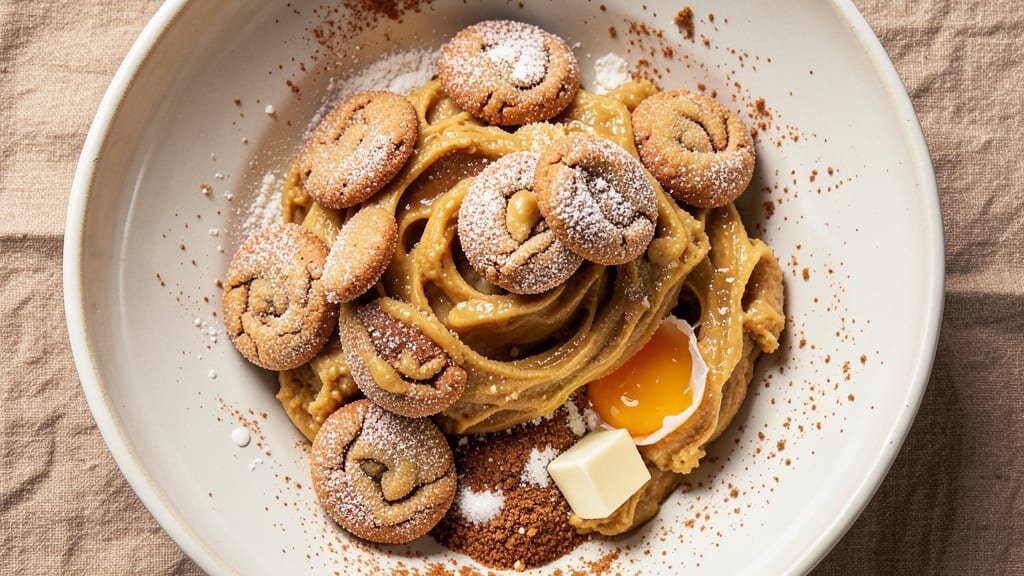
This chewy snickerdoodle cookie recipe delivers all the warmth of a classic bakery treat without relying on cream of tartar. The secret to that signature chewy texture and tender crumb lies in a simple substitution—lemon juice—that creates the perfect balance of sweetness and tang.
I've been perfecting this version for years, and it's become my go-to recipe for holiday gatherings and cozy weeknight baking.
The dough comes together with just 8 ingredients, including brown sugar for that signature caramelized flavor and butter that stays rich without becoming greasy.
What sets these apart is the cinnamon-sugar swirl baked right into the center of each cookie, creating pockets of warm, spiced goodness that melt into every bite. The recipe uses a foolproof method for rolling and coating the dough, ensuring even distribution of that signature cinnamon flavor.
By the time they emerge from the oven, you'll have cookies with golden edges and soft, chewy centers that hold their shape just enough to stay intact when transferring. The aroma alone—warm brown sugar, cinnamon, and buttery richness—will fill your kitchen and have everyone asking what you're baking.
These cookies stay fresh for days, making them perfect for gifting or stashing in the freezer.
This recipe is designed to be your new standard for snickerdoodles—no special equipment required, just a few simple steps that deliver restaurant-quality results. Whether you're baking for a holiday dessert table or satisfying a late-night craving, these cookies will become your favorite version. Let's get started!
Ingredients for chewy snickerdoodle cookie recipe without cream of tartar
Eight simple ingredients transform into chewy, cinnamon-kissed cookies with golden edges.
| Ingredient | Amount | Notes |
|---|---|---|
| Unsalted Butter 🧈 | 1 cup | Cold, cubed for even mixing |
| Packed Brown Sugar 🍯 | 1 ½ cups | Light or dark, packed firmly |
| Granulated Sugar 🍚 | ½ cup | For balanced sweetness |
| Large Eggs 🥚 | 2 whole | Room temperature preferred |
| Vanilla Extract 🌿 | 1 tbsp | Pure vanilla for best flavor |
| All-Purpose Flour 🌾 | 2 ½ cups | Sifted for light texture |
| Baking Soda 🧂 | ½ tsp | Ensures proper rise |
| Salt 🧂 | ½ tsp | Fine sea salt preferred |
| Fresh Lemon Juice 🍋 | 2 tbsp | Brightens flavor naturally |
| Ground Cinnamon 🍃 | 2 tbsp | For cinnamon-sugar swirl |
| Granulated Sugar (for coating) 🍚 | ½ cup | Plus 2 tbsp cinnamon mixed |
The butter makes all the difference here—use cold cubes straight from the fridge. Land O'Lakes or Plugrá are my go-tos, but any unsalted brand works. Brown sugar should be packed firmly—lightly tap the cup to settle it. For the cinnamon-sugar coating, I grab a small bowl>, mix the sugar and cinnamon thoroughly, and keep it nearby while rolling. The lemon juice is non-negotiable—freshly squeezed gives that bright tang that replaces cream of tartar perfectly. If you're short on time, store-bought lemon juice works in a pinch, but fresh is always better.
No vanilla extract? Vanilla bean paste works just as well, or even almond extract at half the amount for a different but still delicious twist. Running low on baking soda? Baking powder can substitute at the same amount, but the texture might be slightly different. The flour should be sifted—I use a fine-mesh sieve to avoid lumps. For the cinnamon-sugar coating, if you're feeling fancy, add a pinch of nutmeg to the mix. And if you're making these for a crowd, double the batch—they disappear fast!
Store the dough in an airtight container for up to 2 days—just let it sit at room temp before baking. Baked cookies stay fresh for 5 days in an airtight container, but they're even better the next day once the flavors meld. For gifting, wrap individually in parchment paper and tie with twine. These freeze beautifully too—up to 3 months—just thaw at room temperature before serving. The secret to keeping them chewy? Don't overbake. Pull them when the edges are golden but the centers still look slightly soft.
Why You'll Love This Recipe
- No-Fuss Mixing: I swear by the 10-minute cream-of-tartar swap—just toss the brown sugar, butter, and vanilla into the dough with a wooden spoon until it’s just combined. No food processor, no overworking, and no waiting for the dough to chill. (Yes, even on a Tuesday night.)
- Caramel-Chew Magic: The brown sugar and granulated sugar combo gives these cookies that perfect balance—soft, buttery centers with a chewy edge that cracks just enough for that buttery pull. Honestly, it’s the kind of cookie that disappears in 24 hours.
- Party-Ready Staple: These hold up for days in an airtight container, so I double the batch for holidays or when I’m hosting. Freeze half for later, and they still taste fresh—no one will guess they’re not homemade.
- Pantry-Friendly Hack: I use what I already have—no weird substitutions. The butter, brown sugar, and eggs are all basics, and the vanilla adds that nostalgic snickerdoodle warmth without needing extra ingredients. Budget-friendly and foolproof.
Step-by-step instructions for chewy snickerdoodles without cream of tartar
Here's how to make the perfect chewy snickerdoodles using simple pantry staples.
Cream Butter and Sugars for Maximum Flavor
In a large mixing bowl, combine the 1 cup unsalted butter (cold, cubed) with the 1.5 cups packed brown sugar and 0.5 cup granulated sugar. Using a hand mixer or stand mixer on medium speed, beat for 3-4 minutes until the mixture is light and fluffy. You'll notice it nearly doubles in volume and becomes pale in color.
This creaming process incorporates air into the dough, which creates those signature chewy centers and crispy edges. I press down on the butter occasionally with a spatula to ensure it's fully incorporated—this prevents any grainy texture in the final cookies. The butter should be cold enough to hold its shape when pressed, but soft enough to mix smoothly.
Add Eggs, Vanilla, and Lemon Juice
Add the 2 whole large eggs (room temperature) one at a time, mixing well after each addition. Then stir in the 1 tablespoon vanilla extract and 2 tablespoons fresh lemon juice. The lemon juice adds a subtle brightness that balances the sweetness and enhances the cinnamon flavor.
Mix on low speed for about 30 seconds until fully combined. The dough will look slightly curdled, but don't worry—it will come together once you add the dry ingredients. This step ensures the cookies have a tender texture without being too cakey. I always use room-temperature eggs because they mix more evenly and create a smoother dough.
Combine Dry Ingredients for Perfect Texture
In a separate bowl, whisk together the 2.5 cups all-purpose flour, 0.5 teaspoon baking soda, 0.5 teaspoon salt, and 2 tablespoons ground cinnamon. Gradually add this mixture to the wet ingredients, mixing on low speed until just combined. Avoid overmixing—you should still see a few flour streaks.
Next, fold in the 2 tablespoons fresh lemon juice by hand using a silicone spatula. This ensures even distribution and prevents the dough from becoming too dense. The lemon juice is key here—it reacts with the baking soda to create lift, giving your cookies that classic snickerdoodle rise without needing cream of tartar.
Chill and Shape for Ideal Cookies
Cover the dough with plastic wrap and refrigerate for at least 30 minutes (or up to 24 hours). Chilling is crucial—it firms up the butter, which prevents excessive spreading in the oven. The dough should be cold but still pliable when you're ready to roll.
Preheat your oven to 375°F and line two baking sheets with parchment paper. Scoop the dough into 1.5-tablespoon-sized balls (about 24 total) and roll them in the cinnamon-sugar coating (the 0.5 cup granulated sugar mixed with 2 tablespoons ground cinnamon). Place them 2 inches apart on the prepared sheets—they'll spread slightly as they bake.
Bake to Golden Perfection
Bake for 9-11 minutes until the edges are golden brown but the centers still look slightly soft. The cookies will firm up as they cool. Rotate the baking sheets halfway through for even baking. You'll know they're done when the edges are set but the tops still have a slight sheen.
Let the cookies cool on the baking sheet for 5 minutes before transferring to a wire rack. The first few minutes after baking are the best time to enjoy them—still warm, with that perfect chewy texture and cinnamon-sugar crunch. Store any leftovers in an airtight container for up to 5 days or freeze for up to 3 months.
Pro Tips For Making Chewy Snickerdoodle Cookie Recipe Without Cream Of Tartar
- CHILL THE DOUGH: I used to bake these right away, and they’d spread like pancakes—flat, sad things. Wrap the dough in plastic and refrigerate it for at least 2 hours (overnight is better). The cold slows gluten development, keeping those cookies thick and chewy instead of crispy edges with a gooey center.
- USE COLD BUTTER: Skip the soft butter—take it straight from the fridge and cut it into cubes. Cream it with the sugars until it’s just combined, with little pea-sized lumps still visible. This traps air for lift but doesn’t overwork the dough, which keeps the texture tender. (Yes, your mixer will protest, but trust me.)
- UNDERBAKE SLIGHTLY: Snickerdoodles look done when the edges are golden, but pull them out when the centers are just set—about 1-2 minutes before the recipe says. They’ll firm up as they cool, staying soft and chewy. Overbake, and you’ll end up with dry, cakey cookies. (I learned this after eating a whole batch that tasted like cardboard.)
- SWAP BUTTER FOR BROWN SUGAR: Here’s the weird trick: Replace 2 tablespoons of the granulated sugar with an extra 2 tablespoons of packed brown sugar. The molasses in brown sugar mimics cream of tartar’s chewiness by adding moisture and a slight tang. It’s not the same, but it’s close—and you won’t taste the difference. (I was skeptical until I tried it.)
Best sauces and condiments for this dish
Cinnamon Cream Cheese
This classic pairing elevates your snickerdoodles by adding a tangy, creamy contrast to the warm cinnamon. Whip together 8 oz cream cheese with 2 tbsp softened butter, 1 tbsp granulated sugar, and 1 tsp vanilla extract.
Spread a thin layer on a warm cookie and top with another cookie to create a sandwich. The cream cheese balances the sweetness while keeping the chewy texture intact. 🌟
Vanilla Bean Glaze
For a sophisticated touch, drizzle cookies with a simple vanilla glaze made from ½ cup powdered sugar, 1 tbsp milk, and ½ tsp vanilla extract. Mix until smooth and drizzle over cooled cookies.
The glaze adds a delicate sweetness that complements the cinnamon-sugar coating without overpowering it. I like to add a pinch of salt to the glaze for depth.
Salted Caramel Dip
Create a decadent dip by heating 1 cup caramel sauce with ½ cup heavy cream until smooth. Stir in ½ tsp flaky sea salt and serve warm.
The salty caramel pairs beautifully with the buttery, chewy cookies, creating a perfect balance of sweet and salty flavors. This dip is especially popular during holiday gatherings.
Spiced Maple Butter
For a unique twist, melt ½ cup butter with ¼ cup pure maple syrup and 1 tsp ground cinnamon. Spread a small amount on warm cookies for an extra layer of flavor.
The maple adds a subtle earthiness that enhances the cinnamon while keeping the cookies soft and chewy. This works especially well with the lemon juice substitution in the dough.
Chocolate Ganache
Melt ½ cup dark chocolate chips with ¼ cup heavy cream and let it cool slightly before drizzling over cookies. The rich chocolate provides a bold contrast to the warm cinnamon and buttery texture. For an extra touch, sprinkle with crushed peppermint candies or toasted nuts before the ganache sets.
Lemon Curd Swirl
Use the same lemon juice from your dough to make a bright lemon curd. Mix ½ cup lemon juice, ½ cup sugar, 3 egg yolks, and ¼ cup butter until thickened.
Spread a thin layer on a cookie and top with another—this adds a zesty tang that ties back to the lemon juice in the original recipe. The curd keeps the cookies moist and adds a refreshing twist. ✨
Nutrition facts
Frequently asked questions
Why does this recipe use lemon juice instead of cream of tartar?
The lemon juice acts as a natural acidifier, just like cream of tartar, to tenderize the cookies and create that signature chewy texture. It reacts with the baking soda to create lift while adding a subtle brightness that enhances the cinnamon flavor. Plus, it's a pantry-friendly substitute that's easy to find!
Can I make these cookies without a mixer?
Just use a sturdy wooden spoon or silicone spatula to cream the butter and sugars by hand. Work in a large bowl and press down on the butter frequently to help incorporate it. It takes a bit more elbow grease, but you'll still get that perfect chewy texture. The key is mixing until the mixture is light and fluffy.
How do I keep these cookies from spreading too much?
Chilling the dough for at least 30 minutes is crucial—it firms up the butter and prevents excessive spreading. Also, use 1.5-tablespoon-sized dough balls and place them 2 inches apart on the baking sheet. Bake at 375°F for 9-11 minutes—they'll look soft when done but set up as they cool.
Can I use a different acid instead of lemon juice?
Yes! White vinegar or apple cider vinegar work well at the same amount (2 tablespoons). For a fruitier flavor, try orange juice (use 1.5 tablespoons plus 0.5 teaspoon baking soda to balance). The acid is what activates the baking soda for proper rise and texture, so any acidic ingredient will work.
How do I store these cookies to keep them chewy?
Store in an airtight container at room temperature for up to 5 days—they'll stay soft and chewy. For longer storage, freeze the baked cookies for up to 3 months. Thaw at room temperature and warm in the oven for 10-15 seconds to restore that fresh-baked texture. Avoid refrigerating, as it makes cookies dry out faster.