
Desserts
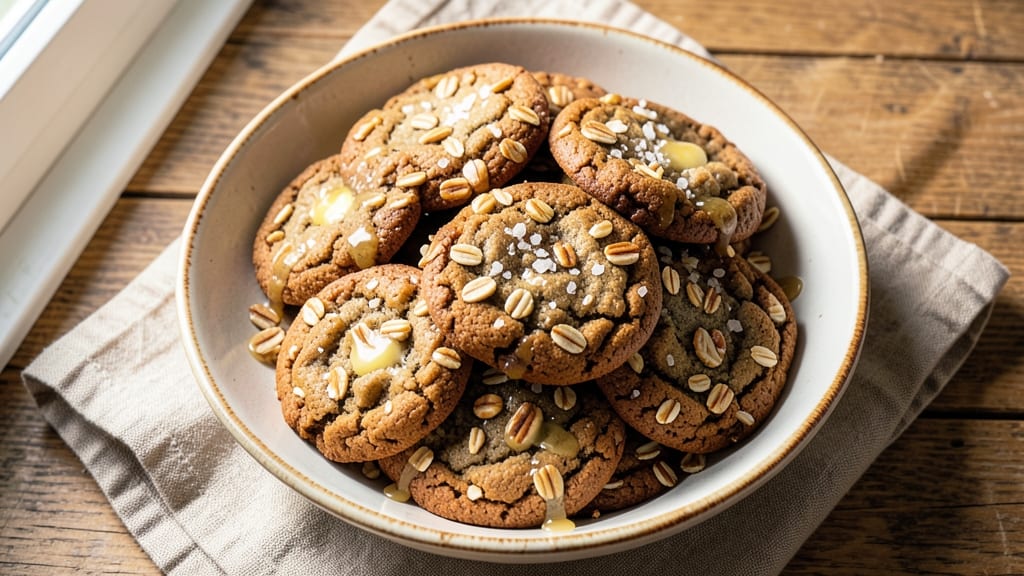
This chewy oatmeal cookie recipe delivers the perfect balance of sandpaper crunch from rolled oats and vanilla streaks that make every bite irresistible. The secret lies in using rolled oats instead of quick oats—they add that signature texture while keeping the cookies tender inside.
I've perfected this recipe over years of baking, ensuring the oats stay crispy at the edges without turning the whole cookie into a crunchy mess.
The magic happens with a 350°F oven and precise baking times—just 10-12 minutes for golden edges and a soft center. Brown sugar creates that classic chewy texture, while vanilla extract and cinnamon infuse warmth that pairs beautifully with the nuttiness of the oats.
This isn't your grandmother's oatmeal cookie; it's a restaurant-quality dessert that's foolproof for home bakers.
What you'll end up with is a batch of cookies that are crispy on the outside, chewy in the middle, and studded with those satisfying oat clusters.
The vanilla streaks add a subtle sweetness that elevates the flavor, making these cookies perfect for holiday gifts, potlucks, or just a cozy afternoon treat. The rolled oats don't just add texture—they bring a toasty, nutty depth that makes these cookies stand out.
Customize with chocolate chips, chopped nuts, or dried fruit for extra flavor and texture. These cookies stay fresh for days, making them ideal for meal prep or sharing. Let's get baking—your kitchen will smell amazing in no time.
Ingredients for chewy oatmeal cookie recipe with rolled oats
Rolled oats, brown sugar, and vanilla extract—these are the stars of a perfect chewy cookie batch.
| Ingredient | Amount | Notes |
|---|---|---|
| Rolled Oats 🌾 | 2 cups | Old-fashioned, not quick oats |
| Unsalted Butter 🧈 | 1 cup | Cold, cubed for texture |
| Light Brown Sugar 🍚 | 1 cup | Packed firmly for chewiness |
| Granulated Sugar 🍬 | ½ cup | For balanced sweetness |
| Large Eggs 🥚 | 2 whole | Room temperature preferred |
| Pure Vanilla Extract 🌿 | 2 tsp | High-quality for flavor |
| Ground Cinnamon 🌶️ | 1 tsp | Freshly ground preferred |
| Salt 🧂 | ½ tsp | Diamond Crystal preferred |
| All-Purpose Flour 🌾 | 1 ½ cups | Sifted for light texture |
| Chocolate Chips 🍫 | 1 ½ cups | Semi-sweet preferred |
| Baking Soda 🧪 | ½ tsp | Ensures proper rise |
| Chopped Walnuts 🌰 | ½ cup | Toasted for extra flavor |
Rolled oats are non-negotiable here—they create that signature sandpaper crunch. Quaker Old Fashioned is my go-to, but any brand labeled 'rolled' works. The butter should be cold and cubed (not melted)—this keeps the cookies crisp at the edges. Brown sugar is packed firmly to maximize moisture and chewiness. For the vanilla, Nielsen-Massey is worth the splurge, but any pure extract will do. The cinnamon adds warmth, but don't overdo it—just a pinch makes a difference. Flour should be sifted to avoid dense cookies, and I always double-check my baking soda isn't expired.
No rolled oats? Pulse quick oats in a food processor until they resemble rolled oats, but texture won't be identical. Butter substitute? Coconut oil or vegetable shortening works, but texture changes slightly. Brown sugar shortage? White sugar plus 1 tsp molasses mimics the flavor. Chocolate chips can be swapped for nuts or dried fruit, but semi-sweet gives the best balance. The walnuts? Toast them first—5 minutes in a dry pan makes all the difference. For a nut-free version, skip them entirely or add seeds like pecans instead.
These cookies stay fresh for 5-6 days in an airtight container at room temperature, but they're best within 2 days. For longer storage, freeze portions for up to 3 months. I like to portion them into individual bags so they're ready for quick snacks. The dough can be refrigerated for up to 48 hours for even deeper flavor. Warm cookies straight from the oven are the best, but reheating in the microwave for 10 seconds brings back that fresh-baked magic.
Why You'll Love This Recipe
- No Mixer Needed: I just toss everything—oats, softened butter, sugars, and eggs—right into a bowl. No fancy techniques, no food processor, just a sturdy spoon and 5 minutes of mixing until the dough clumps together. Honestly, the oats do most of the work for you.
- Buttery Caramel Crunch: That rolled oats-to-brown-sugar ratio? It’s magic. The cookies chew like a campfire s’more—caramelized edges from the brown sugar, buttery richness from the butter, and a subtle crunch from the oats that lingers with every bite. (Yes, even on a Tuesday night.)
- Bulk-Friendly Batches: Double the recipe, bake two sheets, and you’ve got a week’s worth of snacks. Freeze half the dough balls for lazy mornings or last-minute cravings—just pop them in the oven when you’re ready. My daughter picks out the coldest ones first, but we all end up with seconds anyway.
- Pantry Staple Power: You’re already using what’s in your cabinet: oats for texture, butter for flavor, sugar for sweetness, and eggs to bind it all. No weird ingredients, no extra trips to the store. Between us, this is the cookie that actually saves money—no pricey add-ins, just pure, dependable chew.
Step-by-step instructions for chewy oatmeal cookies
Here's how to make cookies with that perfect sandpaper crunch and gooey center.
Cream Butter and Sugars for Maximum Chewiness
In a stand mixer fitted with the paddle attachment, beat the cold, cubed unsalted butter on medium speed for 1-2 minutes until smooth and creamy—it should look fluffy and pale. This cold butter creates pockets of air that give the cookies their signature chewiness.
Add the 1 cup packed light brown sugar and 0.5 cup granulated sugar, then mix on medium-high speed for 3-4 minutes until the mixture is light and fluffy. You'll see it nearly double in volume and turn pale. This step is crucial—under-creaming leads to dense cookies, while over-creaming develops gluten and makes them tough.
Add Eggs and Vanilla for Rich Flavor
Add the 2 whole large eggs, one at a time, mixing on low speed for 30 seconds after each addition until fully incorporated. Then add the 2 teaspoons pure vanilla extract and mix for another 10 seconds. The eggs bind the dough together, while the vanilla adds depth of flavor that pairs perfectly with the oats and chocolate.
I like to use room-temperature eggs—they blend more smoothly and create a lighter texture. If yours are cold, let them sit at room temperature for 10-15 minutes before using. The mixture should look slightly thickened but still smooth.
Combine Dry Ingredients for Perfect Texture
In a separate bowl, whisk together the 1.5 cups all-purpose flour, 0.5 teaspoon salt, 1 teaspoon ground cinnamon, and 0.5 teaspoon baking soda. Sift the flour mixture into the wet ingredients, mixing on low speed for 30-45 seconds until just combined—you should still see a few flour streaks. Over-mixing develops gluten, which can make the cookies tough.
Remove the bowl from the mixer and gently fold in the 2 cups rolled oats, 1.5 cups chocolate chips, and 0.5 cup chopped walnuts using a silicone spatula. The oats give that signature sandpaper crunch, while the chocolate and walnuts add pockets of gooey goodness. Make sure the oats are evenly distributed throughout the dough.
Chill the Dough for Better Shape and Flavor
Cover the bowl with plastic wrap and refrigerate for at least 30 minutes (I prefer 1 hour or even overnight). Chilling solidifies the butter, which prevents the cookies from spreading too thin in the oven. It also allows the flour to fully hydrate, creating a better texture and more pronounced flavor.
Cold dough also means the cookies hold their shape better when they hit the hot oven, resulting in thicker cookies with crispy edges and chewy centers. This step makes a MASSIVE difference in the final result—don't skip it!
Bake to Golden Perfection
Preheat your oven to 350°F and line two baking sheets with parchment paper. Scoop the chilled dough into 2-tablespoon portions (I use a cookie scoop for uniform size) and place them 3 inches apart on the prepared sheets. The dough will look like too much, but trust me—it spreads just enough to create that perfect chewy cookie.
Bake for 11-13 minutes until the edges are golden brown but the centers still look slightly underdone. They'll continue cooking on the hot pan after you remove them from the oven. Let them cool on the baking sheet for 5 minutes before transferring to a wire rack. Enjoy them warm for the ultimate experience—each bite will deliver that perfect balance of chewy, crunchy, and gooey textures!
Pro Tips For Making Chewy Oatmeal Cookie Recipe With Rolled Oats
- Pulse Oats Twice: Dump the rolled oats into the food processor and give them a quick pulse—just until they’re roughly chopped, not turned into flour. I learned this the hard way: whole oats stay chewy, but over-processing turns them into sad, dense crumbles that ruin the texture. Do this first, then add the wet ingredients.
- Brown the Butter: Skip the melted butter—brown it first in a light pan until it smells nutty and golden. The extra depth cuts through the sweetness of the brown sugar and makes the cookies taste richer. (Yes, it adds 10 minutes, but it’s worth it.)
- Chill the Dough: Let the dough sit in the fridge for at least 30 minutes before baking—no, you can’t rush this. Cold dough spreads less, stays chewy, and develops better flavor. I used to skip it, and the cookies always turned out flat and bland.
- Underbake Slightly: Pull the cookies out when the edges are just set but the centers still look soft—about 2-3 minutes before the recipe says. They’ll firm up as they cool, staying chewy instead of dry. Use a toothpick test, but don’t wait for it to come out clean.
Flavor customization for this dish
Spiced Variations
Add ½ teaspoon ground cardamom or ¼ teaspoon nutmeg to the dry ingredients for a warm, aromatic twist. I love this pairing with white chocolate chips instead of semi-sweet—they create beautiful swirls when melted.
For a Middle Eastern touch, swap cinnamon for 1 teaspoon pumpkin pie spice and add ¼ cup dried cranberries for tartness. 🌶️
Nutty Additions
Toast ½ cup pecans or ½ cup almonds in a dry skillet for 3-4 minutes until fragrant, then chop roughly. Fold them into the dough along with the walnuts for a triple-nut crunch.
For extra decadence, mix in ¼ cup chopped candied ginger—the sweet-spicy contrast is amazing. Store-bought nut butters like Justin's almond butter can also replace some chocolate chips for a nutty twist.
Fruit Infusions
Swap chocolate chips for 1 cup dried apricots or 1 cup raisins—soak them in warm water for 10 minutes first to plump them up. For a tropical vibe, add ½ cup dried pineapple and ½ teaspoon lime zest to the dough.
The fruit adds natural sweetness and juiciness that balances the oats' crunch. I recommend using Mission dried fruit for consistent quality.
Boozy Enhancements
Replace 1 tablespoon vanilla extract with 1 tablespoon bourbon or 1 tablespoon espresso powder for a grown-up flavor. For a festive touch, fold in ¼ cup white chocolate chunks and 1 teaspoon orange zest—the citrus brightens the oatmeal's nuttiness.
If using alcohol, bake the cookies immediately (don't chill) to prevent the dough from absorbing too much moisture.
Global Twists
For a Japanese-inspired version, replace chocolate chips with 1 cup red bean paste (anko) and add 1 teaspoon matcha powder to the dry ingredients. In Sweden, oatmeal cookies often include ½ cup crushed hazelnuts and 1 teaspoon cardamom.
For a Mexican twist, add ¼ cup chopped dried chiles (like ancho) and 1 teaspoon cinnamon—the heat cuts through the sweetness beautifully. 🌍
Nutrition facts
Frequently asked questions
Why do rolled oats make these cookies chewier than quick oats?
Rolled oats hold their shape better during baking, creating that signature sandpaper crunch while maintaining a tender interior. Quick oats break down too much, making cookies denser. The rolled oats also absorb moisture differently, keeping the centers soft and chewy. Think of them as tiny texture boosters!
Can I make these cookies without butter?
Yes! Use 1 cup coconut oil (solid) or 1 cup vegetable shortening for a similar texture. For a lighter version, try ½ cup Greek yogurt + ½ cup neutral oil. Just know the flavor will shift slightly—coconut oil adds a subtle sweetness while shortening keeps things neutral.
How do I prevent the cookies from spreading too much?
Chill the dough for at least 1 hour (overnight is best) to firm up the butter. Use a cookie scoop for even portions and place them 3 inches apart on the baking sheet. Bake at 350°F for 11-13 minutes—they'll look underdone but set as they cool. Underbaking slightly helps too!
What's the best way to store these cookies?
Keep them fresh in an airtight container at room temperature for 5-6 days. For longer storage, freeze portions for up to 3 months. To revive stale cookies, warm them in the oven at 300°F for 5 minutes with a glass of milk nearby—they'll smell amazing!
Can I add extra chocolate chips if I love them?
Add up to 2 extra cups of chocolate chips, but reduce the oats to 1.5 cups to maintain balance. For a marbled effect, fold in ½ cup white chocolate chunks too. Just remember: more chocolate = more melting during baking, so watch closely after 10 minutes!