
Desserts
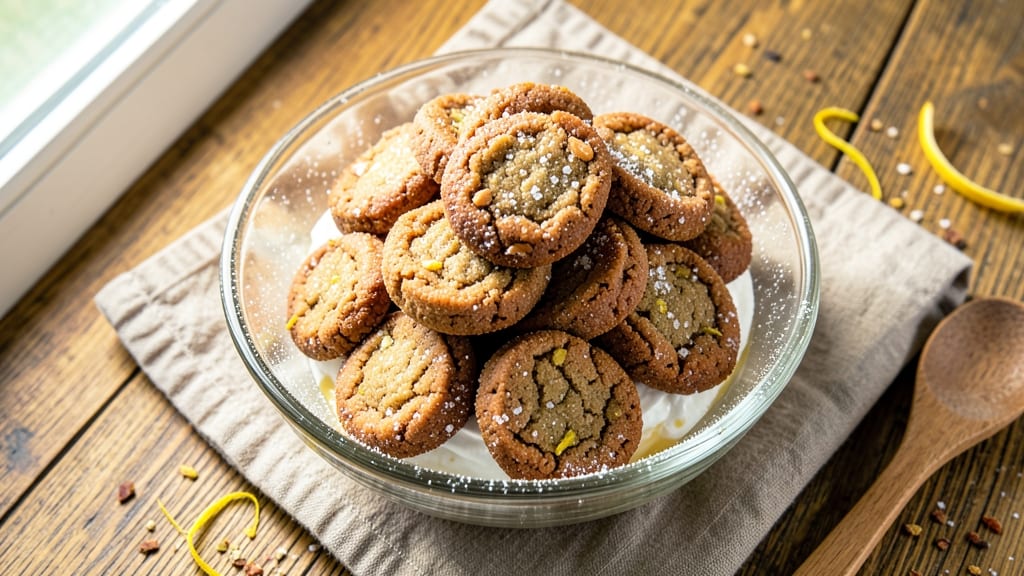
This chewy Amaretti cookie recipe delivers the perfect balance of almond richness and tender texture—just like Italy’s finest pasticceria. The secret lies in finely ground almonds and a touch of citrus zest, which brightens the sweetness while keeping every bite delightfully moist.
I’ve perfected this version after years of testing, ensuring the signature chewy centers and crisp edges that make these cookies irresistible.
The recipe relies on simple ingredients you likely already have: almond flour, egg whites, and a hint of lemon zest for that signature Italian flair. Unlike traditional amaretti, this version skips the alcohol and leans into natural sweetness from sugar and vanilla, making it foolproof for home bakers.
Baking at 325°F for 10-12 minutes guarantees that signature tender crunch without drying out.
What sets these apart is the texture—chewy yet sturdy enough to hold their shape, with a subtle almond aroma that fills your kitchen. The lemon zest adds a refreshing contrast to the sweetness, while the egg whites create that signature lightness.
These cookies are perfect for gifting, holiday baking, or enjoying with a cup of espresso.
Store them in an airtight container for up to a week, though they rarely last that long. For extra flair, dust with powdered sugar before serving or add a sprinkle of flaky sea salt to enhance the almond flavor. Let’s get baking!
Ingredients for chewy amaretti cookie
Simple yet refined ingredients for cookies with signature Italian almond flavor and citrus brightness.
| Ingredient | Amount | Notes |
|---|---|---|
| Superfine Sugar 🍚 | 2 cups | Confectioners sugar preferred |
| Almond Flour 🌰 | 2 cups | Finely ground, unsweetened |
| Large Egg Whites 🥚 | 4 whole | Room temperature, beaten |
| Unsalted Butter 🧈 | ½ cup | Cold, cubed, full-fat |
| Lemon Zest 🍋 | 1 tbsp | Fresh, finely grated |
| Pure Vanilla Extract 🌿 | 1 tsp | High-quality, not imitation |
| Almond Extract 🌰 | ½ tsp | Pure, not imitation |
| Diamond Crystal Kosher Salt 🧂 | ½ tsp | Fine grain preferred |
| Powdered Sugar 🍚 | ½ cup | For dusting, optional |
| Flaky Sea Salt 🧂 | ¼ tsp | For garnish, optional |
The almond flour is non-negotiable—Bob's Red Mill or King Arthur brands are my go-to for consistent texture. Look for finely ground, unsweetened almond flour; the coarser kind gives a gritty bite. Egg whites should be room temperature for even mixing, so take them out 30 minutes before baking. The butter needs to be cold for those signature crisp edges, but not rock-hard—cut it into small cubes. For lemon zest, use a microplane to avoid bitter pith. Trader Joe's often carries pre-grated zest if you're short on time.
No almond flour? Almond meal blended until ultra-fine works, but texture may vary. Short on egg whites? Aquafaba at 3 tbsp per egg white substitute works surprisingly well. The vanilla and almond extracts can be swapped for 1 tsp vanilla bean paste if you want extra depth. For a sugar-free version, reduce the superfine sugar to 1.5 cups and add 1/4 cup monk fruit sweetener, though texture may differ. Store-bought powdered sugar is fine, but homemade from superfine sugar dissolves better for dusting.
These cookies keep for up to 1 week in an airtight container, though they're best within 3 days for peak texture. For longer storage, freeze dough balls for up to 3 months—bake straight from frozen, adding 2-3 minutes. The powdered sugar dusting is optional but adds that bakery-fresh look. If you're gifting, package them in clear cellophane bags with a sprig of rosemary for an elegant touch. The almond aroma intensifies as they cool, so let them rest 10 minutes before serving.
Why You'll Love This Recipe
- No Fuss Mixing: I swear by the three-ingredient whirl in my food processor—just almond flour, egg whites, and sugar. No creaming butter, no sifting, no mess. The dough comes together faster than I can wipe down the counter.
- Lemon-Zest Magic: That bright citrus punch from the zest cuts through the sweetness like a breath of fresh air. Honestly, it’s the little detail that makes these cookies stand out—no artificial flavors, just real lemon in every bite.
- Versatile Little Cookies: Crumbled over vanilla ice cream? Check. Stacked in a jar for coffee dates? Done. I’ve even used them to top my morning yogurt when I’m lazy. They’re the ultimate neutral canvas that still tastes amazing.
- Budget-Friendly Luxury: Almond flour might sound fancy, but it stretches further than you’d think—this recipe makes about 24 cookies, and they disappear fast. Plus, the butter and eggs are pantry staples, so you’re not breaking the bank for something that tastes like a bakery treat.
Step-by-step instructions for chewy amaretti cookies
Here's how to craft these almond-infused cookies with perfect texture and bright citrus notes.
Whisk Egg Whites to Stiff Peaks
In a clean, grease-free mixing bowl, beat the 4 whole large egg whites with an electric mixer on medium-high speed until soft peaks form. Gradually increase to high speed and continue beating until the meringue forms stiff, glossy peaks that hold their shape when the whisk is lifted. This process should take about 5-7 minutes total.
Real talk: These peaks are non-negotiable. If you rush this step, your cookies will spread excessively and lose that signature chewy texture. The egg whites provide structure while the sugar helps create the signature crackly top and tender crumb. Keep the bowl completely free of grease—even a trace of fat will prevent proper volume development.
Combine Dry Ingredients and Butter
In a separate large bowl, whisk together the 2 cups almond flour, 2 cups superfine sugar, 0.5 teaspoon diamond crystal kosher salt, 1 teaspoon pure vanilla extract, 0.5 teaspoon almond extract, and 1 tablespoon lemon zest until thoroughly combined. Add the 0.5 cup cold cubed unsalted butter and mix with a fork or your fingers until the butter is fully incorporated and the mixture resembles wet sand.
Here's the thing—cold butter is crucial. It prevents the cookies from spreading too much in the oven while still delivering that rich, nutty flavor. The lemon zest adds a bright citrus note that cuts through the sweetness, while the almond extract deepens the nutty profile. Mix just until combined; overmixing develops gluten in the almond flour, which can make the cookies tough.
Gently Fold Meringue into Dry Mixture
Using a spatula, carefully fold one-third of the meringue into the dry mixture to lighten it. Then fold in another third, being careful not to deflate the meringue. Finally, gently fold in the remaining meringue until just combined. The dough should be thick but still hold together when pressed. If it's too dry, add 1 teaspoon water at a time until it reaches the proper consistency.
This is where the magic happens. The meringue's structure creates those beautiful crackly tops while keeping the interior chewy. Work quickly but gently—overmixing now will release air from the meringue, resulting in flat cookies. The dough should be thick enough to hold its shape when scooped but still pliable enough to pipe smoothly.
Pipe and Bake for Perfect Texture
Preheat your oven to 350°F and line two baking sheets with parchment paper. Using a piping bag fitted with a ½-inch round tip, pipe 1-inch diameter mounds of dough onto the prepared sheets, spacing them about 2 inches apart. Bake for 12-14 minutes until the edges are light golden brown and the tops are set but still slightly soft to the touch.
Don't overbake—these cookies continue cooking as they cool. You want them to pull away slightly from the edges but still feel slightly underdone in the center. The internal temperature should read 205-210°F when done. If you bake them until fully set in the oven, they'll turn out dry and crumbly rather than chewy.
Cool and Finish with Sugar and Salt
Remove the cookies from the oven and let them cool on the baking sheets for 5 minutes before transferring to a wire rack. Once completely cool, dust the tops generously with the 0.5 cup powdered sugar and sprinkle with 0.25 teaspoon flaky sea salt. Allow the cookies to sit for 10 minutes before serving to let the flavors meld and the sugar adhere to the crackly tops.
The powdered sugar adds that signature sweet coating while the flaky sea salt provides a delightful contrast. These cookies will keep well in an airtight container for up to 5 days at room temperature, though they're best enjoyed fresh from the oven. The combination of almond flour, egg whites, and citrus zest creates a cookie that's both rich and refreshing—perfect for pairing with coffee or dessert wine.
Pro Tips For Making Chewy Amaretti Cookie
- WHIP EGGS TO STIFF PEAKS: I learned this the hard way—under-whipped egg whites mean dense, sad cookies. Use a stand mixer with the whisk attachment and bump the speed to high for at least 3-4 minutes after stiff peaks form. Fold them in gently but firmly; overmixing after adding them collapses the air you just worked so hard to create.
- SIFT ALMOND FLOUR TWICE: Amaretto cookies rely on that perfect crumb, and clumpy almond flour ruins it. Sift it through a fine-mesh sieve before mixing, then sift again right before folding in the egg whites. Yes, it’s extra work, but the texture difference is night and day—especially if your flour isn’t freshly ground.
- BAKE AT 325°F UNTIL GOLDEN: The oven’s hot spot will lie to you. Rotate the tray halfway through and bake until the edges are just starting to turn golden, not when the center looks done. Amaretti cookies finish cooking as they cool; pull them out when they’re still slightly underbaked (a toothpick should come out with minimal crumbs, not wet batter).
- CHILL THE DOUGH 24 HOURS: Skipping this is the fastest way to end up with brittle, dry cookies. Wrap the dough tightly and let it rest in the fridge—hydration distributes evenly, and the almond flour softens. I know, I know, but trust the process: the chewiness and flavor deepen dramatically after that wait. (Yes, even if you’re impatient like me.)
Make-ahead tips for this recipe
Dough Prep Ahead
Make the dough 1 day in advance for deeper flavor development. After folding in the meringue, cover the dough with plastic wrap and refrigerate. The cold temperature prevents gluten development, ensuring those signature chewy centers.
When ready to bake, let the dough sit at room temperature for 30 minutes before piping—this makes it more pliable and easier to work with. 🌰
Freezer-Friendly Dough
Portion the dough into 1-inch balls using a #30 scoop (about 1.5 tbsp each) and freeze on a parchment-lined tray for 1 hour. Transfer to a zip-top freezer bag and store for up to 3 months.
Bake straight from frozen, adding 2-3 extra minutes to the baking time. The cold dough bakes more evenly, preventing over-browning.
Baked Cookie Storage
Let baked cookies cool completely before storing in an airtight container with parchment paper between layers. They stay fresh for 5-7 days at room temperature. For longer storage, freeze cooled cookies in a single layer on a tray for 1 hour, then transfer to a freezer bag.
Reheat individual cookies in a 350°F oven for 3-4 minutes to restore crispness. 🧊
Make-Ahead Sugar Dusting
Skip the powdered sugar dusting until serving. Store baked cookies in their container without dusting, then add the sugar just before enjoying. This prevents moisture loss and keeps the crackly tops intact.
For extra flair, mix 1 tsp lemon zest into the powdered sugar before dusting—it amplifies the citrus brightness. Keep the flaky sea salt separate until the very end.
Batch Baking Tips
Double the recipe for holiday baking, but bake in two batches to avoid overcrowding. Rotate baking sheets halfway through for even browning. Use a parchment-lined cooling rack to prevent soggy bottoms. Label containers with the date—freshness matters! These cookies taste best within 3 days of baking, so plan accordingly. 📅
Gift-Worthy Packaging
Package cookies in clear cellophane bags tied with twine for a bakery-style presentation. Add a sprig of fresh rosemary or a mini wooden spoon for an elegant touch. Include a handwritten note with storage instructions ("Best enjoyed within 3 days").
The almond aroma makes these perfect for gifting—just be sure to package them in single layers to maintain shape. 🎁
Nutrition facts
Frequently asked questions
Why do these cookies need stiff egg white peaks?
Stiff peaks create the signature crackly tops and chewy centers. The meringue structure traps steam during baking, which sets as the cookies cool, creating that beautiful texture. Without proper peaks, your cookies will spread too much and lose their signature bite.
Can I substitute almond flour with regular flour?
Not recommended—almond flour gives these cookies their signature nutty flavor and tender crumb. If you must substitute, use 1 cup almond meal blended ultra-fine plus 1/2 cup all-purpose flour, but expect a slightly denser texture. The lemon zest won't compensate for the missing almond flavor.
How do I fix cookies that spread too much?
Chill the dough for 30 minutes before piping, use a ½-inch tip (not a larger one), and bake at 350°F (not higher). The cold butter and proper meringue folding are key—if you skipped those, your cookies will spread excessively. For next time, measure ingredients precisely!
What's the best way to store these cookies?
Keep them in an airtight container at room temperature for 5-7 days. For longer storage, freeze baked cookies (without sugar dusting) for up to 3 months. Reheat individual cookies in a 350°F oven for 3-4 minutes to restore crispness. The powdered sugar should always be added fresh before serving.