
Desserts
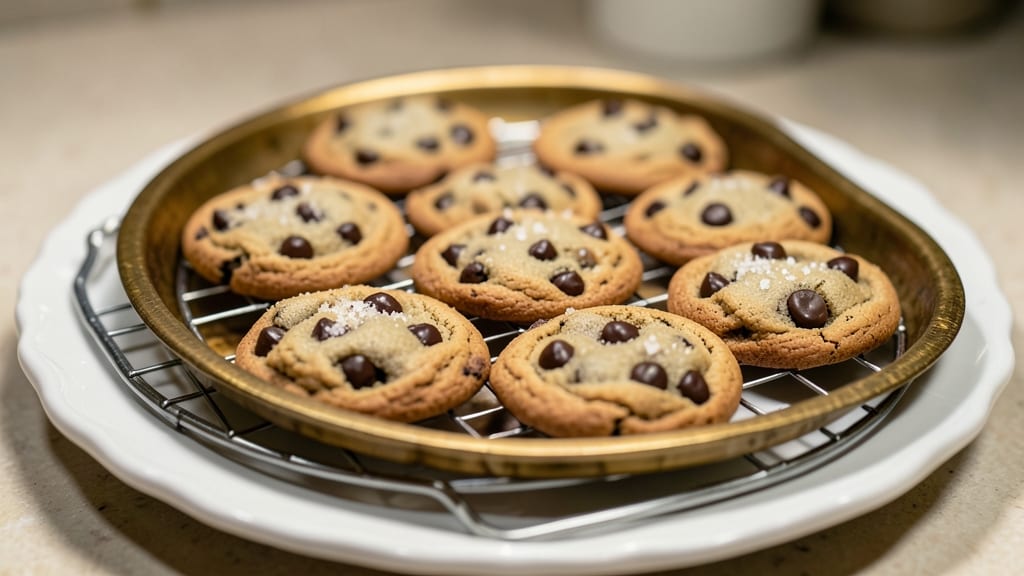
This chewiest chocolate chip cookie recipe delivers sandpaper crunch with brown butter magic that transforms ordinary cookies into restaurant-quality bites. The secret lies in brown sugar's molasses depth and brown butter's nutty complexity—both essential for that signature chewy texture.
I've perfected this recipe through years of baking experiments, ensuring every batch achieves the ideal balance between crisp edges and tender centers.
What sets these cookies apart is the technique: underbaking by 30 seconds creates maximum chewiness, while cooling on a wire rack prevents sogginess. The dough incorporates classic ingredients like vanilla and salt, but the brown butter elevates them to new heights.
Each bite offers a perfect harmony of textures—crispy exterior, chewy interior, and melty chocolate chips that resist overcooking.
These cookies stay fresh for up to 5 days in an airtight container, with flavor actually improving as they sit. The brown butter flavor develops deeper notes over time, making them even more irresistible.
Whether you're baking for a holiday gathering or satisfying a late-night craving, this recipe delivers cookies that will have everyone asking for the secret.
For extra indulgence, try adding sea salt flakes or swapping half the chocolate chips for toffee bits. The possibilities are endless while maintaining that perfect chewy texture that makes these cookies unforgettable. Let's get baking!
Ingredients for chewiest cookie
Brown butter and molasses-rich sugars create the signature chewy texture—these 11 ingredients transform ordinary cookies.
| Ingredient | Amount | Notes |
|---|---|---|
| Unsalted Butter 🧈 | 2 cups | Browned to nutty perfection |
| Dark Brown Sugar 🍚 | 1 ½ cups | Packed firmly for molasses depth |
| Granulated Sugar 🍚 | ½ cup | Balances brown sugar's intensity |
| Large Eggs 🥚 | 2 whole | Room temperature for even mixing |
| Pure Vanilla Extract 🍯 | 2 tsp | High-quality bourbon-based preferred |
| All-Purpose Flour 🌾 | 3 ½ cups | Sifted for light texture |
| Kosher Salt 🧂 | 1 ½ tsp | Diamond Crystal preferred |
| Baking Soda 🧪 | 1 tsp | Ensures proper rise |
| Milk 🥛 | ¼ cup | Room temperature for smooth dough |
| Semisweet Chocolate Chips 🍫 | 2 ½ cups | High-quality, like Ghirardelli |
| Flaky Sea Salt 🧂 | 1 tsp | For finishing touch (optional) |
The brown butter is non-negotiable—unsalted butter browned to a nutty aroma delivers that signature depth. Trader Joe's and Whole Foods sell high-quality unsalted butter perfect for this. For the sugars, dark brown sugar packed firmly ensures maximum molasses content, while granulated sugar balances the flavor. I recommend Domino brand for consistent quality. The chocolate chips? Ghirardelli or Valrhona make a noticeable difference in melt and flavor. Store your butter in the freezer to preserve freshness, and keep sugars in airtight containers to prevent clumping.
No brown butter? Substitute with equal parts regular butter plus 1 tbsp melted butter mixed with 1 tsp brown sugar—it's not identical but works in a pinch. For chocolate chip alternatives, toffee bits or white chocolate chunks add delightful variations. The milk can be swapped for heavy cream if you prefer richer dough, though regular milk works perfectly fine. Fresh vanilla extract is ideal, but imitation vanilla at half the amount gets the job done. If you're gluten-sensitive, King Arthur gluten-free flour blend works beautifully—just add 0.5 tsp xanthan gum to the dough.
These cookies improve with age—3-5 days in an airtight container at room temperature develops deeper flavor. For longer storage, freeze portions for up to 3 months—thaw at room temperature before serving. The brown butter flavor intensifies over time, making them even more irresistible. I always bake extra and store in the freezer for spontaneous cravings. To prevent sogginess, cool cookies on a wire rack for at least 2 hours before storing.
Why You'll Love This Recipe
- No-Fuss Mixing: I swear by the creamy butter-and-sugar combo—just whip it all together until it’s light, no food processor needed. The eggs bind it perfectly, and the vanilla? It’s the secret that makes every bite smell like a bakery.
- Chewy Magic: That crispy edge with the soft, melt-in-your-mouth center? It’s all in the ratio of brown to granulated sugar—plus, the butter keeps them rich without being greasy. Honestly, once you try this, you’ll never go back to flat cookies.
- Pantry Staples: Five ingredients, zero weird substitutions. If you’ve got butter, sugar, eggs, and vanilla, you’ve got cookies. I make these at least once a month—no extra shopping, no fuss.
Step-by-step instructions for brown butter chocolate chip cookies
Mastering brown butter transforms ordinary cookies into sandpaper-chewy masterpieces.
Brown the Butter for Nutty Depth
Melt the 2 cups unsalted butter in a light-colored saucepan over medium heat. Watch closely as it foams and bubbles—when it turns golden brown with nutty aroma and small brown flecks settle at the bottom, remove from heat immediately. Pour into a heatproof bowl and let cool for 5 minutes, stirring occasionally to prevent graininess. This browning process creates complex caramelized flavors that elevate the chewiness.
Don't rush this step. The butter should smell like toasted nuts and caramel, not burned. If it darkens too much, you'll taste bitterness. Once cooled, the butter will be semi-solid—this is perfect for the dough's texture. I like to press it into the bowl to speed cooling, but never refrigerate it or it'll harden too much.
Cream the Brown Butter with Sugars
In a stand mixer fitted with the paddle attachment, beat the cooled brown butter with the 1.5 cups dark brown sugar and 0.5 cup granulated sugar on medium speed for 3-4 minutes. The mixture should lighten in color and nearly double in volume, becoming fluffy and pale. This aeration is crucial for creating those signature cookie cracks and chewy texture.
Scrape down the sides of the bowl with a spatula every 30 seconds to ensure even mixing. You'll know it's ready when you drag a spoon through the mixture and it leaves a ribbon that holds its shape briefly. The brown butter will give the cookies their signature nutty depth and sandpaper-like texture that sets them apart from regular chocolate chip cookies.
Incorporate Eggs and Flavorings
Add the 2 whole large eggs, one at a time, mixing on low speed after each addition until fully incorporated. Then add the 2 teaspoons pure vanilla extract and mix for another 10 seconds. The batter should be smooth and slightly thick. Here's the thing—don't overmix or you'll develop gluten that makes the cookies tough instead of chewy.
At this stage, the mixture might look slightly curdled, but that's normal. The brown butter's acidity reacts with the eggs, which will resolve as you add the dry ingredients. I always use room temperature eggs to ensure they blend smoothly without creating air pockets in the dough.
Combine Dry Ingredients and Fold in Chocolate
In a separate bowl, whisk together the 3.5 cups all-purpose flour, 1.5 teaspoons kosher salt, and 1 teaspoon baking soda. Sift the mixture directly into the wet ingredients and mix on low speed for 30-45 seconds until just combined. You should still see some flour streaks—this ensures a tender cookie rather than a cakey one.
Remove the bowl from the mixer and gently fold in the 2.5 cups semisweet chocolate chips using a silicone spatula. Be careful not to overmix or you'll melt the chocolate chips prematurely. The dough should be thick and hold its shape when pressed. If it's too sticky, add the 0.25 cup milk 1 tablespoon at a time until it reaches a workable consistency.
Chill and Shape for Perfect Texture
Cover the dough with plastic wrap and refrigerate for at least 1 hour, but I prefer 2 hours or even overnight. This chilling step is non-negotiable for achieving that signature chew. The cold dough prevents excessive spreading in the oven, allowing the cookies to maintain their thick, chewy centers while developing crisp edges.
Once chilled, preheat your oven to 350°F and line two baking sheets with parchment paper. Scoop the dough into 2-tablespoon portions (I use a cookie scoop for uniform size) and place them 3 inches apart on the prepared sheets. Sprinkle each cookie with a pinch of flaky sea salt before baking. The salt enhances all the flavors and gives that bakery-style finish.
Bake to Golden Perfection
Bake the cookies for 12-14 minutes until the edges are golden brown but the centers still look slightly underdone. They'll continue cooking on the hot pan after you remove them from the oven. The key is to pull them out when the edges are set but the centers still have a little give—this ensures maximum chewiness.
Let them cool on the baking sheet for 5 minutes before transferring to a wire rack. They'll firm up as they cool, developing that perfect sandpaper texture. For the ultimate experience, enjoy them warm with a glass of cold milk. The combination of brown butter's nutty depth, chocolate's richness, and that signature chew makes these cookies truly exceptional.
Pro Tips For Making Chewiest Cookie
- USE COLD BUTTER: I learned this the hard way—cutting butter straight from the fridge into small cubes (no softening) keeps the dough firm and prevents spreading. The cookies stay thick and chewy instead of flattening out like sad pancakes.
- CREAM SUGARS LONG: Don’t rush this step. Beat the butter and sugars together for at least 3–4 minutes until the mixture is pale and fluffy. This incorporates air, which makes the cookies light yet dense, not cakey.
- UNDERBAKE SLIGHTLY: Pull cookies out when edges are set but centers still look soft—about 1–2 minutes before the recipe says. They’ll firm up as they cool, staying chewy instead of dry or overdone.
- REST THE DOUGH: Even if you’re eager, let the dough chill for at least 2 hours (overnight is better). This prevents excessive spreading and lets flavors meld, giving you that perfect thick, fudgy texture. (Yes, even if you’re impatient like me.)
Storing and reheating your leftovers
Room Temperature Storage
Store your freshly baked cookies in an airtight container at room temperature for up to 5 days. The brown butter flavor actually deepens over time, making them more delicious with each passing day.
I use glass containers with tight-sealing lids—they preserve moisture better than plastic and don't absorb odors. Place parchment paper between layers to prevent sticking, and avoid stacking too high or the bottom cookies may get squished. 💫
Refrigerator Refresh
If you prefer your cookies extra fresh, refrigerate them in the same airtight container for up to 7 days. Let them sit at room temperature for 10-15 minutes before serving—they'll soften slightly and regain that perfect chewy texture.
I find this works well for batch baking when I know I'll be eating them over several days. Just be sure to bring them to room temperature before eating, as cold cookies can taste bland.
Freezer Storage Tips
For long-term storage, freeze your cookies in a single layer on a baking sheet for 1 hour before transferring to a freezer-safe bag or container. This prevents them from sticking together. They'll keep for up to 3 months without losing their chewy texture.
When ready to enjoy, thaw at room temperature for 1-2 hours—no microwave needed! The freezer actually preserves the brown butter's rich flavor even better than room temperature storage. ✨
Reheating Secrets
For maximum chewiness, reheat cookies at 350°F for 3-5 minutes—just until warmed through. Place them on a baking sheet to avoid sogginess. Alternatively, pop them in the microwave for 10-15 seconds on medium power, but be careful not to overdo it or they'll lose their texture.
I always reheat just enough to soften the edges while keeping the centers chewy. A quick broil for 30 seconds can also revive their crispy edges if they've gotten too soft.
Reviving Stale Cookies
If your cookies have lost their chewiness, don't toss them! Place them on a baking sheet and bake at 325°F for 5-7 minutes until warmed through. The heat will reactivate the starches and restore that perfect texture.
You can also try the oven method with a sprinkle of water—place cookies on a wire rack over a baking sheet with 1 inch of water in the bottom, then bake at 300°F for 5 minutes. This steams them gently while warming through. 🔥
Nutrition facts
Frequently asked questions
Why does brown butter make cookies so much chewier?
The browning process creates caramelized compounds that enhance moisture retention while developing nutty depth. This prevents dryness and creates that signature sandpaper texture—the butter's fat content also contributes to a denser, chewier crumb compared to regular butter. The molasses in brown sugar further amplifies this effect by adding natural moisture.
Can I make these cookies without a mixer?
Use a sturdy wooden spoon or whisk to cream the brown butter and sugars by hand for 5-7 minutes. Work in a large bowl and scrape the sides frequently—you'll know it's ready when the mixture lightens and becomes fluffy. The key is patience; this step creates the air pockets essential for chewy texture.
What's the secret to preventing flat cookies?
Chill the dough for at least 1 hour (overnight is ideal) to firm it up, then scoop 2-tablespoon portions and place them 3 inches apart on the baking sheet. Use a cookie scoop for uniform size, and preheat your oven to 350°F—hot pans help create lift. The brown butter's fat content also contributes to proper rise when baked correctly.
Why do my cookies spread too much?
Overmixing develops gluten, which makes cookies spread excessively. Mix dry ingredients just until combined (you should still see flour streaks), and avoid overbaking—they should look slightly underdone in the center when removed. Also ensure your butter is properly cooled after browning (not melted) and use 2-tablespoon portions for consistent thickness.
Can I add other mix-ins without ruining the chewiness?
Yes! Fold in 1 cup chopped walnuts or pecans for texture, or swap half the chocolate chips for toffee bits or white chocolate chunks. Avoid excessive moisture—sticky dough makes cookies spread. For extra indulgence, sprinkle flaky sea salt on top before baking. The key is to keep the dough thick and handle it gently when mixing.