
Desserts
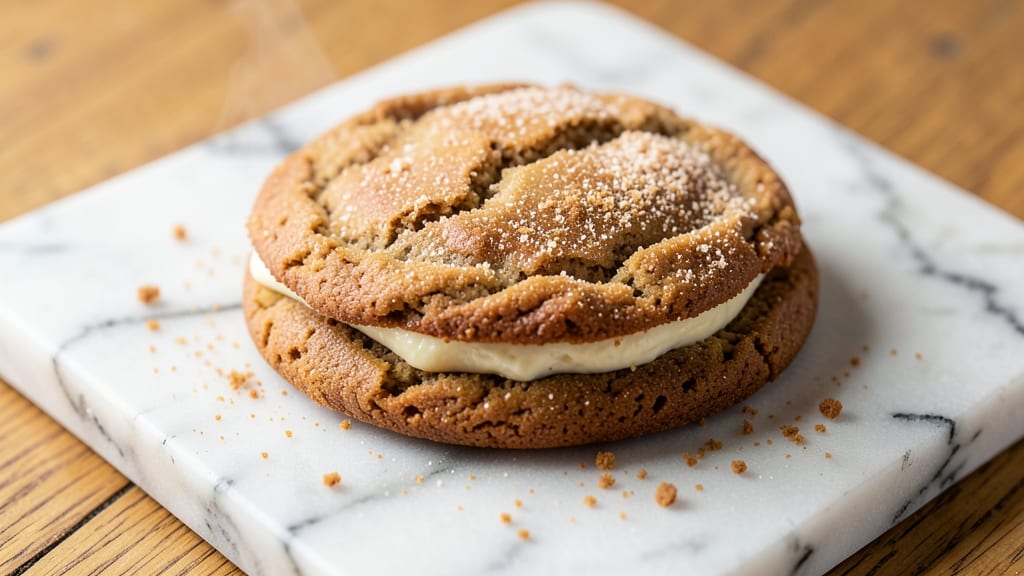
This cheesecake stuffed snickerdoodle cookie recipe delivers the ultimate dessert experience—crispy cinnamon-sugar edges hugging a gooey vanilla-cream center that melts in your mouth. 🌟 After years of perfecting the balance between cookie and cheesecake textures, I've created a recipe that's foolproof yet feels like a bakery secret.
The key lies in chilling the dough properly and baking at precise temperatures to ensure the cheesecake filling stays luscious without leaking.
What makes this recipe special is the harmony of flavors and textures: the warm cinnamon-sugar crust contrasts beautifully with the cool, creamy cheesecake center.
I use a simple vanilla bean paste for depth of flavor, and the dough is rolled just thick enough to hold the filling while still achieving that signature snickerdoodle crunch. The secret to success? Patience—letting the dough rest in the fridge ensures even baking and prevents cracking.
By the time you pull these from the oven, you'll have cookies with perfectly golden, crackly edges and a warm, creamy center that's still soft enough to ooze when you bite in.
The aroma alone—warm cinnamon and vanilla—will have everyone gathering around your kitchen. These cookies are perfect for holidays, dinner parties, or when you simply need a dessert that feels indulgent yet impressive.
For an extra touch of elegance, dust with powdered sugar or drizzle with caramel before serving. The contrast of colors and textures makes them visually stunning, too. Let's get baking—your taste buds won't be disappointed!
Ingredients for cheesecake stuffed snickerdoodle cookie
Twelve ingredients, two doughs, one showstopping dessert—crunch meets gooey perfection.
| Ingredient | Amount | Notes |
|---|---|---|
| All-Purpose Flour 🌾 | 3 ½ cups | Sifted for light texture |
| Unsalted Butter 🧈 | 1 cup | Cold, cubed for dough |
| Granulated Sugar 🍚 | 1 cup | Plus 2 tbsp for coating |
| Light Brown Sugar 🍚 | ½ cup | Packed for moisture |
| Large Eggs 🥚 | 2 whole | Room temperature |
| Vanilla Bean Paste 🌿 | 1 tbsp | For authentic vanilla flavor |
| Cream Cheese 🧀 | 8 oz | Room temperature, full-fat |
| Sour Cream 🥛 | ¼ cup | Full-fat for creaminess |
| Powdered Sugar 🍚 | ½ cup | For dusting |
| Ground Cinnamon 🌶️ | 2 tbsp | For dough and coating |
| Sea Salt 🧂 | ½ tsp | Fine grain for balance |
| Cream Cheese Filling 🧀 | 1 cup | Pre-made or homemade |
| Vanilla Extract 🌿 | ½ tsp | Pure extract for flavor |
The cream cheese is non-negotiable here—Philadelphia brand melts best, but any full-fat block works too. Grab the room-temperature kind from the dairy section, not the tubs near the eggs. For the vanilla, vanilla bean paste (like Nielsen-Massey) adds depth over extract. The dough needs to be cold when rolled—chill the dough balls for 30 minutes before shaping. Pro tip: use a food processor for the dough to avoid overmixing, which makes cookies tough. The cinnamon should be freshly ground if possible—pre-ground loses punch fast.
No vanilla bean paste? Pure vanilla extract plus a pinch of sugar works, but you’ll miss that subtle complexity. Substituting sour cream? Greek yogurt at half the amount keeps moisture but adds tang. For the filling, if you can’t find pre-made, blend 8 oz cream cheese, 0.25 cup powdered sugar, and 0.5 tsp vanilla. Want extra richness? Add 1 tbsp heavy cream to the filling. The dough can handle a pinch of nutmeg if you’re feeling fancy—it pairs beautifully with cinnamon. And if your kitchen’s warm, chill the dough balls longer—they’ll spread less in the oven.
Wrapped in plastic, the dough keeps for 3 days in the fridge—perfect for baking in batches. The filling can be prepped a day ahead and stored in an airtight container. Once baked, these stay fresh for 5 days at room temperature if sealed tightly. For gifting, wrap individually in parchment and tie with twine. Freeze unbaked dough balls for up to 3 months—just add 2 extra minutes to baking time when thawed. The filling? Freeze in portions for 2 months, thawing at room temp before using.
Why You'll Love This Recipe
- No Rolling Required: Mix the dough, press it flat, add the cheesecake swirl—no fussing with cookie cutters or perfect shapes. The dough holds together like a dream, so even if your hands are floury and your kitchen’s a mess, these turn out tender and sturdy every time.
- Creamy-Caramel Magic: That first bite—warm, buttery dough giving way to cool, velvety cheesecake? It’s like dessert hugged comfort food. The brown sugar in the dough caramelizes just enough to make the whole thing taste like a hug from a bakery, but one you actually made.
- Party in a Box: These freeze like champs, so I batch them on weekends and pull them out for last-minute gatherings. No one suspects they’re pre-made—they’re too good for that. (Yes, even my picky cousin who “doesn’t like cheesecake” sneaks seconds.)
- Budget Baking Win: You’re using pantry staples—flour, butter, sugar—so the cost per cookie is laughably cheap. And because they’re stuffed, you get double the treat for the price. Honestly, this is the kind of recipe that makes me feel like a genius for spending so little on something so indulgent.
Step-by-step instructions for cheesecake stuffed snickerdoodle cookies
Here's how to make these decadent cookies with a gooey cheesecake center—every bite is pure magic.
👨🍳 Step 1: Mix the Dough for Perfect Texture
In a large mixing bowl, combine the 3.5 cups all-purpose flour, 2 tablespoons ground cinnamon, and ½ teaspoon sea salt. Whisk until evenly distributed—this ensures your cookies have that perfect snickerdoodle flavor and texture throughout.
In a separate bowl, beat the 1 cup unsalted butter (cold and cubed), 1 cup granulated sugar, and ½ cup light brown sugar on medium speed for 2-3 minutes until light and fluffy. The butter should look like pale ribbons—this is your signal to add the 2 whole large eggs, one at a time, mixing just until each is incorporated. Scrape down the sides of the bowl as needed to keep everything smooth.
Add the 1 tablespoon vanilla bean paste and ½ teaspoon vanilla extract, mixing until combined. Here's the thing—vanilla bean paste has real vanilla seeds that add depth of flavor, so don't skip this step. Finally, mix in the 8 ounces cream cheese and ¼ cup sour cream until fully combined. The dough should be thick but workable—if it's too sticky, chill it for 10 minutes before proceeding.
🥘 Step 2: Prepare the Cheesecake Filling
In a small bowl, mix together the 1 cup cream cheese filling (if using store-bought, make sure it's room temperature) with ½ cup powdered sugar until smooth and creamy. This filling is the star of your cookies—it needs to be thick enough to hold its shape but still gooey when baked. If it's too thick, add a teaspoon of milk or cream to loosen it slightly.
Roll the dough into 12 equal balls (about 1.5 ounces each) and flatten each into a 3-inch round on a parchment-lined baking sheet. Use your fingers to gently press down—you want them to be about ¼-inch thick. Now, take a small spoon and scoop out a 1-inch wide well in the center of each round, removing about 1 teaspoon of dough. Don't worry if it looks messy—this is where the magic happens.
Spoon 1 teaspoon of the cheesecake filling into each well, pressing it down gently. Then, carefully place a second flattened dough round on top, sealing the filling inside. Press the edges together firmly to create a perfect seal—this prevents the filling from leaking out during baking. Sprinkle the tops with a little extra cinnamon sugar for that classic snickerdoodle touch.
🔥 Step 3: Bake to Golden Perfection
Preheat your oven to 350°F and bake the cookies for 12-15 minutes until the edges are golden brown and the tops look set. Here's where it gets tricky—you want the centers to stay soft and gooey, so don't overbake. If you're unsure, check at the 12-minute mark. The cookies should feel firm to the touch but still slightly soft in the middle.
I know it's tempting to peek, but every time you open the oven, you risk letting heat escape, which can cause the cookies to cool too quickly. Instead, trust the timer and the visual cues. The edges should pull away from the parchment paper slightly, and the tops should have a beautiful golden hue with a few cracks—this indicates they're done.
Let the cookies cool on the baking sheet for 5 minutes before transferring them to a wire rack. This brief rest prevents them from falling apart when you move them. Once cooled, dust the tops with the remaining ½ cup powdered sugar for that classic snickerdoodle finish. Serve warm for the ultimate experience—each bite will have that perfect balance of crispy edges, soft dough, and gooey cheesecake center.
Pro Tips For Making Cheesecake Stuffed Snickerdoodle Cookie
- Chill the Dough Twice: I learned this the hard way—stuffing cheesecake into warm dough makes it ooze out like a sad, melted mess. Shape the cookies, then freeze them for 20 minutes before baking. The second chill after stuffing? Non-negotiable. That extra 10 minutes in the fridge keeps the filling put together until the oven does its magic.
- Use Cold Butter, No Exceptions: I was skeptical until I tried it: cold butter in the dough makes all the difference for that perfect snickerdoodle crack. Cut the butter into tiny cubes, toss them in flour, then pulse in the food processor until it looks like wet sand. No melting, no rushing—just cold, stubborn butter that bakes into crisp edges.
- Weigh the Cheesecake Filling: That little scoop of filling can vary wildly by eyeball. Weigh it instead—aim for 1.5 ounces per cookie. Too much and the dough tears; too little and it’s just a regular snickerdoodle with a sad center. A kitchen scale here saves you from guessing (and from crying over ruined cookies).
- Bake Low and Slow: The oven’s hot spots are real, and cheesecake filling burns faster than you’d think. Start at 350°F, but rotate the pan halfway through the 12–14 minutes. If the edges brown too fast, tent with foil—your filling will thank you. The goal? Golden, crackly dough with a gooey center, not a carbonized disaster.
Dietary considerations for this dish
Gluten-Free Adaptation
For a gluten-free version, swap the all-purpose flour with a 1:1 gluten-free baking blend like Bob's Red Mill or King Arthur. Add ½ teaspoon xanthan gum to help bind the dough—this keeps the snickerdoodle texture intact.
Chill the dough longer (45 minutes) since gluten-free dough spreads more. The cheesecake filling remains unchanged, but use a gluten-free powdered sugar for dusting. 🌾
Lower Sugar Options
Reduce the granulated sugar by ¼ cup and use ½ cup monk fruit sweetener (like Lakanto) for a lower-sugar version. The dough will still hold its shape, but the filling may firm up faster—add 1 teaspoon lemon juice to keep it creamy.
For the cinnamon-sugar coating, mix 1 tbsp brown sugar with 1 tsp cinnamon instead of full amounts. Taste as you go!
Dairy-Free Swaps
Replace the cream cheese with 8 oz dairy-free cream cheese (like Kite Hill or Violife). For butter, use 1 cup dairy-free margarine (like Earth Balance) or avocado oil (cold-pressed). The sour cream can be swapped for full-fat coconut yogurt, but reduce to ¼ cup to avoid excess moisture.
The dough will still be tender, but the filling may separate slightly—stir in 1 tbsp cornstarch to stabilize it. 🧈
Nut-Free Allergy Safe
This recipe is naturally nut-free, but double-check all ingredients (like vanilla bean paste) for cross-contamination warnings. Use a separate mixing bowl and utensils if your kitchen handles nuts. The filling and dough contain no nuts, making it safe for most allergies.
For extra safety, bake on a parchment-lined tray with no shared surfaces. Always verify labels on cream cheese and powdered sugar for hidden nut traces. 🛡️
Lower Fat Version
Lighten the dough by replacing ½ cup butter with ½ cup unsweetened applesauce (unsweetened) and ¼ cup Greek yogurt. Reduce the cream cheese to 6 oz and add 1 tbsp mashed banana for moisture.
The filling stays the same, but for a lighter touch, blend in 1 tbsp whipped aquafaba (chickpea brine) to lighten it slightly. These will be softer but still delicious! 💪
Nutrition facts
Frequently asked questions
Can I make these cheesecake stuffed cookies ahead of time?
The unbaked dough balls can be wrapped in plastic and refrigerated for 3 days or frozen for 3 months. For frozen dough, add 2 extra minutes to baking time when thawed. The filling can be prepped 1 day ahead and stored in an airtight container. Bake fresh for the best texture, but you can also reheat cooled cookies in a 300°F oven for 5 minutes to restore warmth.
Why did my cheesecake filling leak out during baking? This usually happens when the dough isn't properly sealed or the filling is too runny.
How do I prevent the cookies from spreading too much?
Chilling the dough balls for 30 minutes before shaping is key! Cold dough spreads less. Also, use room-temperature butter (not melted) and avoid overmixing. For extra insurance, flatten the dough rounds to ¼-inch thickness and place them on a parchment-lined tray with 2 inches between each cookie. This gives them room to expand without touching.
Can I substitute vanilla extract for vanilla bean paste?
Yes, but you'll miss the depth of flavor. Use 1.5 teaspoons vanilla extract plus ¼ teaspoon sugar to mimic the vanilla bean paste's richness. For best results, use pure vanilla extract (not imitation) and add a tiny pinch of salt to balance the sweetness. The cookie dough will still taste great, just slightly less complex.
What's the best way to store these cookies?
Keep them in an airtight container at room temperature for 5 days for maximum freshness. For longer storage, freeze baked cookies (without powdered sugar) for 2 months. Thaw at room temperature for 1-2 hours before serving. To refresh, warm in a 300°F oven for 3-5 minutes to melt the filling slightly—this makes them taste freshly baked!