
Desserts
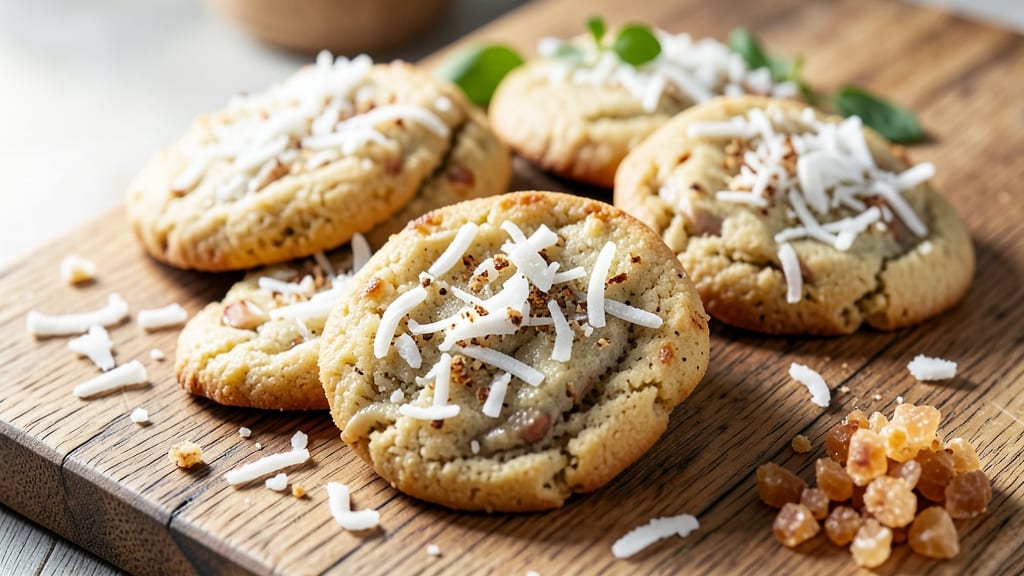
This cassava cookie recipe transforms humble cassava flour into chewy, tropical-tinged cookies that rival classic chocolate chip—without gluten or dairy. 🌿 The secret lies in cassava’s natural bind, creating a tender crumb with subtle sweetness that pairs perfectly with add-ins like toasted coconut or dark chocolate.
I developed this recipe after struggling to find vegan cookies that balanced texture and flavor, and these deliver every time.
The beauty of cassava flour is its ability to mimic traditional flour’s structure while adding a delicate, slightly nutty depth. Here, we blend it with almond flour for richness and coconut sugar for caramel notes that develop during baking.
The dough stays together without overmixing, and the cookies emerge with a golden, crackly edge and soft, pillowy centers—proof that plant-based baking can be just as indulgent as the original.
What makes these cookies truly special is their versatility. Swap in citrus zest for brightness, mix in chopped nuts for crunch, or keep it simple with classic chocolate chips. They bake in 12 minutes per batch, making them perfect for last-minute treats or holiday gifts.
The aroma alone—warm cassava, vanilla, and toasted coconut—will have your kitchen smelling like a tropical escape.
With just 7 simple ingredients, this recipe proves that baking with cassava flour doesn’t require compromise. Whether you’re avoiding gluten, dairy, or simply craving a cookie that’s both chewy and satisfying, these will become your new go-to. Let’s get baking!
Ingredients for cassava cookie
Seven simple ingredients transform cassava flour into tropical-tinged cookies that rival classic chocolate chip—vegan and chewy.
| Ingredient | Amount | Notes |
|---|---|---|
| Cassava Flour 🌾 | 1 ½ cups | Gluten-free, finely milled preferred |
| Almond Flour 🥜 | ½ cup | Blanched for neutral flavor |
| Coconut Sugar 🍯 | ½ cup | Lightly toasted for caramel depth |
| Unsweetened Shredded Coconut 🥥 | ¾ cup | Toasted for enhanced aroma |
| Vegan Butter 🧈 | ½ cup | Full-fat, chilled for dough consistency |
| Pure Vanilla Extract 🌿 | 1 tbsp | High-quality, Madagascar bourbon preferred |
| Salt 🧂 | ½ tsp | Fine sea salt for balanced flavor |
| Dark Chocolate Chips 🍫 | ½ cup | Vegan, 70% cacao minimum |
| Unsweetened Almond Milk 🥛 | 2 tbsp | For dough binding, room temperature |
The cassava flour is the star here—Bob's Red Mill or Anthony's Goods are my go-tos for that perfect fine grind. If you can't find cassava flour locally, Amazon has reliable options, but check the date—it loses potency after 6 months. The almond flour adds richness, so blanched (not almond meal) is key for texture. Toast your shredded coconut in a dry pan for 3-4 minutes until golden—that aroma is everything. For the vegan butter, Miyoko's or Earth Balance work perfectly, but chilled is non-negotiable for dough consistency. Pro tip: measure your coconut sugar by spooning it into the cup and leveling—it packs down.
No cassava flour? Almond flour plus 1 tbsp arrowroot powder mimics the texture (though the flavor won't be identical). Swap dark chocolate chips for vegan white chocolate chips or chopped toasted macadamia nuts—both add crunch. Short on almond milk? Coconut milk or oat milk work, but the fat content might slightly alter the dough's texture. The vanilla extract is where you shouldn't skimp—Madagascar bourbon vanilla has that deep, warm complexity that makes these cookies sing. If you're feeling adventurous, add 1 tsp lime zest to the dough for a citrusy twist that pairs beautifully with the coconut. And yes, you can freeze the dough balls for up to 3 months—just bake straight from frozen, adding 1-2 minutes.
Store your cassava flour in an airtight container in a cool, dark place for up to 12 months. The dough keeps well in the fridge for 5 days wrapped tightly in plastic, but it's best baked fresh. Once baked, these cookies stay soft for 3 days in an airtight container, though they're at their peak on day one. For a tropical vibe, serve with a sprinkle of toasted unsweetened coconut flakes on top. The aroma alone—warm cassava, vanilla, and toasted coconut—will have your kitchen smelling like a tropical escape. Double the recipe; they disappear fast.
Why You'll Love This Recipe
- No-Fuss Mixing: I swear by the 5-minute prep—just toss cassava flour, almond flour, and coconut sugar in a bowl. The vegan butter comes next, and suddenly you’ve got a dough that’s almost too easy to resist.
- Tropical Crunch Magic: That shredded coconut? It’s the star—caramelized edges from the coconut sugar, chewy cassava holding it all together. Honestly, it’s the kind of cookie that disappears in 24 hours.
- Snack or Dessert: Breakfast? Check. Afternoon pick-me-up? Double-check. These hold up in the fridge for a week, so I bake a batch and let them handle my cravings. (Yes, even on a Tuesday night.)
- Budget-Friendly Staples: Almond flour and cassava flour stretch further than most cookie doughs, and coconut sugar adds sweetness without breaking the bank. Here’s what sold me—no specialty ingredients, just smart swaps.
Step-by-step instructions for tropical cassava cookies
Here's how to mix, shape, and bake these tropical cookies with perfect texture every time.
👨🍳 Step 1: Toast the Coconut for Maximum Flavor
Spread the 0.75 cup unsweetened shredded coconut on a parchment-lined baking sheet. Toast in a 350°F oven for 8-10 minutes until golden and fragrant—you'll smell that nutty aroma filling your kitchen. Stir halfway through for even browning. Let it cool completely before using, or the butter will melt too fast when mixed.
This step makes all the difference. Untosted coconut adds moisture without depth, but toasted coconut delivers that caramelized crunch and tropical sweetness that defines these cookies. Don't skip it—your taste buds will thank you.
👨🍳 Step 2: Cream Butter and Sweeteners Until Light
In a stand mixer with paddle attachment, beat the 0.5 cup vegan butter (cut into small cubes) and 0.5 cup coconut sugar on medium speed for 3-4 minutes until pale and fluffy. The mixture should nearly double in volume and leave clean streaks on the bowl when you lift the paddle.
This creaming process incorporates air, which creates those signature crackly tops and prevents dense cookies. If your butter isn't cold enough, the dough will spread too much. Test by pressing a piece—it should hold its shape but leave a slight indent.
🥘 Step 3: Combine Dry Ingredients and Fold Wet
In a separate bowl, whisk together 1.5 cups cassava flour, 0.5 cup almond flour, 0.5 tsp salt, and the toasted coconut. Gradually add this dry mixture to the butter mixture on low speed until just combined—you should still see small flour streaks. Add the 1 tbsp pure vanilla extract and mix for 10 seconds.
Next, fold in the 0.5 cup dark chocolate chips by hand using a silicone spatula. The dough will be thick and slightly sticky. For easier handling, wet your hands with a tiny bit of 2 tbsp unsweetened almond milk before shaping. This ensures the dough doesn't stick to your fingers while maintaining perfect texture.
⏰ Step 4: Chill and Shape for Perfect Cookies
Cover the dough with plastic wrap and refrigerate for at least 1 hour (up to 24 hours). Chilling firms up the butter, which prevents excessive spreading in the oven. It also allows the gluten in the cassava flour to relax, resulting in tender cookies with crisp edges.
Once chilled, preheat your oven to 350°F and line baking sheets with parchment paper. Scoop the dough into 1.5-tablespoon portions (about 1-inch balls) and place them 2 inches apart on the prepared sheets. Flatten each ball slightly with your palm—just enough to create a ½-inch thick cookie with a slight indentation in the center.
🔥 Step 5: Bake to Golden, Chewy Perfection
Bake for 12-14 minutes until the edges are golden brown but the centers still look slightly underdone. The cookies will continue setting as they cool. Let them rest on the baking sheets for 5 minutes before transferring to a wire rack to cool completely.
Here's the pro tip: The cookies will look soft when you take them out, but they'll firm up as they cool. For extra chewiness, press a few chocolate chips into the tops before baking. Serve warm with a glass of coconut milk for the ultimate tropical treat!
Pro Tips For Making Cassava Cookie
- Mix Dry First: Cassava flour and almond flour are sneaky—if you melt the vegan butter first, you’ll end up with a dense, gummy mess. Whisk the dry ingredients (flours, coconut sugar, salt) together before adding any wet components. This ensures even distribution, especially with the coconut sugar, which clumps like a stubborn toddler if not broken up first.
- Toast the Coconut: Unsweetened shredded coconut soaks up moisture like a sponge, turning your cookies into soggy bricks. Pulse it in a food processor for 10 seconds to break up clumps, then toast in a dry pan over medium heat for 3–4 minutes until golden and fragrant. (Yes, even if you’re impatient—this makes a real difference.)
- Chill the Dough: Skipping this step is how you end up with flat, crispy cookies instead of chewy, pillowy ones. Press the dough into a disk, wrap it in plastic, and refrigerate for at least 30 minutes. The cold fat in the vegan butter firms up, preventing excessive spreading when baking—trust me, your cookies will thank you.
- Bake at 325°F: I learned this the hard way—cassava cookies burn faster than they look. Set your oven to 325°F (not 350°F, no matter what other recipes say) and bake for 12–15 minutes. The edges will look set before the centers are fully cooked; a toothpick should come out clean. Overcrowding the tray? Steer clear—give them space to breathe or they’ll turn out like hockey pucks.
Creative variations of cassava cookie
Citrus Zest Twist
Brighten these cookies with 1 tbsp lime zest or orange zest mixed into the dough. The citrus cuts through the coconut sweetness beautifully—think of it as a tropical vacation in every bite.
I like to use organic Meyer lemons for a sweeter, less acidic profile. Pair with white chocolate chips for a creamy contrast that balances the tartness. 🍋
Spiced Chai Version
Add ½ tsp ground cinnamon, ¼ tsp ground cardamom, and ¼ tsp ground ginger to the dry ingredients for a fragrant chai-inspired twist. The spices warm up the cassava flavor while keeping the cookies gluten-free.
Toast ½ cup chopped pecans with the coconut for extra crunch. This variation tastes like a cozy fall dessert with tropical vibes.
Matcha Green Tea
Replace the vanilla extract with 1 tbsp matcha powder for an earthy, umami depth that pairs surprisingly well with coconut. Use ceremonial-grade matcha for the best flavor, and reduce the coconut sugar to ¼ cup since matcha adds natural sweetness.
Fold in ¼ cup chopped macadamia nuts for a buttery crunch that complements the matcha’s grassy notes. 💚
Peanut Butter Swirl
Mix ¼ cup creamy peanut butter into the dough after combining wet and dry ingredients. For a marbled effect, roll the dough into a log, wrap it in parchment, and slice into rounds before baking.
The peanut butter adds protein and a satisfying richness that balances the coconut’s sweetness. Use natural peanut butter with no added sugar for best results.
Coconut Macaroon Fusion
Skip the chocolate chips and increase the shredded coconut to 1 cup for a macaroon-like texture. Add 1 tbsp maple syrup to the dough for extra moisture, and bake at 325°F for 15-17 minutes.
These chewy, coconut-packed cookies have a delicate crumb and a flavor profile that’s pure tropical paradise. Serve with a drizzle of toasted coconut syrup for dipping.
Salted Caramel Drizzle
After baking, let the cookies cool completely, then drizzle with vegan salted caramel sauce (store-bought or homemade). The caramel’s sweetness enhances the cassava’s natural nuttiness, while the flaky salt adds a sophisticated finish.
I like to use Trader Joe’s salted caramel sauce for convenience, but homemade is even better. Let the caramel set for 10 minutes before serving for clean drizzle lines. 🍯
Nutrition facts
Frequently asked questions
Why do these cassava cookies need to chill before baking?
Chilling the dough for at least 1 hour is crucial because cassava flour lacks gluten, so it doesn't hold structure like wheat flour. The cold helps the vegan butter firm up, preventing excessive spreading. It also lets the cassava's natural starches set, giving you those perfect golden edges and chewy centers. Skipping this step often results in flat, cakey cookies instead of the signature texture.
Can I substitute cassava flour with another gluten-free flour?
Yes, but expect texture differences. A 1:1 ratio of almond flour plus 1 tbsp arrowroot powder works best for structure, though the flavor won't be identical. For a closer match, try tapioca starch (same as cassava flour) or coconut flour, but you'll need to add 2 extra tbsp almond milk per cup since coconut flour absorbs moisture aggressively. The cassava's natural sweetness and bind are hard to replicate!
How do I prevent my cookies from spreading too much?
Use cold vegan butter (press it into a cube and refrigerate for 30 minutes) and scoop the dough into 1-inch balls that are 2 inches apart on the baking sheet. Chill the dough balls for 15 minutes before baking if you're impatient. Also, avoid overmixing—the moment the dry ingredients disappear, stop mixing. The cassava flour releases starch when worked too much, leading to gummy cookies.
Are these cookies safe for nut allergies?
Only if you omit the almond flour and chocolate chips. Replace the 0.5 cup almond flour with 0.5 cup oat flour (ensure it's certified gluten-free) and use vegan sunflower seed butter instead of chocolate chips. The cassava base remains nut-free, but always check labels on coconut sugar and vanilla extract for cross-contamination warnings. For extra safety, bake in a nut-free facility if possible.
Why did my cookies turn out too dry?
Overbaking is the most common cause—remove them when edges are just golden (they'll firm up as they cool). Another culprit could be using old cassava flour (over 6 months), which loses moisture-binding properties. Try adding 1 tbsp almond milk to the dough or brushing baked cookies with a little vegan coconut milk for added moisture. For future batches, weigh your flour instead of scooping to ensure accuracy.