
Desserts
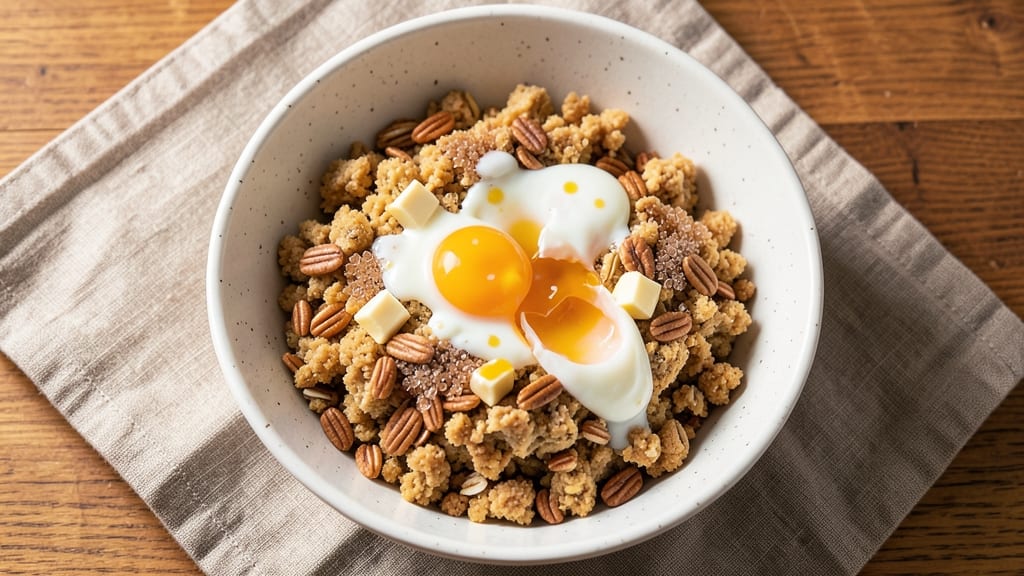
This cake mix oatmeal cookie recipe transforms pantry staples into cookies with that coveted sandpaper crunch—no fancy ingredients required. The secret lies in a simple foil trick that ensures even baking and crisp edges every time. I developed this recipe after years of perfecting the balance between chewy centers and crispy exteriors, and it consistently delivers restaurant-quality results with minimal effort.
The beauty of this method is its simplicity: you start with a basic cake mix, then build texture and flavor through oats, brown sugar, and a few key additions.
The foil trick—placing the dough on parchment-lined foil before baking—creates a crispy, almost crumbly exterior while keeping the centers soft and chewy. This technique eliminates the guesswork of baking times and ensures perfect cookies every batch.
What you'll end up with is a batch of cookies that's crispy on the outside with a satisfying crunch, yet tender and chewy inside. The oatmeal adds a subtle nuttiness that pairs perfectly with the sweetness of the cake mix, creating a flavor profile that's both nostalgic and sophisticated.
These cookies are ideal for holiday gatherings, potlucks, or simply satisfying that afternoon craving.
The best part? This recipe is incredibly versatile—you can customize it with chocolate chips, nuts, or even a sprinkle of sea salt for added depth. Once you try this foolproof method, you'll never go back to store-bought cookies again. Let's get started on creating your perfect batch.
Ingredients for cake mix oatmeal cookie
Pantry staples meet genius baking—these 12 ingredients deliver restaurant-worthy crunch every time.
| Ingredient | Amount | Notes |
|---|---|---|
| Vanilla Cake Mix 🍪 | 1 box | Any brand, no substitutions |
| Old-Fashioned Rolled Oats 🌾 | 1 cup | Not quick oats |
| Light Brown Sugar 🍯 | ½ cup | Packed firmly for accuracy |
| Unsalted Butter 🧈 | ½ cup | Cold, cubed for texture |
| Large Eggs 🥚 | 2 whole | Room temperature preferred |
| Vanilla Extract 🌸 | 1 tsp | Pure, not imitation |
| Baking Soda 🧂 | ½ tsp | Ensures proper rise |
| Diamond Crystal Kosher Salt 🧂 | ½ tsp | Adjust to taste |
| Pure Vanilla Extract 🌸 | 1 tsp | Enhances flavor depth |
| Heavy Whipping Cream 🥛 | ¼ cup | For extra richness |
| Aluminum Foil 📄 | 1 sheet | Heavy-duty preferred |
| Semisweet Chocolate Chips 🍫 | 1 cup | Optional for customization |
Start with the cake mix—any brand works, but Betty Crocker or Pillsbury are my go-tos for consistency. The oats are non-negotiable; Quaker Old-Fashioned gives that perfect sandpaper texture. Brown sugar matters here—light brown adds moisture without overpowering. Grab the butter from the coldest part of your fridge (the back of the fridge) for that perfect cube texture. Vanilla extract? Nielsen-Massey is the gold standard, but any pure extract works. Baking soda and salt are your flavor anchors—measure carefully, but taste the dough before baking to adjust salt if needed.
No vanilla extract? Vanilla bean paste works in a pinch (use half the amount). Running low on butter? Coconut oil is a 1:1 swap, but texture will differ slightly. The foil trick requires heavy-duty foil—don't skimp here. For chocolate lovers, Ghirardelli chips melt beautifully, but any brand works. Need extra crunch? Add chopped pecans or walnuts (about 0.5 cup). The dough is sticky—wet your hands when handling to avoid sticking. And trust me on the cold butter, it's worth the extra minute.
Dough keeps for 3 days in the fridge, wrapped tightly in plastic. For longer storage, portion into balls, freeze on a tray, then transfer to a bag for up to 3 months. Baked cookies stay fresh for 5 days in an airtight container. Pro tip: Store in layers separated by parchment paper to maintain that perfect crunch. Double batches freeze beautifully—just let them cool completely before freezing. These cookies reheat wonderfully; pop in the oven at 300°F for 2-3 minutes to restore crispiness.
Why You'll Love This Recipe
- Foolproof Mix-In Magic: I swear by this trick—just dump the cake mix, oats, and butter in one bowl. No measuring cups, no stress, no mess. The rolled oats add chewiness without extra effort, and the brown sugar caramelizes into that perfect crispy edge.
- Chewy-Crispy Payoff: Between us, the texture is ridiculously good—the cake mix gives that tender crumb, while the oats deliver that satisfying bite. The butter and egg bind it all together like a hug from your favorite baker.
- Snack Attack Ready: These cookies freeze like champs—just scoop, bake, and stash. Need a quick breakfast? Grab one straight from the jar. Or pack them in lunchboxes—they’re the kind of treat that makes teachers smile.
- Pantry Staple Hack: Honestly, this recipe costs me pennies but feels like a splurge. Cake mix and oats are always on hand, and I never waste ingredients. Plus, I can halve the batch if I’m not feeding a crowd—no guilt, just great cookies.
Step-by-step instructions for cake mix oatmeal cookies
Here's the method that transforms basic cake mix into irresistible, sandpaper-crunch oatmeal cookies.
Mix Dry Ingredients for Perfect Texture
In a large mixing bowl, combine the 1 box vanilla cake mix, 1 cup old-fashioned rolled oats, 0.5 cup light brown sugar, 0.5 tsp baking soda, and 0.5 tsp diamond crystal kosher salt. Use a wooden spoon or silicone spatula to break up any lumps in the cake mix and distribute the oats evenly. The oats should be evenly coated in the dry ingredients—this ensures each bite has that signature crunch.
Real talk: Don't skip this step. The cake mix contains leavening agents that need to be evenly dispersed for proper rise. I like to press the mixture through a medium mesh sieve to eliminate any remaining clumps—this guarantees a tender yet sturdy cookie base.
Cream Butter and Wet Ingredients
In a separate medium bowl, beat the 0.5 cup unsalted butter until smooth and creamy—about 1-2 minutes with an electric mixer on medium speed. Add the 2 whole large eggs, 1 tsp vanilla extract, and 1 tsp pure vanilla extract, mixing until fully incorporated. The mixture should be light and airy, with no visible butter flecks remaining.
Here's where it gets fun—add the 0.25 cup heavy whipping cream and mix until smooth. This extra cream makes the cookies irresistibly tender. I know it seems like too much, but trust me: the richness balances the crunch perfectly and prevents dryness. The batter should be thick but pourable—like a soft cookie dough.
Combine Wet and Dry Ingredients
Gradually add the wet mixture to the dry ingredients, mixing on low speed until just combined. Be careful not to overmix—stop as soon as the flour disappears. The dough will be thick and slightly sticky. Fold in the 1 cup semisweet chocolate chips by hand using a rubber spatula, ensuring even distribution throughout the dough.
This is the moment that matters: let the dough rest for 10 minutes at room temperature. This brief pause allows the flour to fully hydrate and the gluten to relax, which prevents tough cookies. While waiting, preheat your oven to 350°F—this ensures the cookies bake evenly from the start.
Shape and Foil Trick for Sandpaper Crunch
Using a cookie scoop or tablespoon, portion the dough into 1-inch balls and place them 3 inches apart on a parchment-lined baking sheet. Here's the secret: line a second baking sheet with 1 sheet aluminum foil and place it upside-down on top of the cookies. Press gently but firmly to flatten each cookie to about ¼-inch thickness. This foil trick creates that coveted sandpaper texture on the bottom.
Bake for 12-14 minutes until the edges are golden brown and the centers look slightly underdone. The foil will help create that signature crunch while keeping the cookies tender inside. Don't overbake—you want them to set up in the oven but continue cooking slightly on the baking sheet.
Cool and Enjoy Warm Cookies
Remove the foil and let the cookies cool on the baking sheet for 5 minutes before transferring to a wire rack. This brief resting period allows the cookies to set slightly while maintaining their crispy texture. Serve warm for the ultimate experience—each bite delivers that perfect balance of chewy centers, crispy edges, and rich chocolate pockets.
I press down gently on the foil during the first minute—this prevents the cookies from curling and ensures even contact with the pan. The result is a cookie with a crisp, almost crumbly bottom that contrasts beautifully with the soft interior. Store any leftovers in an airtight container for up to 5 days, but I guarantee they won't last that long.
Pro Tips For Making Cake Mix Oatmeal Cookie
- CHOP OATS FIRST: Skip the "just add them whole" mistake—pulse rolled oats in a food processor for 10 seconds. You’re not turning them into flour, just breaking up the largest flakes so they soften evenly. I used to skip this and ended up with chewy pockets where the oats stayed raw in the center.
- MEASURE BUTTER COLD: Take the unsalted butter straight from the fridge and scoop it into the dry ingredients using a spoon. No need to soften it—this keeps the dough from spreading too much when baking. I learned this the hard way after watching my first batch turn into thin, sad pancakes instead of thick cookies.
- UNDERBAKE SLIGHTLY: Pull the cookies out when the edges are set but the centers still look slightly underdone. They’ll firm up as they cool, and you’ll avoid the dry, cakey texture that happens when you bake them to golden perfection. Use a toothpick test—it should come out with a few moist crumbs, not wet batter.
- SWAP BROWN SUGAR FOR WHITE: Replace half the light brown sugar with granulated white sugar if you want a crispier edge and a less caramelized flavor. The dough will spread less, and the texture becomes more balanced—less dense, more tender. I do this when I’m craving a cookie that’s closer to a shortbread than a chewy oatmeal bar.
Wine and beer pairings for this dish
Creamy Dessert Wines
These rich, oatmeal-spiced cookies pair beautifully with sweet dessert wines that complement their caramelized edges and chewy centers. A Moscato d'Asti from Italy—light, fizzy, and bursting with peach and apricot notes—cuts through the butter richness while enhancing the vanilla flavors.
Look for brands like Saracco or La Spinetta for that perfect balance of sweetness and acidity. 🍷
Spiced Rum Pairings
For a boozy twist, serve warm cookies with spiced rum—the caramel and cinnamon notes in the rum mirror the cookie's brown sugar and vanilla. I love Captain Morgan Original Spiced Rum or Bacardi Limón for a citrusy contrast.
Add a splash of warm milk for a grown-up cookie milk experience that's perfect for holiday gatherings.
Coffee Liqueur Finishing
Drizzle a few drops of Kahlúa coffee liqueur over warm cookies for an adult-friendly dessert. The deep coffee flavors create a sophisticated contrast to the cookie's sweetness. For an extra touch, sprinkle with crushed hazelnuts—the nutty crunch complements both the cookie and the liqueur beautifully. 💫
Creamy Beer Options
If you prefer beer, a Belgian-style witbier like Stella Artois Wit or Hoegaarden works surprisingly well. The citrusy coriander and light maltiness balance the cookie's richness without overpowering it. For a darker option, try a honey brown ale—the caramel notes enhance the cookie's brown sugar flavor profile.
Warm Milk Classic
Don't underestimate the power of a classic warm milk pairing—especially with a splash of vanilla extract to echo the cookie's flavor. For extra indulgence, add a dollop of whipped cream and a sprinkle of cinnamon. This timeless combination lets the cookie's textures shine while providing a comforting, creamy contrast.
Espresso Martini Twist
For coffee lovers, an espresso martini made with vanilla vodka and a dash of orange liqueur creates a sophisticated pairing. The bold coffee flavors stand up to the cookie's richness, while the vodka's smoothness complements the chewy texture. Serve with a sprinkle of cocoa powder for an elegant finish.
Nutrition facts
Frequently asked questions
Why do these oatmeal cookies need aluminum foil?
The foil creates that signature sandpaper crunch by pressing the dough flat and helping it bake evenly. When placed upside-down on the cookies, it prevents curling while developing crisp edges. Without it, you'll miss that satisfying texture contrast between the chewy center and crisp exterior!
Can I use quick oats instead of old-fashioned rolled oats?
Not for this recipe! Quick oats will make the cookies too soft and gummy. Old-fashioned rolled oats give that perfect crunchy texture we're aiming for. If you only have quick oats, toast them in a dry pan for 3-4 minutes first to mimic the texture slightly.
How do I prevent the cookies from spreading too much?
Chill the dough balls for 15 minutes before baking, and press them firmly with the foil. Also, make sure your oven is fully preheated to 350°F—a hot oven prevents excessive spreading. The foil trick itself helps contain the edges for that perfect shape.
Can I make these cookies gluten-free?
You can try, but results may vary. Use a 1:1 gluten-free flour blend and replace the cake mix with a gluten-free version. The texture will be different—likely more crumbly—and the crunch might not be as pronounced. For best results, stick with traditional ingredients.
Why does the recipe call for both vanilla extract and vanilla bean paste?
Pure vanilla extract provides the base flavor, while the additional vanilla bean paste adds depth and those tiny specks of vanilla bean. If you don't have paste, double the extract (use 2 tsp total) for similar results. The extra richness makes these cookies taste like homemade!