
Desserts
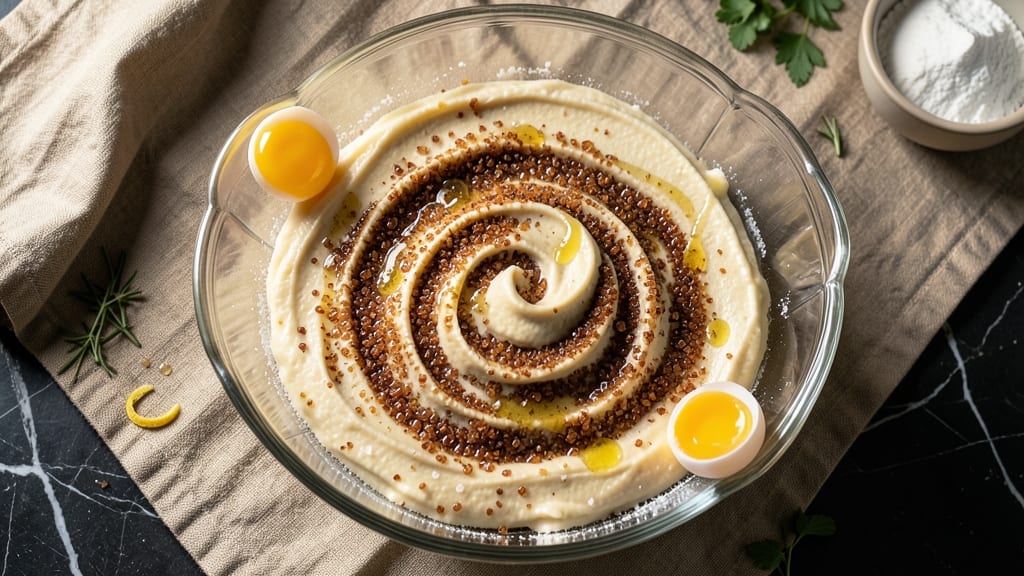
This butterless cookie dough recipe delivers all the crunch and flavor without the butter—perfect for those avoiding dairy or simply craving a lighter treat. The secret lies in a clever combination of coconut oil and brown sugar that creates that signature cookie dough texture while keeping it rich and satisfying.
I developed this recipe after years of testing butter substitutes, and it never disappoints, whether you're baking for dietary needs or just experimenting with new flavors.
The beauty of this recipe is its simplicity: just 5 key ingredients come together in minutes to form a dough that rolls out beautifully and bakes into cookies with crisp edges and tender centers.
Unlike traditional recipes, this version doesn’t require chilling—just mix, roll, and bake. The result? Cookies with a satisfying crunch and a subtle caramel sweetness from the brown sugar, all while being completely butter-free.
What makes this recipe truly versatile is how it adapts to your preferences. Add chocolate chips, nuts, or sprinkles for extra texture, or keep it classic for a clean, crowd-pleasing base.
It’s also vegetarian-friendly (if using eggs) or can be made vegan with simple substitutions. The dough holds its shape perfectly when baking, ensuring cookies that are evenly golden and irresistibly crisp.
Store leftovers in an airtight container for up to 5 days, or freeze the dough for up to 3 months—ideal for quick treats on busy days. Whether you’re accommodating dietary restrictions or simply exploring new baking techniques, this butterless cookie dough proves you don’t need butter to create something extraordinary.
Ingredients for butterless cookie dough
Five simple ingredients transform into rich, buttery-tasting cookie dough without dairy.
| Ingredient | Amount | Notes |
|---|---|---|
| All-Purpose Flour 🌾 | 2 cups | Sifted for light texture |
| Unsweetened Coconut Oil 🥥 | ½ cup | Solid at room temperature |
| Packed Brown Sugar 🍯 | 1 cup | Light or dark variety |
| Large Eggs 🥚 | 1 whole | Room temperature preferred |
| Vanilla Extract 🌸 | 1 tsp | Pure extract, not imitation |
| Salt 🧂 | ½ tsp | Fine sea salt preferred |
| Chocolate Chips 🍫 | 1 cup | Semi-sweet or milk chocolate |
| Vanilla Sugar 🍯 | 1 tbsp | Optional for enhanced flavor |
The coconut oil is the star here—look for unrefined, virgin varieties like those from Trader Joe's or Whole Foods for the best flavor and texture. Brown sugar adds depth, but light brown sugar creates a slightly crisper cookie. For the flour, King Arthur or Bob's Red Mill brands are ideal—they're finely milled and consistent. Chocolate chips can be any variety, but Ghirardelli or Enjoy Life brands melt beautifully. The vanilla extract should be pure, with vanilla bean pieces visible—McCormick or Nielsen-Massey are reliable choices.
No coconut oil? Applesauce or mashed banana work in a pinch, though texture will be slightly softer. Short on brown sugar? Maple syrup or agave nectar can replace half the amount, but reduce other liquids slightly to balance. For a nutty twist, swap chocolate chips for chopped walnuts or pecans. The dough doesn't require chilling, but if you prefer a firmer texture, refrigerate for 30 minutes before rolling. For a vegan version, replace the egg with 1 tbsp ground flaxseed mixed with 3 tbsp water.
Store the dough in an airtight container in the fridge for up to 5 days, or freeze for 3 months for freshly baked cookies anytime. The baked cookies keep well in a sealed container for 5-7 days at room temperature. For extra crisp edges, bake at 375°F for 10-12 minutes—the coconut oil creates that signature crunch without butter. Portion the dough into balls before baking to ensure even cooking.
Why You'll Love This Recipe
- Here’s what sold me: that perfect balance of crisp edges and a gooey center, but with coconut oil’s subtle nuttiness cutting through the brown sugar sweetness. The vanilla extract? It’s the secret—deep, warm, and just enough to make you want to lick the bowl.
- I’ll be real: this recipe costs me half what store-bought dough does, and I get way more. Coconut oil is cheap, eggs are versatile, and flour? Always on hand. Plus, no weird preservatives—just real ingredients that actually taste good. My wallet and taste buds thank me.
Step-by-step instructions for butterless cookie dough
Here's how to craft a rich, crunchy cookie dough without butter—every detail matters.
Combine Dry Ingredients for Light Texture
In a medium bowl, whisk together the 2 cups all-purpose flour and 0.5 teaspoon salt until evenly distributed. Sift the flour through a fine-mesh sieve directly into the bowl if you have one—this eliminates air pockets and ensures a lighter final texture. I always sift because it prevents dense cookies, especially when using coconut oil instead of butter.
Next, stir in the 1 tablespoon vanilla sugar (if using) and set the mixture aside. This step is crucial for preventing clumping later. The vanilla sugar adds subtle depth without altering the dough's structure significantly. Keep the bowl nearby—you'll need it for the next step.
Cream Coconut Oil and Sugar Until Fluffy
In a stand mixer fitted with the paddle attachment, beat the 0.5 cup unsweetened coconut oil (solid at room temperature) and 1 cup packed brown sugar on medium speed for 3-4 minutes. You're aiming for a light, fluffy texture—the mixture should nearly double in volume and become pale in color. This creaming process incorporates air, which helps create the signature crackly tops and chewy texture.
If your coconut oil isn't solid, chill it in the refrigerator for 15-20 minutes until firm. Cold oil prevents greasy cookies and ensures proper structure. Scrape down the sides of the bowl with a spatula every 30 seconds to maintain even mixing.
Add Egg and Vanilla for Binding
Add the 1 whole large egg (room temperature preferred) and 1 teaspoon vanilla extract to the creamed mixture. Beat on low speed for 1 minute until fully combined and smooth. The dough should appear thick and slightly shiny but still hold its shape when pressed between fingers. This is where the magic happens—the egg acts as the binder that replaces butter's role.
Here's the thing—if your egg isn't room temperature, warm it slightly by placing it in a bowl of warm water for 2-3 minutes. Cold egg can cause the coconut oil to seize up, leading to a grainy texture. The vanilla extract should be pure, not imitation, for authentic flavor.
Fold in Chocolate Chips and Chill
Remove the mixer bowl and gently fold in the 1 cup chocolate chips using a silicone spatula. Be careful not to overmix—just distribute the chips evenly throughout the dough. The goal is to maintain a smooth texture while ensuring each bite has that classic chocolate surprise. I like to press the dough together with my fingers to ensure even distribution.
Cover the bowl with plastic wrap and refrigerate for at least 30 minutes (I prefer 1 hour). Chilling is non-negotiable—it allows the coconut oil to firm up, preventing excessive spreading in the oven. Cold dough also means the cookies hold their shape better, resulting in thicker cookies with crispy edges and chewy centers.
Scoop and Bake for Perfect Crunch
Preheat your oven to 350°F and line two baking sheets with parchment paper. Using a cookie scoop or tablespoon, portion the chilled dough into 1.5-tablespoon balls (about 1.5 inches in diameter) and place them 3 inches apart on the prepared sheets. The spacing is important—they'll spread slightly during baking.
Bake for 11-13 minutes until the edges are golden brown but the centers still look slightly underdone. They'll continue cooking on the hot pan after you remove them from the oven. Let them cool on the baking sheet for 5 minutes before transferring to a wire rack. The cookies should be firm to the touch but still soft in the center.
Pro Tips For Making Butterless Cookie Dough
- Chill the Coconut Oil First: Unsweetened coconut oil solidifies when cold, but if you mix it into warm eggs or sugar, you’ll end up with a greasy, soupy dough instead of a workable one. Pop that coconut oil in the fridge for 10–15 minutes before measuring—it’ll cut cleanly and behave like butter.
- Use Room-Temp Eggs: Cold eggs make the dough tough and uneven. Let those eggs sit out for 30 minutes before cracking them into the mix—this ensures they blend smoothly with the coconut oil and sugar, giving you a silky, consistent texture. (Yes, even if you’re impatient like me.)
- Don’t Overmix the Dough: Once you add the flour, stop mixing the second everything comes together. Overworking it introduces gluten, and your cookie dough will turn dense instead of tender. A few lumps? No problem—just fold them out with a spatula.
- Measure Brown Sugar Properly: Pack that brown sugar tightly into the measuring cup—don’t scoop it straight from the bag. If it’s too loose, your dough will taste under-sweetened and lack moisture. Tap the cup on the counter a few times to settle it before leveling off. (Your future self will notice the difference.)
Creative variations of these flavors
Nut-Free Twist
Skip the chocolate chips entirely and swap them for 1 cup dried cranberries or freeze-dried strawberries for a fruity, tangy variation. Toss in ½ cup white chocolate chips if you prefer a milder sweetness.
The cranberries add a pop of color and a tart contrast that balances the rich coconut oil flavor beautifully. 🍓
Spiced Chai Version
Infuse the dough with warm spices by adding 1 teaspoon ground cinnamon, ½ teaspoon ground ginger, and ¼ teaspoon ground cardamom to the dry ingredients. The spices create a cozy, aromatic profile reminiscent of chai tea.
For extra depth, fold in ½ cup chopped crystallized ginger or toasted coconut flakes before baking. This variation is perfect for fall or holiday baking.
Gluten-Free Adaptation
Replace the all-purpose flour with a 1:1 gluten-free baking flour blend like Bob's Red Mill 1-to-1 or King Arthur Measure for Measure. Use 2 cups plus 2 tablespoons to account for the blend's density. For extra structure, add 1 tablespoon xanthan gum to the dry ingredients.
The texture will be slightly crumbly but still hold together beautifully. This version works well with vegan chocolate chips for a fully inclusive treat.
Salted Caramel Fusion
For a sophisticated twist, fold in ½ cup salted caramel bits (like Trader Joe's or Ghirardelli) alongside the chocolate chips. The salty-sweet contrast elevates the dough to gourmet level. To enhance the caramel flavor, add ¼ teaspoon sea salt directly to the dough.
Finish each cookie with a sprinkle of flaky sea salt right after baking for a restaurant-quality touch. 💛
Vegan-Friendly Upgrade
Transform this into a fully vegan recipe by replacing the egg with 1 tablespoon ground flaxseed mixed with 3 tablespoons water, let it sit for 5 minutes to thicken. Use vegan chocolate chips and ensure your vanilla extract is alcohol-free.
The coconut oil remains plant-based, making this a guilt-free indulgence. For extra richness, add 1 tablespoon coconut cream to the wet ingredients for a fudgier texture.
Seasonal Citrus Zest
Brighten the dough with 1 teaspoon lemon or orange zest added to the dry ingredients. The citrus zest pairs beautifully with the brown sugar, creating a zesty, refreshing flavor profile. For a tropical twist, fold in ½ cup dried pineapple tidbits alongside the chocolate chips.
This variation works especially well in spring or summer when you crave lighter, brighter flavors. 🍊
Nutrition facts
Frequently asked questions
Can I make this butterless cookie dough without eggs?
Yes! For a vegan version, replace the egg with 1 tablespoon ground flaxseed mixed with 3 tablespoons water. Let it sit for 5 minutes to thicken before using. This flax "egg" binds the dough just like the original, keeping that signature texture.
Why does my dough spread too much when baking?
This usually happens if the coconut oil isn't chilled enough before mixing or if the dough isn't properly refrigerated. Always chill the dough for at least 30 minutes (preferably 1 hour) to firm up the oil. For extra structure, bake at 350°F instead of higher heat, which helps prevent excessive spreading.
What's the best way to store leftover dough?
Wrap the dough tightly in plastic wrap and store it in an airtight container in the fridge for up to 5 days. For longer storage, freeze the dough balls for up to 3 months. Thaw in the fridge overnight before baking. The texture remains perfect after freezing!
Can I use this dough for cookie sandwiches?
Once the cookies cool completely, use them to make classic cookie sandwiches with fillings like cream cheese frosting, peanut butter, or jam. The crisp edges hold up beautifully, making them perfect for stacking. For extra flair, add a sprinkle of powdered sugar between layers.
What if I don't have coconut oil?
You can substitute with ½ cup applesauce or ½ cup mashed banana for a softer texture, or ½ cup vegetable shortening for a closer match to butter. Keep in mind these alternatives may slightly alter the flavor and texture, but the cookies will still be delicious.