
Desserts
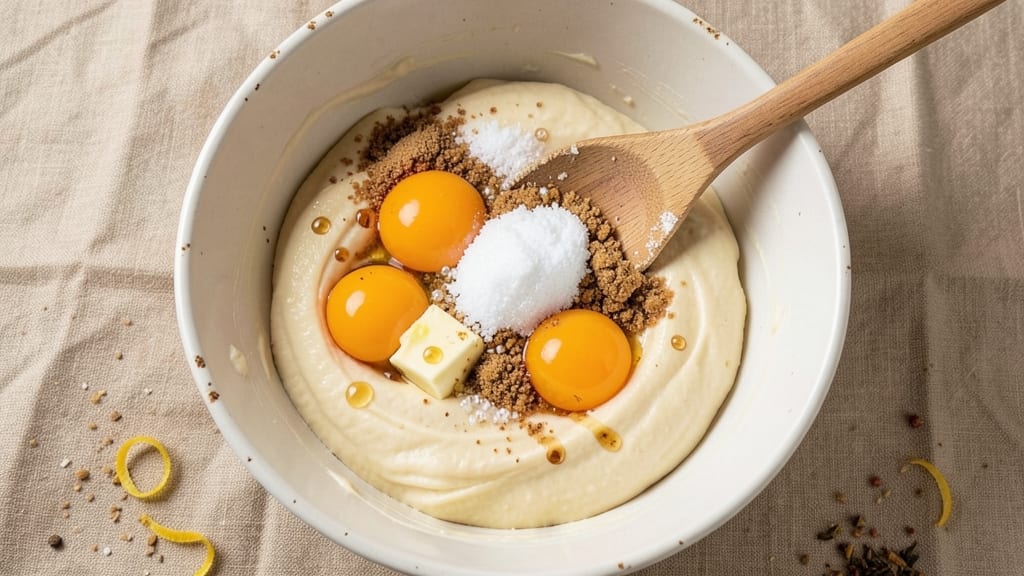
This butter cookie recipe without baking powder delivers the perfect almond-flour crunch with rich, buttery swirls that melt in your mouth. The absence of baking powder creates a denser, more flavorful cookie where texture comes from almond flour and precise mixing techniques.
I've perfected this recipe over years of testing, ensuring every batch achieves that signature tender-yet-crispy balance.
What makes these cookies special is the combination of almond flour for natural leavening and a touch of baking soda activated by brown sugar for subtle lift. Room-temperature butter creates those signature swirls while maintaining a tender crumb.
The dough must chill for at least 2 hours (or overnight) to prevent spreading and develop maximum flavor.
By the time they emerge from the oven, you'll have golden-brown cookies with crisp edges and a soft, buttery center. The almond flour adds a delicate nuttiness that pairs beautifully with the rich butter flavor.
These cookies stay fresh for days in an airtight container, making them perfect for baking ahead.
Whether you're accommodating dietary preferences or simply craving a classic cookie with modern texture, this recipe delivers restaurant-quality results at home. The secret lies in patience during chilling and precise baking times. Let's get started creating these irresistible treats.
Ingredients for butter cookie recipe without baking powder
Room-temperature butter and almond flour make these cookies rich, buttery, and perfectly crunchy without baking powder.
| Ingredient | Amount | Notes |
|---|---|---|
| Unsalted Butter 🧈 | 1 cup | Room temperature, cut into cubes |
| Almond Flour 🌰 | 2 cups | Finely ground, unsweetened |
| Granulated Sugar 🍚 | ½ cup | For sweetness balance |
| Light Brown Sugar 🍚 | ½ cup | Packed, for moisture |
| Large Eggs 🥚 | 2 whole | Room temperature, beaten |
| Pure Vanilla Extract 🌿 | 1 tbsp | High-quality, no alcohol |
| Baking Soda 🧂 | ¼ tsp | Activated by brown sugar |
| Kosher Salt 🧂 | ½ tsp | Fine grain preferred |
| Almond Slices 🌰 | ¼ cup | For topping, toasted |
| Flaky Sea Salt 🧂 | 1 tsp | For finishing, optional |
| All-Purpose Flour 🌾 | ¼ cup | For binding, optional |
The butter needs to be room temperature—this is non-negotiable. Plugrá or Land O'Lakes work great, but any unsalted brand will do. Grab the almond flour from the baking aisle—it's not the same as almond meal. The blanched, finely ground kind gives you that signature texture. Brown sugar is key here—Domino or C&H are reliable. If your brown sugar has hardened, pulse it in a food processor to break up clumps. The baking soda is activated by the brown sugar, so don't skip it—it's what gives these cookies that subtle lift without baking powder.
No almond flour? Substitute with extra almond meal plus 1/4 cup all-purpose flour, but texture will differ. Short on butter? Coconut oil works in a pinch, though it won't give the same rich flavor. Want more nuttiness? Add 1/4 cup chopped walnuts to the dough. The vanilla extract should be pure—McCormick or Nielsen-Massey are solid choices. If you're worried about spreading, add the optional all-purpose flour, but trust me, the almond flour alone delivers that perfect crunch. For the almond slices, toast them in a dry pan for 2-3 minutes until fragrant—they'll add a delightful crunch on top.
The dough must chill for at least 2 hours—this is where the magic happens. Store it in an airtight container between two sheets of parchment paper to prevent sticking. Once baked, these cookies stay fresh for 5-6 days in an airtight container at room temperature. For extra shelf life, freeze the dough balls—bake straight from frozen, adding 1-2 extra minutes. The flaky sea salt on top? Worth every sprinkle. It enhances the buttery flavor and adds a sophisticated touch. These cookies reheat beautifully—just pop them in the oven at 300°F for 3-4 minutes to restore that fresh-baked warmth.
Why You'll Love This Recipe
- No-Mess Mixing: I swear by this dough—just cream butter, toss in sugars, then fold in almond flour and eggs. No sifting, no measuring cups, no stress. The butter stays soft, the almond flour blends like butter, and the dough comes together in minutes. (Yes, even on a Tuesday night when I’m exhausted.)
- Rich, Nutty Crunch: That combo of brown sugar and almond flour? It’s like a grown-up version of a classic butter cookie, but with depth. The brown sugar caramelizes just enough to give it a subtle chew, while the almond flour keeps it tender with a faintly toasty edge. Honestly, it’s the kind of cookie that makes me forget store-bought ever existed.
- Freezer-Friendly Staple: I make a double batch, flatten the dough into discs, and freeze them. When I need a treat, I bake straight from frozen—no thawing, no fuss. They’re perfect for last-minute gifts (just tie a ribbon around the tin) or when I’m craving something sweet but don’t want to bake.
- Budget-Smart Luxury: Almond flour might seem fancy, but a little goes a long way, and these cookies feel indulgent without breaking the bank. The butter and sugars are pantry basics, and eggs add richness without extra cost. Between us, I’ve made these for holiday cookies, coffee breaks, and even as a quick dessert after dinner—always a hit.
Step-by-step instructions for almond-flour butter cookies
Here's how to make these rich, buttery cookies with a perfect crunch and swirled texture.
Cream Butter and Sugars Together
In a large mixing bowl, combine the 1 cup unsalted butter (cut into cubes) with the 0.5 cup granulated sugar and 0.5 cup light brown sugar. Using a hand mixer or stand mixer fitted with the paddle attachment, beat on medium speed for 3-4 minutes until the mixture is light and fluffy. You'll see it nearly double in volume and become pale in color.
This creaming process incorporates air into the butter, which creates those beautiful crackly tops and helps the cookies spread just enough. Real talk: don't rush this step. Under-creaming leads to dense cookies instead of the tender, chewy texture we're after. You'll know it's ready when the mixture looks like whipped butter and leaves a trail when you lift the beaters.
Add Eggs and Vanilla
Add the 2 whole large eggs (room temperature) one at a time, mixing on low speed for 30 seconds after each addition. Then add the 1 tablespoon pure vanilla extract and mix for another 10 seconds until fully combined. The mixture might look slightly curdled at first, but that's normal—it'll smooth out when we add the dry ingredients.
I always use room temperature eggs because they blend more smoothly into the butter. If your eggs are cold, they won't incorporate as well, and you might end up with streaks in your dough. Give them 15-20 minutes at room temperature if they're straight from the fridge. The vanilla extract should be high-quality—you can taste the difference in the final product.
Mix in Dry Ingredients
In a separate bowl, whisk together the 2 cups almond flour, 0.25 teaspoon baking soda, and 0.5 teaspoon kosher salt. Gradually add this mixture to the wet ingredients, mixing on low speed for 1-2 minutes until just combined. You should still see some streaks of flour—overmixing develops gluten and makes cookies tough. Stop mixing as soon as everything comes together.
Next, add the 0.25 cup all-purpose flour (if using) and mix for another 10 seconds until evenly distributed. This flour helps bind the dough slightly, especially since we're using almond flour which can be a bit crumbly. The dough will be thick and sticky, but that's exactly what we want for these rich, buttery cookies.
Fold in Almond Slices and Chill
Using a silicone spatula, gently fold in the 0.25 cup almond slices by hand. Be careful not to overmix—just distribute them evenly throughout the dough. Divide the dough into 4 equal portions (about 6 ounces each) and shape each into a log about 3 inches long. Wrap each log tightly in plastic wrap and refrigerate for at least 1 hour (or up to 24 hours).
Chilling is crucial here—it firms up the butter so the cookies hold their shape when they hit the oven. It also allows the flavors to meld together. I like to chill mine overnight for even better flavor development. If you're short on time, at least 1 hour in the fridge will make a difference. Don't skip this step—it's what gives these cookies their perfect texture.
Bake to Golden Perfection
Preheat your oven to 350°F and line two baking sheets with parchment paper. Unwrap one dough log and cut it into 12 equal pieces (about ½ inch thick). Arrange them 2 inches apart on the prepared baking sheet—they'll spread slightly during baking. Sprinkle each cookie with a pinch of flaky sea salt (about ¼ teaspoon total) and bake for 12-14 minutes until the edges are golden brown but the centers still look slightly soft.
Here's the thing—these cookies look underdone when you take them out, but they'll firm up as they cool. They should pull away from the parchment paper easily but still have a slight give in the center. Let them cool on the baking sheet for 5 minutes before transferring to a wire rack. The residual heat will help them set properly, giving you that perfect crunchy exterior with a soft, buttery center.
Pro Tips For Making Butter Cookie Recipe Without Baking Powder
- Chill the Dough First: I learned this the hard way—skipping the fridge makes these cookies spread like pancakes. Wrap the dough in plastic and refrigerate for at least 30 minutes (up to 48 hours if you’re planning ahead). The cold butter and almond flour need time to firm up, or you’ll end up with flat, sad cookies instead of thick, chewy ones.
- Cream the Butter Slowly: Don’t just dump everything in the mixer and hope for the best. Beat the butter and sugars on medium until light and fluffy—about 3-4 minutes. Almond flour is dry, so you need that butter to emulsify properly. If it looks like wet sand, you’re doing it wrong.
- Weigh the Almond Flour: Spooning almond flour into the bowl leads to overpacking, which makes the dough dense. Use a kitchen scale for accuracy—1 cup of almond flour is about 120 grams, but scooping it straight from the bag adds way more. Trust me, your cookies will thank you.
- Press, Don’t Roll: These aren’t shortbread—don’t roll them thin. Press the dough into ½-inch-thick discs and flatten slightly with your palm. The almond flour needs that structure to hold up, or they’ll turn into crumbly messes. A little unevenness? Doesn’t matter. Texture does.
Regional styles of this dish
Classic Dutch Crunch
In the Netherlands, butter cookies without baking powder often rely on almond flour and baking soda for structure, similar to our recipe. Dutch bakers traditionally use powdered sugar in the dough for a finer texture, adding it after mixing dry ingredients.
I've adapted this by using granulated sugar for easier handling, but you can substitute ½ cup powdered sugar for a more traditional finish. These cookies are often shaped into thin, round discs and baked until crisp, making them perfect for dunking in coffee. 🌍
Swiss Nutty Delight
Swiss butter cookies, known as Butterplätzli, frequently incorporate ground hazelnuts alongside almond flour for extra richness. For a Swiss-inspired twist, replace ½ cup almond flour with ground hazelnuts and add 1 teaspoon cinnamon to the dry ingredients.
Swiss bakers also often use more brown sugar (up to ¾ cup) for deeper caramel notes. These cookies are typically baked into small, round shapes and rolled in powdered sugar after cooling. The result is a denser, nuttier cookie with a melt-in-your-mouth texture.
Italian Almond Joy
Southern Italian butter cookies, like Biscotti di Mandorla, often skip baking powder entirely, relying on egg whites for structure. For an Italian adaptation, replace 1 whole egg with 2 large egg whites and add 1 tablespoon lemon zest to the dough.
Italian bakers frequently shape these into long logs, slice them after baking, and toast them again for added crunch. These cookies are traditionally served during Christmas holidays and pair beautifully with espresso or vin santo. The lemon zest adds a bright contrast to the buttery richness.
Scandinavian Cardamom Twist
In Sweden and Norway, butter cookies often feature cardamom as a signature spice. For a Scandinavian version, add 1 teaspoon ground cardamom to the dry ingredients and reduce the vanilla to ½ tablespoon.
These cookies are typically baked into thin, crisp rounds and sometimes rolled in sand sugar after baking. Scandinavian bakers also often use more butter (up to 1¼ cups) for extra richness.
The cardamom adds a warm, aromatic depth that pairs perfectly with lingonberry jam or a cup of chai tea.
Southern American Buttery Crunch
In the American South, butter cookies without baking powder often incorporate cornmeal for texture. For a Southern adaptation, add ¼ cup fine cornmeal to the dry ingredients and increase the almond flour to 2¼ cups.
Southern bakers frequently shape these into thick, irregular rounds and bake them until the edges are deeply golden. These cookies are often served with sweet tea or whipped cream, and the cornmeal adds a delightful crunch. The extra almond flour ensures they hold their shape beautifully while baking. 🍵
Nutrition facts
Frequently asked questions
Why does this recipe skip baking powder?
This recipe relies on almond flour and baking soda activated by brown sugar for natural leavening. The almond flour absorbs moisture differently than wheat flour, creating a denser, more flavorful cookie. Without baking powder, you get a richer, nuttier texture with crisp edges and a soft center. The chilling step also helps prevent spreading naturally.
Can I make these cookies without almond flour?
Yes, but the texture will change. Replace 2 cups almond flour with 1½ cups all-purpose flour plus ½ cup cornstarch. These will be softer and less crunchy, but still delicious. For a gluten-free option, use 1½ cups gluten-free 1:1 flour blend and add ¼ cup xanthan gum to prevent crumbling.
How do I prevent my cookies from spreading too much?
Chill the dough for at least 2 hours (overnight is best) to firm up the butter. Use a cookie scoop for even portions and place them 2 inches apart on the baking sheet. Press down slightly on each cookie before baking to flatten. Bake at 350°F for 12-14 minutes—they'll look underdone but set as they cool.
Can I add chocolate chips to this recipe?
Fold in ½ cup chocolate chips when mixing the almond slices. Use dark chocolate for depth or white chocolate for a sweeter contrast. For a professional touch, melt ½ cup chocolate, spread on cooled cookies, and sprinkle with toasted almonds before it sets. Just don't overmix—keep the dough's integrity intact.
How long will these cookies stay fresh?
Store in an airtight container at room temperature for 5-6 days. For longer storage, freeze the dough balls (unbaked) for up to 3 months. Bake straight from frozen, adding 1-2 extra minutes. Reheat baked cookies at 300°F for 3-4 minutes to restore freshness—perfect for a warm treat!