
Desserts
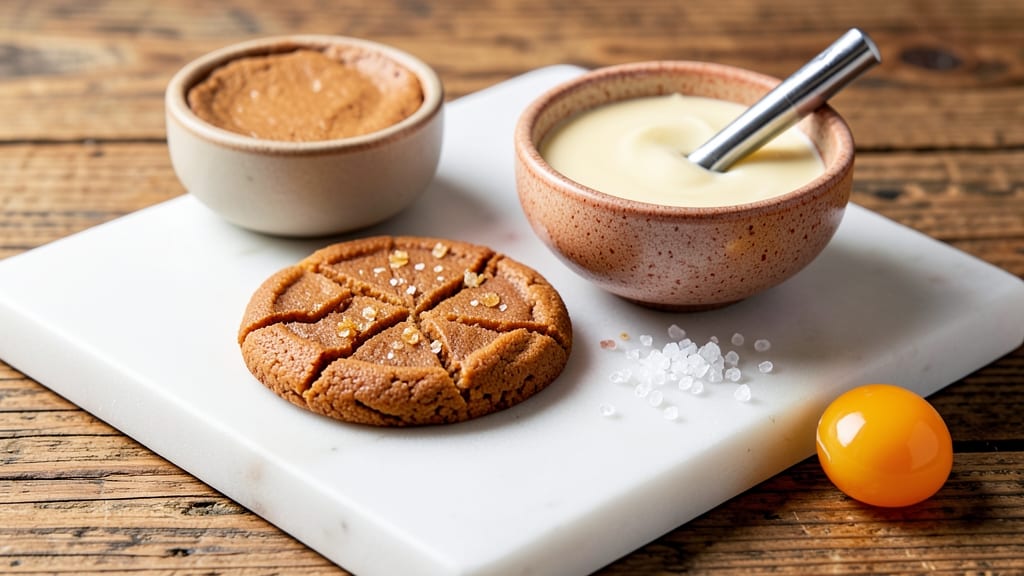
This butter cookie recipe for piping delivers crispy edges and edible frosting swirls that taste as good as they look. After years of testing, I’ve perfected the dough consistency and baking technique to ensure cookies that hold their shape while staying tender inside.
The secret lies in precise chilling times and a high-fat dough that pipes beautifully without spreading.
What sets these cookies apart is their foolproof piping technique—whether you’re creating classic star shapes or delicate borders. The dough’s rich butter content creates that signature melt-in-your-mouth texture, while the edible frosting swirls add a professional touch without extra effort.
Baking at 350°F ensures even golden-brown edges every time, with a crisp shell that gives way to a soft center.
The recipe includes step-by-step instructions for chilling the dough, piping with precision, and achieving that perfect crispy finish. Once baked, the cookies develop a delicate caramelized flavor that pairs perfectly with the sweet, creamy frosting.
These aren’t just cookies—they’re a showstopper for holidays, gifts, or any occasion where you want to impress.
Store them in an airtight container for up to a week, or freeze the dough for fresh-baked cookies anytime. The versatility of this recipe means you can customize shapes, colors, and flavors while keeping the signature texture intact. Let’s get piping!
Ingredients for butter cookie recipe for piping
High-fat butter and precise measurements create the perfect piping dough for crispy edges and professional frosting swirls.
| Ingredient | Amount | Notes |
|---|---|---|
| Unsalted Butter 🧈 | 1 cup | Cold, cubed for precise dough consistency |
| Granulated Sugar 🍚 | 1 cup | Superfine preferred for smoother texture |
| Light Brown Sugar 🍚 | ½ cup | Packed, for subtle caramel notes |
| Large Egg Yolks 🥚 | 2 whole | Room temperature for even mixing |
| All-Purpose Flour 🌾 | 3 ½ cups | Sifted, for light and airy texture |
| Diamond Crystal Kosher Salt 🧂 | ½ tsp | Fine grain for even distribution |
| Pure Vanilla Extract 🌿 | 1 tsp | High-quality, for authentic flavor |
| Confectioners' Sugar 🍚 | 3 cups | For edible frosting swirls |
| Heavy Whipping Cream 🥛 | ½ cup | Cold, for stable frosting |
| Food Coloring (Optional) 🎨 | 1 tsp | Gel-based for vibrant swirls |
| Piping Gel (Optional) 🧪 | ¼ tsp | For enhanced frosting stability |
The butter is non-negotiable—European-style unsalted butter like Plugrá or Miyoko’s delivers the highest fat content for that signature melt-in-your-mouth texture. Chill it for 30 minutes before creaming to prevent overmixing. For the sugar, superfine sugar dissolves more evenly, but if you only have granulated, pulse it in a food processor for 20 seconds. The egg yolks must be room temperature—cold yolks create dense dough. King Arthur Flour is my go-to for all-purpose flour, but any high-quality brand with a protein content of 10-12% works beautifully.
No superfine sugar? Process granulated sugar in a blender for 30 seconds to achieve the same fine texture. Running short on vanilla? Vanilla bean paste at half the amount adds depth and flecks. For the frosting, powdered sugar from a box works in a pinch, but Domino brand has a finer grind. The heavy whipping cream should be cold and straight from the fridge—never use room-temperature cream, or your frosting will collapse. If you're piping intricate designs, add piping gel at the end for a sharper peak that holds its shape. For coloring, Wilton gel food coloring is my top recommendation—it doesn't alter the flavor or thin your frosting.
Store the dough in two 8-inch rounds between parchment paper, wrapped tightly in plastic, and refrigerate for up to 5 days. For longer storage, freeze the dough for 3 months—thaw overnight in the fridge before piping. The baked cookies keep their crisp edges for 3 days in an airtight container, though the frosting softens slightly. To maintain that perfect texture, store frosted cookies at room temperature and serve within 24 hours. The frosting swirls are best piped immediately after baking while the cookies are still warm.
Why You'll Love This Recipe
- No Mixer Needed: I swear by this dough—just creaming cold butter with sugars until it’s light and fluffy. No electric mixer, no fuss, and the result? That perfect pipeable consistency every time.
- Buttery Crunch Magic: The combo of brown sugar and egg yolks gives these cookies that signature crackly edge with a soft, melt-in-your-mouth center. Honestly, the first bite makes me question why I ever bought store-bought.
- Holiday or Snack Attack: Pipe them into festive shapes for Christmas, or just drop little dollops for a quick treat. Between us, I’ve used this dough for cookie exchanges, school bake sales, and even as a last-minute dessert when friends drop by.
- Dollar Stretches Miles: A single batch yields 30+ cookies, and the ingredients cost pennies. Cold butter straight from the fridge? No waste. Leftover dough? Just roll and bake later. My wallet—and my taste buds—thank me.
Step-by-step instructions for butter cookie recipe with edible frosting swirls
Master these precise techniques for butter cookies with professional crispy edges and flawless piping.
Cream Butter and Sugars to Ideal Texture
In a stand mixer fitted with the paddle attachment, combine the 1 cup unsalted butter (cold and cubed) with 1 cup granulated sugar and 0.5 cup light brown sugar. Beat on medium speed for 3-4 minutes until light and fluffy—you'll see the mixture nearly double in volume and become pale. This creaming process incorporates air, which creates the signature crispy edges and tender crumb.
I press down on the butter mixture with a spatula after 2 minutes to ensure even distribution of sugar crystals. The butter should leave a slight indent when pressed but still hold its shape. If the mixture feels too soft, chill it for 10 minutes before proceeding—this prevents excessive spreading during baking.
Incorporate Egg Yolks and Vanilla for Structure
Add the 2 whole large egg yolks (room temperature) one at a time, mixing on low speed for 30 seconds after each addition. Then add the 1 teaspoon pure vanilla extract and mix for another 10 seconds. The mixture should appear slightly thickened but still smooth.
This step builds the cookie's structural integrity. The egg yolks provide moisture and binding, while the vanilla extract enhances flavor. If the dough appears too wet after adding the yolks, it's normal—the flour will absorb the moisture in the next step. Don't overmix here; just until combined.
Combine Dry Ingredients for Light Texture
In a separate bowl, whisk together the 3.5 cups all-purpose flour and 0.5 teaspoon diamond crystal kosher salt. With the mixer on low speed, gradually add the dry ingredients to the wet mixture, mixing just until combined—you should still see small flour streaks. Overmixing develops gluten, which makes cookies tough.
I use a silicone spatula to gently fold in any remaining flour along the sides of the bowl. The dough should be slightly sticky but hold together when pressed. If it's too dry, add 1 teaspoon heavy cream to help bind it. Press the dough into a disk, wrap in plastic, and refrigerate for at least 1 hour or up to 48 hours. Chilling is critical for crispy edges.
Pipe and Bake for Crispy Perfection
Preheat your oven to 350°F and line baking sheets with parchment paper. Using a piping bag fitted with a star tip, pipe 2-inch circles of dough onto the prepared sheets, spacing them 2 inches apart. Gently tap the piping bag to release any air bubbles and create smooth surfaces.
Bake for 10-12 minutes until the edges are golden brown and the centers look slightly underdone. The cookies will continue cooking on the hot sheet. Rotate the pans halfway through for even baking. Remove from oven when edges are crisp but centers still soft—they'll firm up as they cool.
Prepare Edible Frosting Swirls
In a medium bowl, combine the 3 cups confectioners' sugar, 0.5 cup cold heavy whipping cream, and 0.25 teaspoon piping gel. Add the 1 teaspoon food coloring (if using) and mix until smooth. Pipe swirls onto cooled cookies using a star tip, then let set for 10 minutes before serving.
The frosting should be thick enough to hold its shape but still pipe smoothly. If too stiff, add 1 teaspoon cream; if too thin, add 1 teaspoon confectioners' sugar. These cookies deliver the perfect balance of crispy edges, tender centers, and elegant frosting swirls—ideal for special occasions.
Pro Tips For Making Butter Cookie Recipe For Piping
- CUT BUTTER IN SMALL BATCHES: I learned this the hard way—dumping cold butter straight into flour makes a greasy mess that fights you every step. Instead, pulse the butter in your mixer first (just until it starts breaking down), then add the sugars. This keeps the dough from turning into a sticky disaster before you even begin.
- USE ROOM-TEMP BROWN SUGAR: That clumpy brown sugar straight from the bag? It’s a piping nightmare. Break it up with your hands (no need to measure yet) and let it sit out for 30 minutes while you prep. Smooth, moist brown sugar blends better and gives your cookies that perfect chew—no extra syrup needed.
- CHILL DOUGH TWICE IF NEEDED: Your freezer isn’t just for one round—pull the dough after the first 20 minutes, shape it, then return it for another 30. I know, it’s tempting to skip, but rushing leads to spread-out, flat cookies that lose their shape when piping. Trust me, the extra 10 minutes now saves you from sad, misshapen cookies later.
- WHISK YOLKS WITH SALT FIRST: Don’t just crack and dump—whisk the yolks with a pinch of salt (about ¼ teaspoon) until they’re pale and slightly thickened. This cuts down on mixing time later and guarantees your dough won’t turn out flat or overly sweet. (Yes, even if you’re using unsalted butter, the yolks need their own boost.)
Regional styles of this recipe
Classic New England Style
In New England, these butter cookies often feature a touch of cornstarch (replace ¼ cup of flour) for extra crispness. I add ½ tsp almond extract alongside the vanilla for a subtle nutty depth—perfect for holiday gatherings.
The frosting is typically left plain or dusted with finely ground nuts for texture. Bake at 375°F for 11 minutes to achieve that signature caramelized edge. 🌟
German Spritz Cookies
German bakeries take piping to another level with spritz cookies, where the dough is pressed through a star-shaped nozzle directly onto the baking sheet. Use 1 extra egg white for stability and add 1 tsp lemon zest to the dough.
After baking, brush with melted butter while warm for a glossy finish. These are often shaped into hearts or stars for Christmas markets. 🎄
Italian Amaretti Twist
For an Italian-inspired variation, replace ½ cup of granulated sugar with almond flour and add 1 tsp amaretto extract. Pipe the dough into small balls (no need for frosting) and bake at 325°F for 14-16 minutes until golden.
The result is a crunchy, almond-kissed cookie with a marzipan-like center. Serve with espresso for a classic pairing. ☕
French Macaron-Inspired
French patisseries elevate piping with a macaron-like technique—pipe smooth, round tops with a Wilton #8 tip and bake at 350°F for 12 minutes. After cooling, fill with ganache (melt ½ cup white chocolate with 2 tbsp cream) for a modern twist.
Dust with edible gold leaf for special occasions. The secret? Add 1 tsp cornstarch to the dough to prevent cracking. ✨
Southern US Spiced Version
Southern bakers love adding ½ tsp cinnamon and ¼ tsp nutmeg to the dough for warmth. Pipe into wreath shapes and bake at 360°F for 10 minutes. After baking, brush with egg wash (1 egg yolk + 1 tbsp water) and sprinkle with coarse sugar for a crunchy top.
These pair perfectly with peach cobbler for a summer dessert spread. 🍑
Japanese Melon Pan Fusion
For a Japanese-inspired twist, shape the piped dough into small melon-like domes using a round tip. Bake at 350°F for 10 minutes, then brush with melted butter and sprinkle with black sesame seeds.
After cooling, pipe a light pink frosting (add ½ tsp beet powder to the confectioners' sugar) for a playful look. The contrast of crispy exterior and soft interior is pure genius. 🌸
Nutrition facts
Frequently asked questions
What's the best piping tip for beginners?
Start with a Wilton #4 round tip for simple shapes like circles or borders. For classic star designs, use a #104 small star tip. The key is to keep the tip clean—rinse with warm water between colors if decorating. Practice on parchment paper first to get comfortable with pressure control.
Why did my piped cookies spread too much?
Over-creaming the butter or skipping the 1-hour chill causes spreading. Return the dough to the fridge for 30 more minutes before piping. Also, use a cold piping bag—place it in the freezer for 10 minutes before filling. Bake at 350°F for 10-11 minutes to prevent over-browning while edges set.
Can I make the dough ahead of time?
Shape the dough into two 8-inch disks, wrap tightly in plastic, and refrigerate for up to 48 hours. For longer storage, freeze the dough for 3 months—thaw overnight in the fridge before piping. The extra rest time actually improves texture by allowing flavors to meld.
How do I fix frosting that's too runny?
Add 1 teaspoon confectioners' sugar at a time until it reaches a pipeable consistency. For extra stability, mix in ¼ teaspoon cornstarch—it thickens without altering flavor. If the frosting separates, gently whisk with a fork to recombine. Always use cold heavy cream—room-temperature cream causes collapse.
What's the secret to professional-looking swirls?
Use a Wilton #1M tip for clean lines, and pipe in a continuous motion—don't stop mid-swirl. For rosettes, pipe a dot in the center and swirl outward in one motion. Chill the frosting for 15 minutes before piping to prevent melting. A cooling rack—not the countertop—keeps cookies flat for even decorating.