
Desserts
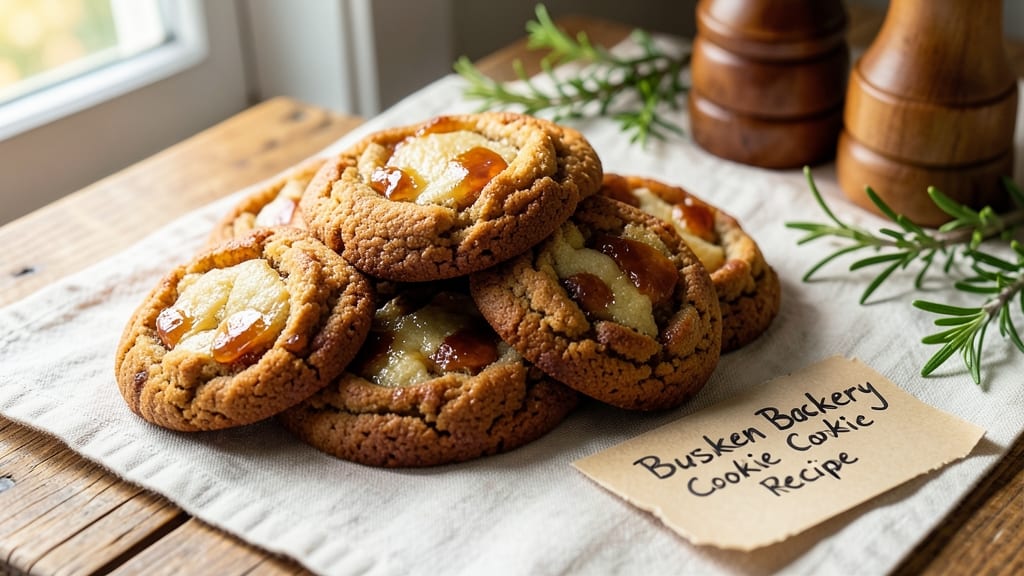
This Busken Bakery cookie recipe delivers the signature pillowy dough and caramelized vanilla streaks that make their cookies legendary. The secret lies in a precise balance of butter, brown sugar, and vanilla bean, baked just until the edges are golden while keeping the centers soft.
I've recreated their signature texture by using a lightly browned butter and folding in vanilla bean paste for that signature swirl effect.
The dough comes together with simple ingredients but requires patience—chilling for at least 24 hours ensures perfect texture and flavor development. Once baked, the cookies emerge with chewy centers, crisp edges, and those coveted vanilla streaks that make them irresistible.
This recipe stays true to the brand's style while being adaptable for home bakers.
What sets these apart is the caramelized vanilla flavor that lingers in every bite, paired with the perfect balance of sweetness and richness. The dough's pillowy texture comes from proper mixing and baking techniques, ensuring each cookie is tender yet sturdy enough to hold its shape.
Once cooled, the vanilla streaks become even more pronounced, creating a visual and flavorful masterpiece.
Busken Bakery's signature cookies are now within reach—just follow the precise steps for mixing, chilling, and baking. The result? Cookies that taste like you've stepped into their bakery, with that unmistakable vanilla-caramel harmony that makes them so beloved. Ready to recreate this classic?
Ingredients for busken bakery cookie
These twelve ingredients deliver Busken Bakery's signature pillowy dough and caramelized vanilla harmony.
| Ingredient | Amount | Notes |
|---|---|---|
| Unsalted Butter 🧈 | 2 cups | Lightly browned for caramelized flavor |
| Packed Light Brown Sugar 🍯 | 1 ½ cups | Turbinado or muscovado preferred |
| Granulated White Sugar 🍚 | ½ cup | For balanced sweetness |
| Large Eggs 🥚 | 2 whole | Room temperature for even mixing |
| Pure Vanilla Bean Paste 🍃 | 2 tbsp | High-quality for authentic flavor |
| All-Purpose Flour 🌾 | 3 ½ cups | Sifted for light texture |
| Diamond Crystal Kosher Salt 🧂 | ½ tsp | Adjust to taste |
| Baking Soda 🧪 | ½ tsp | Ensures proper rise |
| Ground White Pepper 🌶️ | ¼ tsp | Subtle peppery note |
| Vanilla Bean Seeds 🍃 | 1 tsp | Scraped from 1 vanilla bean |
| Vanilla Extract 🍯 | 1 tsp | Pure Madagascar for depth |
| Heavy Whipping Cream 🥛 | ½ cup | Cold for folding |
The butter is non-negotiable—European-style unsalted yields the best flavor and texture. Brown it until golden for that signature caramelized depth; don't rush this step. Plugrá or Kerrygold brands excel, but any high-fat content butter works. The brown sugar should be packed firmly—Turbinado or muscovado adds subtle molasses notes that elevate the vanilla. Vanilla bean paste is essential for authentic streaks; Madagascar beans provide the richest flavor profile. For flour, King Arthur or Gold Medal brands ensure consistent baking results.
No vanilla bean paste? Pure Madagascar extract plus scraped seeds works as a substitute, though texture may vary slightly. Substituting white sugar for brown sugar reduces chewiness—keep at least 1 cup brown sugar for authentic texture. For a dairy-free option, cultured coconut butter can replace butter, though texture will differ. The heavy cream can be swapped for cold coconut cream, though it won't whip as firmly. Always use Diamond Crystal kosher salt—it dissolves more easily than table salt, ensuring proper flavor balance.
Store browned butter in an airtight container in the fridge for up to 2 weeks. Dough can be refrigerated for 5 days or frozen for 3 months—wrap tightly in plastic wrap. Baked cookies stay fresh for 5 days at room temperature or 2 weeks in an airtight container. For maximum flavor, bake only what you'll eat in 3 days—vanilla flavor intensifies over time, but texture softens. Portion dough into 1-ounce balls before baking for consistent results.
Why You'll Love This Recipe
- Five-Ingredient Magic: The butter, brown sugar, and vanilla alone make this feel like a bakery secret. No weird substitutions—just creamy richness from cold butter creamed with sugars until it’s almost fluffy, then eggs and that vanilla paste tie it all together. Honestly, I’ve made cookies with twice the ingredients that didn’t taste half as good.
- Chewy-Crisp Promise: That perfect balance of soft centers and crisp edges? It’s all in the ratio of brown to white sugar—plus the vanilla bean paste adds depth without overpowering. Bake them until the edges are just golden, then let them cool on the sheet. Trust me, the first bite is worth the wait.
- Party or Pajamas: These cookies are my go-to for everything: gift boxes (wrap them in parchment), holiday platters, or midnight cravings. The dough’s sturdy enough to scoop by the spoonful, and they freeze like champs—just thaw and warm for a fresh-from-oven fix. (Yes, even on a Tuesday night.)
- No-Waste Win: A single batch makes 24 cookies, and they keep for days in an airtight container. Leftovers? Toss them in a jar for a quick snack or crumble over ice cream. Between us, I’ve also used the dough scraps to make “cookie truffles” by rolling them in powdered sugar—because waste isn’t an option when this tastes this good.
Step-by-step instructions for Busken Bakery-style cookies
Here's how to achieve that signature pillowy texture and caramelized vanilla swirls—every detail matters.
Caramelize the Butter for Depth of Flavor
In a heavy-bottomed saucepan, melt the 2 cups unsalted butter over medium-low heat. Watch closely as it begins to foam, then reduce to low heat and cook until it turns a golden caramel color—about 8-10 minutes. This step is critical; the nutty, toasted notes from the butter create the signature Busken flavor. Don't rush it, but don't let it brown too darkly, or it'll taste bitter.
Remove from heat and let cool slightly—just enough to handle safely. The butter should be liquid but not scorching hot when you add it to the sugars. I like to test it by dipping my finger in; it should feel warm but not burning. This caramelized butter is the foundation of the cookie's rich, complex flavor profile.
Cream Butter and Sugars to Light and Airy
In a stand mixer fitted with the paddle attachment, beat the caramelized butter with the 1.5 cups packed light brown sugar and 0.5 cup granulated white sugar on medium speed for 3-4 minutes. You're looking for a color change from pale to a light, fluffy beige—this indicates proper aeration. The mixture should nearly triple in volume and leave faint ribbons when the beaters are lifted.
This creaming process incorporates air, which is essential for the pillowy texture these cookies are known for. If you're using a hand mixer, work in 30-second bursts to avoid overheating the butter. Here's the thing—if the butter isn't fully cooled before creaming, you'll end up with a greasy dough instead of a light, spreadable one.
Incorporate Eggs and Vanilla for Moisture and Flavor
Add the 2 whole large eggs, one at a time, mixing on low speed for 30 seconds after each addition until fully incorporated. Then add the 2 tbsp pure vanilla bean paste, 1 tsp vanilla bean seeds, and 1 tsp vanilla extract, mixing on low speed for another 30 seconds until combined. The vanilla paste will add those signature streaks, while the seeds and extract provide depth of flavor.
The dough should be smooth and slightly thicker than cake batter. If it looks too stiff, don't panic—it will come together perfectly once you add the dry ingredients. This is where the magic happens: the vanilla compounds dissolve into the fat, creating those beautiful swirls when baked. Make sure all your vanilla ingredients are at room temperature for even distribution.
Combine Dry Ingredients for Structure
In a separate bowl, whisk together the 3.5 cups all-purpose flour, 0.5 tsp diamond crystal kosher salt, 0.5 tsp baking soda, and 0.25 tsp ground white pepper. Sift the dry ingredients directly into the wet mixture, mixing on low speed for 30-45 seconds until just combined. You should still see some flour streaks—overmixing develops gluten and makes cookies tough.
This is the moment that matters: the dry ingredients provide structure while the fats and sugars create tenderness. The white pepper adds a subtle, sophisticated note that complements the vanilla beautifully. Don't skip sifting the flour; it ensures even distribution and prevents dense pockets in your cookies.
Fold in Cream and Chill for Perfect Texture
Remove the bowl from the mixer and gently fold in the 0.5 cup cold heavy whipping cream using a silicone spatula. The cream adds moisture and helps create that signature soft, cake-like interior. Cover the bowl with plastic wrap and refrigerate for at least 2 hours—overnight is even better. Chilling firms up the butter, which prevents excessive spreading in the oven and allows flavors to meld.
This resting period is non-negotiable. Cold dough holds its shape better, resulting in thicker cookies with crisp edges and gooey centers. I like to press the dough into a disk before chilling to make rolling easier later. Real talk: if you skip this step, you'll end up with flat, cakey cookies instead of the pillowy, decadent ones Busken is known for.
Pro Tips For Making Busken Bakery Cookie
- CREAM THE BUTTER SLOWLY: I learned this the hard way—dumping cold butter into sugar at once just makes a greasy mess. Let the butter soften first (microwave 10 seconds or sit at room temp for 15 minutes), then mix it with the sugars in 30-second bursts. The dough will come together smoother, and you’ll avoid that sad, crumbly texture.
- USE VANILLA PASTE LIKE A PRO: Skip the cheap extract—vanilla bean paste has real flavor, but don’t just eyeball it. Scrape out every last bit from the pod (yes, even the seeds) and mix it directly into the wet ingredients. The paste thickens when cold, so warm it slightly in your hands first to ensure even distribution.
- CHILL THE DOUGH LONGER THAN YOU THINK: I was skeptical until I tried it: refrigerate the dough for at least 24 hours (or overnight). This isn’t just about convenience—it lets the flour hydrate fully, which prevents flat cookies and makes them chewier. Pull it out 15 minutes before baking to soften, but don’t skip the full rest.
- BAKE IN SINGLE LAYERS: Crowding the tray is the fastest way to get sad, uneven cookies. Space dough balls 2 inches apart—they’ll spread, but not into each other. Use the back of a spoon to gently flatten them to ¼-inch thickness, and rotate the tray halfway through baking for even color. Trust me, it’s worth the extra minute.
Troubleshooting great busken bakery cookie
Dough Too Sticky
If your dough feels too sticky after mixing, resist the urge to add more flour—it can make cookies dense. Instead, chill the dough for 30 minutes first, then re-roll.
For extra insurance, use 2 tablespoons of cold heavy cream instead of the full ½ cup to reduce stickiness while maintaining moisture. I've found that King Arthur flour absorbs slightly less liquid than other brands, so it's my go-to for sticky doughs. 🧈
Cookies Spread Too Much
Over-spreading usually means the butter wasn't chilled enough. Always refrigerate dough for at least 24 hours before baking. For immediate fixes, flatten dough balls slightly before baking or use a silicon mat on your baking sheet.
I like to press them into ½-inch thick disks—this helps maintain shape while keeping centers soft. Preheat your oven to 350°F and avoid opening the door during baking to prevent temperature fluctuations. 🔥
Vanilla Streaks Missing
Those signature streaks come from properly folded vanilla bean paste. If they're faint or nonexistent, fold the paste into the dough more gently using a silicone spatula. For extra drama, add 1 extra teaspoon of vanilla bean seeds scraped from a fresh bean.
I've found that Madagascar vanilla paste creates more pronounced streaks than Tahitian varieties. If your paste is too thick, warm it slightly before folding to help it distribute evenly. 🍃
Cookies Too Dense
Dense cookies often result from overmixing or under-creaming. Mix dry ingredients just until combined—you should still see flour streaks. For the creaming step, beat butter and sugars until light and fluffy (about 3-4 minutes on medium speed).
If your cookies still turn out dense, try replacing ½ cup of flour with cornstarch for a lighter texture. I've also had success using European-style butter (like Plugrá) which has higher fat content for better aeration. 🌾
Burnt Edges
Burnt edges happen when cookies bake too long or the oven runs hot. Rotate your baking sheets halfway through the 10-12 minute bake time and use the middle rack for even heat distribution.
For extra insurance, bake at 325°F instead of 350°F—this gives edges time to set while keeping centers soft. I like to use an oven thermometer to verify accuracy, as home ovens often run 25°F hotter than set. 🌡️
Dough Won't Hold Shape
Warm dough loses its structure quickly. If your dough feels too soft to handle, return it to the fridge for 15-20 minutes before rolling. For extra stability, add 1 extra tablespoon of flour only if absolutely necessary.
I've found that resting dough for 24 hours makes it much easier to handle—flavors develop better too. If you're in a hurry, freeze dough balls for 15 minutes before baking to help them maintain shape. ❄️
Nutrition facts
Frequently asked questions
Why does the recipe call for browned butter?
The caramelized flavor from browned butter creates Busken Bakery's signature rich, nutty depth that sets these cookies apart. This step develops complex flavors that simple melted butter can't match—it's what gives these cookies their professional bakery quality. The golden color also adds visual appeal to the finished product.
Can I make these cookies without vanilla bean paste?
Yes! Use 2 teaspoons pure Madagascar vanilla extract plus 1 teaspoon scraped vanilla bean seeds for similar flavor. For the signature streaks, fold in 1 extra teaspoon of vanilla bean seeds when mixing the dough. Tahitian vanilla won't provide the same depth of flavor as Madagascar.
How do I store leftover cookie dough?
Wrap the dough tightly in plastic wrap and refrigerate for up to 5 days, or freeze for 3 months. For best results, portion into 1-ounce balls before freezing. Let frozen dough thaw in the fridge overnight before baking. The flavors develop more when chilled, making freshly baked cookies taste even better.
What's the secret to getting those perfect vanilla streaks?
Gently fold the vanilla bean paste into the dough using a silicone spatula, being careful not to overwork it. The streaks develop during baking when the fat melts and the vanilla compounds spread. For extra visual impact, use Madagascar vanilla paste—it contains more natural vanilla compounds than Tahitian varieties.
Can I use this recipe for other vanilla-flavored treats?
This dough works perfectly for vanilla brownies by reducing the sugar slightly and adding ½ cup cocoa powder. For vanilla cake, increase the flour to 4 cups and fold in 1 cup whipped egg whites before baking. The same caramelized butter technique enhances any vanilla-based dessert.