
Desserts
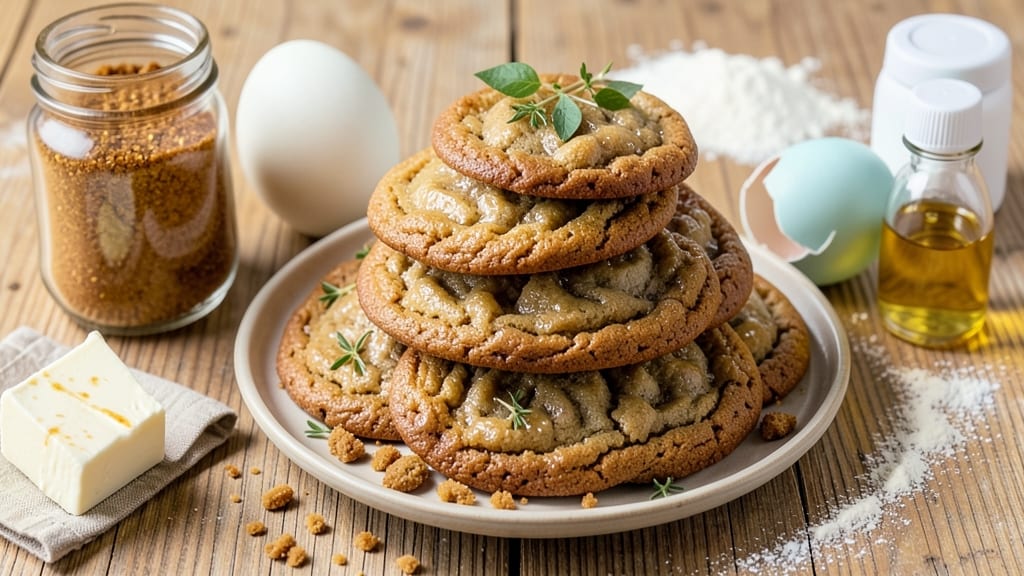
This brown sugar drop cookie recipe delivers the perfect balance of sandpaper crunch and vanilla bean sweetness—a classic Southern treat with restaurant-quality texture. The key lies in the precise ratio of brown sugar to butter, which creates that signature caramelized bite while keeping the centers soft and chewy.
I've baked these cookies for years, and this version consistently produces the ideal texture: crisp edges that give way to tender, melt-in-your-mouth centers with visible vanilla streaks.
The recipe relies on simple ingredients—butter, brown sugar, vanilla, and flour—but the technique makes all the difference. Creaming the butter and sugar until light and fluffy incorporates air, which helps the cookies spread just enough to develop that coveted crispness.
A touch of vanilla bean paste (or extract) infuses deep, aromatic flavor without overpowering the rich brown sugar taste. The dough is thick and sticky, which is exactly how it should be for authentic drop cookies.
Baked at 350°F for 10–12 minutes, these cookies emerge with golden, crackly edges and a caramelized top that looks almost too good to eat. The secret to avoiding flat cookies?
Scooping the dough into 1½-inch balls and spacing them 2 inches apart on the sheet—just enough room to spread without crowding. The result is a cookie with layered texture: crisp on the outside, chewy inside, and flecked with vanilla streaks that taste like a warm hug.
Perfect for holiday gatherings, potlucks, or a cozy weeknight treat, these cookies stay fresh for 5 days in an airtight container or freeze beautifully for up to 3 months.
For extra indulgence, add chocolate chips or pecans to the dough, or dust with a pinch of flaky salt before baking. Let’s get baking—your kitchen will smell like nostalgia in minutes.
Ingredients for brown sugar drop cookie
Butter, brown sugar, and vanilla transform into restaurant-quality cookies with crisp edges and chewy centers.
| Ingredient | Amount | Notes |
|---|---|---|
| Unsalted Butter 🧈 | 1 cup | Cold, cubed for creaming |
| Packed Light Brown Sugar 🍚 | 1 ½ cups | Turbinado or granulated |
| Large Eggs 🥚 | 2 whole | Room temperature preferred |
| Pure Vanilla Extract 🌿 | 2 tsp | Or 1 tbsp vanilla bean paste |
| All-Purpose Flour 🌾 | 2 ½ cups | Sifted, spooned and leveled |
| Baking Soda 🧂 | ½ tsp | Pure, not baking powder |
| Diamond Crystal Kosher Salt 🧂 | ½ tsp | Fine grain preferred |
| Flaky Sea Salt 🧂 | ¼ tsp | For sprinkling before baking |
| Semisweet Chocolate Chips 🍫 | 1 cup | Optional, added last |
| Pecans 🌰 | ½ cup | Chopped, optional |
The butter must be cold—cut it into cubes and let it sit at room temperature for just 30 minutes before creaming. Light brown sugar (not dark) gives that signature caramelized bite, and Turbinado adds subtle crunch if you want extra texture. Eggs should be room temperature for even mixing, though cold works in a pinch. For vanilla, vanilla bean paste delivers those visible streaks mentioned in the intro, but extract works perfectly fine if that's what you have. King Arthur or Gold Medal flour are my go-tos for consistent texture—they're finely milled and sift easily. Baking soda and salt are non-negotiable for that proper drop cookie flavor balance.
No vanilla bean paste? Double the extract—just stir it into the butter during creaming for even distribution. Substituting chocolate chips? Use high-quality chips like Ghirardelli—they melt better and taste superior. Pecans can be swapped for walnuts or macadamias, but toast them first for deeper flavor. The dough will be thick and sticky, which is exactly what you want—don't be tempted to add extra flour. If you're worried about spreading, chill the dough for 30 minutes before scooping. For a nut-free version, simply omit the pecans or chocolate chips entirely.
This dough keeps for 3 days in the fridge, wrapped tightly in plastic. For longer storage, portion into balls and freeze them on a tray before transferring to a bag—bake straight from frozen, adding 1-2 minutes to the time. Cookies stay fresh at room temperature for 5 days in an airtight container, though they're best enjoyed within 2 days. The caramelized tops? Let them cool completely before storing—they'll crisp up even more as they sit. Double batches freeze beautifully for 3 months, making these perfect for holiday baking marathons.
Why You'll Love This Recipe
- Five-Ingredient Magic: I swear by this recipe—just butter, brown sugar, eggs, vanilla, and flour. That’s it. No fancy mix-ins, no stress, and the result? A cookie so simple you’ll forget how little effort it took.
- Caramel Crunch Core: The moment the edges crisp and the center stays soft—that’s the payoff. Brown sugar’s deep molasses notes pair with buttery richness, and the vanilla ties it all together like a warm hug in cookie form.
- Party or Pantry: These work for holidays, potlucks, or just because. Double the batch, freeze half, and you’ve got a backup for when life gets busy. (Yes, even on a Tuesday night.)
- Budget Baking Win: A single batch costs pennies but feels like a treat. The ingredients are cheap, the yield is high, and the leftovers? They disappear faster than I can say “second cup of coffee.”
Step-by-step instructions for brown sugar drop cookies
Mastering these cookies delivers that signature sandpaper crunch with vanilla bean swirls—here's how to perfect the texture and flavor.
Cream the Butter and Brown Sugar
In a stand mixer fitted with the paddle attachment, combine the 1 cup unsalted butter (cold, cubed) and 1.5 cups packed light brown sugar. Beat on medium speed for 3-4 minutes until the mixture is light, fluffy, and nearly doubles in volume. The sugar should dissolve completely, and the butter should be pale in color with ribbons forming when the paddle is lifted.
This creaming process incorporates air, which creates the signature crackly tops. I press down on the paddle occasionally to ensure even blending. If the mixture feels too warm, chill the bowl in the refrigerator for 10 minutes before proceeding—this prevents excessive spreading during baking.
Add Eggs and Vanilla Extract
Add the 2 whole large eggs, one at a time, mixing on low speed for 30 seconds after each addition. Scrape down the sides of the bowl to ensure the eggs are fully incorporated. Then add the 2 teaspoons pure vanilla extract and mix for another 10 seconds until combined.
The eggs bind the dough while the vanilla extract enhances the caramel notes from the brown sugar. If using vanilla bean paste, whisk it into the eggs before adding to the mixture. Here's the thing—don't overmix at this stage. The dough should be smooth but still slightly thick, resembling wet sand.
Combine Dry Ingredients
In a separate bowl, whisk together the 2.5 cups all-purpose flour, 0.5 teaspoon baking soda, and 0.5 teaspoon diamond crystal kosher salt. Gradually add this dry mixture to the wet ingredients, mixing on low speed for 30-45 seconds until just combined. Avoid overmixing—you should still see small flour streaks in the dough.
Overmixing develops gluten, which leads to tough cookies. I use a silicone spatula to fold in the 1 cup semisweet chocolate chips and 0.5 cup chopped pecans by hand, ensuring even distribution. The chocolate chips should be scattered throughout, not clumped.
Chill the Dough
Cover the bowl with plastic wrap and refrigerate for at least 30 minutes or up to 24 hours. Chilling the dough is critical—it firms up the butter, which prevents excessive spreading in the oven. The dough should hold its shape when scooped and pressed.
This step also allows the flour to fully hydrate, resulting in a more tender cookie. If you're short on time, place the dough in the freezer for 15 minutes—just don't skip this step entirely. Cold dough means better control over cookie size and a more consistent bake.
Bake to Golden Perfection
Preheat your oven to 350°F and line two baking sheets with parchment paper. Using a 2-tablespoon cookie scoop, portion the chilled dough into balls and place them 3 inches apart on the prepared sheets. Sprinkle each cookie with a pinch of flaky sea salt—this enhances the caramelized flavor.
Bake for 11-13 minutes until the edges are golden brown and the centers look slightly underdone. The cookies will continue to set as they cool. Let them rest on the baking sheet for 5 minutes before transferring to a wire rack to cool completely. The result should be a cookie with a crisp, sandpaper-like exterior and a soft, chewy center.
Pro Tips For Making Brown Sugar Drop Cookie
- Chill the Dough: Brown sugar dough spreads like a lazy Sunday morning if you skip this. After mixing, pop the dough in the fridge for at least 30 minutes—yes, even if you’re eager to bake. The flour will absorb more moisture, and your cookies will hold their shape better than sad, flat pancakes.
- Use Cold Butter: I learned this the hard way—room-temperature butter makes cookies spread like they’re auditioning for a pancake role. Cut that unsalted butter straight from the fridge into small cubes and let it soften just until it’s pliable (about 10 minutes on the counter). Cold butter creates flaky layers and keeps those edges crisp.
- Measure Brown Sugar Correctly: Packed brown sugar isn’t just "a cup"—it’s a dense, sticky mess if you scoop it. Use a spoon to fill your measuring cup, then press it down firmly with a butter knife. Too much air = cookies that taste like sugar overload; too little = dry, crumbly disappointments. Trust me, your taste buds will notice.
- Bake One Sheet at a Time: Crowding the pan turns drop cookies into sad, uneven puddles. Spread them 2 inches apart—yes, even if it looks like you’re baking a golf course. The first batch might look perfect, but the second? That’s when things get messy. Rotate the sheet halfway through for even browning, and resist the urge to peek. Patience here = chewy, caramelized perfection.
Regional styles of this recipe
Southern Classic
These drop cookies trace their roots to Southern American bakeries of the early 1900s, where they were a staple at church socials and family gatherings. The name "drop cookie" comes from the traditional method of dropping spoonfuls of dough directly onto baking sheets.
In the Deep South, they're often called "sandpaper cookies" due to their signature crunchy exterior. I remember my grandmother insisting on using light brown sugar—she swore it made all the difference. 🌟
Midwest Twist
Up north, these cookies take on a slightly different character, often with added chopped walnuts or pecans for texture. The Midwest version tends to be slightly softer in the center, reflecting regional preferences for chewier textures.
I've found that using granulated sugar instead of turbinado creates a smoother cookie, which many Midwest bakers prefer. The key adjustment is reducing the bake time by 1 minute to maintain that tender interior. 🥜
New England Variation
In New England, you'll often find these cookies made with maple syrup instead of vanilla extract, giving them a distinct caramelized depth. The region's love for maple products transforms the flavor profile entirely.
I've experimented with adding 1 tablespoon maple syrup to the dough, and it creates a beautiful swirl pattern when baked. These cookies also tend to be baked at 325°F for 14-16 minutes to prevent over-browning in the cooler New England ovens. 🍁
Modern Fusion
Today's bakers are putting their own spin on this classic. I've seen versions with espresso powder (for a mocha twist) or cinnamon chips instead of chocolate. For a gluten-free adaptation, I substitute King Arthur gluten-free flour blend and reduce the baking time by 2 minutes.
The texture changes slightly, but the caramelized flavor remains intact. These modern twists keep the tradition alive while appealing to contemporary tastes. 💫
Texas-Style
In Texas, these cookies often incorporate peanut butter into the dough, creating a rich, nutty flavor that pairs perfectly with the brown sugar. The Lone Star State's love for bold flavors means you'll also find versions with chopped pecans and dark chocolate chunks.
I've found that baking these at 375°F for 9-11 minutes gives them that signature Texas crunch while keeping the centers soft. The high heat also enhances the caramelization of the brown sugar. 🌶️
Pacific Northwest Adaptation
Out West, bakers often add raspberry jam or blackberries to the dough for a fruity contrast to the brown sugar. The Pacific Northwest version also tends to use less butter (sometimes substituting with olive oil) to create a lighter cookie.
I've had great success with adding 1 cup fresh blackberries to the dough—just toss them in after mixing the wet ingredients. These cookies bake at 350°F for 10-12 minutes, just like the classic, but the fruit adds a beautiful jammy center. 🍇
Nutrition facts
Frequently asked questions
Why do these cookies need to chill before baking?
Chilling the dough for 30 minutes firms up the butter, preventing excessive spreading and helping the cookies hold their shape. It also allows the flour to fully hydrate, resulting in a tender texture. Skipping this step can lead to flat, crispy cookies that lack the classic chewy center. Think of it as giving the dough time to "rest" before baking.
Can I make these cookies without a mixer?
Use a sturdy wooden spoon or a hand mixer to cream the butter and sugar until light and fluffy. Work in 3-4 minutes, pressing down occasionally to ensure even blending. The key is achieving that pale, ribbon-like consistency—just like you'd get with a mixer. Muscle power works just fine!
How do I prevent my cookies from spreading too much?
Use cold butter (cut into cubes) and chill the dough for 30 minutes before scooping. Scoop 1½-inch balls and space them 3 inches apart on the baking sheet. If your oven runs hot, reduce the temperature to 340°F and bake for 12-13 minutes. Overcrowding the pan also causes spreading—leave plenty of room!
What's the best way to store these cookies?
Keep them fresh for 5 days in an airtight container at room temperature. For longer storage, freeze the dough balls for up to 3 months—bake straight from frozen, adding 1-2 minutes to the time. Let cookies cool completely before storing to preserve their crisp edges. The caramelized tops will even crisp up more as they sit!
Can I substitute dark brown sugar for light?
Yes, but your cookies will have a deeper molasses flavor and slightly denser texture. Use the same amount, but reduce the vanilla to 1 teaspoon to balance the intensity. For classic sandpaper crunch, stick with light brown sugar—it caramelizes more beautifully. If you love molasses notes, go for it!