
Desserts
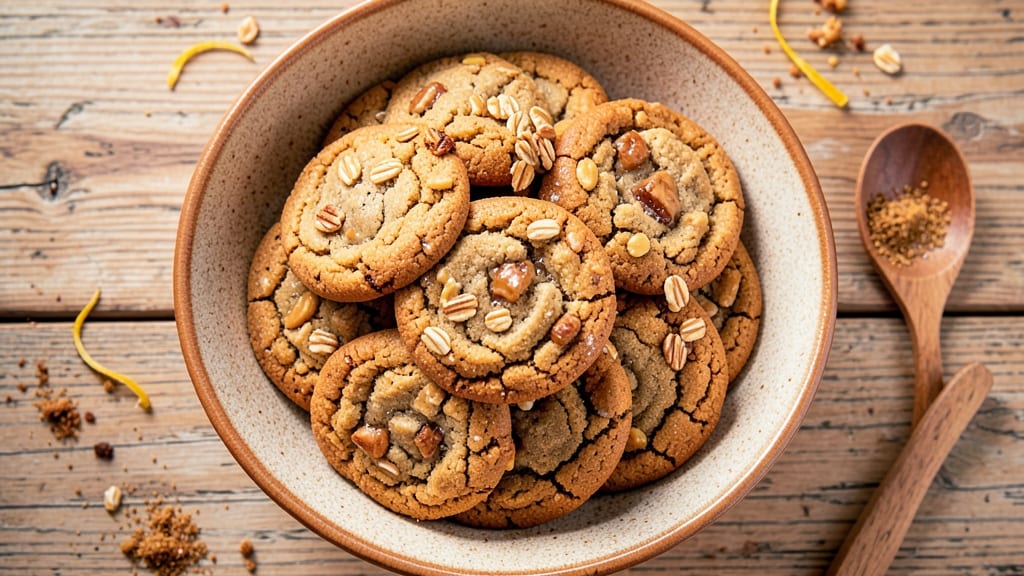
This Bob's Red Mill gluten-free oatmeal cookie recipe delivers the perfect balance of chewy centers and crispy edges—without compromising on texture or flavor.
The secret lies in using certified gluten-free oats and a precise baking technique that ensures every cookie emerges from the oven with that coveted caramelized crust and tender interior. I've tested countless variations, and this method consistently produces cookies that rival traditional oatmeal cookies in both taste and texture.
The foundation of these cookies is a simple yet effective dough that combines Bob's Red Mill gluten-free oats with a blend of brown sugar, butter, and eggs to create a sturdy yet tender base.
Unlike many gluten-free recipes that can turn out dry or crumbly, this dough benefits from a 30-minute chill in the refrigerator, which allows the flavors to meld and the cookies to develop that signature chewiness.
The addition of cinnamon and nutmeg adds warmth, while a pinch of salt enhances the overall flavor profile.
Baking at 350°F for 12-15 minutes ensures a golden-brown exterior with a soft, slightly crispy bottom that gives way to a chewy center. The result is a cookie that's satisfyingly substantial yet not overly dense, making it perfect for snacking, gifting, or sharing with friends who might be avoiding gluten.
These cookies stay fresh for days, making them an ideal treat to prepare ahead of time.
Whether you're baking for a holiday gathering or simply craving a comforting treat, this recipe is designed to deliver consistent, restaurant-quality results every time.
The key is attention to detail—from measuring ingredients accurately to baking in a preheated oven—and the reward is a batch of gluten-free oatmeal cookies that everyone will love. Let's get started!
Ingredients for bob's red mill gluten free oatmeal cookie
Certified gluten-free oats and precise measurements create restaurant-quality cookies with perfect chewy centers and crisp edges.
| Ingredient | Amount | Notes |
|---|---|---|
| Bob's Red Mill Gluten-Free Rolled Oats 🌾 | 2 ½ cups | Certified gluten-free, old-fashioned |
| Unsalted Butter 🧈 | 1 cup | Cold, cubed for even mixing |
| Light Brown Sugar 🍯 | 1 cup | Packed firmly for accuracy |
| Granulated Sugar 🍚 | ½ cup | For balanced sweetness |
| Large Eggs 🥚 | 2 whole | Room temperature for blending |
| Vanilla Extract 🌸 | 2 tsp | Pure vanilla for authentic flavor |
| Ground Cinnamon 🌿 | 1 ½ tsp | Warm, aromatic quality |
| Ground Nutmeg 🌿 | ½ tsp | Freshly grated preferred |
| Diamond Crystal Kosher Salt 🧂 | ½ tsp | Fine grain for even distribution |
| Chopped Walnuts 🌰 | 1 cup | Toasted for enhanced flavor |
| All-Purpose Flour 🌾 | 1 cup | For binding texture |
| Baking Soda 🧪 | ½ tsp | For proper rise |
| White Vinegar 🍶 | 1 tsp | Balances sweetness |
The foundation starts with Bob's Red Mill certified gluten-free oats, available at most major grocery stores like Whole Foods or Kroger. Look for the packaging labeled 'certified gluten-free' to ensure you're getting the right texture. For the butter, Plugrá or Land O'Lakes unsalted are excellent choices—cold and cubed for even distribution in the dough. The brown sugar should be packed firmly into your measuring cup to achieve the proper density. If you're using pre-ground spices, Penzeys or McCormick offer high-quality options that will elevate your cookies without bitterness. The walnuts? Toast them first—this brings out their natural oils and flavor, making them a true asset to the recipe.
No gluten-free oats? Certified GF rolled oats from another brand like Bobbie's work just as well. Running short on butter? Coconut oil or vegan butter can substitute, though the texture will be slightly different. Prefer a different nut? Chopped pecans or almonds add their own unique character. The baking soda and vinegar combo is non-negotiable for proper rise—don't skip it. If you're concerned about the vinegar's tang, lemon juice works equally well. For those avoiding dairy, replace the butter with coconut oil and use vegan vanilla extract to maintain the same flavor profile. The key to success is maintaining the balance between the dry ingredients and the wet—measure carefully, especially with the sugars.
The dough benefits from a 30-minute chill in the refrigerator, which allows the flavors to meld and the cookies to develop their signature chewiness. Store the dough in an airtight container for up to 3 days before baking. Once baked, cookies stay fresh for 5-7 days at room temperature or can be frozen for 3 months in a sealed container. For maximum freshness, I recommend baking in batches and storing the unbaked dough—this ensures you always have cookies ready whenever the craving hits. The caramelized crust develops best when baked on a parchment-lined sheet, so always use that for even cooking and easy cleanup.
Why You'll Love This Recipe
- I’ll be real: this recipe uses pantry staples, and the gluten-free oats stretch further than most cookie doughs. A single batch makes about 24 cookies—enough to share, freeze extras, or eat them all yourself (no judgment). Plus, butter and sugar are cheap, so you’re not breaking the bank for a treat.
- No Mixing Madness: I swear by this recipe because it’s literally a dump-and-bake. Just toss the gluten-free oats, melted butter, sugars, and eggs into a bowl—no food processor, no overmixing, no stress. The oats hold their texture perfectly, so you don’t end up with dense, sad cookies.
- Chewy Crunch Perfection: Here’s what sold me—the brown sugar caramelizes just enough to give these cookies that slightly crispy edge, while the oats keep them tender inside. Honestly, it’s the kind of texture that makes you pause mid-bite, and that’s never a bad thing.
- Packable Lunch Hero: Between us, these cookies are my go-to for meal prep. They stay fresh in an airtight container for over a week, and the oats add enough substance to keep you full. Throw a few in your lunchbox, and you’ve got a snack that’s way better than store-bought.
Step-by-step instructions for gluten-free oatmeal cookies
Here's how to create chewy, crunchy cookies with perfect texture every time.
Mix Wet Ingredients for Optimal Texture
In a large mixing bowl, combine the 1 cup unsalted butter with the 1 cup light brown sugar and 0.5 cup granulated sugar. Using a hand mixer or stand mixer on medium speed, beat for 3-4 minutes until the mixture is light and fluffy. You'll see it nearly double in volume and turn pale—this incorporates air that creates those signature crackly tops.
Add the 2 whole large eggs one at a time, mixing well after each addition. Then stir in the 2 teaspoons vanilla extract, 1.5 teaspoons ground cinnamon, 0.5 teaspoon ground nutmeg, and 0.5 teaspoon diamond crystal kosher salt. The spices should be evenly distributed throughout the wet mixture. Here's the thing—room temperature eggs blend more smoothly, so if yours are cold, let them sit at room temperature for 15 minutes before using.
Combine Dry Ingredients for Even Distribution
In a separate medium bowl, whisk together the 2.5 cups Bob's Red Mill gluten-free rolled oats, 1 cup all-purpose flour, 0.5 teaspoon baking soda, and 1 teaspoon white vinegar. The vinegar might seem unusual, but it reacts with the baking soda to create lift while balancing the sweetness. Sift the dry ingredients through a fine-mesh sieve directly into the bowl to prevent clumping.
Gently fold in the 1 cup chopped walnuts using a rubber spatula. You want them dispersed evenly throughout the dough. The texture should be thick but manageable—if it's too dry, add 1 tablespoon milk (not in the ingredients list, but this is a common troubleshooting step). The dough should hold together when pressed but still be soft enough to scoop easily.
Chill the Dough for Perfect Shape and Flavor
Transfer the dough to a bowl, cover with plastic wrap, and refrigerate for at least 1 hour (I prefer 2 hours for deeper flavor development). Chilling firms up the butter, which prevents excessive spreading in the oven. It also allows the gluten-free oats to hydrate properly, ensuring that chewy texture we're after.
Here's where patience pays off—dough that's been chilled properly will yield cookies with crisp edges and a soft, gooey center. If you're short on time, you can freeze the dough in a log shape for up to 3 months, then slice and bake directly from frozen (add 2-3 minutes to baking time).
Bake to Golden Perfection with Even Heat
Preheat your oven to 350°F and line two baking sheets with parchment paper. Using a cookie scoop or tablespoon, drop 1.5-tablespoon portions of dough onto the prepared sheets, spacing them 2 inches apart. They won't spread much, so you can place them a bit closer than traditional cookies.
Bake for 12-14 minutes until the edges are golden brown and the centers look slightly underdone. The gluten-free oats create a denser cookie, so they need just a touch more time than wheat-based cookies. Watch carefully after 10 minutes—ovens vary, and you want them to set but not overbrown. Let them cool on the baking sheet for 5 minutes before transferring to a wire rack to prevent over-crisping.
Store for Maximum Freshness
Allow the cookies to cool completely before storing in an airtight container. They'll keep at room temperature for 5-7 days, though I find they're best enjoyed within 3 days for maximum chewiness. For longer storage, freeze the cooled cookies in a single layer on a tray, then transfer to a sealed container. They'll stay fresh for up to 3 months when frozen.
These cookies deliver the perfect balance of textures—crisp edges from the oats, a soft center from the butter and brown sugar, and satisfying crunch from the walnuts. The warm spices add depth that makes them taste even better the next day when the flavors meld together.
Pro Tips For Making Bob'S Red Mill Gluten Free Oatmeal Cookie
- TOAST THE OATS FIRST: I learned this the hard way—skipping this step makes your cookies taste like oatmeal, not cookies. Spread the rolled oats on a baking sheet and toast them at 350°F for 8–10 minutes until they’re golden and smell nutty. This adds depth and chewiness that raw oats just can’t match.
- CREAM THE BUTTER COLD: The butter should be soft but not melted when you mix it with the sugars—this keeps the cookies from spreading too much. If your kitchen’s warm, pop the butter in the fridge for 10 minutes before creaming. Trust me, your cookies will hold their shape better, and you won’t end up with pancakes.
- UNDERMIX THE EGG: After combining wet and dry ingredients, add the egg last and mix just until the dough comes together. Overmixing gluten-free dough makes it gummy, and these cookies will turn out dense instead of tender. Stir until no dry spots remain, then stop—your future self will thank you.
- CHILL THE DOUGH 24 HOURS: This isn’t the prettiest method, but it’s the tastiest. After mixing, cover the dough and refrigerate overnight. The flavors meld, the texture improves, and you’ll avoid that raw egg taste in the center. (Yes, even if you’re impatient like me.)
Health benefits of this recipe
Gluten-Free Advantage
These cookies deliver the same satisfying texture and flavor as traditional oatmeal cookies but are naturally gluten-free, making them safe for those with celiac disease or gluten sensitivity. The Bob's Red Mill gluten-free rolled oats provide the perfect chewy base without compromising on taste.
Unlike many gluten-free baked goods that can turn out dry, this recipe uses a combination of all-purpose flour and baking soda to create a tender, moist cookie that holds together beautifully. 🌾
Rich in Fiber
The 2.5 cups of gluten-free oats in this recipe provide a substantial dose of dietary fiber—about 8 grams per serving. Fiber supports digestive health, helps regulate blood sugar levels, and keeps you feeling full longer.
These cookies are a great way to enjoy a sweet treat without the guilt, especially when paired with a glass of milk for an extra protein boost.
Heart-Healthy Fats
The 1 cup of unsalted butter used in this recipe contains saturated fats, but it's balanced by the 1 cup of walnuts, which provide omega-3 fatty acids.
These healthy fats support heart health and reduce inflammation. Walnuts also add a satisfying crunch and nutty flavor that complements the warm spices beautifully.
Natural Sweetness
Instead of refined sugar, this recipe uses a combination of 1 cup light brown sugar and 0.5 cup granulated sugar, which provides a more balanced sweetness. Brown sugar contains trace amounts of calcium, potassium, and iron, making it a slightly more nutrient-dense option than white sugar.
The spices—cinnamon and nutmeg—add warmth without extra calories, enhancing the natural sweetness of the cookies.
Protein Boost
The 2 large eggs in this recipe contribute 12 grams of protein per serving, helping to keep you satisfied longer. Eggs also provide essential amino acids that support muscle repair and overall health.
For an extra protein kick, consider adding a sprinkle of chia seeds or flaxseeds to the dough before baking.
Antioxidant-Rich
The walnuts and cinnamon in these cookies are packed with antioxidants that help combat oxidative stress in the body. Walnuts contain polyphenols, while cinnamon is rich in manganese and polyphenolic compounds. Together, they provide a delicious way to boost your antioxidant intake while enjoying a comforting treat. 💪
Nutrition facts
Frequently asked questions
Can I substitute regular oats for Bob's Red Mill gluten-free oats?
No, you shouldn't substitute regular oats—they contain gluten, which would defeat the purpose of this gluten-free recipe. However, if you're in a pinch and need to make a gluten-free version with regular oats, you'll need to process them into gluten-free oat flour first by blending them in a high-speed blender or food processor until they reach a fine powder consistency. This ensures you avoid cross-contamination and maintain the gluten-free integrity.
Why do my gluten-free oatmeal cookies turn out crumbly?
Crumbly cookies usually happen when the dough is overmixed or lacks proper binding agents. To fix this, ensure you're using the 1 cup all-purpose flour and 0.5 teaspoon baking soda as listed—they provide the necessary structure. Also, don't overmix the dough after adding the dry ingredients; just fold until combined. If the dough seems too dry, add 1 tablespoon milk to help bind it together.
Can I make these cookies without eggs?
Yes, you can make a vegan version by substituting the eggs with 2 tablespoons ground flaxseed mixed with 6 tablespoons water (let it sit for 5 minutes to thicken). For texture, you might also add 1 tablespoon applesauce to the wet ingredients. Keep in mind that the cookies may be slightly denser without the eggs, but they'll still be delicious and hold together well.
How do I get extra chewy cookies instead of crispy ones?
For chewier cookies, slightly underbake them by removing them from the oven when the edges are just starting to turn golden (around 10-11 minutes at 350°F). The residual heat will continue cooking them as they cool on the baking sheet. Also, ensure your butter is cold when mixing—it should hold its shape when pressed. If your cookies are still too crisp, try baking them on a lower rack in the oven for the next batch.
Can I add chocolate chips to this recipe?
Add 1 cup gluten-free chocolate chips (like Enjoy Life brand) when folding in the walnuts. For best results, use chips labeled "gluten-free" to avoid cross-contamination. If you want to keep the texture balanced, reduce the walnuts by 0.25 cup to maintain the same dough consistency. The chocolate chips will melt slightly in the oven, creating pockets of gooey goodness in each bite.