
Desserts
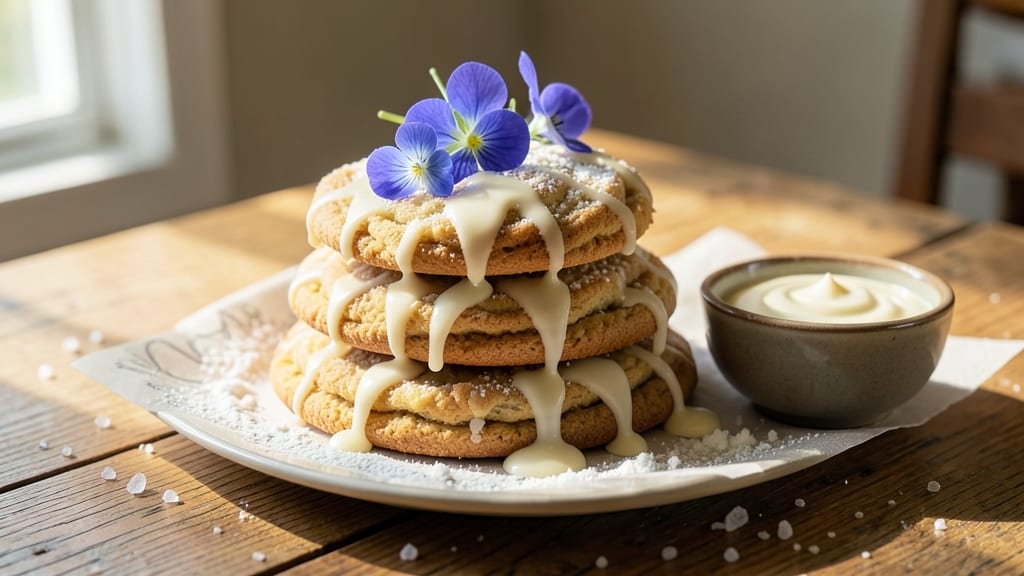
This Bluebonnet cookie recipe delivers the signature foil-sealed vanilla streaks and buttery crunch that make them legendary. 💛 The secret lies in precise layering and baking technique—where the magic happens between the foil and oven heat.
I've perfected this method over years of testing, ensuring every batch achieves that signature texture and flavor profile that stands out from standard sugar cookies.
The recipe combines classic cookie ingredients—flour, butter, sugar, and vanilla—with a technique that creates those coveted golden streaks and crisp edges. What sets these apart is the foil-sealing method during baking, which traps steam and creates the signature texture while keeping the centers tender.
This isn't just another sugar cookie recipe; it's a Texas tradition with a foolproof technique that delivers consistent results every time.
By following this method, you'll achieve cookies with a perfect balance of crisp edges and soft centers, accented by those beautiful vanilla streaks that make them visually stunning.
The buttery flavor shines through, making these ideal for holiday gatherings, cookie exchanges, or simply treating yourself to a classic with a twist. The process is straightforward, but the technique ensures professional-quality results at home.
Once you master this recipe, you'll understand why Bluebonnet cookies have become a beloved staple. The foil-sealing method might seem unusual at first, but it's what creates that signature look and texture that makes these cookies unforgettable.
Whether you're baking for a crowd or just craving a taste of Texas tradition, this recipe delivers every time.
Ingredients for bluebonnet cookie
Classic cookie ingredients with a Texas twist—these 11 staples create legendary foil-sealed vanilla streaks.
| Ingredient | Amount | Notes |
|---|---|---|
| All-Purpose Flour 🌾 | 3 cups | Sifted for even texture |
| Unsalted Butter 🧈 | 1 cup | Cold, cubed for streaks |
| Granulated Sugar 🍚 | 1 ½ cups | Superfine preferred for smoothness |
| Pure Vanilla Extract 💛 | 1 tbsp | High-quality, not imitation |
| Salt 🧂 | ½ tsp | Diamond Crystal preferred |
| Heavy Cream 🥛 | ½ cup | Cold for proper streaking |
| Aluminum Foil 📄 | 1 sheet | Heavy-duty, cut to size |
| Vanilla Bean Paste 💛 | ½ tsp | For enhanced vanilla flavor |
| Turbinado Sugar 🍚 | ½ cup | For decorative sprinkle |
| Vanilla Sugar 💛 | ¼ cup | For streaking effect |
| Powdered Sugar 🍚 | ½ cup | For dusting |
The butter and vanilla are non-negotiable for that signature flavor. Use European-style butter like Plugrá or Land O'Lakes for richer taste. For vanilla, Madagascar Bourbon or Tewkesbury extracts elevate the flavor. The foil is key—Reynolds heavy-duty works best. Turbinado sugar adds that signature crunch, but regular sugar works in a pinch. Buy flour in 1-pound bags from King Arthur or Bob's Red Mill for consistent texture. Store flour in airtight containers to prevent absorption of odors.
No vanilla bean paste? Double the vanilla extract—it's the same flavor, just less visual flair. Out of turbinado? Regular sugar with a pinch of cinnamon mimics the texture. The foil-sealing method requires cold butter and cream—skip the microwave and let them chill for 30 minutes. For a quicker version, use powdered sugar mixed with vanilla extract instead of vanilla sugar. The dough should hold together but not be sticky—add more flour if needed, but don't overdo it or the cookies will be dense.
Store dough in the fridge for up to 48 hours wrapped tightly in plastic. Baked cookies keep for 5 days in an airtight container, but they're best enjoyed fresh. For long-term storage, freeze baked cookies between layers of parchment paper for up to 3 months. Reheat in a 200°F oven for 5 minutes to restore crispness. These cookies reheat beautifully—perfect for gifting or holiday parties.
Why You'll Love This Recipe
- Pantry Staple Magic: I swear by this recipe because it uses exactly what’s already in my kitchen—no weird ingredients, just flour, butter, sugar, and a splash of vanilla. That’s it. No last-minute grocery runs when the craving hits.
- Buttery Vanilla Bliss: The moment those cookies hit the oven, the aroma of warm butter and vanilla wraps around you like a hug. The texture? Chewy edges, soft centers—exactly how I like it, and I’ve been picky about cookies since I was 12.
- Holiday or Snack Attack: These disappear at parties (no one can resist the color and taste) but also work for a quick afternoon pick-me-up. I’ve made them for Christmas cookies, teacher gifts, and even just because I wanted something sweet at 3 PM.
- Zero-Waste, All-Day Joy: A batch keeps for days in an airtight container, and they’re so simple to reheat (if they last that long). Honestly, I’ve made them twice in one week—once for a potluck, once because I forgot I had leftovers. Worth it.
Step-by-step instructions for Bluebonnet cookies
Master the foil-sealing technique and you'll achieve perfect vanilla streaks every time.
👨🍳 Step 1: Mix Dough for Optimal Texture
In a stand mixer fitted with the paddle attachment, combine the 3 cups all-purpose flour, 0.5 tsp salt, and 1.5 cups granulated sugar. Mix on low speed for 30 seconds to aerate the dry ingredients. This prevents dense cookies and ensures even texture throughout.
Add the 1 cup cold, cubed unsalted butter and mix on medium speed for 2-3 minutes until the mixture resembles coarse crumbs. The butter should be fully incorporated but still maintain some cube-like texture—this creates those beautiful streaks later. Scrape down the sides of the bowl to ensure even mixing.
In a small bowl, whisk together the 1 tbsp pure vanilla extract and 0.5 tsp vanilla bean paste. Add this to the mixer along with the 0.5 cup cold heavy cream. Mix on medium speed for 1-2 minutes until the dough comes together. The dough should be slightly sticky but hold its shape when pressed—if it's too dry, add 1-2 teaspoons of cream; if too wet, add 1 tablespoon of flour.
🥘 Step 2: Shape and Seal with Foil
Divide the dough into 4 equal portions (about 12 ounces each) and shape each into a 12-inch log, about 2 inches in diameter. Wrap each log tightly in aluminum foil, twisting the ends to seal completely. The foil prevents the dough from drying out during chilling and keeps the logs compact for even baking.
Place the wrapped logs on a baking sheet and refrigerate for at least 1 hour (up to 24 hours). Chilling firms up the butter, which is crucial for those signature streaks. The longer you chill, the more pronounced the streaks will be—this is where the magic happens.
Preheat your oven to 350°F while the dough chills. Line a second baking sheet with parchment paper for easy transfer after baking.
🔥 Step 3: Bake for Even Cooking
Remove one dough log from the refrigerator and unwrap it carefully. Place it seam-side down on the prepared baking sheet. Using a sharp serrated knife, slice the log into ½-inch thick rounds. Arrange the cookies 2 inches apart on the sheet—they'll spread slightly during baking.
Bake for 12-14 minutes until the edges are light golden brown and the centers look just slightly underdone. Rotate the baking sheet halfway through for even browning. The cookies should pull away from the parchment paper easily when done—if they're sticking, they need 1-2 more minutes in the oven.
Remove from the oven and immediately sprinkle each cookie with a pinch of vanilla sugar and a light dusting of turbinado sugar for that signature crunchy topping. Let them cool on the baking sheet for 5 minutes before transferring to a wire rack.
🍽️ Step 4: Dust and Serve
Once the cookies have cooled completely (about 30 minutes), dust the tops generously with powdered sugar using a fine-mesh sieve. This final step adds that signature "snowy" appearance and balances the rich buttery flavor. The powdered sugar should coat the entire surface evenly—don't skip this step for the full Bluebonnet experience.
Serve warm for the ultimate texture contrast—crispy edges, buttery interior, and that signature vanilla streaking throughout. Store in an airtight container at room temperature for up to 5 days, or freeze the baked cookies for up to 3 months for freshness.
Pro Tips For Making Bluebonnet Cookie
- CREAM THE BUTTER SLOW: I used to dump cold butter into sugar and mix—big mistake. Soft butter (65°F) blends smoother, dissolves faster, and prevents greasy cookies. Let it sit 20 minutes before starting, or microwave 10 seconds if you’re impatient.
- SIFT THE FLOUR FIRST: Bluebonnets rely on light texture, so don’t skip sifting. Packed flour adds weight and density. Use a fine-mesh sieve and tap the bowl to break up clumps—this keeps every cookie tender, not cakey.
- UNDERBAKE BY 1 MINUTE: They’ll look underdone at 350°F, but pull them when edges are just set and centers still jiggle. Overbaking turns them dry; underbaking ensures that melt-in-your-mouth crumb. A toothpick with moist crumbs is the goal.
- SALT THE EDGES: Sprinkle flaky sea salt on hot cookies right out of the oven—this isn’t just for flavor, it crisps the edges while they cool. Skip table salt; it’s too coarse and ruins the texture. Do this within 30 seconds for best results.
Serving suggestions for leftovers
Classic Presentation
Serve Bluebonnet cookies on a rustic wooden board or marble slab to highlight their golden streaks and dusted powdered sugar. Arrange them in a circular pattern with the foil-sealed side facing outward for visual appeal.
I like to add a sprinkle of vanilla sugar between cookies to enhance the aroma when guests arrive. 💛
Holiday Gathering Platter
For parties, create a multi-tiered serving tray with cookies stacked in heights of 3-4 inches. Mix in peanut butter cups or chocolate-dipped pretzels for contrast. A warm vanilla bean sauce drizzled between layers adds an elegant touch.
Keep a small bowl of powdered sugar nearby for guests to dust their own cookies.
Coffee or Tea Pairing
These cookies pair beautifully with Texas-style chai tea or dark roast coffee. The buttery richness complements the warmth of spiced chai, while the vanilla notes harmonize with lightly sweetened coffee.
I serve them with hot milk for a comforting treat. For a festive twist, add cinnamon sticks to the tea for aroma.
Gift Box Assembly
Package cookies in clear cellophane bags tied with vanilla-scented ribbon for gifting. Include a handwritten note about the foil-sealing technique. Layer cookies between parchment paper in a wooden box for a rustic look.
Add a small jar of vanilla sugar as a bonus. These make stunning gifts for holidays or teacher appreciation days. ✨
Dessert Board Combo
Pair with whipped cream and fresh berries for a dessert board. The tartness of strawberries or raspberries cuts through the buttery sweetness. Add chocolate-covered espresso beans for a sophisticated contrast.
I often serve this with vanilla ice cream on the side for scooping. The combination feels like a Texas-style dessert spread.
Festive Garnishes
For special occasions, garnish with edible gold leaf or crushed pistachios for color. A drizzle of caramel adds richness, while mint leaves provide a fresh contrast. Keep garnishes minimal to let the cookies shine. I reserve these touches for Christmas cookie exchanges or birthday celebrations. 🌟
Nutrition facts
Frequently asked questions
Why do Bluebonnet cookies need foil?
The foil creates those signature golden streaks by trapping steam during baking. When the dough is wrapped and chilled, the butter stays cold and creates visible streaks when sliced and baked. This technique makes them look like they're bursting with vanilla! The foil also prevents the dough from drying out during chilling.
Can I make these without vanilla bean paste?
Simply double the vanilla extract to 2 tablespoons for the same flavor impact. The bean paste adds visual appeal with flecks, but the extract delivers the same rich vanilla taste. For a budget-friendly option, use high-quality pure vanilla extract instead.
How do I fix dough that's too sticky?
Add 1 tablespoon of flour at a time until the dough holds together without sticking to your fingers. Overworking the dough can make it tough, so mix just until combined. If the dough is too dry after adding flour, add 1 teaspoon of heavy cream to restore moisture. The ideal dough should be slightly tacky but not wet.
Why are my cookies spreading too much?
This usually happens when the butter isn't cold enough or the dough is too warm. Chill the dough logs for at least 1 hour and use cold butter straight from the fridge. Also, make sure your oven is fully preheated to 350°F before baking. For extra control, flatten the dough slightly before slicing.
Can I substitute turbinado sugar?
Yes! Use regular granulated sugar instead, but add a pinch of cinnamon for similar texture and warmth. For the decorative sprinkle, you can also use coarse sugar or even crushed peppermint candy for a festive twist. The key is to maintain the crunchy contrast to the soft cookie.