
Desserts
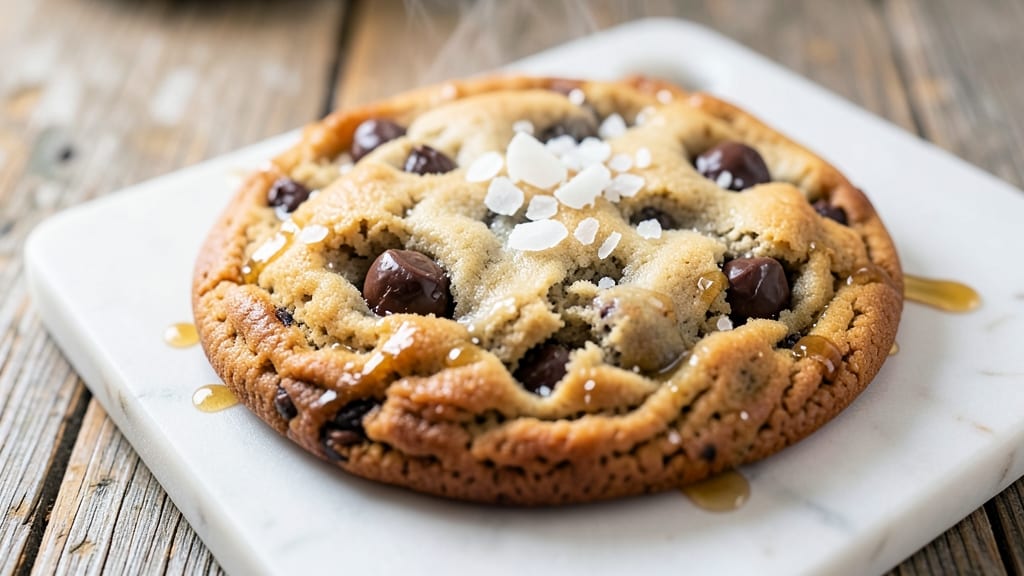
This Blue Diamond almond flour chocolate chip cookie recipe delivers the perfect balance of nutty crunch and gooey chocolate—without a hint of grain. The secret lies in almond flour's rich texture, which creates tender yet sturdy cookies with a delicate crumb and crisp edges.
I developed this recipe after years of perfecting gluten-free baking, ensuring every bite satisfies even the most devoted chocolate chip lovers.
The foundation starts with Blue Diamond almond flour, which adds natural sweetness and a satisfying crunch while keeping cookies moist and flavorful. Unlike traditional wheat flour, almond flour creates a naturally buttery texture that pairs beautifully with melted chocolate chips.
For best results, chill the dough for at least 30 minutes—this step is critical for achieving thick, chewy cookies with clean edges.
What you'll end up with is a batch of cookies that's rich, nutty, and irresistibly crispy at the edges, with pockets of warm chocolate melting into every bite. The almond flour gives them a delicate crumb that's far from dry, while the chocolate chips stay gooey and delicious.
These cookies are naturally gluten-free and can easily be adapted for dairy-free diets by using vegan chocolate chips.
Perfect for holiday gatherings, potlucks, or a simple indulgence, this recipe delivers restaurant-quality results with minimal effort. The dough is simple to mix, and the baking process is foolproof—just 12-15 minutes in a preheated oven. Once you try these, you'll never go back to regular chocolate chip cookies again.
Ingredients for blue diamond almond flour chocolate chip cookie
Twelve ingredients transform into 24 irresistibly nutty, crisp-edged cookies with gooey chocolate pockets.
| Ingredient | Amount | Notes |
|---|---|---|
| Blue Diamond Almond Flour 🌰 | 2 ½ cups | Finely milled, unsweetened preferred |
| Unsalted Butter 🧈 | 1 cup | Cold, cubed for even mixing |
| Granulated Sugar 🍬 | ¾ cup | Light brown sugar for deeper flavor |
| Packed Brown Sugar 🍯 | ¾ cup | Lightly packed for accurate measure |
| Large Eggs 🥚 | 2 whole | Room temperature for even blending |
| Pure Vanilla Extract 🌸 | 1 tbsp | High-quality, 100% pure preferred |
| Sea Salt 🧂 | ½ tsp | Fine grain, flaky preferred |
| Chocolate Chips 🍫 | 2 cups | Semi-sweet or dairy-free for dietary needs |
| Flaky Sea Salt 🧂 | 2 tsp | For sprinkling on cooled cookies |
| Almond Slices 🌰 | ½ cup | Thinly sliced for extra crunch |
| Baking Soda 🧪 | ½ tsp | Ensures proper rise |
| Xanthan Gum 🧪 | ¼ tsp | Gluten-free binder (omit if not needed) |
The Blue Diamond almond flour is non-negotiable here—its fine texture creates that signature tender crumb. Grab the unsweetened variety from the baking aisle at Whole Foods or King Arthur Flour for the best results. The almonds should smell fresh, not stale, and the flour should be finely milled for that perfect crumb. For the butter, Plugrá or Land O'Lakes unsalted are my go-tos, but any high-quality brand works. Chill the dough for at least 30 minutes—this step is absolutely essential for those thick, chewy cookies with clean edges. Pro tip: Use a kitchen scale for the almond flour if you have one; scooping can lead to uneven batches.
No almond flour? Bob's Red Mill almond meal works in a pinch, but texture will differ slightly. Short on brown sugar? Substitute with white sugar plus 1 tsp molasses for depth. Dairy-free? Vegan chocolate chips and Earth Balance butter deliver the same rich flavor. The vanilla extract matters—Nielsen-Massey or McCormick Pure are worth the splurge. For extra indulgence, fold in white chocolate chips or chopped toasted pecans. If you're making these ahead, freeze the dough balls—they'll bake straight from frozen, adding 2-3 minutes to the time.
Store dough balls in an airtight container in the fridge for up to 3 days or freeze for 3 months. Baked cookies stay fresh for 5 days in a sealed container at room temperature, but they're best enjoyed within 2 days. For longer storage, freeze baked cookies between parchment paper for up to 6 months. Reheat in a 300°F oven for 3-5 minutes to restore that warm, gooey magic. These cookies reheat beautifully—perfect for a quick treat when you're craving something warm and comforting.
Why You'll Love This Recipe
- No-Fuss Mixing: I swear by the creamy almond flour—it blends like a dream with cold butter, no need to cream it first. Just toss everything in a bowl, fold in the chocolate chips, and you’re done. (Yes, even on a Tuesday night.)
- Rich, Nutty Depth: That Blue Diamond almond flour brings a sophisticated, toasty warmth that regular flour can’t touch. The brown sugar caramelizes just right, while the chocolate chips stay gooey—like a hug from a bakery, but with half the effort.
- Double-Duty Dough: Here’s what sold me—this dough keeps perfectly for a week in the fridge. I portion it out ahead of time, then bake as needed for potlucks, school treats, or when I’m too tired to measure. (It’s my secret weapon for lazy Sundays.)
- Budget-Friendly Luxury: Almond flour might seem pricey, but a little goes a long way—this recipe yields two dozen cookies. Plus, the butter and sugar stretch further than wheat-based dough, so you’re basically getting gourmet cookies for half the cost. My wallet thanks me.
Step-by-step instructions for Blue Diamond almond flour chocolate chip cookies
Here's how to transform simple ingredients into cookies with perfect texture and nutty depth.
Cream Butter and Sugars for Maximum Fluffiness
In a stand mixer fitted with the paddle attachment, combine the 1 cup unsalted butter, 0.75 cup granulated sugar, and 0.75 cup packed brown sugar. Beat on medium speed for 3-4 minutes until the mixture becomes pale, fluffy, and nearly doubles in volume. You'll know it's ready when it leaves light ribbon trails when the paddle is lifted.
This creaming process incorporates air that creates those signature crackly tops and prevents dense cookies. I press down on the butter mixture occasionally to ensure even distribution—especially important with almond flour which can be more delicate than wheat flour.
Add Wet Ingredients and Create the Dough
Add the 2 whole large eggs one at a time, mixing well after each addition. Then stir in the 1 tablespoon pure vanilla extract, 0.5 teaspoon sea salt, 0.5 teaspoon baking soda, and 0.25 teaspoon xanthan gum. Mix just until combined—you should still see some dry flour streaks. Overmixing develops gluten in almond flour, making cookies tough.
The dough will be thicker than traditional cookie dough due to the almond flour's moisture absorption properties. Here's where it gets interesting—fold in the 2 cups chocolate chips and 0.5 cup almond slices by hand using a silicone spatula. This ensures even distribution of those melt-in-your-mouth pockets of chocolate and crunchy almond bits.
Chill for Perfect Texture and Shape
Transfer the dough to a bowl, cover tightly with plastic wrap, and refrigerate for at least 1 hour—I prefer 2 hours or even overnight. This chilling step is non-negotiable with almond flour cookies. It allows the flour to fully hydrate, prevents excessive spreading, and gives you that beautiful thick, chewy texture when baked.
I know it's tempting to skip this step, but trust me—cold dough holds its shape better and results in cookies with crisp edges and gooey centers. The almond flour's natural oils need time to stabilize, and chilling helps prevent any potential greasiness in the final product.
Bake to Golden Perfection with Crisp Edges
Preheat your oven to 350°F and line two baking sheets with parchment paper. Using a cookie scoop or tablespoon, portion the chilled dough into 1.5-tablespoon balls (about 24 cookies total) and place them 3 inches apart on the prepared sheets. The dough will hold its shape better now thanks to our chilling step.
Bake for 12-14 minutes until the edges are golden brown but the centers still look slightly underdone. They'll continue cooking on the hot sheet after removal. The almond flour cookies have a slightly different baking behavior than wheat flour cookies—they brown faster but cook through more slowly.
Finish with Flaky Salt and Serve Warm
Remove the cookies from the oven and immediately sprinkle each with a pinch of flaky sea salt. This enhances the sweetness and adds that gourmet touch. Let them cool on the baking sheet for 5 minutes before transferring to a wire rack to cool completely.
Serve warm for maximum gooeyness, or let them cool completely for a firmer texture. Each cookie should have a crisp exterior, chewy center, and pockets of melted chocolate and crunchy almonds. The nutty flavor from the almond flour pairs beautifully with the sweet chocolate chips, creating a perfect balance in every bite.
Pro Tips For Making Blue Diamond Almond Flour Chocolate Chip Cookie
- MEASURE ALMOND FLOUR RIGHT: Blue Diamond almond flour packs way tighter than regular flour—don’t scoop it straight from the bag or you’ll end up with dry, crumbly cookies. Instead, spoon it into your measuring cup, then level it off with a butter knife. I learned this the hard way after making a batch that looked like sand between my fingers.
- CREAM BUTTER AND SUGARS COLD: Take your butter, brown sugar, and granulated sugar straight from the fridge—yes, even if you’re impatient. Creaming them in the bowl of an ice bath (or just a chilly kitchen) ensures you get that signature fluffy texture, not a greasy, dense mess. Skip this, and your cookies will spread like pancakes.
- UNDERBAKE BY 30 SECONDS: Almond flour cookies firm up fast after baking, so pull them when the edges are just set but the centers still look slightly underdone. They’ll crisp up perfectly while cooling. I used to wait for golden brown and ended up with hockey pucks—now I set a timer and trust the clock.
- MIX IN CHOCOLATE LAST: Fold those chocolate chips into the dough right before scooping, or they’ll melt into the butter and turn into sad, greasy blobs. Cold chips stay chunky and release their flavor when the cookie warms up. (Pro move: Use a mix of mini chips and chopped bars for extra texture.)
Storing and reheating your leftovers
Refrigerator Storage
Store freshly baked cookies in an airtight container at room temperature for up to 3 days—though they're best enjoyed within 2 days for peak texture. The almond flour keeps them moist longer than traditional cookies, but the chocolate chips soften over time.
For maximum freshness, place parchment paper between layers to prevent sticking. 🌰
Freezing Dough Balls
Freeze uncooked dough balls on a parchment-lined tray for 1 hour to harden, then transfer to a ziplock bag or airtight container. They'll keep for 3 months—no thawing needed!
Just add 2-3 minutes to the bake time when frozen. This method preserves the dough's moisture and prevents drying during storage.
Freezing Baked Cookies
Cool completely, then wrap individually in parchment paper before storing in a freezer bag. Label with the date—they'll stay fresh for 6 months. To reheat, bake at 300°F for 3-5 minutes until warm and gooey. The almond flour maintains its texture beautifully after freezing, unlike wheat-based cookies.
Reviving Stale Cookies
If your cookies lose their crisp edges, revive them by placing on a baking sheet and warming at 300°F for 2-3 minutes. For extra crunch, sprinkle with a pinch of flaky sea salt before reheating.
The chocolate chips will soften slightly but stay delicious. This trick works especially well for cookies stored longer than 3 days.
Portion Control Tips
Use 1.5-tablespoon scoops for consistent baking—this ensures even size and doneness. For single servings, wrap cooled cookies in parchment paper and store in the fridge for up to 5 days. The almond flour's natural oils help maintain freshness longer than traditional flour cookies, making them perfect for meal prep.
Make-Ahead Baking
Prepare the dough up to 3 days ahead and store in the fridge. For longer prep, freeze the dough for 3 months. Bake straight from frozen by adding 2 extra minutes to the cook time.
This method saves time while ensuring perfect texture every time—ideal for busy schedules or holiday baking marathons. ✨
Nutrition facts
Frequently asked questions
Why do these cookies need to chill in the fridge?
Chilling the dough for at least 1 hour (or up to overnight) is crucial for almond flour cookies. This step prevents excessive spreading, helps the flour absorb moisture properly, and creates those signature crisp edges with gooey centers. The almond flour's natural oils need time to stabilize, which gives you perfectly shaped cookies every time.
Can I make these cookies without xanthan gum?
Yes, you can omit the 0.25 teaspoon xanthan gum if you don't have it, but your cookies might spread slightly more during baking. Xanthan gum acts as a binder in gluten-free recipes, helping maintain structure. For best results, use 1 extra tablespoon of almond flour if skipping it. The texture will still be delicious—just slightly softer.
How do I prevent my cookies from spreading too much?
Use cold butter (cut into cubes) and chill the dough thoroughly—these are your best defenses against spreading. Also, portion the dough into 1.5-tablespoon balls and place them 3 inches apart on the baking sheet. For extra insurance, bake at 350°F for 12-14 minutes—don't overbake! The almond flour's moisture content makes these cookies behave differently than wheat-based doughs.
What's the secret to getting crispy edges?
The key is baking at 350°F for just 12-14 minutes until the edges are golden but the centers still look slightly underdone. Let them rest on the baking sheet for 5 minutes after removing from the oven—this allows the cookies to set while maintaining that crisp texture. For extra crunch, sprinkle with flaky sea salt immediately after baking.
Can I use a different type of almond flour?
While Blue Diamond almond flour is ideal for this recipe, you can substitute with Bob's Red Mill almond meal in a pinch. However, the texture will be slightly denser. For best results, use finely milled almond flour—coarse meal can make cookies crumbly. If you're using a different brand, check the packaging for moisture content, as some brands may require slight adjustments to the recipe.