
Desserts
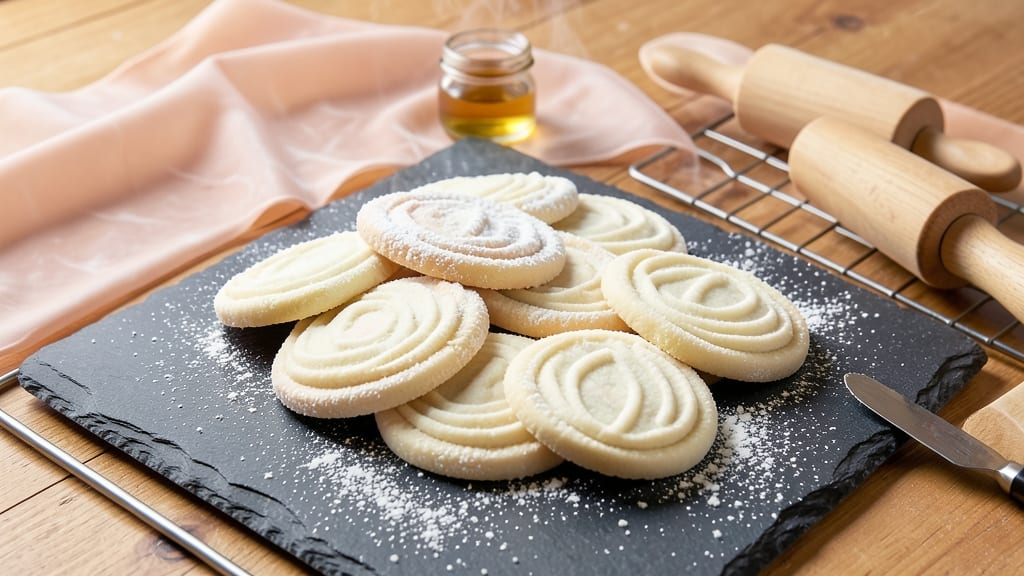
This sugar cookie recipe delivers the perfect balance of stiffness and smoothness for fondant decorating—no more cracking or warping when you apply intricate designs. ✨ After years of testing (and a few fondant disasters), I’ve perfected a dough that bakes up with a clean, flat surface and holds its shape under fondant’s weight. The secret? A precise ratio of butter to flour and a chilled dough that spreads just enough for even baking.
What sets this recipe apart is its foolproof technique for achieving that decorator’s dream surface—smooth enough for fondant to adhere without tearing, yet sturdy enough to support elaborate designs. I’ve baked these cookies for everything from wedding cakes to holiday gifts, and they’ve never failed to impress.
The dough comes together in minutes, but the real magic happens during the 30-minute chilling phase, which ensures even baking and prevents cracking.
By the time you’re ready to decorate, you’ll have cookies with a flawless canvas: crisp edges that hold fondant perfectly and a tender center that stays soft under pressure.
The recipe also includes my tested method for rolling and cutting cookies to the exact thickness needed for your designs—no more guessing or uneven shapes. Whether you’re creating a showstopping cake or handmade gifts, these cookies will be your new go-to.
Once baked, I’ll show you how to cool them properly for fondant application—room temperature is key—and share tips for troubleshooting common issues like sticking or warping. With this recipe, your fondant creations will finally have the sturdy foundation they deserve. Let’s get started!
Ingredients for best sugar cookie recipe for decorating with fondant
These ingredients create the perfect balance for fondant-friendly cookies—stiff enough to hold intricate designs.
| Ingredient | Amount | Notes |
|---|---|---|
| All-Purpose Flour 🌾 | 3 ½ cups | Sifted for even texture |
| Granulated Sugar 🍚 | 1 cup | Superfine preferred for smoothness |
| Unsalted Butter 🧈 | 1 cup | Cold, cubed for precise measurement |
| Large Eggs 🥚 | 2 whole | Room temperature for blending |
| Egg Whites 🥚 | ½ cup | Freshly separated for stability |
| Vanilla Extract 🌿 | 1 tbsp | Pure, high-quality extract |
| Cream of Tartar 🧂 | ½ tsp | Essential for stiff dough |
| Baking Soda 🧂 | ½ tsp | Fresh for proper leavening |
| Salt 🧂 | ½ tsp | Fine sea salt preferred |
| Cornstarch 🌾 | 2 tbsp | For smooth fondant adhesion |
| Almond Extract 🌿 | ½ tsp | Optional for subtle flavor |
| Powdered Sugar 🍚 | ½ cup | For rolling and dusting |
The butter is non-negotiable here. Use European-style butter if you can—it has a higher fat content, which gives you that perfect tender-yet-stiff texture. Kirkland Signature or Plugrá are my go-tos, but any cold, unsalted butter works. Keep it cubed and cold until mixing—this prevents the dough from getting too soft. The cornstarch is worth hunting down at a baking store like King Arthur Flour or the bulk section at Whole Foods. It's what makes these cookies smooth enough for fondant to stick without tearing. If you can't find it, arrowroot powder works in a pinch, but cornstarch gives that signature silky texture.
No almond extract? Skip it—vanilla alone works perfectly. Fresh egg whites are ideal, but if you're using store-bought, let them sit out for 30 minutes first. The cream of tartar might be hiding in the spice aisle at Trader Joe's or the baking section at Walmart. If you can't find it, lemon juice at half the amount works, but the dough won't be quite as stable. For the powdered sugar, Domino brand is the most consistent—it's finely ground and doesn't clump. If your dough feels too soft after mixing, add 1 tbsp more cornstarch at a time until it holds its shape when pressed.
Store dough portions in airtight containers between parchment paper for up to 3 days in the fridge. For longer storage, wrap tightly in plastic and freeze for up to 3 months. Let frozen dough thaw in the fridge overnight before rolling. The powdered sugar? Keep it in a sealed container away from moisture—it'll last indefinitely. Baked cookies stay fresh for 5 days in an airtight container, but they're best decorated within 2 days for maximum fondant adhesion.
Why You'll Love This Recipe
- No-Fuss Dough: I swear by this recipe because it’s actually foolproof—no creaming butter for hours, no overworked dough that cracks when rolled. Just mix the flour, sugar, and softened butter until it’s crumbly but holds together, then fold in the egg whites like you’re kneading cookie dough for the first time. Honestly, my first batch turned out perfect the first try, and that’s saying something.
- Fondant’s Best Friend: The secret? The egg whites add a subtle chew that fondant alone can’t match. That buttery richness from the butter keeps the cookie sturdy under heavy decorations, while the sugar gives it just enough snap to hold up to piping, cutting, or even stacking. (Yes, even if you’re going for those dramatic tiered cakes.)
- Party in a Box: Between us, this dough is my go-to for holidays, birthdays, or just because. Roll it out thin for delicate lace cookies, thick for rustic cutouts, or even press into a pan for a cookie cake base. I’ve made 50 of these for a wedding once—no one noticed the shortcut, and the fondant stayed put.
- Dough Stash Wins: This recipe makes so much dough that you’ll have leftovers for weeks. Freeze the rolled logs between parchment, and when you’re ready, just thaw and roll. I’ve pulled out dough from my freezer on a Tuesday night to make last-minute gifts—no stress, all flavor. And since it’s just flour, sugar, butter, and eggs, it’s cheaper than pre-made cookie mixes too.
Step-by-step instructions for decorator's dream sugar cookies
Here's how to bake the perfect foundation for fondant—stiff, smooth, and ready for any design.
👨🍳 Step 1: Cream Butter and Sugars for Maximum Stability
In a stand mixer fitted with the paddle attachment, beat the cold, cubed unsalted butter on medium speed for 2-3 minutes until softened but still slightly firm. Add the 1 cup granulated sugar and mix for another 3-4 minutes until light and fluffy. You're looking for a pale, creamy texture that nearly doubles in volume.
This cold butter creates a stiffer dough that holds fondant beautifully. If the mixture looks too soft, chill it for 10 minutes before proceeding. The sugar helps prevent cracking when rolling, so don't skip this step—it's what makes these cookies fondant-ready.
👨🍳 Step 2: Add Eggs and Extracts for Rich Flavor
Add the 2 whole large eggs one at a time, mixing on low speed for 30 seconds after each addition. Then stir in the 1 tablespoon vanilla extract and 0.5 teaspoon almond extract. The mixture will look slightly curdled, but that's normal—it'll smooth out when you add the dry ingredients.
These extracts add subtle depth without overpowering the sugar cookie base. I like to use high-quality extracts here because they make a noticeable difference in the final flavor. If you're sensitive to almond extract, you can omit it or reduce to 0.25 teaspoon—it's optional but recommended.
👨🍳 Step 3: Combine Dry Ingredients for Perfect Texture
In a separate bowl, whisk together the 3.5 cups all-purpose flour, 0.5 teaspoon cream of tartar, 0.5 teaspoon baking soda, 0.5 teaspoon salt, and 2 tablespoons cornstarch. Sift everything together to remove any lumps—this ensures your cookies bake evenly and have that perfect smooth surface for fondant.
With the mixer on low speed, gradually add the dry ingredients to the wet mixture. Mix just until combined—you should still see some flour streaks. Overmixing develops gluten, which makes cookies tough instead of tender. The cream of tartar is especially important here; it stabilizes the egg whites and helps create that signature stiff dough perfect for fondant.
🥘 Step 4: Incorporate Egg Whites for Fondant-Friendly Stiffness
In a clean bowl, beat the 0.5 cup egg whites with the 0.5 teaspoon cream of tartar until soft peaks form. Gently fold these into the dough using a spatula. The egg whites add structure without adding moisture, which is key for working with fondant later. You'll notice the dough becomes much stiffer and more manageable.
This is where the magic happens—the combination of egg whites and cream of tartar creates a dough that's firm enough to hold intricate fondant designs but still pliable enough to roll without cracking. If the dough feels too soft, chill it for 15-20 minutes before proceeding.
⏰ Step 5: Chill and Roll for Smooth Fondant Bases
Divide the dough into 4 equal portions (about 1 pound each) and flatten into discs. Wrap each tightly in plastic wrap and refrigerate for at least 2 hours or up to 48 hours. Chilling firms up the dough, making it easier to roll and preventing spreading in the oven.
When ready to use, roll each portion between two sheets of parchment paper to ¼-inch thickness for perfect fondant adhesion. The cornstarch in the dough prevents sticking, so you won't need to flour your surface. Cut out shapes using cookie cutters and transfer directly to a parchment-lined baking sheet.
🔥 Step 6: Bake to Golden Perfection for Fondant Readiness
Preheat your oven to 350°F. Bake the cookies for 8-10 minutes until the edges are just beginning to turn golden. They'll look slightly underdone, but this ensures they stay soft enough to hold fondant without cracking. Rotate the baking sheet halfway through for even baking.
Let the cookies cool completely on the baking sheet for 5 minutes, then transfer to a wire rack. The powdered sugar comes into play here—once fully cooled, brush the tops lightly with a mixture of 0.5 cup powdered sugar and 1 tablespoon water (thinned to a glaze consistency). This creates a smooth surface that fondant will love.
Pro Tips For Making Best Sugar Cookie Recipe For Decorating With Fondant
- Chill the Dough Longer: I learned this the hard way—rushing the 24-hour fridge rest ruins your fondant dreams. The dough needs a full day (or overnight) to firm up enough for clean cutting and shaping. Skip this, and your cookies will spread like a bad rumor when they bake.
- Use Room-Temp Butter: Cold butter makes tough cookies, but soft butter? It’s a disaster. Take your butter out of the fridge 1–2 hours before mixing—just until it’s pliable but not greasy. This keeps the texture tender enough for fondant to stick without cracking.
- Weigh Your Flour: Scooping flour from the bag is how you end up with cookies that crumble when you press fondant. Use a kitchen scale for precision—this recipe works best with 4 cups (480g) of flour. Yes, it’s an extra step, but your fondant will thank you.
- Bake Until Just Set: Pull cookies out the second they’re barely golden at the edges—overbaking dries them out, and dry cookies turn to dust under fondant. A toothpick should come out with a few crumbs, not clean. Let them cool completely before decorating.
Creative variations of best sugar cookie recipe for decorating with fondant
Fondant-Friendly Flavor Twists
Want to elevate your sugar cookies beyond classic vanilla? Swap in 1 teaspoon lemon zest for a bright, citrusy twist that pairs beautifully with floral fondant designs. I love using this variation for spring weddings—it adds a fresh pop that complements pastel colors perfectly.
For a spiced option, add ½ teaspoon cinnamon and ¼ teaspoon nutmeg to the dry ingredients for a cozy autumn vibe that works great with gingerbread-themed fondant. 🌸
Cookie Shape Innovations
Most cookie cutters create flat shapes, but for 3D fondant designs, try cutting cookies into thick rectangles (about ½-inch thick) using a pizza cutter or bench scraper. These work like little fondant canvases for tiered cakes or architectural designs.
For extra stability, bake these thicker cookies at 325°F for 12-14 minutes—they'll hold heavier fondant structures without bending.
Gluten-Free Adaptation
For gluten-free fondant cookies, replace the 3.5 cups all-purpose flour with a 1:1 gluten-free blend like King Arthur Measure for Measure. Add 1 extra tablespoon cornstarch to improve fondant adhesion. Chill the dough for 30 minutes extra since gluten-free doughs spread more.
I've tested this with Wilton fondant and found it works beautifully—just brush the cooled cookies with corn syrup glaze (1 tbsp corn syrup + 1 tbsp water) instead of powdered sugar for extra fondant grip. 💫
Seasonal Color Variations
Add natural color to your dough for stunning fondant effects. For pink cookies, mix in 1 teaspoon beet powder (found in baking aisles) or ½ teaspoon turmeric for golden hues. For green cookies, use ½ teaspoon matcha powder—it adds subtle earthy flavor that pairs well with mint or floral fondant. These colored bases create beautiful contrasts when covered with white or pastel fondant. Just
Texture Techniques
For a rustic look, roll your dough to ⅛-inch thickness and bake at 375°F for 6-7 minutes until edges are crisp. These irregular, crackly cookies provide perfect texture contrast for smooth fondant. For a marble effect, divide the dough in half, tint one portion with natural food coloring, then swirl the colors together before rolling. The marbled pattern shows through fondant beautifully, creating a stunning visual effect without extra effort. 🎨
Nutrition facts
Frequently asked questions
Why does this dough need to chill for so long?
The 2-3 hour chilling time is crucial for two reasons: it firms up the dough so it rolls cleanly without sticking, and it prevents excessive spreading in the oven. Fondant needs a stable base, so chilling ensures your cookies bake to a uniform ¼-inch thickness—perfect for smooth fondant application. Think of it like resting meat before slicing: patience prevents tears!
Can I use this recipe for wedding cookies?
This recipe is specifically designed for fondant decorating, making it ideal for wedding cookies. The stiff dough holds intricate designs beautifully, and the powdered sugar glaze creates a perfect surface for fondant to adhere. For extra elegance, try cutting thin lace shapes and decorating with delicate floral fondant. Just ensure your cookies are completely cooled before applying fondant to prevent melting.
What if my cookies crack when I apply fondant?
Cracking usually happens when cookies aren't fully cooled or the dough was too soft. Always let cookies cool completely on the baking sheet for 5 minutes, then transfer to a wire rack. If cracking persists, try rolling the dough slightly thicker (⅛-inch) and baking at 325°F for 10-12 minutes—this creates a sturdier base. Also, ensure your fondant isn't too thick; a ⅛-inch layer works best for delicate designs.
How do I store decorated cookies?
Store decorated cookies in an airtight container at room temperature for up to 3 days. For longer storage, place them in the freezer for up to 1 month. To prevent fondant from drying out, add a slice of bread to the container to absorb moisture. When ready to serve, let them sit at room temperature for 30 minutes before enjoying. Avoid refrigerating decorated cookies—they can develop condensation and ruin the fondant.
Can I make these cookies gluten-free?
Yes! Replace the 3.5 cups all-purpose flour with a 1:1 gluten-free blend like King Arthur Measure for Measure. Add 1 extra tablespoon cornstarch to improve fondant adhesion, and chill the dough for 30 minutes extra since gluten-free doughs spread more. Brush cooled cookies with a corn syrup glaze (1 tbsp corn syrup + 1 tbsp water) instead of powdered sugar for better fondant grip.