
Desserts
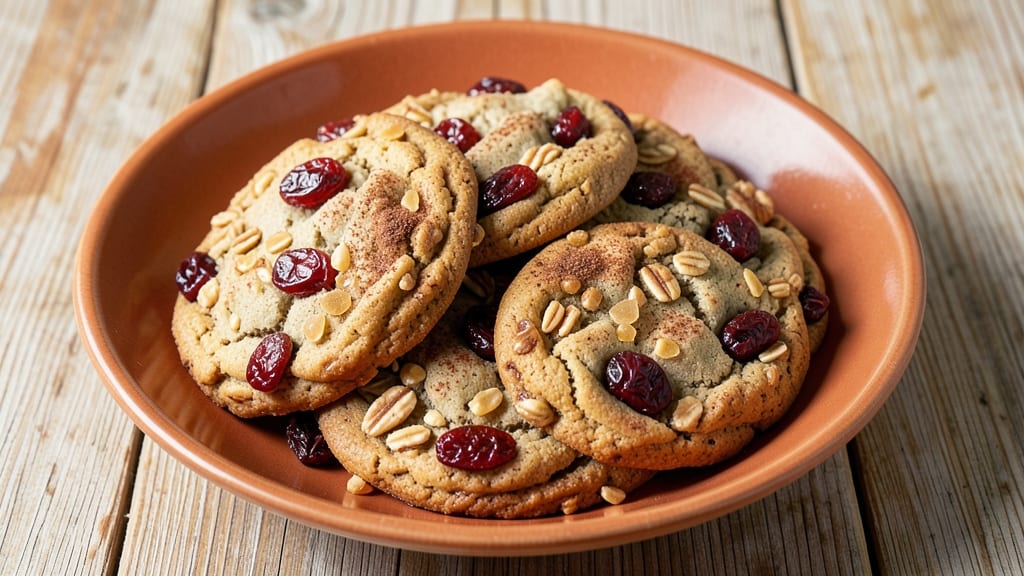
This is the best oatmeal raisin cookie recipe that soaks raisins to deliver the perfect balance of chewy centers and crispy edges—thanks to a game-changing technique. I developed this recipe after years of testing, and it’s now my go-to for cookies that taste homemade but never turn out dry or crumbly. The secret lies in plumping those raisins so they burst with juicy sweetness in every bite.
Most recipes skip this crucial step, leaving raisins hard and flavorless. Here, we soak them in a mix of orange juice and rum (or just water) for 30 minutes, which transforms them into tender, plump little pockets of flavor.
The dough itself is simple—just oats, brown sugar, butter, and a pinch of cinnamon—but the magic happens when the raisins absorb the liquid and soften just enough to create that signature chewy texture.
What you’ll end up with is a batch of cookies that’s rich, aromatic, and perfectly balanced: crisp around the edges, soft in the middle, and packed with juicy raisins that taste like they’ve been simmered in spice.
The warm spices—cinnamon and nutmeg—add depth, while the brown sugar keeps them moist longer. These are the kind of cookies that disappear fast, whether you’re baking for a crowd or just craving a mid-afternoon treat.
The best part? This recipe scales easily—double the batch for holiday gifts or freeze half for later. The soaking method ensures every cookie turns out tender, and the flavor only improves as they cool. Ready to make the best oatmeal raisin cookies you’ve ever tasted? Let’s get started.
Ingredients for best oatmeal raisin cookie recipe soak raisins
These ingredients transform ordinary oatmeal raisins into chewy, plump perfection—no dry cookies here!
| Ingredient | Amount | Notes |
|---|---|---|
| Old-Fashioned Rolled Oats 🌾 | 2 cups | Not instant, for chewy texture |
| Light Brown Sugar 🍚 | 1 cup | Packed firmly for sweetness |
| Unsalted Butter 🧈 | 1 cup | Cold, cubed for best mixing |
| Large Eggs 🥚 | 2 whole | Room temperature for blending |
| Vanilla Extract 🌸 | 2 tsp | Pure, not imitation |
| Ground Cinnamon 🌿 | 1 ½ tsp | Freshly ground preferred |
| Ground Nutmeg 🌿 | ¼ tsp | Freshly grated for warmth |
| Sea Salt 🧂 | ½ tsp | Fine grain for balance |
| Raisins 🍇 | 1 ½ cups | Plump, seedless preferred |
| Fresh Orange Juice 🍊 | ½ cup | For soaking raisins |
| Dark Rum (optional) 🍹 | 1 tbsp | Or omit for alcohol-free |
| All-Purpose Flour 🌾 | ½ cup | For dough structure |
The raisins are the star, so don’t skimp. Trader Joe’s and Whole Foods carry plump, seedless raisins perfect for soaking—look for vibrant color, not dried-out ones. Fresh orange juice (not concentrate) makes all the difference; Florida or California brands have the best flavor. The rum adds depth (optional, but worth it), and if you skip it, just add extra orange juice. For the oats, Quaker Old-Fashioned is my go-to—they stay chewy instead of turning to mush. Brown sugar should be packed firmly in the cup, not scooped loosely. And that butter? Cold and cubed—it’s non-negotiable for flaky layers.
No rum? No problem—just add another tablespoon of orange juice. Raisins too dry? Toss them in hot water for 10 minutes instead. For the spices, Penzeys or McCormick ground cinnamon and nutmeg are reliable, but if you’ve got whole spices, grind them fresh for that extra punch. Short on flour? Oat flour works in a pinch (use 1:1), but the dough might be slightly denser. The vanilla extract matters—Nielsen-Massey or Goya are solid choices, but any pure vanilla will do. And if you’re baking for kids or avoiding alcohol, the orange juice-only soak still delivers juicy raisins—just less complex flavor.
Soaked raisins keep in the fridge for 5 days if stored in their juices, but use them fresh for best texture. Dough can be refrigerated for 48 hours or frozen for 3 months—just let it sit at room temp for 30 minutes before baking. Baked cookies stay fresh for 1 week in an airtight container, but they’re best eaten within 2 days for maximum chew. Freeze extras on a tray first, then transfer to a bag—they’ll keep for 3 months without drying out. Pro tip: Reheat in the oven at 300°F for 5 minutes to revive any crispiness.
Why You'll Love This Recipe
- No-Fuss Mixing: I swear by the "dump-and-stir" method here—just toss the oats, butter, and brown sugar in a bowl, then let the egg and vanilla tie it all together. The raisins soak right into that buttery-sweet dough while you’re still mixing, so no extra prep.
- Chewy-Crisp Magic: That light brown sugar caramelizes just enough to give the edges a delicate crisp, while the oats keep the center soft and pillowy. Honestly, the texture is what makes this recipe my secret weapon—it’s the kind of cookie that disappears in minutes.
- Weeknight Hero: I’ve made these for potlucks, school bake sales, and even as a last-minute dessert when I forgot to grocery shop. The dough keeps well for days, and they freeze beautifully—just pull them out when you need a quick, foolproof treat.
- Budget-Friendly Luxury: Old-fashioned oats and brown sugar are pantry staples, and you’ll use less butter than most recipes without sacrificing flavor. Between us, these cookies cost me pennies but taste like I spent hours baking—my kids never guess they’re not from the bakery.
Step-by-step instructions for perfectly chewy oatmeal raisin cookies
Here's how to make the best oatmeal raisin cookies with plump, juicy raisins and a chewy crunch.
Soak the Raisins for Maximum Juiciness
In a small bowl, combine the 1.5 cups raisins and 0.5 cup fresh orange juice. If using, add the 1 tablespoon dark rum for extra depth of flavor. Stir gently to coat the raisins evenly. Let them soak for at least 30 minutes—this step transforms dry raisins into plump, juicy bites that stay moist in your cookies.
I like to let them soak for up to 1 hour in the refrigerator if I have time. The longer they soak, the more flavor they absorb. After soaking, drain any excess liquid but don't rinse the raisins—they'll keep their juicy texture. If you're short on time, a quick 10-minute soak still works, though the raisins won't be quite as plump.
Cream Butter and Sugar for Perfect Texture
In a large mixing bowl, combine the 1 cup cold unsalted butter (cut into cubes) and 1 cup packed light brown sugar. Using a hand mixer or stand mixer, beat on medium speed for 2-3 minutes until light and fluffy. You're looking for a smooth, creamy mixture that nearly doubles in volume and leaves faint ribbons when the beaters are lifted.
This creaming process incorporates air into the dough, which creates those beautiful crackly tops and chewy centers. Don't rush this step—under-creamed butter leads to dense, cakey cookies. If your kitchen gets warm, chill the butter for 10 minutes before starting to prevent melting.
Mix in Wet and Dry Ingredients
Add the 2 whole large eggs (room temperature) one at a time, mixing well after each addition. Then stir in the 2 teaspoons vanilla extract, 1.5 teaspoons ground cinnamon, 0.25 teaspoon ground nutmeg, and 0.5 teaspoon sea salt. Mix just until combined—overmixing develops gluten and makes cookies tough.
In a separate bowl, whisk together the 2 cups old-fashioned rolled oats and 0.5 cup all-purpose flour. Gradually add this dry mixture to the wet ingredients, mixing just until combined. The dough will be thick and crumbly. Fold in the soaked raisins by hand using a spatula, making sure they're evenly distributed throughout the dough.
Chill the Dough for Better Shape and Flavor
Cover the dough bowl with plastic wrap and refrigerate for at least 1 hour (or up to 24 hours). This chilling step is crucial—it allows the flour to fully hydrate and the butter to firm up, which prevents excessive spreading in the oven and helps the cookies hold their shape.
Cold dough also means the cookies will have crispier edges and a more pronounced flavor. If you're in a hurry, you can chill the dough for 30 minutes in the freezer, but I find the longer refrigeration time gives the best results. Let the dough sit at room temperature for 10 minutes before scooping to make it easier to handle.
Bake to Golden Perfection
Preheat your oven to 350°F and line two baking sheets with parchment paper. Using a cookie scoop or tablespoon, drop the dough into 1.5-inch balls, spacing them 2 inches apart on the prepared sheets. Flatten each ball slightly with your palm to create ½-inch thick cookies.
Bake for 12-14 minutes until the edges are golden brown and the centers still look slightly underdone. They'll continue cooking on the hot pan after you remove them from the oven. Let them cool on the baking sheet for 5 minutes before transferring to a wire rack to cool completely. The cookies will firm up as they cool, but they'll still be chewy inside.
Pro Tips For Making Best Oatmeal Raisin Cookie Recipe Soak Raisins
- SOAK RAISINS 30 MINUTES: DESCRIPTION: I learned this the hard way—those 15-minute soaks just don’t cut it. Toss raisins in hot water (not boiling) with a splash of vanilla extract and 1 tablespoon brown sugar, then let them sit covered for at least 30 minutes. The plump, jammy texture makes all the difference when they bake into chewy pockets.
- TOAST OATS FIRST: DESCRIPTION: Skip the raw oats—toss them in a dry pan over medium heat for 3-4 minutes until golden and fragrant. This deepens the nutty flavor and prevents sandy texture. (Yes, even if you're impatient like me—just set a timer.)
- CHILL DOUGH 1 HOUR: DESCRIPTION: Resist the urge to bake straight away. Cold butter behaves better, and resting the dough prevents spreading. Wrap it tightly and refrigerate—your future self will thank you when the cookies hold their shape.
- MEASURE BROWN SUGAR WET: DESCRIPTION: Packing brown sugar is a myth—it’s moisture that matters. Spoon it into your measuring cup, then level with a knife after tapping the cup firmly. This guarantees consistent sweetness and chewiness without guessing. (I used to eyeball it, and the results were hit-or-miss.)
Make-ahead tips for this dish
Dough Prep Ahead
Make the dough up to 24 hours in advance and store it in an airtight container in the fridge. The flavors deepen as it rests, and the chilled dough is easier to handle when you're ready to bake.
I often prep mine the night before so I can wake up to the smell of baking cookies in the morning. Just let it sit at room temperature for 10 minutes before scooping to avoid spreading. 🍪
Soaked Raisin Storage
Soaked raisins keep beautifully in the fridge for 5 days if stored in their juices. I like to keep them in a small jar with the liquid—this preserves their plumpness. If you're prepping for baking later, drain them well before mixing into the dough, but leave that orange-rum flavor intact.
For longer storage, freeze the soaked raisins in a single layer on a tray, then transfer to a bag for up to 3 months. Thaw before using.
Baked Cookie Make-Ahead
Baked cookies stay fresh for 1 week in an airtight container at room temperature, but they're best enjoyed within 2 days for maximum chew. For longer storage, freeze cookies on a tray first (to prevent sticking), then transfer to a bag.
They'll keep for 3 months without drying out. To reheat, warm in the oven at 300°F for 5 minutes—this revives any crispiness while keeping the centers soft.
Freezer-Friendly Dough Balls
Shape the dough into balls and freeze them on a tray for 1 hour until firm. Transfer to a bag and freeze for up to 3 months. When ready to bake, skip the chilling step—just add 2-3 minutes to the baking time since they'll be colder.
I love this method for holiday baking because it eliminates last-minute prep. Just pull out what you need and bake straight from frozen. 💫
Double-Batch Strategy
Double the recipe and bake half now, then freeze the remaining dough balls for later. This is my go-to for holiday gifts or when I know I'll crave cookies later in the week.
The dough freezes beautifully, and the cookies taste just as fresh when reheated. I like to package them in small tins or cellophane bags tied with ribbon for gifting—always a crowd-pleaser. 🎁
Weeknight Shortcut
For busy nights, prep the dough the night before but skip the full 1-hour chill. Instead, chill for just 30 minutes in the freezer, then proceed with baking. The cookies will still hold their shape and deliver that perfect chewy texture.
I've also used this method to make cookies in 20 minutes flat when I'm in a rush—just add 1-2 minutes to the baking time. 🚀
Nutrition facts
Frequently asked questions
Why do you soak the raisins in orange juice instead of water?
The orange juice adds natural sweetness and brightness that complements the warm spices in the cookies. It also prevents the raisins from absorbing too much liquid and turning mushy. For extra flavor depth, the rum enhances caramel notes—though you can skip it without sacrificing texture.
Can I use dried cranberries instead of raisins?
Swap raisins for dried cranberries in a 1:1 ratio, but soak them in apple juice instead of orange juice for 20-30 minutes. They’ll add a tart contrast that pairs beautifully with the cinnamon. Just reduce baking time by 1-2 minutes since they’re slightly juicier.
How do I prevent my cookies from spreading too much?
Chill the dough for the full 1 hour (or freeze for 30 minutes) before baking. Use cold butter and scoop dough into 1.5-inch balls that are ½-inch thick. Bake on the middle rack at 350°F—overcrowding the pan also causes spreading.
What if I don’t have fresh orange juice?
Use 100% orange juice concentrate (thawed) or substitute with apple juice + 1 tsp lemon juice for similar acidity. Avoid bottled "juice drinks" with added sugar—they’ll make the cookies overly sweet. For a neutral option, plain water works, but the flavor won’t be as vibrant.
Can I make these cookies gluten-free?
Yes! Replace the 0.5 cup all-purpose flour with 0.5 cup gluten-free 1:1 baking flour (like Bob’s Red Mill). For best texture, add 0.5 tsp xanthan gum to the dry mix. The cookies will be slightly denser but still chewy. Test with a small batch first—GF flours vary in absorption.