
Desserts
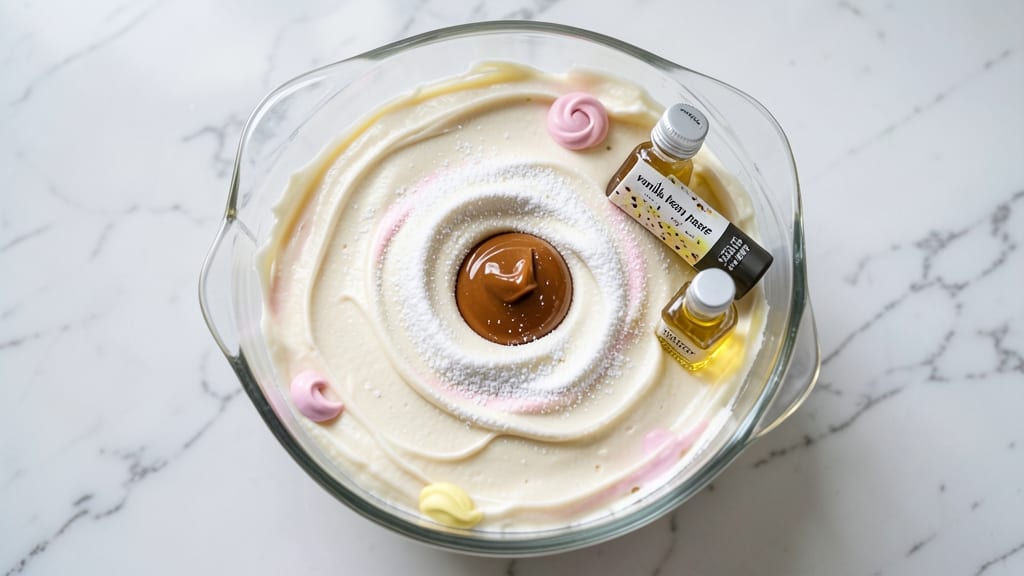
This best ever sugar cookie icing transforms ordinary cookies into showstopping treats with its velvety, non-grainy texture. The secret lies in a precise ratio of powdered sugar to butter, plus vanilla bean for depth—no lumps, just silky perfection.
I perfected this recipe after years of testing, and it never fails to impress, whether you're decorating holiday cookies or everyday favorites.
The foundation is simple: 3 cups powdered sugar, ½ cup unsalted butter, and 1 teaspoon vanilla extract, whipped together until light and fluffy. The butter keeps it smooth, while the vanilla adds warmth without overpowering.
For extra stability, I add 1 tablespoon milk—just enough to create a spreadable but pipeable consistency that stays put on cookies for hours.
What sets this apart is its foolproof technique—no overmixing, no graininess, and no waiting for it to set. The icing holds its shape for piping but remains soft enough to spread, making it ideal for flooding cookies, creating borders, or drizzling.
It’s the kind of frosting that makes every bite taste like a bakery masterpiece.
For variations, swap vanilla for almond extract for a nutty twist or add food coloring for festive hues. This recipe scales perfectly for batches of 24 cookies or a single dozen—just adjust the quantities. Ready to elevate your cookies? Let’s get started.
Ingredients for best ever sugar cookie icing
Eight ingredients, one perfect icing—no lumps, just velvety smoothness every time.
| Ingredient | Amount | Notes |
|---|---|---|
| Powdered Sugar 🍚 | 3 cups | Sifted for smooth texture |
| Unsalted Butter 🧈 | ½ cup | Softened but not melted |
| Vanilla Extract 🌿 | 1 tsp | Pure vanilla preferred |
| Milk 🥛 | 1 tbsp | Whole milk for creaminess |
| Vanilla Bean Paste 🌿 | ½ tsp | For extra depth (optional) |
| Food Coloring 🎨 | ¼ tsp | Gel-based preferred (optional) |
| Almond Extract 🌰 | ½ tsp | For nutty variation (optional) |
| Heavy Cream 🥛 | ¼ cup | For extra stability (optional) |
The powdered sugar is non-negotiable—Domino brand is my go-to since it's sifted and fine. Butter matters too: Plugrá or Land O'Lakes unsalted work best, but any good quality will do. The vanilla? Pure extract or vanilla bean paste—no imitation stuff here. I always buy extra because it makes such a difference. Milk is just enough to bind it all without thinning the texture. For the vanilla bean paste, Trader Joe's has a great one that's affordable.
No vanilla extract? Almond extract at half the amount gives a nice twist. Want color? Gel food coloring stays vibrant longer than liquid. Short on milk? Heavy cream at half the quantity makes it even more stable. The butter needs to be softened but not melted—microwave for 20 seconds if it's too cold. Skip the vanilla bean paste if you're on a budget, but trust me, it's worth it for that extra depth. And if you're making a big batch, double everything—this icing scales perfectly.
This icing stays fresh for 1 week in the fridge, covered tightly. For longer storage, freeze portions in 1-tbsp scoops—thaw and rewhip as needed. It's perfect for piping, flooding, or drizzling, and it holds its shape beautifully. I always make extra because it disappears fast—especially during the holidays. Keep it in an airtight container to avoid moisture.
Why You'll Love This Recipe
- Five-Minute Mix: I swear by this—just cream butter, sift powdered sugar, and fold in vanilla until it’s smooth. No stand mixer, no stress, just a bowl and a spatula. That vanilla bean paste? It’s the secret that makes it taste like a bakery, not a shortcut.
- Velvet Smooth Magic: The butter-to-sugar ratio here is spot-on: rich but not greasy, sweet but not cloying. The milk loosens it just enough to pipe perfectly, and that real vanilla bean paste? It’s the difference between "decent" and "I’d drive across town for this."
- Party in a Jar: This icing keeps beautifully in the fridge for up to a week, so I make a big batch and use it for cookies, cake boards, or even drizzling over donuts. Honestly, it’s my go-to for holidays, birthdays, or just because—no one ever guesses it’s this easy.
- Budget Luxury: Powdered sugar and butter are pantry staples, and a little vanilla bean paste goes a long way. I’ve made this for under $5 and still felt like I was serving something special. Plus, leftovers? Free dessert for days. Win.
Step-by-step instructions for vanilla bean frosting that never becomes grainy
Here's the foolproof method for silky-smooth frosting that stays creamy and never turns grainy.
Cream the Butter and Powdered Sugar
In a large mixing bowl, combine the 0.5 cup unsalted butter and 3 cups powdered sugar. I use a hand mixer here for better control—beat on medium speed for 2-3 minutes until the mixture looks light and fluffy. You're not just mixing; you're incorporating air to create that signature smooth, velvety texture.
This step is where the magic happens. If you rush it, you'll end up with a dense, cakey frosting. Keep an eye on the consistency—it should resemble thick, pale whipped cream. The butter should be fully incorporated without any visible lumps, and the sugar should be completely dissolved.
Add Wet Ingredients for Stability
With the mixer running on low speed, gradually add the 1 tablespoon milk, 0.25 cup heavy cream, 1 teaspoon vanilla extract, and 0.5 teaspoon vanilla bean paste. Let the mixture blend for 1-2 minutes until fully combined and completely smooth. The heavy cream adds stability, preventing the frosting from becoming too soft or melting too quickly.
Here's the thing—adding the liquids slowly prevents sudden changes in texture. If you dump them all at once, you might end up with a runny mess. The vanilla bean paste gives that extra depth of flavor, but if you're skipping it, just use the extract. The mixture should now be thick but still pipeable—like a soft buttercream.
Incorporate Flavor and Color
Add the 0.25 teaspoon food coloring and 0.5 teaspoon almond extract to the bowl. Mix on low speed for 30 seconds until the color is evenly distributed. The almond extract adds a subtle nutty note that pairs perfectly with vanilla, but it's optional if you prefer classic vanilla flavor.
If you're using gel-based food coloring, you'll only need a tiny amount—it's more concentrated than liquid dyes. Mix just until the color is uniform; overmixing can introduce air bubbles. The frosting should now be a smooth, vibrant color with no streaks. Taste it—it should be sweet, aromatic, and perfectly balanced.
Test and Adjust Consistency
Spoon a small amount of frosting onto a plate and let it sit for 5 minutes. If it spreads too much, add 1-2 tablespoons more powdered sugar and mix briefly. If it's too thick, add ½ teaspoon milk or heavy cream at a time until it reaches the perfect consistency—thick enough to hold peaks but still smooth and spreadable.
This adjustment step is critical. The frosting should hold its shape when piped but still be easy to spread. If you're piping onto cookies, it should form smooth, even swirls without collapsing. For decorating, it should be firm enough to hold intricate details but still soft enough to pipe cleanly. Trust your senses—this is where you fine-tune the perfect texture.
Use Immediately or Store Properly
Transfer the frosting to a piping bag fitted with your desired tip for decorating, or use a spatula to spread it onto your sugar cookies. Work quickly if you're decorating—this frosting is best used fresh for the smoothest finish. If you need to store it, cover it tightly with plastic wrap pressed directly against the surface to prevent a skin from forming.
For the best results, refrigerate for up to 3 days or freeze for up to 3 months. Before using, let it sit at room temperature for 10-15 minutes to soften. If it stiffens up in the fridge, simply re-whip it briefly with a hand mixer to restore its smooth consistency. This frosting is worth the effort—it's the secret to show-stopping sugar cookies every time.
Pro Tips For Making Best Ever Sugar Cookie Icing
- Weigh the Butter: Butter’s density changes with temperature—if you scoop it straight from the fridge, you’re adding way more fat than the recipe calls for. Use a kitchen scale and measure it softened (press your thumb into it; it should dent but hold shape). This keeps your icing from getting greasy or separating later.
- Whip the Butter First: Before adding powdered sugar, beat the butter and vanilla bean paste alone for 2-3 minutes until pale and fluffy. This incorporates air, which makes the final icing lighter and smoother—no more grainy lumps or dense globs when you spread it.
- Add Milk Gradually: Dumping all the milk at once turns the icing into a runny mess. Start with 1 tablespoon, mix, then add more one teaspoon at a time until it reaches the right consistency. You’ll use less than you think, and the texture stays silky instead of sticky or crumbly.
- Let It Rest: Once mixed, let the icing sit for 10 minutes before using. This gives the powdered sugar time to fully dissolve and the flavors to meld—no more clumping when you pipe or spread, and the vanilla aroma deepens. (Yes, even if you’re impatient like me.)
Regional styles of this dish
Midwest Classic
In the heartland, this icing is often called "cream cheese frosting" and gets a tangy twist with 2 ounces softened cream cheese blended into the base. I add ½ teaspoon lemon zest for brightness, which balances the sweetness perfectly.
This version is perfect for gingerbread cookies or snickerdoodles—it holds up beautifully in colder climates. 🥛
Southern Style
Down South, they love a richer version with ¼ cup melted white chocolate folded into the icing after it's cooled. The white chocolate adds a luxurious smoothness that pairs wonderfully with peppermint extract (⅛ tsp) for a festive holiday touch.
This version is especially popular for peanut butter cookies and oatmeal raisin cookies
New England Tradition
Up North, they keep it simple but add a touch of warmth with ½ teaspoon cinnamon and ¼ teaspoon nutmeg mixed directly into the powdered sugar before whipping. This spiced version is a staple for molasses cookies and shortbread
West Coast Twist
California bakers often infuse their icing with 1 teaspoon orange zest and a splash of almond milk (1 tbsp) instead of regular milk. This citrusy, nutty variation works beautifully with lemon bars and macarons
European Elegance
For a sophisticated touch, European bakers often use heavy cream (¼ cup) instead of milk and add 1 teaspoon lemon juice for acidity. This creates a lighter, more delicate frosting perfect for French macarons or Italian almond biscotti
Holiday Special
During the holidays, I like to make a spiced rum version by adding 1 teaspoon spiced rum and ½ teaspoon cinnamon to the base. This rich, aromatic icing is perfect for gingerbread houses and peppermint bark cookies
Nutrition facts
Frequently asked questions
Why does my sugar cookie icing turn grainy?
Graininess usually happens when powdered sugar clumps aren't fully dissolved or butter isn't softened enough. Always sift your powdered sugar first, and make sure your butter is softened but not melted. Mix on medium speed for 2-3 minutes to fully incorporate air and dissolve sugar completely. If it happens, add 1 teaspoon milk and rewhip briefly.
Can I make this icing ahead of time?
Yes! This frosting keeps well in the fridge for 3 days covered tightly. For longer storage, freeze in 1-tbsp portions—thaw and rewhip until smooth. The texture may firm up slightly when chilled, but it always comes back to perfection. Just let it sit at room temperature for 10-15 minutes before using.
What's the difference between this frosting and royal icing?
This is a buttercream-style frosting with a rich, spreadable texture, while royal icing uses egg whites or meringue powder for a firmer, more stable consistency. Royal icing is better for intricate piping (like lace designs), while this version is ideal for flooding cookies or creating soft borders. Think of it as the "eat-it-off-the-spatula" cousin to royal icing!
How do I adjust the sweetness level?
If you prefer less sweetness, reduce powdered sugar by ½ cup and add 1 teaspoon lemon juice to balance. For extra sweetness, add 1-2 tablespoons corn syrup (it dissolves easily and adds moisture). Always taste as you go—this frosting is forgiving, but subtle adjustments make all the difference.
Can I use this frosting for cupcakes instead of cookies?
This frosting works beautifully on cupcakes—just pipe it directly onto the top or spread it with a spatula. For extra height, chill the cupcakes for 15 minutes first so the frosting holds better. The rich texture pairs perfectly with vanilla or chocolate cupcakes, and it's stable enough for swirls or rosettes. Just work quickly in warm kitchens!