
Desserts
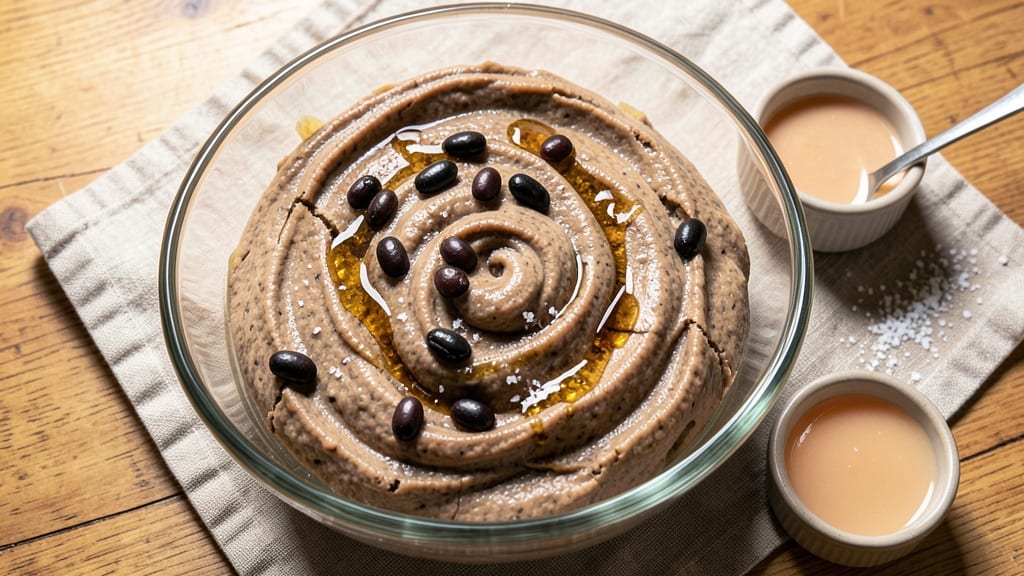
This bean cookie dough recipe transforms humble black beans into a rich, fudgy no-bake treat that rivals traditional dough—but with plant-based protein and no eggs or dairy. The secret lies in blending cooked beans with vanilla bean extract, creating a silky, cookie-like texture that holds together perfectly without baking.
I developed this after craving cookie dough during a vegan baking challenge, and it quickly became my go-to for guilt-free indulgence.
The magic happens when you blend the beans until completely smooth, then mix in melted coconut oil and vanilla extract for that classic cookie dough flavor. Unlike store-bought versions, this dough stays firm yet pliable—ideal for rolling into balls or pressing into cookie shapes.
The vanilla bean adds depth, while a pinch of salt balances the sweetness, making it taste surprisingly sophisticated.
What you’ll end up with is a crunchy-edged, chewy-center cookie dough that’s ready to eat straight from the bowl or baked into cookies. It’s naturally gluten-free, packed with fiber, and holds together like traditional dough—no crumbling or falling apart.
The beans provide structure while keeping it moist, so you won’t miss the butter or eggs.
Perfect for holiday gifting, meal prep, or satisfying a sudden craving, this recipe proves plant-based desserts can be just as indulgent. Let’s get mixing—your taste buds (and dietary restrictions) will thank you.
Ingredients for bean cookie dough
This vegan cookie dough transforms simple pantry staples into a rich, no-bake treat that tastes like indulgence.
| Ingredient | Amount | Notes |
|---|---|---|
| Canned Black Beans 🌱 | 1 ½ cups | Drained and rinsed thoroughly |
| Vanilla Bean Extract 🌿 | 1 ½ tbsp | Pure vanilla bean preferred |
| Unrefined Coconut Oil 🥥 | ½ cup | Melted, not solid |
| Pure Maple Syrup 🍁 | ¼ cup | Grade B for rich flavor |
| Vanilla Sugar 🍬 | 2 tbsp | Or vanilla bean seeds scraped |
| Unsweetened Applesauce 🍎 | ¼ cup | For moisture and binding |
| Almond Flour 🌰 | ½ cup | Fine texture preferred |
| Sea Salt 🧂 | ½ tsp | Fine grain preferred |
| Dark Chocolate Chips 🍫 | ½ cup | Vegan, 70% cocoa minimum |
| Chopped Walnuts 🌰 | ¼ cup | Toasted for extra flavor |
| Ground Flaxseed 🌾 | 1 tbsp | For binding, mix with 3 tbsp water |
| Powdered Sugar 🍬 | 2 tbsp | Optional, for extra sweetness |
The black beans are the star here—Trader Joe's or Whole Foods carry the best canned varieties with no added salt. If you can't find vanilla bean extract, split a vanilla bean and scrape the seeds into your dough for that authentic flavor. The coconut oil needs to be melted, so microwave it in 30-second bursts until just liquid. I always grab Grade B maple syrup for that deeper, caramel-like taste—it's worth the extra few bucks. The almond flour should be fine, not coarse, or your dough will be gritty.
No vanilla sugar? Mix 1 tbsp vanilla extract with 1 tbsp powdered sugar as a substitute. Running low on applesauce? Mashed banana or pumpkin puree works in a pinch, though the flavor shifts slightly. The chocolate chips must be vegan—check labels for dairy traces. If you can't find dark chocolate chips, melt vegan chocolate bars and let them cool. For the walnuts, toast them in a dry pan for 3-4 minutes until fragrant, then chop. The flaxseed is key for binding, so don't skip it—just mix it with water first to form a gel-like consistency.
This dough keeps beautifully in the fridge for 5-7 days, wrapped tightly in parchment paper. For longer storage, portion into balls and freeze for up to 3 months. I like to roll the dough into 1-inch balls before freezing—they're perfect for quick snacking or baking. If you're gifting, these hold together perfectly and look stunning on a platter. The flavor actually improves after a day or two in the fridge, so make it ahead if you can.
Why You'll Love This Recipe
- No-Fuss Pantry Magic: I swear by this recipe when I forget to grocery shop—just open a can of black beans, drain them, and blend with coconut oil and maple syrup. That’s it. The vanilla bean extract and vanilla sugar turn it into something actually sweet and cozy, not just a sad bean mash.
- Rich Like Dessert: The maple syrup and vanilla sugar give it a deep, caramelized sweetness that’s way more complex than store-bought cookie dough. Honestly, the texture is almost like a thick, fudgy brownie batter—creamy but with that satisfying chew from the beans. (Yes, even my cookie-dough-skeptical husband licks the spoon.)
- Dough for Everything: Use it as a dip for apple slices, swirl it into oatmeal, or bake it into cookies. I’ve even spread it on toast with a sprinkle of cinnamon—it’s the ultimate snack hack. The best part? It keeps for days in the fridge, so I’m never stuck without something quick to grab.
- Budget-Friendly Indulgence: A can of beans and a jar of maple syrup cost way less than pre-made dough, but this tastes like a gourmet treat. Between us, I’ve made this with expired spices and still ended up with something delicious. It’s my go-to when I want to feel fancy without breaking the bank.
Step-by-step instructions for no-bake vanilla bean cookie dough
Here's how to transform humble pantry staples into rich, fudgy cookie dough without a single oven turn-on.
Create the Flaxseed Egg Substitute
In a small bowl, whisk together the 1 tablespoon ground flaxseed with 3 tablespoons water. Let it sit for 5 minutes until it thickens into a gel-like consistency—this is your egg substitute. The mixture should resemble raw egg whites in viscosity, forming a smooth, slightly sticky paste.
This binding agent mimics the structure of eggs while adding a subtle nutty depth to the dough. If you're impatient, you can wait 3 minutes, but full 5 minutes ensures maximum binding power. I always test the consistency by lifting the mixture with a spoon—it should hold its shape briefly before dripping.
Blend the Wet Ingredients to Silky Smoothness
In a food processor or high-powered blender, combine the drained 1.5 cups black beans, 0.5 cup melted unrefined coconut oil, 0.25 cup pure maple syrup, 1.5 tablespoons vanilla bean extract, and the flaxseed egg mixture. Process until completely smooth, scraping down the sides as needed—this ensures even distribution of the vanilla bean's aromatic compounds.
The mixture should be velvety with no visible bean particles. If it's too thick, add 1 tablespoon water at a time until it reaches a smooth, pourable consistency. This step is where the magic happens—the beans dissolve completely, creating the perfect texture foundation for our cookie dough.
Incorporate Dry Ingredients for Perfect Texture
Add the 0.5 cup almond flour, 0.5 teaspoon sea salt, 2 tablespoons vanilla sugar, and 2 tablespoons powdered sugar to the wet mixture. Pulse just until combined—overmixing develops gluten and makes the dough tough. You're aiming for a thick, spreadable consistency similar to traditional cookie dough.
Here's the thing—almond flour absorbs moisture differently than wheat flour, so don't be surprised if the mixture looks slightly dry at first. It will come together as you work it. If it's still crumbly after mixing, add 1 teaspoon of the melted coconut oil to help bind everything. The final texture should be soft but not sticky enough to drip.
Fold in Chocolate and Nuts for Maximum Crunch
Using a silicone spatula, gently fold in the 0.5 cup dark chocolate chips and 0.25 cup chopped walnuts until evenly distributed. The chocolate should be broken into small chunks while maintaining some texture, and the walnuts should be scattered throughout. Be careful not to overmix—just enough to combine everything without breaking down the chocolate.
This is where the flavor profile comes together. The toasted walnuts add a satisfying crunch that contrasts beautifully with the soft, fudgy texture. I like to taste the mixture at this stage to adjust sweetness—if it needs more, add another 1 teaspoon of vanilla sugar or 1 teaspoon of maple syrup. The dough should taste rich but not cloyingly sweet.
Chill and Set for Perfect Consistency
Transfer the cookie dough to an airtight container and refrigerate for at least 1 hour (up to 24 hours). This chilling step is crucial—it allows the flavors to meld and the texture to firm up slightly, making it easier to scoop and shape. The dough will thicken as it cools, but it should still be soft enough to roll between your fingers.
When you're ready to serve, give the dough a quick stir to redistribute any settled ingredients. The final texture should be thick, spreadable, and just firm enough to hold its shape when scooped. If you've chilled it overnight, you might need to let it sit at room temperature for 10 minutes before serving to soften slightly—this makes it easier to roll into balls or spread on crackers.
Pro Tips For Making Bean Cookie Dough
- Drain and Rinse Beans Thoroughly: I learned this the hard way—skipping this step leaves your dough with a metallic aftertaste. Dump those beans in a colander, give them a good cold water rinse, and shake off the excess. The starchy water is the real villain here.
- Use Room-Temperature Coconut Oil: Cold coconut oil turns your dough into a lumpy mess. Scoop it out 10 minutes early, let it soften, then mix it in—it’ll blend smoother and give that perfect spreadable texture. (Yes, even if you’re impatient like me.)
- Mash Beans Until Smooth: Lumpy dough means uneven texture. Use a fork first, then switch to a potato masher or even a food processor for 10 seconds—just until it’s silky. Overmixing turns it gluey, but under-mixing means you’ll taste those bean bits.
- Balance Sweetness with Vanilla: Maple syrup’s intensity sneaks up on you. Start with half the amount listed, taste, then add more if needed—vanilla sugar and extract will round it out. I was skeptical until I tried it; the dough’s flavor actually brightens instead of clashing.
Storing and reheating this dish
Refrigerator Storage
Store your bean cookie dough in an airtight container with parchment paper pressed directly against the surface to prevent sticking. The dough keeps beautifully in the fridge for 5-7 days, with flavors actually deepening over time. I like to portion it into 1-inch balls before storing—this makes it perfect for quick snacks or baking later. Just
Freezer Storage
For longer storage, portion the dough into 1-inch balls or press it into a parchment-lined loaf pan before freezing. Wrap each portion tightly in plastic wrap or place in a freezer-safe bag with all air removed. This dough freezes for up to 3 months without losing texture or flavor. When ready to use, thaw in the fridge overnight or at room temperature for 1-2 hours. The texture remains firm but still pliable—ideal for baking or eating straight from the freezer. ❄️
Thawing Techniques
If you've frozen the dough, the easiest method is to transfer it to the fridge 12 hours before serving. This slow thawing preserves texture better than microwave methods.
For a quicker approach, place the frozen dough balls in a sealed container and let them sit at room temperature for 1-2 hours. Avoid microwave thawing—it can make the dough greasy and lose its structure.
Always check for even thawing by pressing a portion between your fingers before shaping. 🔥
Reheating for Baking
If you're baking the dough after storage, there's no need to reheat it—just scoop and shape as usual. However, if you've chilled the dough and want to soften it slightly before baking, place it in the fridge for 10 minutes to firm up slightly.
This helps maintain shape during baking. For baked cookies, store them in an airtight container at room temperature for up to 5 days or freeze for 2 months. Reheat baked cookies in a 350°F oven for 2-3 minutes to restore freshness. 🍪
Texture Preservation
The key to maintaining the perfect texture after storage is proper moisture control. If your dough feels too dry after refrigeration, add 1 teaspoon of melted coconut oil and mix gently. If it's too sticky, chill for an additional 30 minutes.
The flaxseed binder helps maintain structure, but extreme temperature changes can affect it. Always store dough in single layers with parchment paper between layers to prevent sticking. This ensures each portion comes out perfectly every time. ✨
Gift-Worthy Packaging
When gifting, package the dough in clear plastic containers with a ribbon for a festive touch. Add a small note with serving suggestions—like rolling into balls or pressing into cookie shapes. The dough holds together beautifully when packed tightly.
For extra presentation, place a few chopped walnuts or dark chocolate chips on top before sealing. This makes it look stunning on a gift table while keeping the texture intact during shipping or storage. 🎁
Nutrition facts
Frequently asked questions
Why does this bean cookie dough hold together without eggs?
The magic comes from the flaxseed egg substitute and the smooth texture of blended black beans. The ground flaxseed mixed with water creates a gel-like binder that mimics eggs perfectly, while the beans provide natural structure. The coconut oil and almond flour also help create that classic cookie dough consistency without any dairy or eggs.
Can I make this recipe without a food processor?
Yes! If you don't have a food processor, use a high-powered blender or even a hand mixer with a whisk attachment. For the beans, mash them thoroughly with a fork or potato masher until completely smooth. You may need to strain the mixture through a fine-mesh sieve to remove any remaining lumps for the best texture.
Does this taste like actual cookie dough?
The vanilla bean extract gives it that classic cookie dough flavor, while the chocolate chips and walnuts add familiar crunch and sweetness. The texture is slightly denser than traditional dough (thanks to the beans), but it still has that rich, fudgy quality. Most people can't tell it's bean-based until I tell them!
Can I bake this dough into cookies?
Yes, you can! Scoop the dough into 1-inch balls and place them on a parchment-lined baking sheet. Flatten slightly with your palm, then bake at 350°F for 10-12 minutes until the edges are golden. The cookies will be soft and chewy with a crispy edge—perfect for a vegan treat. Just don't overbake, or they'll dry out.
What if my dough turns out too dry or crumbly?
Add 1 teaspoon of melted coconut oil and mix gently to restore moisture. If it's still crumbly, try adding 1 teaspoon of applesauce or maple syrup to help bind it. The key is blending the beans thoroughly—any remaining lumps can make the dough grainy. For best results, chill the dough for 1 extra hour to let flavors meld and texture improve.