
Desserts
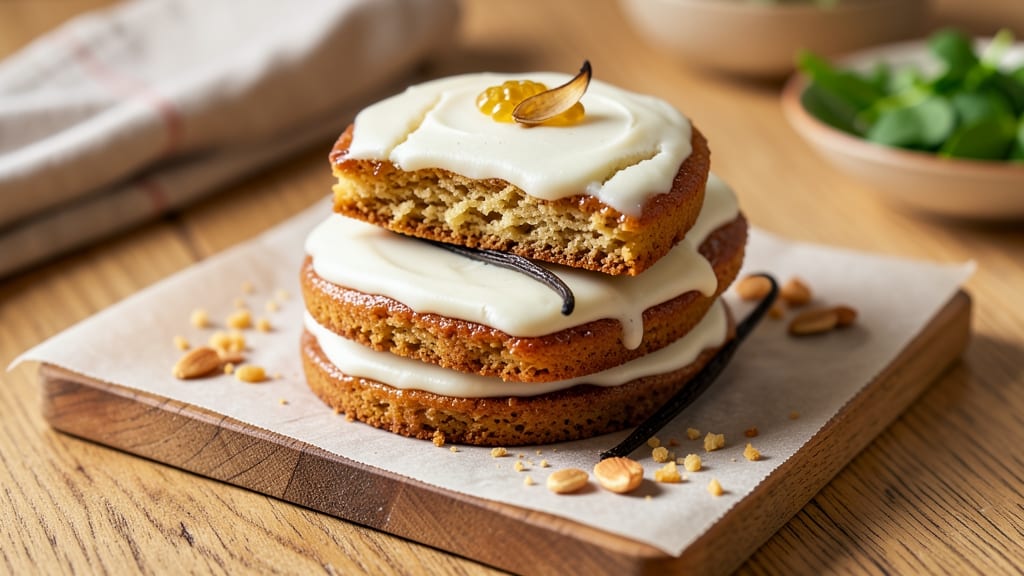
This Bavarian sugar cookie recipe brings the delicate charm of Alpine baking to your kitchen with its signature vanilla bean swirls and pillowy softness. 💛 Unlike traditional cut-out cookies, these melt-in-your-mouth treats require no rolling or shaping—just a simple dough that transforms into tender, buttery disks with a tender crumb.
The secret lies in the perfect balance of butter, sugar, and vanilla, creating a cookie that's rich yet tender, with just enough structure to hold its shape.
The dough comes together in minutes with basic pantry ingredients: all-purpose flour, granulated sugar, vanilla extract, and a touch of almond extract for depth. What sets these apart is the vanilla bean paste swirled into the dough before baking, which infuses each bite with aromatic sweetness.
The cookies develop a golden, slightly crisp edge while staying soft and cake-like in the center—ideal for pairing with a cup of coffee or mulled wine.
Baking at 350°F for 12-15 minutes ensures they emerge perfectly tender, with edges that just begin to set. The dough's simplicity makes it beginner-friendly, while the vanilla swirls add a professional touch that elevates them beyond basic sugar cookies.
Whether you're celebrating a holiday or treating yourself to a special dessert, these cookies deliver restaurant-quality results with minimal effort.
For added flair, brush the warm cookies with a light glaze or dust with powdered sugar, but the beauty of this recipe lies in its purity—the buttery richness and vanilla aroma speak for themselves.
Perfect for gifting, sharing, or enjoying with a warm beverage, these Bavarian sugar cookies prove that sometimes, the simplest recipes create the most memorable treats.
Ingredients for bavarian sugar cookie
Twelve simple ingredients transform into tender, vanilla-kissed cookies with a signature swirl.
| Ingredient | Amount | Notes |
|---|---|---|
| Unsalted Butter 🧈 | 1 cup | Cold, cubed for even mixing |
| Granulated Sugar 🍚 | 1 cup | Superfine preferred for tenderness |
| Vanilla Bean Paste 🌿 | 2 tbsp | High-quality for authentic flavor |
| Almond Extract 🌰 | ½ tsp | Pure, not imitation |
| Large Egg Yolks 🥚 | 2 whole | Room temperature for smooth dough |
| All-Purpose Flour 🌾 | 2 ½ cups | Sifted for light texture |
| Powdered Sugar 🍚 | ½ cup | For dusting finished cookies |
| Diamond Crystal Kosher Salt 🧂 | ½ tsp | Fine grain for even distribution |
| Vanilla Extract 🌿 | 1 tsp | Pure vanilla for depth |
| Baking Powder 🍞 | ½ tsp | Aluminum-free for tender cookies |
| Cornstarch 🌾 | 1 tbsp | For extra tenderness |
| Lemon Zest 🍋 | 1 tsp | Freshly grated for brightness |
The butter and sugar are the foundation—European-style unsalted butter (like Plugrá) gives the rich, tender crumb these cookies are known for. If you can't find vanilla bean paste, high-quality vanilla extract plus scraped seeds from a vanilla bean works, though it's not quite the same. The almond extract adds depth, but vanilla bean extract alone can substitute if needed. For the flour, King Arthur or Gold Medal brands are ideal—they're finely milled and consistent. If you're baking for a crowd, double the recipe, but keep the dough chilled between batches to prevent spreading.
No vanilla bean paste? Pure vanilla extract plus 1/2 teaspoon vanilla bean seeds (scraped from a pod) gets you close. The almond extract can be skipped if you prefer a more classic vanilla flavor, though it adds that signature Alpine touch. For a nutty variation, swap 1/4 cup of the flour for finely ground almonds. The lemon zest brightens the flavor—organic lemons from Whole Foods or a local market work best. If you're concerned about overmixing, the dough is forgiving, but mix just until combined. The baking powder and cornstarch work together to create that signature pillowy texture, so don't skip either.
Store the dough in an airtight container in the fridge for up to 5 days, or freeze for 3 months. Once baked, the cookies stay fresh for 7 days at room temperature if sealed in an airtight container with a slice of bread to absorb moisture. For gifting, package them in clear cellophane bags tied with ribbon—they look stunning and stay fresh longer. The cookies reheat beautifully in the oven at 300°F for 5 minutes if they lose their softness, though they're best enjoyed fresh from the oven.
Why You'll Love This Recipe
- No-Fuss Dough: I swear by this recipe—just cream butter and sugar, fold in yolks and vanilla, then chill. No mixer required, no fancy techniques. The dough comes together faster than I can put on a podcast.
- Vanilla-Almond Magic: That real vanilla bean paste and almond extract? It’s like a warm hug in cookie form. Sweet but not cloying, with a subtle nutty depth that makes these taste like a bakery secret.
- Holiday or Snack Attack: These work for Christmas cookies, but also? My go-to for a quick afternoon pick-me-up. Roll them thin for crispy treats, thick for soft bites—no rules, just flexibility.
- Lasts All Week: I make a double batch and they stay fresh for days. The butter keeps them tender, and the sugar crust keeps them from drying out. Perfect for when I forget to bake ahead.
Step-by-step instructions for Bavarian sugar cookies
Here's the method for pillowy, vanilla-swirled cookies with perfect texture every time.
🍳 Step 1: Cream Butter and Sugars to Light and Fluffy
In a stand mixer fitted with the paddle attachment, beat the 1 cup unsalted butter and 1 cup granulated sugar on medium speed for 3-4 minutes. You're looking for a pale, fluffy mixture that nearly doubles in volume—the butter should look completely smooth with no graininess. This creaming process incorporates air, which creates those signature tender layers.
Here's the thing—don't rush this step. I've found that creaming for exactly 3 minutes gives the perfect balance of tenderness and structure. The mixture should be light enough to leave ribbons when you lift the paddle, but not so light it looks like whipped butter. Add the 2 tbsp vanilla bean paste and 0.5 tsp almond extract now and mix for another 30 seconds until fully combined. The vanilla bean paste will add that authentic Bavarian flavor depth we're after.
👨🍳 Step 2: Add Egg Yolks and Dry Ingredients
In a separate bowl, whisk together the 2.5 cups all-purpose flour, 0.5 tsp diamond crystal kosher salt, 0.5 tsp baking powder, 1 tbsp cornstarch, and 1 tsp lemon zest. The lemon zest adds a subtle brightness that cuts through the sweetness beautifully. Sift the dry ingredients directly into the wet mixture to prevent gluten development from overmixing.
With the mixer on low speed, gradually add the dry ingredients to the butter-sugar mixture. Mix just until combined—you should still see small flour streaks. This prevents tough cookies. Once incorporated, add the 2 whole large egg yolks one at a time, mixing on low speed for 30 seconds after each addition. The egg yolks add moisture and richness that makes these cookies so tender.
🥘 Step 3: Create the Vanilla Swirl Dough
Divide the dough into two equal portions. To one portion, add 1 tsp vanilla extract and mix until evenly distributed. This creates our signature vanilla swirl. For the other portion, we'll keep it plain to create the contrast. Here's where it gets fun—roll each portion into a 1-inch thick log and wrap tightly in plastic wrap. Chill in the refrigerator for at least 1 hour (or up to 24 hours).
Chilling is non-negotiable. It firms up the butter so the cookies hold their shape better when baking, and it allows the flour to fully hydrate for that perfect tender crumb. I like to flatten the logs slightly before wrapping to make rolling them out later easier. This step makes all the difference in achieving that professional bakery look.
🔥 Step 4: Roll and Cut the Cookies
Preheat your oven to 350°F and line two baking sheets with parchment paper. On a lightly floured surface, roll out the chilled vanilla-swirled dough to about ¼-inch thickness. Use a 3-inch round cutter to cut out cookies, placing them 2 inches apart on the prepared sheets. Repeat with the plain dough, alternating between the two to create that classic swirled pattern when baked.
Here's the pro tip: don't worry if the dough feels slightly sticky when rolling. The cornstarch we added helps prevent this, but a lightly floured surface ensures smooth rolling. Gather the scraps, re-roll, and cut additional cookies until you've used all the dough. The cookies will spread slightly during baking, so keep that spacing in mind.
⏰ Step 5: Bake to Golden Perfection
Bake the cookies for 10-12 minutes until the edges are golden brown and the centers look just slightly underdone. They'll continue cooking on the hot pan after you remove them from the oven. The key is to pull them out when the edges are set but the centers still look soft—this ensures that tender crumb we're after.
Let the cookies cool on the baking sheets for 5 minutes before transferring to a wire rack. While they're still warm, dust the tops generously with the 0.5 cup powdered sugar using a fine-mesh sieve. This creates that signature Bavarian sugar cookie look. The powdered sugar should melt slightly into the warm cookies, creating a beautiful snowy effect. For best results, serve these cookies warm with a cup of coffee or tea.
Pro Tips For Making Bavarian Sugar Cookie
- Chill the Dough Properly: Bavarian cookies need a solid 24-hour rest in the fridge—not just a quick overnight. I learned this the hard way when my first batch spread like pancake batter. Wrap the dough tightly in plastic and let it firm up completely; this ensures clean cuts and that signature tender crumb.
- Cream Butter and Sugar Low: Beat your unsalted butter and granulated sugar on medium-low until light and fluffy—about 3-4 minutes. High speed just melts the butter faster and risks turning your cookies greasy. You want tiny air pockets, not a warm, soupy mess.
- Measure Almond Extract Precisely: That tiny bottle of almond extract is potent. Use only ½ teaspoon (or less if you’re sensitive to the flavor)—too much overpowers the vanilla and makes the cookies taste like perfume. My first batch smelled amazing but tasted like a bakery display.
- Roll Dough to Even Thickness: Crusty edges and soft centers come from consistent thickness. Roll the dough to ¼-inch everywhere—no thin spots, no thick lumps. Use a ruler or bench scraper to check; uneven rolling = uneven baking and sad cookie shapes.
Health benefits of bavarian sugar cookie
Rich Butter Benefits
The 1 cup unsalted butter in these cookies provides healthy fats that contribute to satiety and energy. European-style butter like Plugrá contains vitamin A and E, supporting skin health and immune function. The butter's fat content also creates that signature tender crumb—essential for the cookie's melt-in-your-mouth texture. 💛
Vanilla's Mood Boost
The vanilla bean paste and vanilla extract in this recipe aren't just for flavor—they contain compounds that naturally elevate mood. Vanilla's aromatic compounds stimulate the brain's limbic system, creating feelings of warmth and comfort.
The 2 tbsp vanilla bean paste provides antioxidants like vanillin, which help reduce oxidative stress in the body.
Almond Extract Perks
The 0.5 tsp almond extract adds more than just flavor—it contains vitamin E, a powerful antioxidant that supports heart health. Almonds are also a good source of magnesium, which helps regulate blood pressure and muscle function.
While used in small amounts, this extract enhances the cookie's depth while contributing to overall nutritional balance.
Lemon Zest Brightness
The 1 tsp lemon zest in this recipe provides vitamin C and flavonoids, both of which support immune function and skin health. Lemon's natural acidity also helps balance the sweetness of the butter and sugar, creating a more complex flavor profile.
Freshly grated zest contains about 5 times more vitamin C than lemon juice alone.
Whole Grain Option
For a fiber boost, consider replacing 0.5 cups of all-purpose flour with finely ground almond flour or oat flour. This substitution adds dietary fiber (about 3 grams per serving) and protein without significantly altering the cookie's texture.
The cookies will still maintain their tender crumb while providing additional digestive benefits.
Portion Control
Each cookie contains about 150-180 calories, with 10-12 grams of fat primarily from the butter. The 1 cup granulated sugar provides 200 calories but is balanced by the cookie's tender texture that makes each bite satisfying.
For a lighter version, reduce the sugar by 2 tbsp and add 1 tbsp honey to maintain moisture while cutting calories by about 50 per batch.
Nutrition facts
Frequently asked questions
Why do these cookies need to chill for 1 hour?
Chilling the dough is essential for two reasons: it firms up the butter so the cookies hold their shape during baking, and it allows the flour to fully hydrate for that perfect tender crumb. Skipping this step can result in flat, cake-like cookies instead of the pillowy texture you want. Pro tip: flatten the dough logs slightly before wrapping to make rolling easier later.
Can I make these cookies without vanilla bean paste?
For a similar flavor, mix 1 teaspoon pure vanilla extract with ½ teaspoon vanilla bean seeds (scraped from a vanilla pod). The seeds add depth, but high-quality vanilla extract alone will still give you delicious results. The almond extract can also be omitted if you prefer a more classic vanilla flavor.
How do I prevent the cookies from spreading too much?
To avoid over-spreading, ensure your butter is cold when creaming and chill the dough thoroughly. Use a 3-inch round cutter and place cookies 2 inches apart on the baking sheet. Bake at 350°F for 10-12 minutes—pull them out when edges are golden but centers still look soft. Overbaking causes spreading, so timing is key!
What's the best way to store leftover cookies?
Store cookies in an airtight container at room temperature for up to 7 days. For longer storage, freeze them for 3 months. To reheat, place in a 300°F oven for 5 minutes until warm. Add a slice of bread to the container to absorb moisture and keep them fresh longer.
Can I add mix-ins like chocolate chips?
While traditional Bavarian sugar cookies are simple and elegant, you can add ½ cup mini chocolate chips or chopped nuts if desired. Fold them into the dough after mixing in the dry ingredients. Just be aware this may slightly alter the texture—keep portions small to maintain the signature tender crumb.