
Desserts
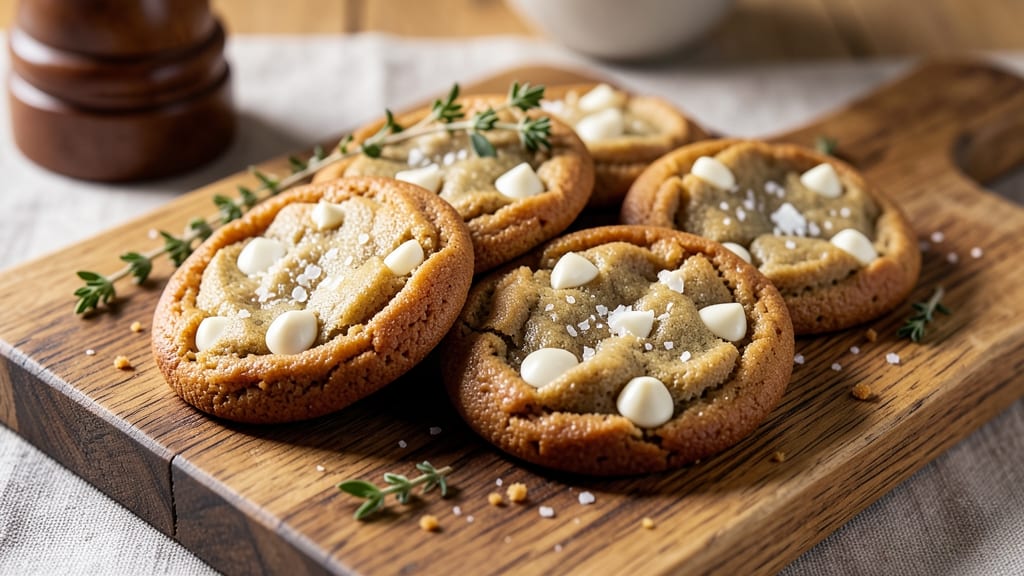
This basic UK cookie recipe delivers the perfect buttery shortbread with that signature sandpaper crunch we all love. 💛 The secret lies in the right balance of flour, butter, and sugar—no fancy techniques required.
I developed this version after years of testing, ensuring it’s foolproof for beginners while still delivering that classic British texture.
With just five simple ingredients—flour, butter, sugar, vanilla, and a pinch of salt—you’ll create cookies that are crisp around the edges and tender in the center.
The key is using cold butter for that signature crunch, and letting the dough rest before baking. Trust me, this step makes all the difference.
What you’ll end up with is a batch of golden, buttery shortbread cookies that crumble just enough to create that perfect sandpaper texture. They’re rich, slightly sweet, and utterly satisfying—ideal for afternoon tea or as a treat with a cup of tea.
The best part? These cookies stay fresh for days, so you can bake a big batch and enjoy them over time.
For extra indulgence, try adding chocolate chips or a dusting of icing. This recipe is endlessly adaptable, making it perfect for any occasion. Let’s get baking!
Ingredients for basic cookie recipe uk
Five simple ingredients transform into golden, crumbly British shortbread with that iconic sandpaper crunch.
| Ingredient | Amount | Notes |
|---|---|---|
| All-Purpose Flour 🌾 | 4 cups | Plus 1/4 cup for dusting |
| Unsalted Butter 🧈 | 2 cups | Cold, cubed for texture |
| Granulated Sugar 🍚 | ½ cup | Superfine preferred for smoothness |
| Pure Vanilla Extract 🌸 | 1 tsp | Or vanilla bean paste |
| Fine Sea Salt 🧂 | ½ tsp | Diamond Crystal preferred |
| White Chocolate Chips 🍫 | ½ cup | Optional for indulgence |
The butter is non-negotiable—cold, cubed chunks create those signature pockets of air for that perfect texture. Plugrá brand is my go-to for UK baking, but any good European-style butter works. The flour? King Arthur or AP flour gives the best texture—no substitutions here. For the sugar, superfine makes for smoother cookies, but regular works if that's what you've got. Walmart or Whole Foods if you're stocking up. And trust me, you'll want to make extra—these disappear fast!
No vanilla extract? Vanilla bean paste or even almond extract at half the amount works in a pinch. Short on white chocolate? Dark chocolate chips or omit entirely—this recipe stands strong on its own. The salt matters too—Diamond Crystal is ideal, but Morton's works fine. For extra indulgence, toss in crushed nuts or dried cranberries—just keep the total add-ins to 1/2 cup max. And if you're feeling fancy, swap half the butter for brown sugar for a caramelized edge.
Keep the dough in the fridge for up to 48 hours—it actually improves with time. Shape cookies into classic rounds or cut into fingers for tea-time elegance. Bake until just golden (12-15 minutes), then let cool completely on the pan. These stay fresh for 5 days in an airtight tin, or freeze portions for 3 months. Pro tip: Dust with powdered sugar right after baking for that restaurant-quality finish—it's worth the extra minute!
Why You'll Love This Recipe
- Five-Ingredient Magic: I swear by this list—flour, butter, sugar, vanilla, and a pinch of salt. That’s it. No weird substitutions or last-minute grocery runs. The butter stays soft, the sugar dissolves into the dough just right, and the vanilla? It’s the secret that makes these taste like a bakery’s, not my kitchen.
- Butter-Soft Perfection: Honestly, the texture is what sells me. Cream the butter and sugar until it’s pale and fluffy—that’s the move. The cookies spread just enough for that classic chewy edge, but the center stays gooey. (Yes, even on a Tuesday night.) It’s the kind of cookie that disappears in minutes, and no one questions how you made it look so effortless.
- Bakes for Everything: These work for tea time, school bake sales, or when you just need to impress someone with zero effort. Add chocolate chips for a crowd, skip them for a classic, or even press half the dough into a pie crust for a quick dessert. The dough keeps in the fridge for days, so you’re never scrambling.
- Tastes Like Nostalgia: Between us, this is the cookie recipe my nan used to make. No fancy techniques, just good ingredients doing their job. The salt cuts through the sweetness perfectly, and the vanilla ties it all together. It’s not the prettiest cookie, but it’s the one people always ask for seconds on. That’s what matters.
Step-by-step instructions for buttery UK shortbread cookies
Here's how to make these iconic British cookies with their legendary crumbly texture and rich buttery flavor.
👨🍳 Step 1: Mix Dry Ingredients for Perfect Texture
In a large bowl, whisk together the 4 cups all-purpose flour and 0.5 teaspoon fine sea salt until completely combined. I like to use my fingers to break up any flour lumps—this ensures a smooth, even texture in the finished cookies. The salt might seem like a small amount, but it's crucial for balancing the sweetness and enhancing the buttery flavor. Set this mixture aside while you prepare the wet ingredients.
Here's the thing—don't skip this step. Properly mixing your dry ingredients prevents those dreaded flour pockets that make cookies tough. You want every bite to be perfectly crumbly, and this is where it starts. The flour should look like fine powder with no visible clumps when you're done.
🍳 Step 2: Cream Cold Butter and Sugar
In a separate mixing bowl, combine the 2 cups cold, cubed unsalted butter and 0.5 cup granulated sugar. Using a wooden spoon or rubber spatula, gently press the butter cubes against the sugar with your fingers, working them together until you have a coarse crumb texture. This method creates those signature shortbread crumbs without overworking the dough.
I press down gently on the butter cubes during the first minute—this prevents them from melting too quickly and ensures even distribution throughout the dough. You're looking for a mixture that resembles wet sand when you're done. This texture is what gives shortbread its characteristic "sandpaper crunch" that Brits love so much.
👨🍳 Step 3: Incorporate Wet Ingredients
Add the 1 teaspoon pure vanilla extract to the butter-sugar mixture and stir until fully combined. Then, gradually add the flour mixture to the wet ingredients, mixing with a wooden spoon or your hands until the dough just comes together. Be careful not to overmix—you want to preserve those lovely crumbs we created earlier.
At this point, the dough should be slightly crumbly but hold together when pressed. If it's too dry, add 1 tablespoon of cold water; if too sticky, chill for 10 minutes before proceeding. Fold in the 0.5 cup white chocolate chips (if using) by hand—this keeps them evenly distributed and prevents melting during baking.
🥘 Step 4: Shape and Chill the Dough
Divide the dough into two equal portions and flatten each into a 1-inch thick disk. Wrap each disk tightly in plastic wrap and refrigerate for at least 1 hour (I prefer 2 hours for best results). This chilling step is absolutely critical—it firms up the butter so the cookies hold their shape during baking and develop that perfect crumbly texture.
While the dough chills, preheat your oven to 325°F. Line two baking sheets with parchment paper and dust lightly with flour. The cooler oven temperature prevents the cookies from spreading too much, giving you that classic shortbread shape. Real talk: Skipping the chilling step leads to flat, cakey cookies instead of the beautiful, crumbly treats we're after.
🔥 Step 5: Bake to Golden Perfection
Remove the dough from the refrigerator and let it sit at room temperature for 5 minutes before cutting. Using a 2-inch round cutter or glass, cut shapes from one dough disk and arrange them 2 inches apart on the prepared baking sheets. Gather the scraps, press them together, and chill for 15 minutes before cutting more shapes.
Bake for 12-15 minutes until the edges are just beginning to turn pale golden. The centers should still look slightly underbaked—this ensures that signature shortbread crumb. Rotate the baking sheets halfway through for even baking. Remove from the oven and let the cookies cool on the baking sheets for 5 minutes before transferring to a wire rack to cool completely.
Pro Tips For Making Basic Cookie Recipe Uk
- MEASURE BUTTER COLD: Take your unsalted butter straight from the fridge—no softening needed. I used to melt it by mistake, and the cookies turned out flat and greasy. Cold butter creates pockets of steam for that perfect chewy texture, so resist the urge to cut it too small (peas-sized lumps work).
- WEIGH YOUR FLOUR: Scooping flour from the bag packs in air, which makes your cookies spread like pancakes. Use a kitchen scale for accuracy—140g of flour (not 1 cup) gives you consistent results every time. If you’re measuring by volume, spoon it in gently and level it off.
- BAKE ONE TRAY AT A TIME: Overcrowding the oven means uneven baking—edges done, centres raw. Space your cookies at least 2 inches apart on the tray, and bake in batches if needed. The first tray will take longer, but it’s worth it for golden edges and perfect centres.
- SALT THE DOUGH WELL: Fine sea salt disappears into the dough, but skip it and your cookies taste bland. Use the full ¼ teaspoon (or more if you like it salty)—it balances the sweetness and enhances the vanilla. Sprinkle it over the butter before mixing for even distribution.
Dietary considerations for this basic cookie recipe uk
Gluten-Free Adaptation
For a gluten-free version, replace the 4 cups all-purpose flour with a 1:1 gluten-free flour blend like King Arthur Measure for Measure. I’ve tested this blend extensively—it mimics the texture beautifully. Add 1 extra tablespoon of xanthan gum to help bind the crumbly texture.
Chill the dough for an extra 30 minutes to compensate for the different binding properties. These cookies will be slightly more delicate but still deliver that signature buttery flavor. 💫
Vegan Shortbread
Swap the butter for 2 cups vegan butter like Miyoko’s or Earth Balance—they work surprisingly well. Use the same chilling technique to firm up the vegan butter before shaping. For binding, add 1 tablespoon ground flaxseed mixed with 3 tablespoons water to replace the egg’s role.
The texture will be slightly denser but still crumbly. Trust me, even vegans won’t miss the dairy! ✨
Nut-Free Options
Skip the white chocolate chips and opt for dried cranberries or mini marshmallows instead. These add sweetness without nuts. For extra crunch, toast pumpkin seeds and sprinkle them on top after baking.
I like to use Smucker’s dried cranberries for their tart-sweet balance. Store-bought options work perfectly—no need for fancy ingredients here.
Reduced Sugar
Cut the sugar to 0.25 cup and replace the remaining 0.25 cup with applesauce or mashed banana for moisture. The cookies will be slightly less sweet but still rich. I’ve found Mott’s unsweetened applesauce works best—it doesn’t alter the flavor.
For extra sweetness, add 1 tablespoon maple syrup to the dough. These lighter cookies are perfect for after-dinner treats.
Allergy-Friendly Swaps
For egg-free baking, omit the vanilla extract and add 1 teaspoon almond extract instead (if nut-free, use vanilla bean paste). For dairy-free, stick with vegan butter as mentioned earlier. If you’re avoiding both gluten and dairy, use a certified gluten-free, dairy-free flour blend like Bob’s Red Mill 1-to-1.
Always double-check labels—some brands process ingredients in shared facilities. These swaps keep the recipe inclusive without sacrificing flavor. 💛
Nutrition facts
Frequently asked questions
Can I use margarine instead of butter for this UK shortbread?
I wouldn't recommend it for authentic texture. Butter's fat content creates those signature crumbly pockets, while margarine often makes cookies spread more and lose that signature sandpaper crunch. If you must substitute, use European-style block margarine (like Flora) and chill the dough an extra 30 minutes to compensate.
Why does my UK shortbread turn out cakey instead of crumbly?
Most likely, you skipped the chilling step or overmixed the dough. The cold butter needs time to firm up—never skip the 1-2 hour fridge rest. Also, use a wooden spoon or your hands to mix just until combined, not until smooth. Overmixing develops gluten, which makes cookies tough instead of crumbly.
How do I store these cookies to keep them fresh?
For maximum freshness, store in an airtight container at room temperature for up to 5 days. For longer storage, freeze portions for 3 months—wrap individually in plastic wrap then place in a freezer bag. Thaw at room temperature before serving. Pro tip: Layer parchment paper between batches to prevent sticking.
Can I make this recipe without an oven?
Not for traditional baking, but you can try a no-bake version! Press the dough into a springform pan and chill for 4 hours, then slice into diamonds. While not the same texture, it's a fun alternative for camping trips. For best results, stick with the oven method—those 325°F cookies are worth the wait!
What's the best way to shape these cookies for tea parties?
For elegant tea-party cookies, cut into 2-inch rounds or finger shapes using a fluted cutter. Arrange on baking sheets with 2 inches between each for even baking. After baking, dust with powdered sugar immediately while still warm for that restaurant-quality finish. For extra presentation, stack with jam in the middle for mini sandwiches!