
Desserts
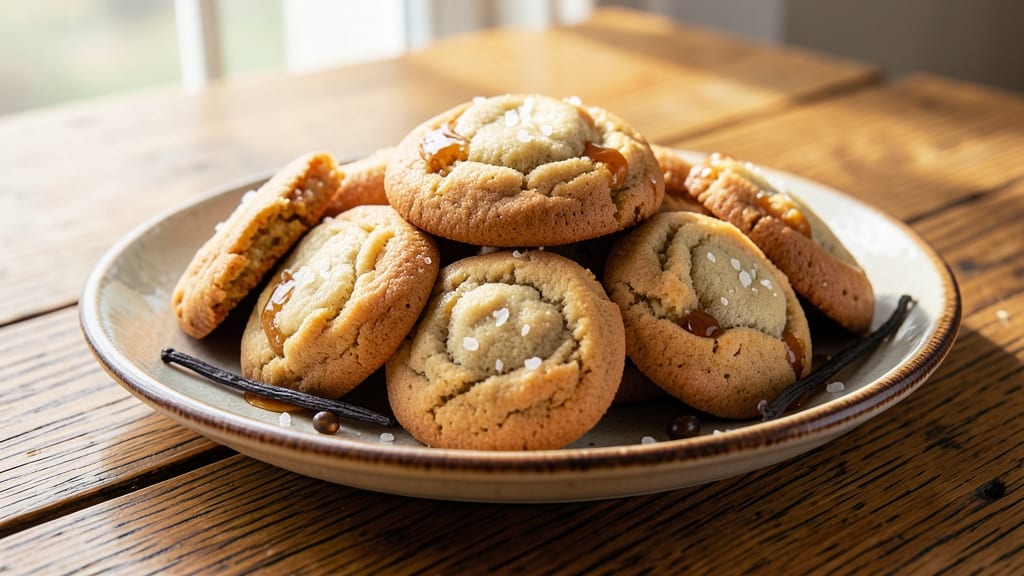
This basic cookie recipe no butter delivers chewy, crispy-edged cookies using just oil, eggs, and pantry staples—no dairy required. ✨ The secret lies in the right oil-to-egg ratio, which creates that signature texture without butter's richness.
I developed this after realizing most cookie recipes rely on butter, leaving out those with dietary restrictions or limited ingredients.
The magic happens with a simple mix of oil, eggs, and flour, plus a pinch of baking soda for lift. Unlike traditional recipes, this version uses vegetable oil for moisture and flavor, while eggs bind everything together.
The result? Cookies with a satisfying crunch and chewy centers that stay fresh for days. Perfect for bakers who want great results with minimal ingredients.
What makes these cookies special is their versatility—swap in applesauce for oil if you prefer, or add chocolate chips for extra indulgence. The dough comes together in minutes, and baking time is precise to avoid overcooking. You'll end up with cookies that taste homemade, even if you're not using butter.
Whether you're avoiding dairy or just want a simpler recipe, these cookies prove you don't need butter for great flavor. The texture is foolproof, and the taste is undeniably satisfying. Ready to bake?
Ingredients for basic cookie recipe no butter
Pantry staples plus eggs and oil—no butter needed for these chewy, crisp-edged cookies.
| Ingredient | Amount | Notes |
|---|---|---|
| All-Purpose Flour 🌾 | 2 ½ cups | Spooned and leveled, not scooped |
| Granulated Sugar 🍚 | 1 cup | Lightly packed for accuracy |
| Vegetable Oil 🫒 | ¾ cup | Light or neutral oil preferred |
| Large Eggs 🥚 | 2 whole | Room temperature for even mixing |
| Vanilla Extract 🌸 | 1 tbsp | Pure extract, not imitation |
| Baking Soda 🧂 | ½ tsp | Freshly opened for lift |
| Salt 🧂 | ½ tsp | Fine sea salt preferred |
| Chocolate Chips 🍫 | 1 cup | Semi-sweet, optional for indulgence |
| White Chocolate Chips 🍫 | ½ cup | Optional, for contrast |
| Unsweetened Applesauce 🍎 | ¼ cup | Substitute for oil if preferred |
| Cinnamon 🌿 | ½ tsp | Ground, for subtle warmth |
The flour is everything here. King Arthur or Gold Medal brands give the best texture, but any all-purpose works. Spoon and level the flour—scooping packs it down and throws off the ratio. Sugar matters too: Domino or C&H granulated is consistent, but if you grab a fancy raw sugar, sift it first. The oil? Vegetable or canola is neutral and reliable—avoid coconut oil, which adds flavor. Eggs should be room temp, so pull them out 10 minutes before mixing. Fresh baking soda is a must—if yours is over a year old, toss it and buy a new box.
No chocolate chips? Dried cranberries or nuts add texture without changing the base recipe. Want to swap the oil? Applesauce works 1:1, but the cookies will be slightly denser. Short on vanilla? Almond extract at half the amount gives a different but delicious twist. The cinnamon is optional, but I always add it—it enhances the sweetness and pairs well with chocolate. For extra richness, add 1 tbsp cocoa powder to the dry ingredients. And if you're feeling fancy, flaky sea salt sprinkled on top after baking takes these to the next level.
Store cookies in an airtight container at room temperature for up to 5 days, though they're usually gone in 2. For longer storage, freeze portions in a single layer before transferring to a bag—keeps for 3 months. Reheat in the oven at 300°F for 5 minutes to revive crispiness. These cookies also freeze beautifully fresh out of the oven, so double the batch and thank me later. The dough can be chilled for 24 hours if you want to prep ahead—it actually develops better flavor that way.
Why You'll Love This Recipe
- Here’s what sold me: the oil keeps them tender inside while the edges get that perfect golden crunch. Not too soft, not too cakey—just the way I like my cookies. (Yes, even on a Tuesday night.)
- Pantry Staples Only: I swear by this recipe because it uses what I always have—no special trips to the store. Just flour, sugar, oil, eggs, and a splash of vanilla. That’s it. No butter to melt, no chilling dough for hours—just mix, bake, and enjoy.
- Crispy-Chewy Magic: Here’s what sold me: the oil keeps them tender inside while the edges get that perfect golden crunch. Not too soft, not too cakey—just the way I like my cookies. (Yes, even on a Tuesday night.)
- Bulk-Friendly Baking: Between us, I make these in batches and freeze half for lazy days. They thaw in minutes and taste fresh-baked. Great for school lunches, office treats, or when you just need a dozen cookies without the fuss of decorating.
Step-by-step instructions for egg-and-oil cookies
Here's how to mix, shape, and bake these rich, chewy cookies without butter.
👨🍳 Step 1: Whisk Dry Ingredients Together
In a medium bowl, combine the 2.5 cups all-purpose flour, 0.5 tsp baking soda, 0.5 tsp salt, and 0.5 tsp cinnamon. Whisk until evenly distributed—you should see no more than a few small flour streaks remaining. This ensures even baking and prevents pockets of dry ingredients that could make your cookies crumbly.
I like to sift the flour mixture through a fine-mesh sieve first, then whisk, to break up any clumps. This step is especially important when using oil-based doughs, as they can be slightly denser than butter-based ones. Set the bowl aside while you prepare the wet ingredients.
🍳 Step 2: Mix Wet Ingredients to a Smooth Paste
In a separate large bowl, add the 0.75 cup vegetable oil, 1 cup granulated sugar, and 0.25 cup unsweetened applesauce. Whisk vigorously for 2-3 minutes until the mixture becomes thick and pale—it should look almost like a smooth, glossy paste. This emulsification process creates the cookie's signature chewy texture.
Next, add the 2 whole large eggs, one at a time, whisking well after each addition. The mixture will thicken noticeably. Stir in the 1 tbsp vanilla extract until fully incorporated. Here's the thing—this dough will be slightly thicker than traditional cookie dough, so don't worry if it looks like too much. The oil and applesauce combination creates a denser base that holds up beautifully during baking.
🥘 Step 3: Combine Wet and Dry Ingredients
Gradually add the dry ingredient mixture to the wet ingredients while mixing on low speed with a hand mixer or wooden spoon. Mix just until combined—about 30-45 seconds—you should still see some flour streaks. Overmixing develops gluten, which can make your cookies tough instead of chewy.
Fold in the 1 cup chocolate chips and 0.5 cup white chocolate chips using a silicone spatula. Make sure they're evenly distributed throughout the dough. If you're worried about melting, work quickly and don't overmix after adding the chocolate. The dough should be soft and pliable but not sticky—if it's too sticky, chill it for 15 minutes before proceeding.
🔪 Step 4: Scoop and Shape the Dough
Using a 2-tablespoon cookie scoop or spoon, portion out the dough into 1-inch balls and place them 3 inches apart on parchment-lined baking sheets. I press down gently on each ball with my palm to flatten slightly—this helps create a thicker cookie with crispy edges and a soft center. Remember, these cookies won't spread much during baking due to the oil content.
Here's a pro tip: if your dough feels too warm, pop it in the fridge for 10 minutes before scooping. Warm dough spreads more and can lead to thinner cookies. You should have enough dough for about 16 cookies (4 per sheet for two sheets).
🔥 Step 5: Bake to Golden Perfection
Preheat your oven to 350°F. Bake the cookies for 12-14 minutes until the edges are golden brown and the centers look slightly underdone. The tops should be crackly but not burnt—this is where the oil magic happens, creating that beautiful chewy texture.
Don't overbake! The cookies will continue cooking on the hot baking sheet for another 2-3 minutes after you remove them from the oven. Let them cool on the baking sheet for 5 minutes before transferring to a wire rack. They'll firm up as they cool but stay soft and chewy inside. Real talk: the first cookie out of the oven will be your best one—warm, gooey, and irresistible.
Pro Tips For Making Basic Cookie Recipe No Butter
- MEASURE OIL BY WEIGHT: I learned this the hard way—using volume measurements with oil leads to dry, crumbly cookies. Weigh it (about 240g for 1 cup) for consistent texture every time. The oil’s density varies, and that’s the thing that matters most when butter’s out of the picture.
- WHISK EGGS UNTIL THICK: Skip the lazy mix—beat those eggs for a full 3 minutes until they’re pale and ribbon-like. This adds structure without butter, and your cookies won’t spread into sad pancakes on the sheet.
- CHILL DOUGH 30 MINUTES: I was skeptical until I tried it: cold dough prevents over-browning and keeps the centers chewy. Pop it in the fridge while you preheat—yes, even if you’re impatient like me.
- USE COLD VANILLA BEANS: If you’re using extract, fine—but for real depth, scrape seeds from 1 bean into the wet ingredients. The flecks add aroma and look fancy with zero extra effort. (Your future self will notice the difference.)
Dietary considerations for this recipe
Dairy-Free Adaptations
These cookies are naturally dairy-free, but you can make them even more versatile by swapping ingredients. Replace the vegetable oil with unsweetened applesauce for a lower-fat option—just use a 1:1 ratio.
The texture will be slightly denser but still delicious. For extra richness, try coconut oil, though it adds a subtle coconut flavor that pairs well with chocolate chips. 🌱
Egg-Free Options
If you need to avoid eggs entirely, use ½ cup unsweetened applesauce or mashed banana as a binder. Replace each egg with ¼ cup of your chosen substitute.
The dough will be slightly softer, so chill it for 30 minutes before baking. For best results, use King Arthur gluten-free 1:1 flour blend to maintain structure.
Gluten-Free Swaps
For a gluten-free version, swap the all-purpose flour with a 1:1 gluten-free baking flour like Bob's Red Mill or King Arthur. Add ½ tsp xanthan gum to improve texture.
These cookies will be slightly more delicate, so bake them for 10-12 minutes at 350°F to prevent over-browning. Let them cool completely before storing—they firm up as they cool.
Nut-Free Alternatives
Skip nuts entirely and focus on other mix-ins. Dried cranberries or raisins add natural sweetness, while M&M's or sprinkles bring fun colors. For a sophisticated touch, fold in toasted coconut flakes (toasted in 2 tbsp oil for 3 minutes at 350°F) or freeze-dried strawberries for a fruity twist.
Always keep portions small—¼ cup max—to avoid overpowering the dough.
Keto-Friendly Adjustments
For a keto version, replace the flour with almond flour (use 2 cups) and omit the sugar entirely. Sweeten with ¼ cup monk fruit sweetener or 2 tbsp erythritol. The dough will be thicker, so chill it for 1 hour before scooping.
Bake at 325°F for 14-16 minutes—they won't spread much, so flatten slightly before baking for a thicker cookie.
Storage for Dietary Needs
Store these cookies in an airtight container at room temperature for 4-5 days. For gluten-free or egg-free versions, refrigerate instead—they stay fresher longer. Freeze portions in a single layer before transferring to a bag for up to 3 months.
Thaw at room temperature for 1 hour or reheat in the oven at 300°F for 5 minutes to revive crispiness. ✨
Nutrition facts
Frequently asked questions
Can I use oil instead of butter in any cookie recipe?
Not all recipes work well with oil substitutions. These egg-and-oil cookies are specifically designed for that swap—they rely on the oil's moisture and the eggs' binding properties to create that signature chewy texture. For traditional butter-based recipes, try replacing butter with oil at a 3:4 ratio (3 parts butter = 4 parts oil) and add 1 extra tablespoon of flour per cup of oil to compensate for moisture differences.
Why do my oil-based cookies turn out flat?
Flat cookies usually mean the dough was too warm when baked or the oven was too hot. Always chill the dough for 15 minutes before scooping, and use a 350°F oven—higher temps cause rapid spreading. For thicker cookies, press each scoop down gently with your palm before baking, and avoid overbaking. These cookies won't spread much, so they should hold their shape if baked for 12-14 minutes.
What's the best oil for this recipe?
Use a neutral oil like vegetable, canola, or light olive oil—they won't overpower the flavor. Avoid coconut oil (it adds a strong taste) and extra virgin olive oil (it can make cookies bitter). For extra richness, try avocado oil, which has a high smoke point and subtle flavor. If you're using applesauce instead of oil, the texture will be slightly denser but still delicious.
Can I make these cookies without chocolate chips?
Swap in dried cranberries, nuts, or sprinkles for variety. For a nut-free option, try M&M's or white chocolate chunks. If you're avoiding added sugar, omit the chips entirely—the recipe's natural sweetness from the sugar and applesauce will still shine. The dough's texture won't change, so