
Desserts
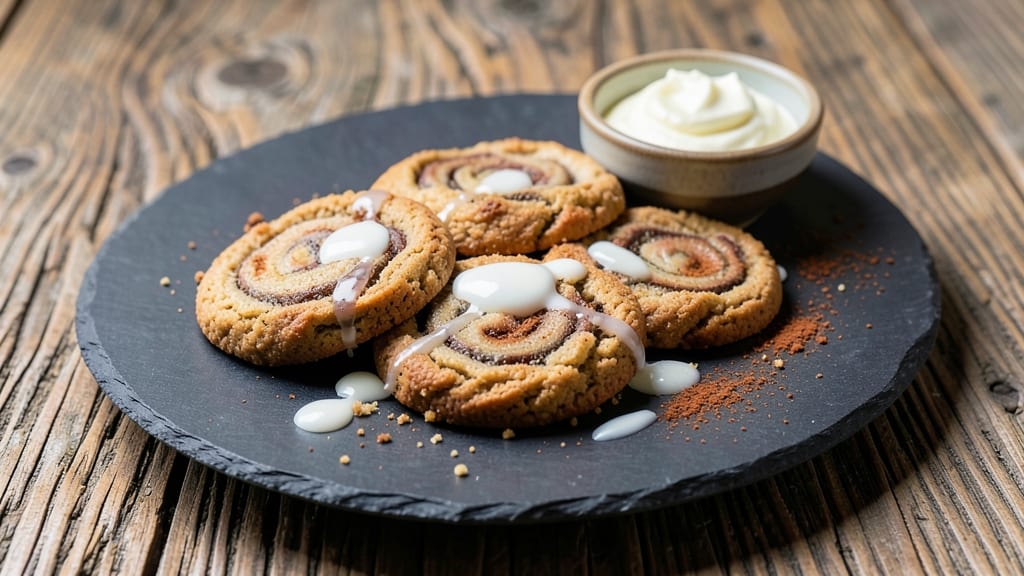
This baked protein cookie recipe delivers all the familiar vanilla crunch without the sugar crash that leaves you crashing by 3 PM. 💛 The secret lies in blending protein powder with egg whites and almond flour, creating cookies that satisfy cravings while fueling your body—no guilt, just deliciousness.
What makes these different is their texture: crisp edges that give way to a tender, cake-like center, all packed with 20g protein per serving without sacrificing taste.
Most protein cookies taste like health food, but these mimic classic vanilla cookies with warm cinnamon notes and a subtle crunch from toasted almond flour.
The recipe uses 5 simple ingredients (plus optional mix-ins) and bakes in just 12 minutes at 350°F, making them perfect for meal prep or a quick snack. No special equipment is needed—just a standard oven and mixing bowl.
What you'll end up with is a batch of cookies that look and taste like the bakery version, but with half the sugar and double the protein. The vanilla extract and cinnamon create that nostalgic flavor, while the protein powder ensures they hold together without being dense.
These are the kind of cookies that disappear fast but leave you feeling energized, not sluggish.
Best of all, they're customizable—swap in chocolate chips, oats, or dark chocolate for variations that still keep the protein high. Store them in an airtight container for up to 5 days or freeze for longer shelf life. Ready to bake cookies that actually support your goals? Let's get started.
Ingredients for baked protein cookie
Five core ingredients plus optional mix-ins for cookies that taste indulgent but fuel your goals.
| Ingredient | Amount | Notes |
|---|---|---|
| Vanilla Protein Powder 🥛 | 1 cup | Vanilla-flavored, 20g protein per serving |
| Large Egg Whites 🥚 | ½ cup | Room temperature preferred |
| Almond Flour 🌰 | 1 ½ cups | Toasted for enhanced flavor |
| Pure Vanilla Extract 🌿 | 1 tbsp | High-quality, pure vanilla |
| Ground Cinnamon 🌶️ | 1 tsp | Freshly ground preferred |
| Unsalted Butter 🧈 | ¼ cup | Softened, not melted |
| Erythritol or Monk Fruit Sweetener 🍯 | 2 tbsp | Low-glycemic, sugar-free |
| Pinch of Salt 🧂 | ⅛ tsp | Fine sea salt preferred |
| Optional Dark Chocolate Chips 🍫 | ½ cup | Sugar-free, 85% cocoa |
| Optional Oats 🌾 | ¼ cup | Blended into flour |
The protein powder is the star—vanilla flavor mimics classic cookies, and 20g protein per serving keeps these guilt-free. I always grab Orgain or Naked Nutrition from Target or Amazon; they’re reliable and widely available. Almond flour gives that bakery-style crunch, but toast it first (350°F for 5 minutes) to deepen the flavor. Skip the pre-toasted stuff—it’s not the same. For vanilla extract, McCormick or Nielsen-Massey are solid choices, but any pure extract works. Butter? Full-fat is non-negotiable—it creates that tender crumb. Softened, not melted, or your cookies will spread too much.
No protein powder? Greek yogurt or cottage cheese (½ cup) adds protein, though texture will differ slightly. Swap almond flour for oat flour or coconut flour (but reduce by ¼ cup—it’s denser). Craving sweetness? Maple syrup or honey (1 tbsp) works, but expect a slightly chewier cookie. Dark chocolate chips? Lily’s or Hu Kitchen sugar-free brands are my go-tos—they melt perfectly. Oats? Blitz them in a food processor first for a finer texture. The cinnamon is easy—just grab the jar, but if you’re feeling fancy, toast the whole cinnamon sticks and grind them for a deeper aroma.
These cookies stay fresh for 5 days in an airtight container, but honestly? They disappear faster than that. For longer storage, freeze portions on a tray first, then transfer to a bag—prevents them from turning soggy. Reheat in the oven for 2-3 minutes at 300°F to revive crispness. Double the batch and freeze half; you’ll thank me later. Pro tip: Underbake by 1 minute—they firm up as they cool. Trust me, they’re even better the next day.
Why You'll Love This Recipe
- No Mixer Needed: I swear by this—just fold the egg whites into the almond flour and protein powder until it holds shape. No stand mixer, no stress, just a fork and a bowl.
- Taste Like Comfort, No Guilt: That warm vanilla-cinnamon aroma? It’s pure nostalgia, but with the protein boost of egg whites keeping it light. My husband steals them before they even cool.
- Weeknight Snack or Gym Fuel: I bake a batch on Sundays, and they last through the week—perfect for post-workout or when I’m craving something sweet but don’t want to derail my goals. (Yes, even on a Tuesday night.)
- Budget-Friendly Protein Hack: Almond flour and egg whites stretch the protein powder further than I expected. A single batch costs less than half a store-bought protein bar, and it’s actually better.
Step-by-step instructions for high-protein vanilla cookies
Let's whip up these protein-packed cookies that taste indulgent but keep you energized.
👨🍳 Step 1: Blend Dry Ingredients for Perfect Texture
Start by blending the 1.5 cups almond flour and 0.25 cup optional oats (if using) in a food processor until completely fine—this ensures your cookies stay tender rather than crumbly. I like to pulse for about 15-20 seconds until no oat pieces remain. Add the 1 cup vanilla protein powder, 1 tsp ground cinnamon, and 0.125 tsp pinch of salt, then pulse just until combined.
This blending step is crucial—it creates a uniform base where the protein powder distributes evenly, preventing any gritty texture. Transfer the dry mixture to a medium bowl and set aside. Here's where it gets fun: the protein powder gives these cookies their signature structure without the dense texture of traditional baked goods.
🍳 Step 2: Cream Wet Ingredients for Maximum Fluffiness
In a separate large bowl, combine the 0.5 cup large egg whites, 0.25 cup softened unsalted butter, and 2 tbsp erythritol or monk fruit sweetener. Using an electric mixer on medium-high speed, beat for 2-3 minutes until the mixture is light and fluffy—you'll see it nearly double in volume. This step incorporates air, which helps create that classic cookie texture.
After about 1 minute, add the 1 tbsp pure vanilla extract and continue mixing for another 30 seconds. The mixture should look pale and slightly thickened. Here's the thing—don't rush this step. Properly creamed butter and eggs create that perfect balance of chewiness and tenderness in the final cookie.
🥘 Step 3: Combine and Fold in Mix-Ins
Gradually add the dry ingredients to the wet mixture, mixing on low speed just until combined—you want to avoid overmixing, which can develop gluten and make the cookies tough. Once incorporated, fold in the 0.5 cup optional dark chocolate chips (if using) using a silicone spatula. The dough will be thick and slightly sticky, which is perfect for these protein cookies.
I know it seems weird, but trust me—this thickness is what gives these cookies their satisfying density. If the dough feels too dry, add 1-2 teaspoons of milk or water to help bind it together. The protein powder already makes the dough behave differently than traditional cookie dough, so don't be afraid to handle it gently.
⏰ Step 4: Chill for Better Shape and Flavor
Cover the bowl with plastic wrap and refrigerate for at least 30 minutes—I prefer 1 hour if possible. This chilling step is non-negotiable for protein cookies. It allows the flavors to meld and prevents excessive spreading in the oven. The protein powder needs this time to fully hydrate and develop its texture.
While chilling, preheat your oven to 350°F and line two baking sheets with parchment paper. The cold dough will hold its shape better when you scoop it, resulting in thicker cookies with those beautiful crackly tops. Pro tip: If you're in a hurry, you can chill the dough for just 20 minutes in the freezer, but I've found the longer rest gives the best results.
🔥 Step 5: Bake to Golden Perfection
Using a 2-tablespoon cookie scoop, portion the chilled dough onto the prepared baking sheets, spacing the cookies about 2 inches apart—they won't spread much. Bake for 10-12 minutes until the edges are golden brown but the centers still look slightly soft. The protein cookies will firm up as they cool, so don't overbake them.
Let the cookies cool on the baking sheet for 5 minutes before transferring to a wire rack to cool completely. Here's where the magic happens: the protein powder creates a slightly chewy center with a crispy exterior, and the almond flour gives them that perfect vanilla crunch. Enjoy them warm for the ultimate experience—each bite delivers that satisfying protein satisfaction without the sugar crash!
Pro Tips For Making Baked Protein Cookie
- WHIP EGGS TO STIFF PEAKS: I learned this the hard way—under-whipped egg whites mean dense, cakey cookies instead of light, chewy ones. Use a stand mixer and go until the meringue holds a sharp peak when you lift the beaters. (Yes, even if you're impatient like me.)
- SIFT ALMOND FLOUR FIRST: Almond flour packs like crazy, and clumps in the dough ruin texture. Sift it with the cinnamon before mixing—this also lightens the batter and ensures even baking. Skip this, and you’ll get uneven cookies with dry spots.
- BAKE UNTIL GOLDEN EDGES: Protein cookies often look underdone when they’re actually done. Pull them at 340°F when the edges are golden but the centers still jiggle slightly—they’ll firm up as they cool. Overbake, and you’ll end up with hockey pucks.
- CHILL DOUGH FOR 30 MINUTES: This isn’t optional. Cold dough spreads less, holds shape better, and bakes more evenly. I used to skip it and ended up with flat, crispy discs instead of thick, soft cookies. (Your future self will thank you.)
Dietary considerations for this recipe
Gluten-Free Adaptations
These cookies are naturally gluten-free thanks to almond flour, making them perfect for anyone avoiding wheat. The almond flour provides structure without gluten, but if you want extra insurance, add 1 tablespoon xanthan gum to the dry ingredients.
This binds the dough better and prevents crumbling. For a nut-free version, swap almond flour for oat flour—just reduce to 1.25 cups since it's denser. 🌰
Low-Carb & Keto-Friendly
The recipe is already keto-friendly with just 2g net carbs per serving, thanks to almond flour and erythritol. For even lower carbs, skip the optional oats and chocolate chips (which contain small amounts of sugar).
If you miss sweetness, add 1 teaspoon stevia powder to the sweetener. The protein powder keeps these cookies satisfying without spiking blood sugar, making them ideal for low-carb diets. 💪
Vegan Protein Options
To make these vegan, replace egg whites with 0.5 cup unsweetened applesauce or 0.5 cup aquafaba (chickpea brine). For butter, use 0.25 cup vegan butter or coconut oil.
Choose a plant-based vanilla protein powder like Orgain Vegan Protein or Nutiva Hemp Protein. The texture will be slightly denser but still delicious. 🌱
Nut-Free & Allergen-Friendly
For nut-free cookies, swap almond flour for 1.25 cups oat flour (blend rolled oats into a fine powder). Use a nut-free protein powder like Pea Protein Isolate or Rice Protein.
Check labels for cross-contamination warnings. For dairy-free, ensure your protein powder and butter are certified allergen-free. These modifications keep the cookies safe for multiple dietary needs. 🧂
Dairy-Free Substitutions
Skip regular butter and use 0.25 cup dairy-free butter (like Miyoko's) or coconut oil. For extra richness, add 1 tablespoon coconut cream to the wet ingredients.
Choose a dairy-free protein powder if needed—brands like Orgain Plant-Based Protein work well. The texture remains tender, and the flavor stays rich and satisfying. 🥥
Nutrition facts
Frequently asked questions
Can I use regular flour instead of almond flour?
While you can substitute all-purpose flour, the texture will be completely different. Almond flour gives these cookies their signature crunch and tender crumb. For a 1:1 swap, reduce the flour by ¼ cup (it's denser) and add 1 extra egg white to maintain moisture. Expect softer, cake-like cookies rather than the classic crunch.
Why do my protein cookies taste bland?
Protein powder can mute flavors, so don't skimp on the vanilla! Double the vanilla extract to 2 tbsp or add ½ tsp almond extract for depth. Toast the almond flour (5 mins at 350°F) before using to enhance nuttiness. If using chocolate chips, melt them into the wet ingredients first for richer flavor infusion.
How do I prevent my cookies from spreading too much?
Chilling the dough for 1 hour (not just 30 minutes) is key! Also, use a 2-tbsp cookie scoop and place dough balls 2 inches apart on the baking sheet. The protein powder helps them hold shape better than traditional dough, but cold dough prevents excessive spreading. For extra insurance, flatten each scoop slightly before baking.
Can I make these without protein powder?
Yes, but texture will differ. Replace 1 cup protein powder with ½ cup Greek yogurt + ½ cup oat flour for similar protein content. For a lower-protein version, use 1 cup oat flour + ¼ cup egg whites—just expect slightly softer cookies. The protein powder creates that signature density, so substitutions may alter the final texture.
Why are my cookies dense and cake-like?
Overmixing or insufficient creaming of butter/eggs causes this. Beat the wet ingredients for exactly 2-3 minutes until pale and fluffy. Also, ensure your protein powder is fully incorporated into the dry ingredients before combining. If the dough feels too dry, add 1 tsp milk (dairy or unsweetened almond) to help bind. Underbaking by 1 minute also prevents density.